Boat Rental Requirements In Palm Beach
Description

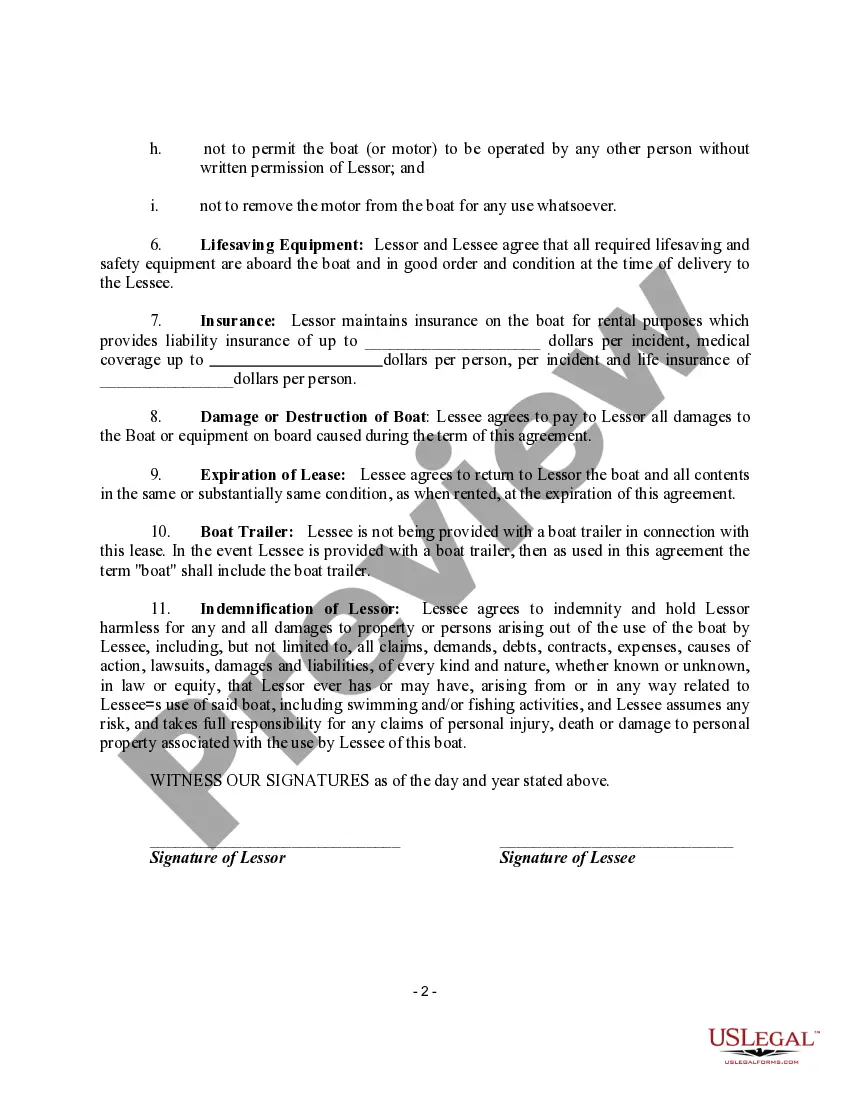
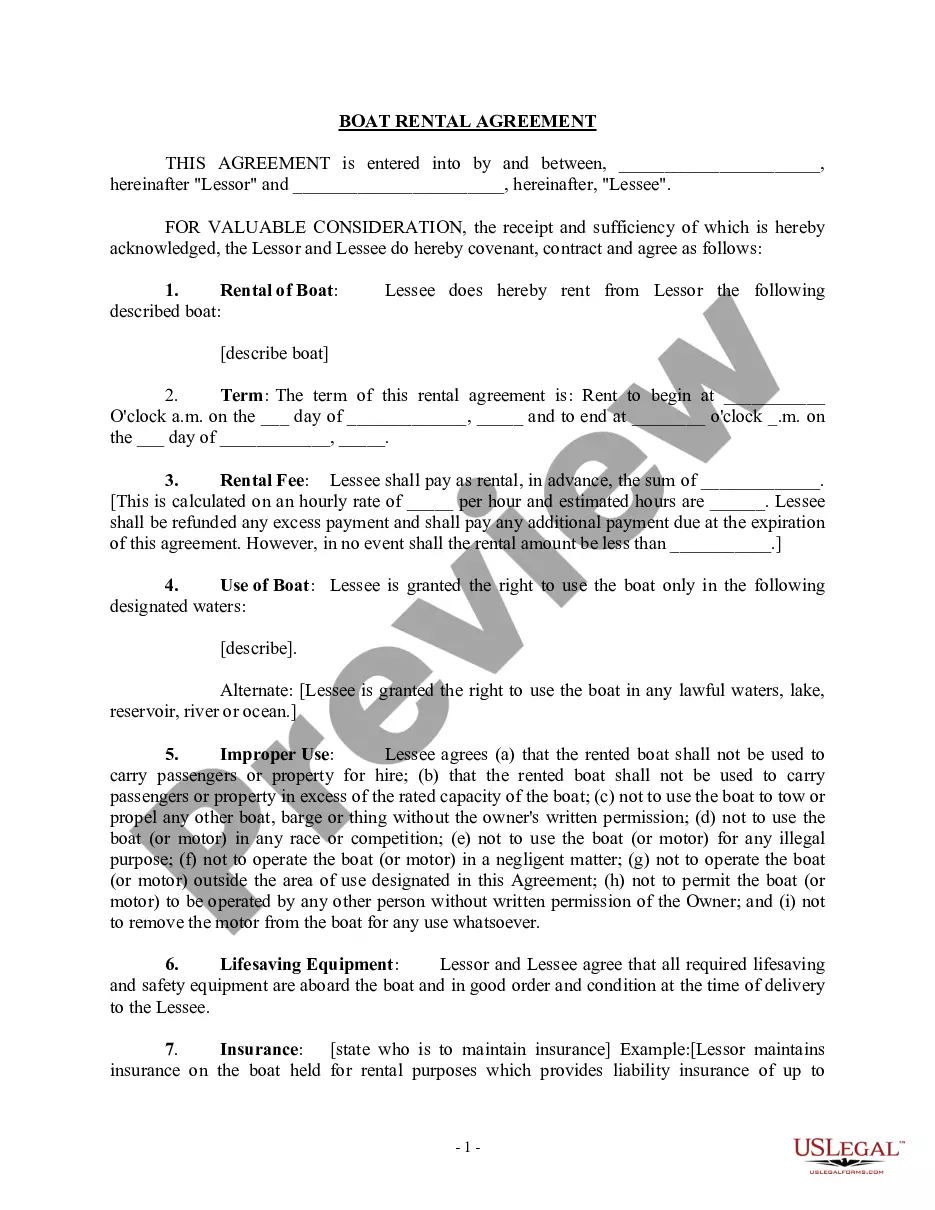
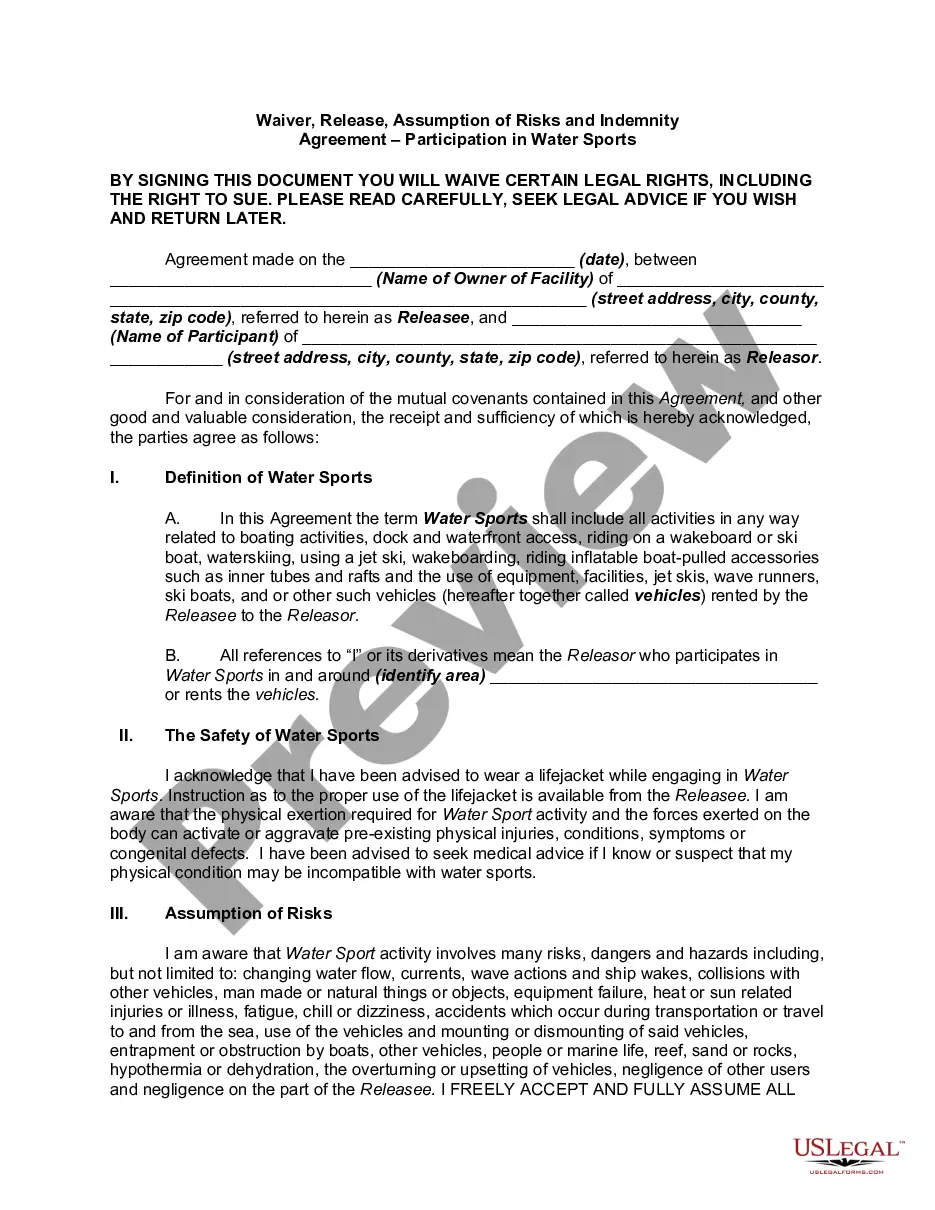
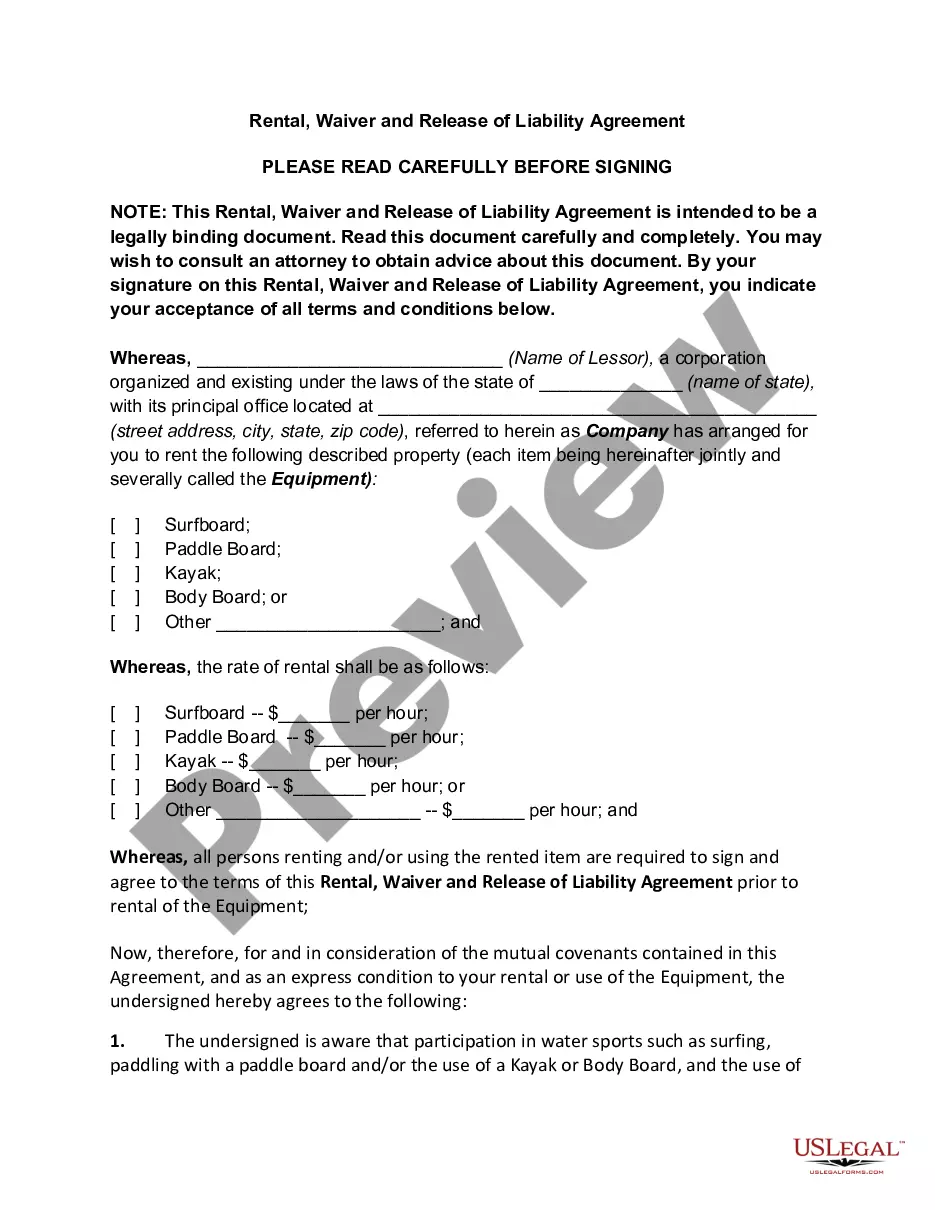
Get your form ready online
Our built-in tools help you complete, sign, share, and store your documents in one place.
Make edits, fill in missing information, and update formatting in US Legal Forms—just like you would in MS Word.
Download a copy, print it, send it by email, or mail it via USPS—whatever works best for your next step.
Sign and collect signatures with our SignNow integration. Send to multiple recipients, set reminders, and more. Go Premium to unlock E-Sign.
If this form requires notarization, complete it online through a secure video call—no need to meet a notary in person or wait for an appointment.
We protect your documents and personal data by following strict security and privacy standards.

Make edits, fill in missing information, and update formatting in US Legal Forms—just like you would in MS Word.

Download a copy, print it, send it by email, or mail it via USPS—whatever works best for your next step.

Sign and collect signatures with our SignNow integration. Send to multiple recipients, set reminders, and more. Go Premium to unlock E-Sign.

If this form requires notarization, complete it online through a secure video call—no need to meet a notary in person or wait for an appointment.

We protect your documents and personal data by following strict security and privacy standards.
Looking for another form?









Form popularity
FAQ
SB606 mainly focuses on the operation of human-powered vessels, like kayaks and paddleboards, in the marked channel of the Florida Intracoastal Waterway. While the law enforces new restrictions, it also provides allowances under specific conditions.
—Today, Governor Ron DeSantis announced the Boater Freedom Initiative, a legislative proposal that protects Floridians' right to boat by preventing local bans on vessels based on fuel type, repealing the Florida Fish and Wildlife Conservation Commission (FWC)'s authority to conduct random vessel safety inspections ...
You are exempt from this rule if you are: A person licensed by the U.S. Coast Guard as a master of a vessel. A person operating on a private lake or pond. A non-resident who has in his or her possession proof that he or she has completed a NASBLA-approved boater safety course or equivalency examination from another ...
California. Boat rental businesses in California must register with the state's Department of Boating and Waterways prior to operating within the state's waterways. All each rental boat used for recreational purposes must also be registered with the department as well.
To rent a boat in Florida, you need to complete an approved Boating Safety Course. The FWC website links to approved courses for this. If you were born before January 1, 1988 you are exempt from needing this certificate.
The State of Florida doesn't have classic “boating licenses,” but offers Boating Safety Education Identification Cards. These are absolutely mandatory for anyone born on or after January 1, 1988 who wants to rent a boat of 10 horsepower or more.
The good news first: Persons who were born before January 1 1988 do not need a special boat or jet ski license in Florida. A regular driver's license is sufficient. If you are younger, do not despair, however. In this case you have to get the “Boater Safety Education ID Card” (short: Boater ID).
The State of Florida requires one wearable Type I, II, III, or V PFD for each person aboard any vessel. Ensure PFDs are readily accessible. At least one Type IV (throwable device) PFD must be kept on board any vessel 16 feet or longer. Someone being towed behind a vessel must wear a PFD.
In addition to successfully completing an approved boating safety course, you must have an FWC-issued Boating Safety Education Identification Card AND a photo ID in your possession to operate a motorboat of 10 horsepower or more.
Florida's Laws on Boating Safety Equipment Personal Flotation Devices (PFDs): Visual Distress Signals: Sound-Producing Devices: Fire Extinguishers: Navigation Lights: Anchor and Anchor Lines: Additional Boating Safety Considerations:
