Boat Contract With America In Palm Beach
Description

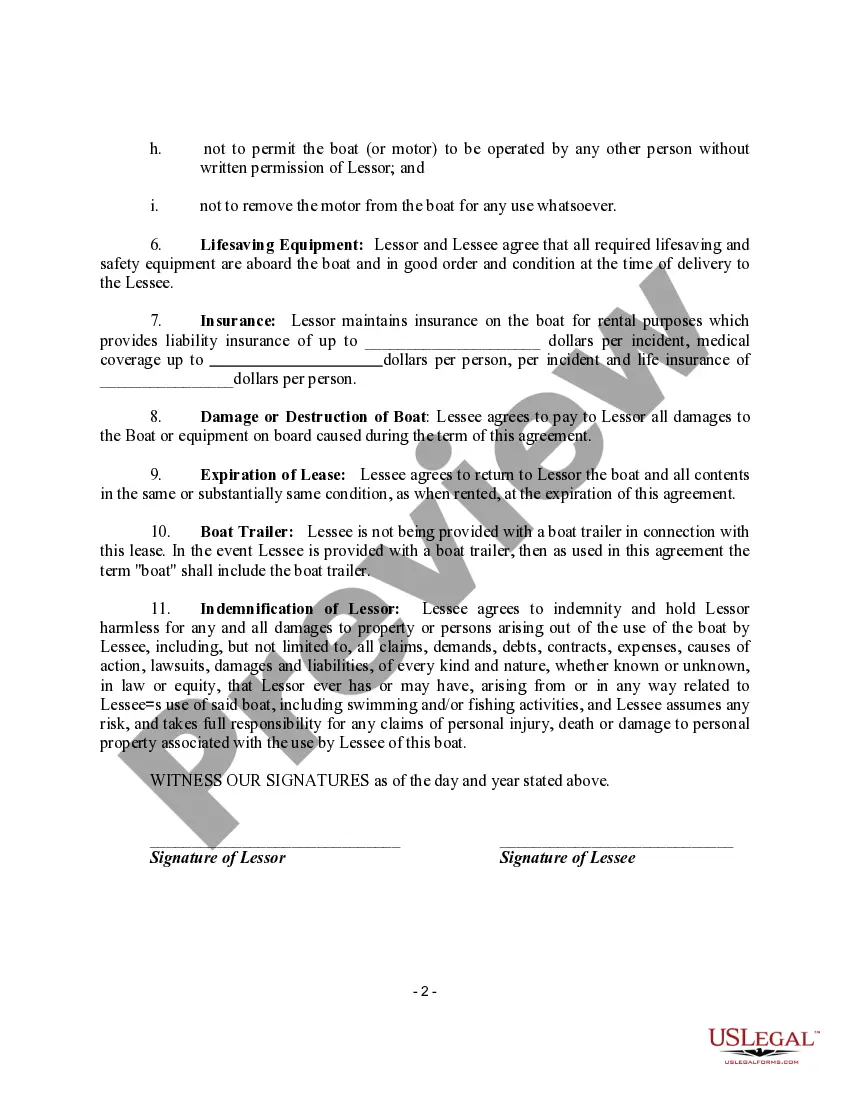
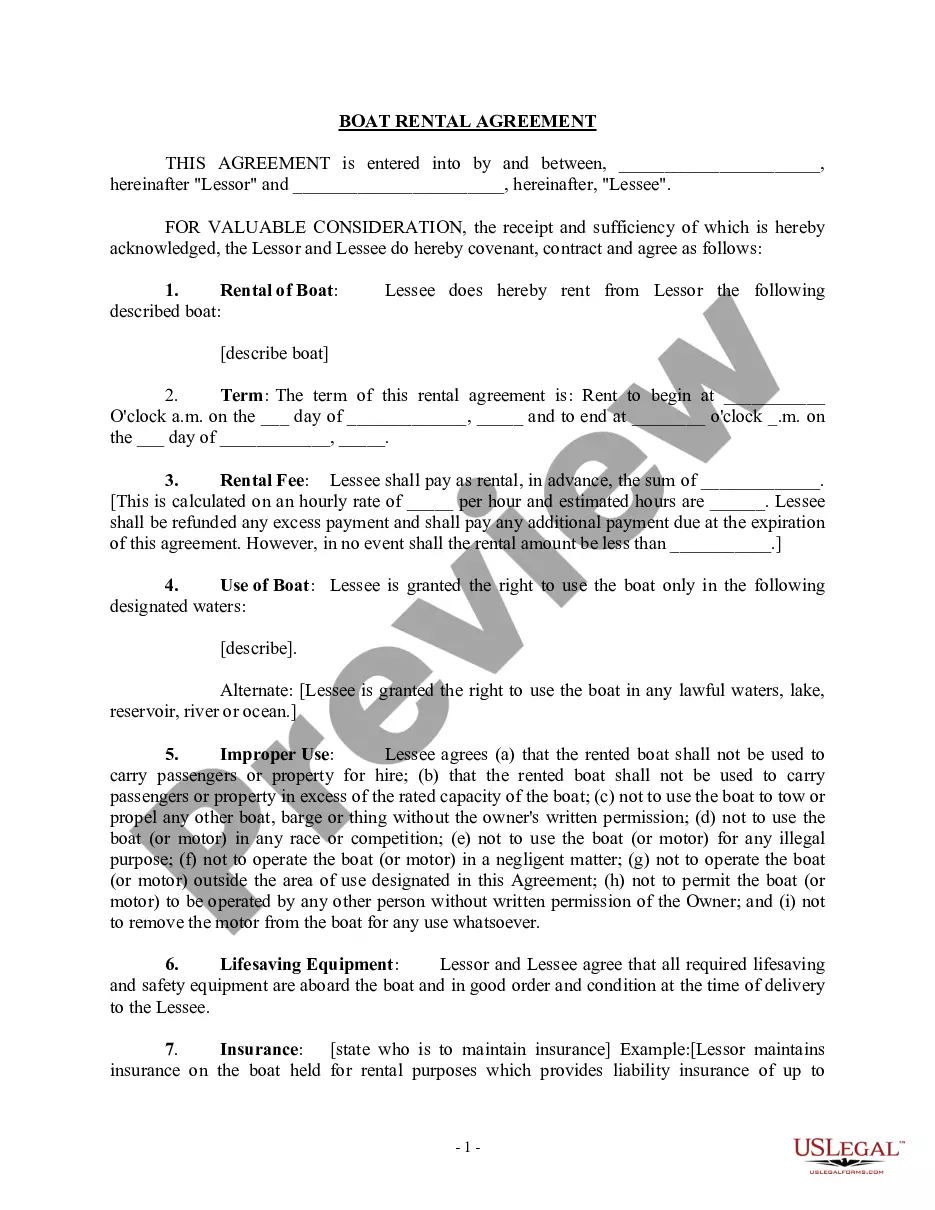
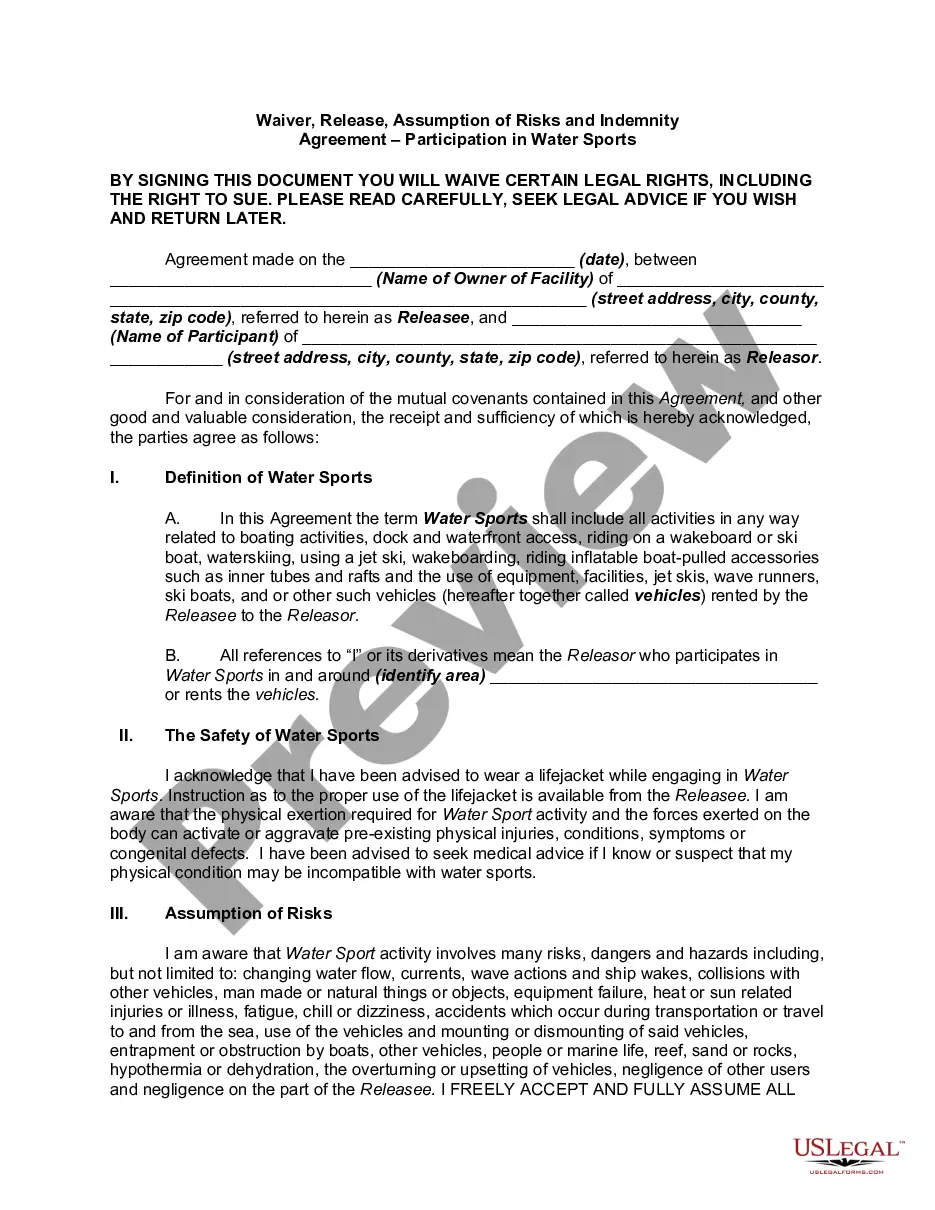
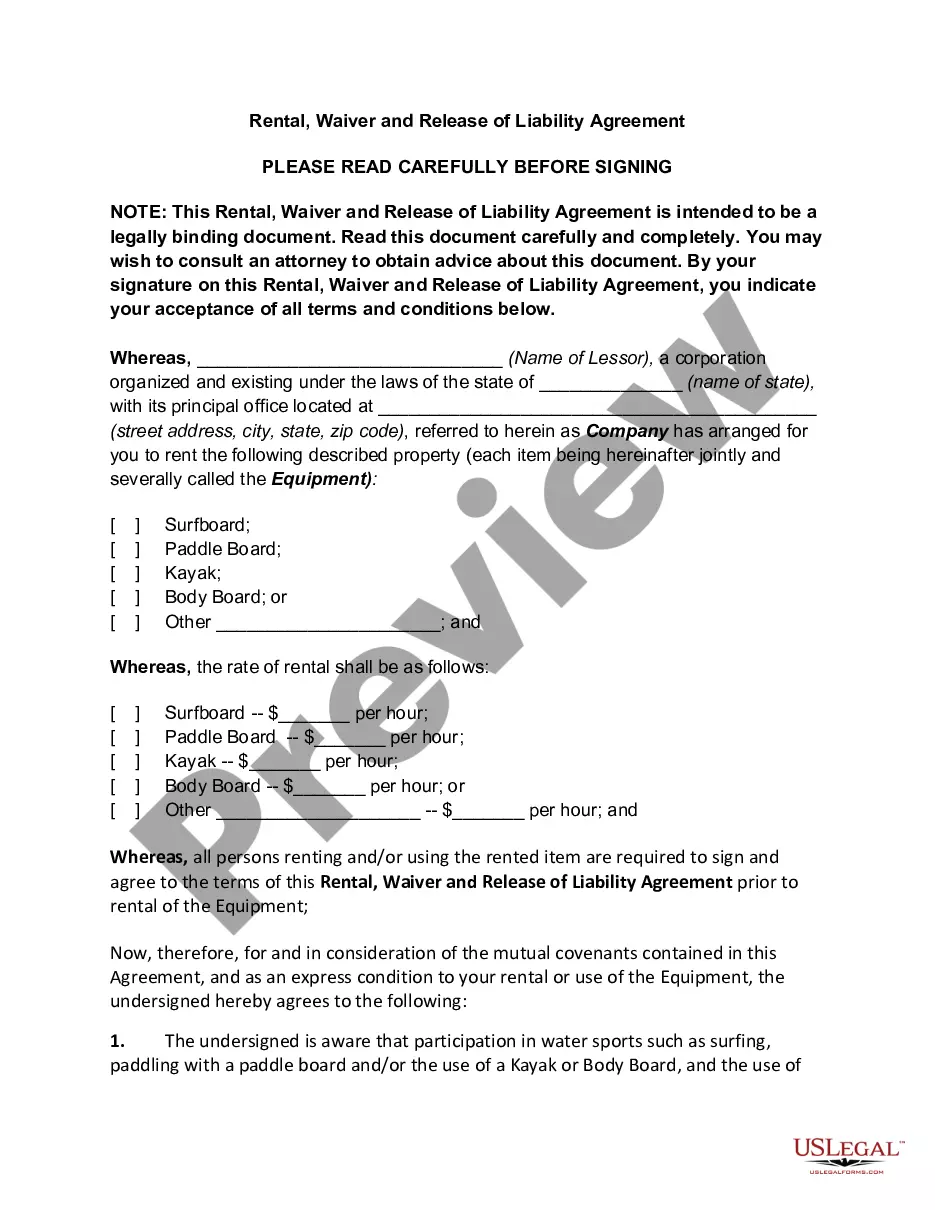
Get your form ready online
Our built-in tools help you complete, sign, share, and store your documents in one place.
Make edits, fill in missing information, and update formatting in US Legal Forms—just like you would in MS Word.
Download a copy, print it, send it by email, or mail it via USPS—whatever works best for your next step.
Sign and collect signatures with our SignNow integration. Send to multiple recipients, set reminders, and more. Go Premium to unlock E-Sign.
If this form requires notarization, complete it online through a secure video call—no need to meet a notary in person or wait for an appointment.
We protect your documents and personal data by following strict security and privacy standards.

Make edits, fill in missing information, and update formatting in US Legal Forms—just like you would in MS Word.

Download a copy, print it, send it by email, or mail it via USPS—whatever works best for your next step.

Sign and collect signatures with our SignNow integration. Send to multiple recipients, set reminders, and more. Go Premium to unlock E-Sign.

If this form requires notarization, complete it online through a secure video call—no need to meet a notary in person or wait for an appointment.

We protect your documents and personal data by following strict security and privacy standards.
Looking for another form?







Form popularity
FAQ
All people on board (American or Canadian) must have a valid Western Hemisphere Travel Initiative (WHTI) travel document, such as a passport or NEXUS card, to enter the U.S.A. Boaters should always record details of every transaction with CBP in your boat's log book.
Navigating International Waters: How to Check In and Out of a Country by Boat Research Entry Requirements. Each country has unique regulations regarding vessel entry. Prepare Your Documents. Report to Customs and Immigration. Health and Safety Inspections. Obtain Entry Clearance. Check Out With Customs Officials:
The I-94 website and CBP One™ mobile application allows certain travelers to check the status of their admission in the United States under the View Compliance tab. This check will inform travelers of how many days are remaining on their admission or how many days they have remained past their admit until date.
Entering U.S. Waters Carry a passport or other document that denotes identity and citizenship; Stay 100 yards away from all military, cruise lines and commercial shipping vessels; Operate at minimum speed (no wake) and proceed as directed by the Coast Guard or the Navy when within 500 yards of a U.S. Naval vessel;
Do transatlantic cruises still exist? Yes, absolutely. Transatlantic cruises are as iconic now as they were in 1847 when the first Cunard ship made its historic journey.
Initial Registration and Renewals Residents operating their vessels (boats) on Florida's waters must register those vehicles in the State of Florida. Non-residents must register their out-of-state vessels in Florida if the vessel is used in Florida's waters more than 90 days.
Domestic Cruising in the USA This can be applied for via ROAM, obtained at the time of entry when filing the CBP-1300 in person, or from the applicable CBP port director. Once issued it is valid for up to one year (365 days from issue date).
Specific requirements vary from state to state, but over 70% of the U.S. requires boaters who meet certain criteria to take a safety education course. The resulting accreditation is called a certificate, not a license, because it is good for life and doesn't expire.
An out-of-state vessel owner who does not plan to become a permanent Florida resident but plans to operate a currently registered vessel in Florida waters for more than 90 days must obtain a temporary registration.
And it's much better for a world Cruiser. It was a super straightforward. Process all we needed wasMoreAnd it's much better for a world Cruiser. It was a super straightforward. Process all we needed was a documentation agent. And that was it. But with the new boat.
