Boat Contract With America In Florida
Description

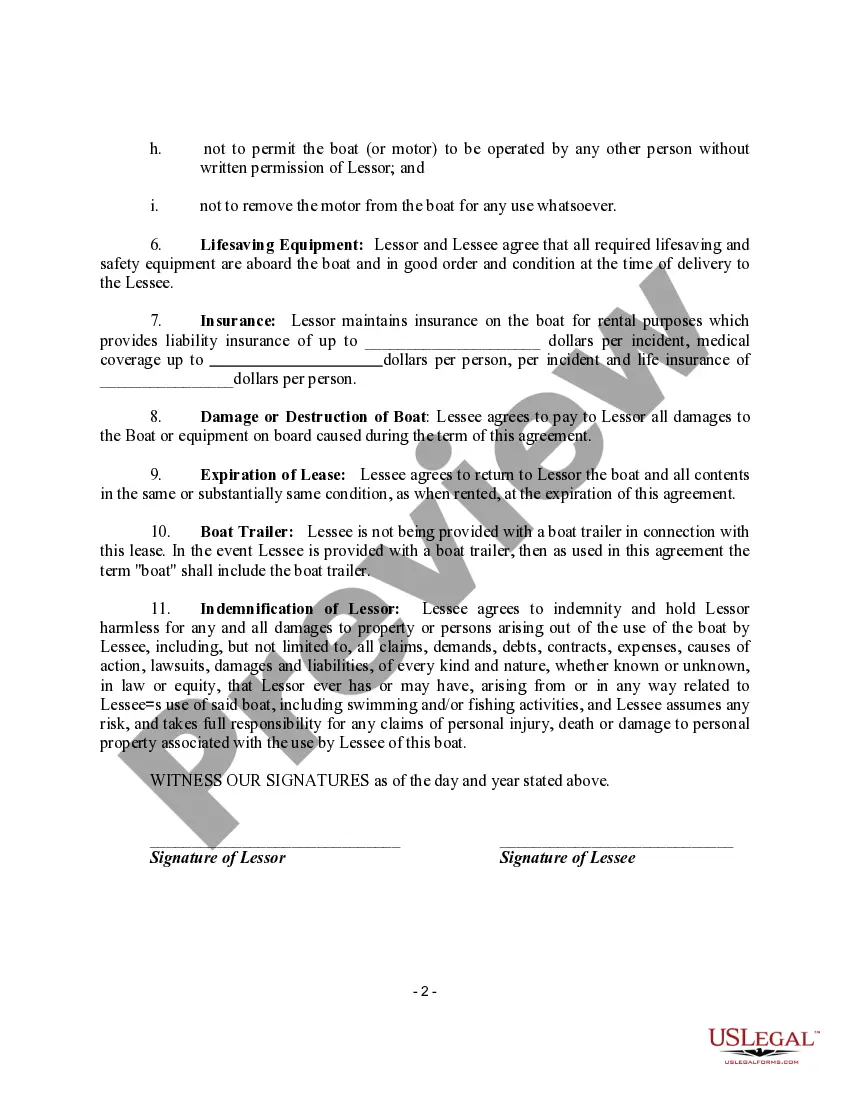
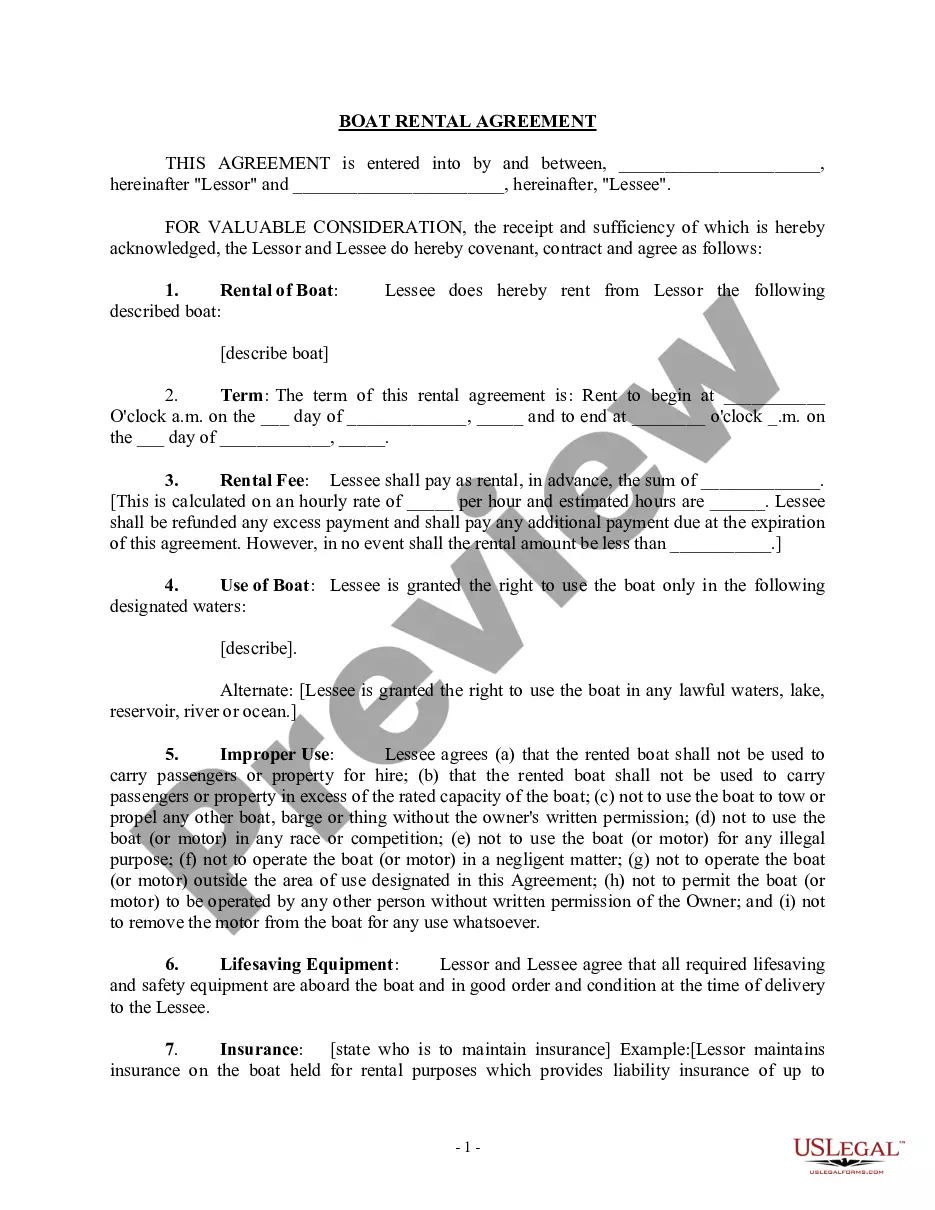
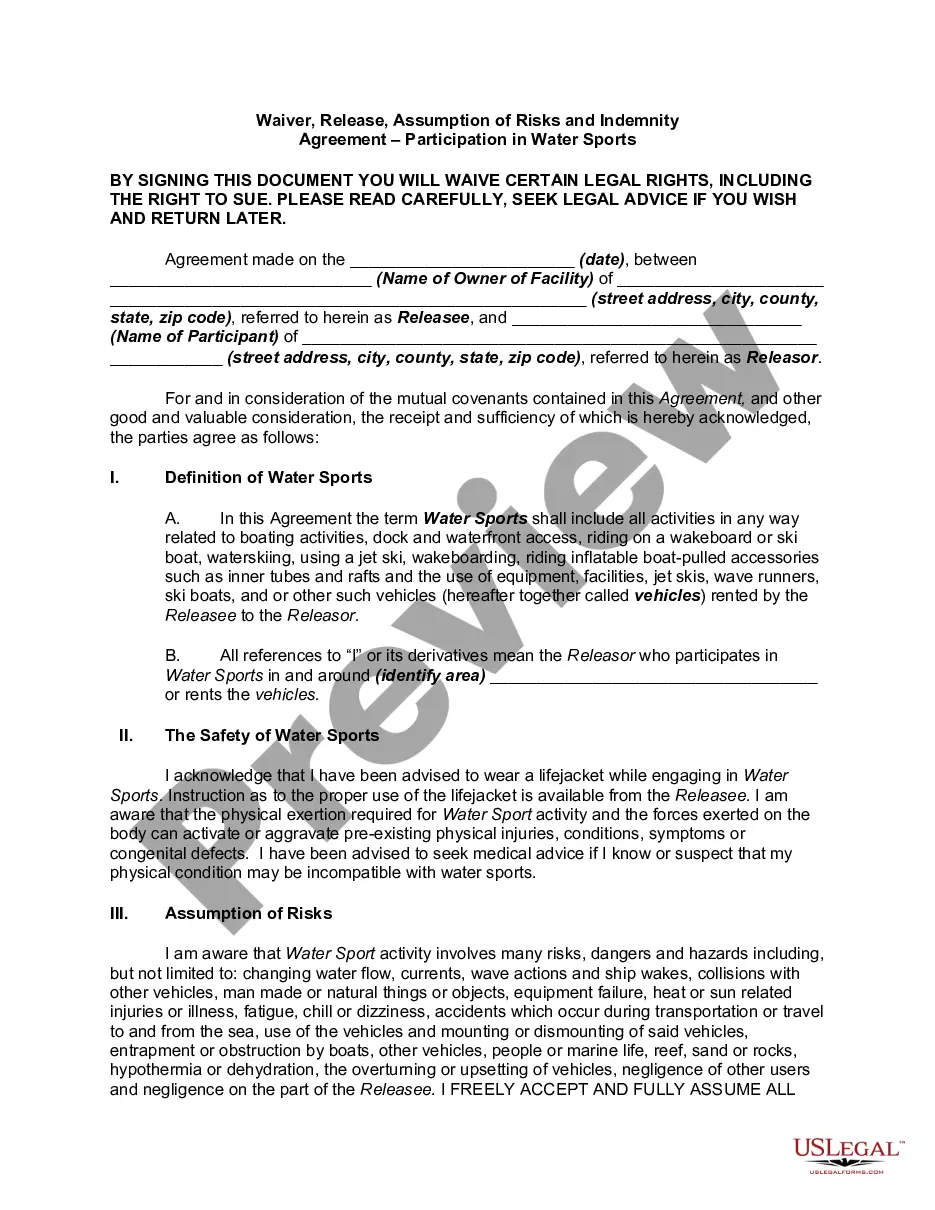
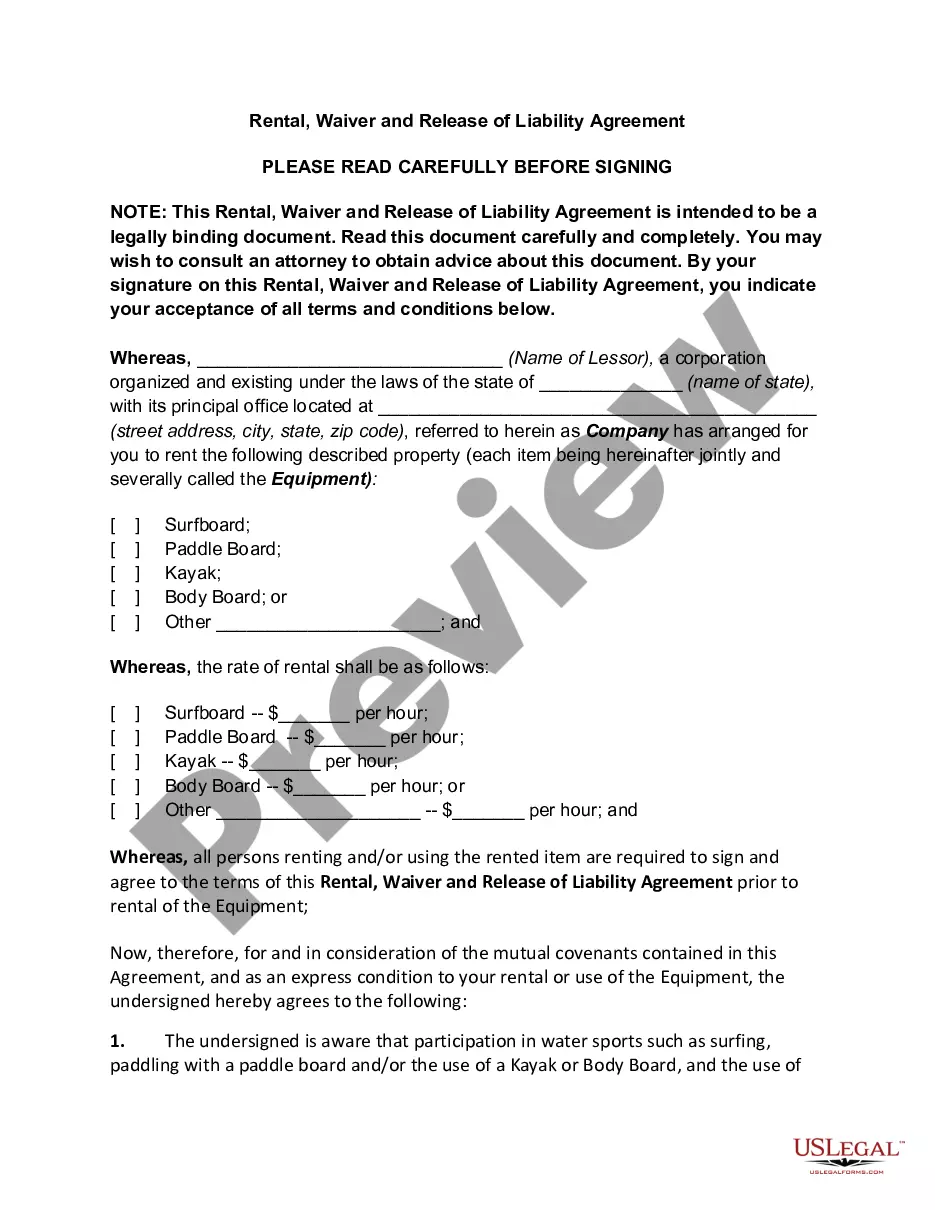
Get your form ready online
Our built-in tools help you complete, sign, share, and store your documents in one place.
Make edits, fill in missing information, and update formatting in US Legal Forms—just like you would in MS Word.
Download a copy, print it, send it by email, or mail it via USPS—whatever works best for your next step.
Sign and collect signatures with our SignNow integration. Send to multiple recipients, set reminders, and more. Go Premium to unlock E-Sign.
If this form requires notarization, complete it online through a secure video call—no need to meet a notary in person or wait for an appointment.
We protect your documents and personal data by following strict security and privacy standards.

Make edits, fill in missing information, and update formatting in US Legal Forms—just like you would in MS Word.

Download a copy, print it, send it by email, or mail it via USPS—whatever works best for your next step.

Sign and collect signatures with our SignNow integration. Send to multiple recipients, set reminders, and more. Go Premium to unlock E-Sign.

If this form requires notarization, complete it online through a secure video call—no need to meet a notary in person or wait for an appointment.

We protect your documents and personal data by following strict security and privacy standards.
Looking for another form?









Form popularity
FAQ
The following boats and vessels are exempt from boat registration in Florida: Vessels stored and used solely on private lakes or ponds. Non-motorized vessels less than 16 feet long. Federally documented vessels and vessels owned by the United States government, the State of Florida, or any of its political subdivisions.
A vessel that is registered in another state may be used in Florida for no more than 90 days . An out-of-state vessel owner who does not plan to become a permanent Florida resident but plans to operate a currently registered vessel in Florida waters for more than 90 days must obtain a temporary registration.
Applying for Vessel Registration When applying for registration, the owner must establish proof of ownership by submitting an executed bill of sale, a builder's contract, a manufacturer's statement of origin, a federal marine document or another document acceptable to the FLHSMV.
You must apply in person, supply 3 passport photos, have your name checked, and be fingerprinted. Each person on board your boat, including children, must be registered and possess an I-68 form. If you have extra passengers, you must land at an official entry port, videophone or radiophone for inspection.
PFDs, Flares Fire Extinguishers, Sound Devices and Lights One personal flotation device (in good condition) for each person on board, plus a throw-able cushion or ring is required. You must have the PFDs out of the plastic and in a READILY accessible location.
—Today, Governor Ron DeSantis announced the Boater Freedom Initiative, a legislative proposal that protects Floridians' right to boat by preventing local bans on vessels based on fuel type, repealing the Florida Fish and Wildlife Conservation Commission (FWC)'s authority to conduct random vessel safety inspections ...
Non-residents Boats that have a valid registration and Certificate of Number from another state or territory may operate for up to 90 days on Florida waterways before they will be required to register their boat in Florida.
Recreational boaters in Florida must keep their vessels at least 50 feet away from other vessels when stopped, and may carry no more than 10 people at a time, ing to an executive order issued by Florida Gov.
In addition to successfully completing an approved boating safety course, you must have an FWC-issued Boating Safety Education Identification Card AND a photo ID in your possession to operate a motorboat of 10 horsepower or more.
To boat recreationally in Florida, all you need is a simple safe boater's course. If you want to take on paying customers, however, the U.S. Coast Guard requires you to have an official captain's license.
