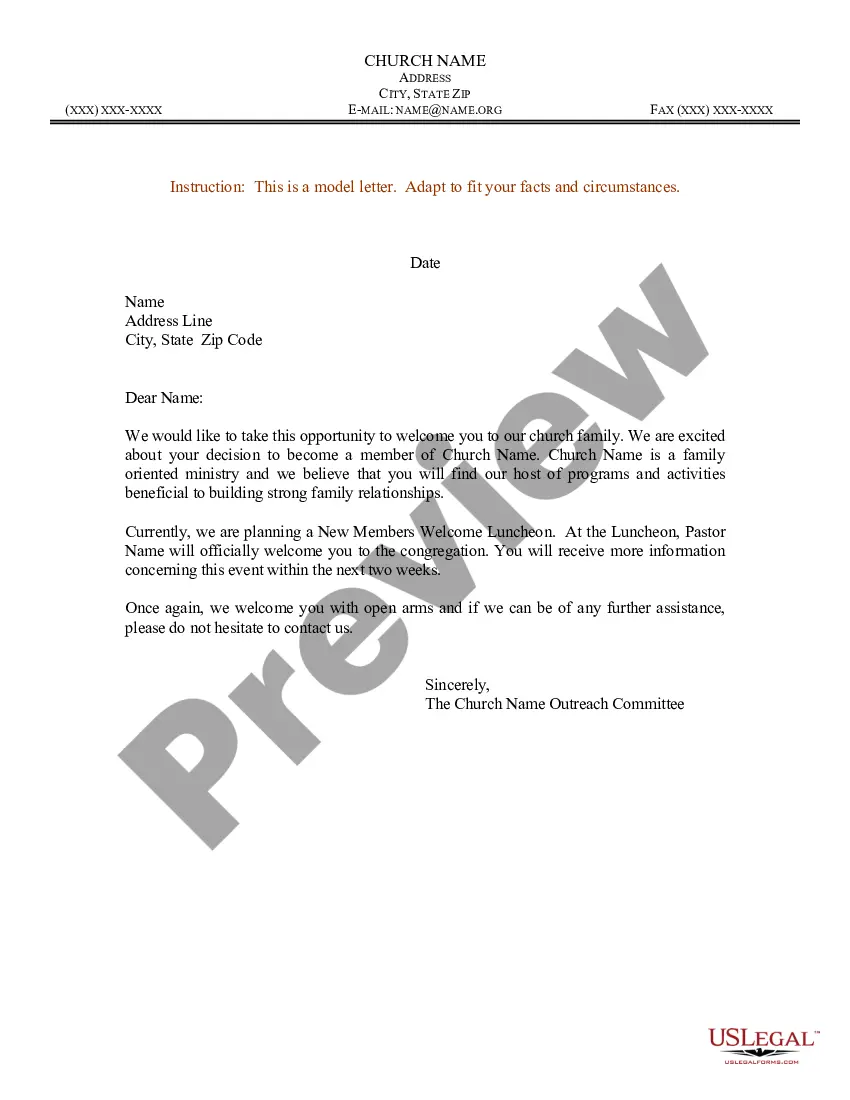
Sample Retainer Agreement For Personal Injury In Wayne
Description

Get your form ready online
Our built-in tools help you complete, sign, share, and store your documents in one place.
Make edits, fill in missing information, and update formatting in US Legal Forms—just like you would in MS Word.
Download a copy, print it, send it by email, or mail it via USPS—whatever works best for your next step.
Sign and collect signatures with our SignNow integration. Send to multiple recipients, set reminders, and more. Go Premium to unlock E-Sign.
If this form requires notarization, complete it online through a secure video call—no need to meet a notary in person or wait for an appointment.
We protect your documents and personal data by following strict security and privacy standards.

Make edits, fill in missing information, and update formatting in US Legal Forms—just like you would in MS Word.

Download a copy, print it, send it by email, or mail it via USPS—whatever works best for your next step.

Sign and collect signatures with our SignNow integration. Send to multiple recipients, set reminders, and more. Go Premium to unlock E-Sign.

If this form requires notarization, complete it online through a secure video call—no need to meet a notary in person or wait for an appointment.

We protect your documents and personal data by following strict security and privacy standards.
Looking for another form?









Form popularity
FAQ
To summarize what is a retainer agreement, it can be structured in several different ways: Client pays a set amount each month to access a certain amount of time. Client pays a set amount each month for a specific set of deliverables. Client pays simply to have access to the freelancer.
If either you or your attorney terminate the relationship before the retainer is exhausted, and if allowed by the agreement and applicable laws, the remaining portion of the retainer may be refundable. Ensure the termination terms in your agreement are clear and consult a legal professional if needed.
The retainer agreement does not bind you to your lawyer. You can terminate the client-attorney relationship at any time. You are the principal and your lawyer is your agent–this means that you are the boss. When you want to terminate the relationship with your lawyer, all you have to do is tell them, “You're fired.”
A retainer agreement is a long-term work-for-hire contract between a company and a client that retains ongoing services from you (as a consulting business) and provides you with a stable amount of payments.
As a rule, retainer agreements are signed with the focus on your most important clients. It may take years to develop meaningful relationships and a reputation of a well-rounded professional who delivers value and impactful results.
Traditional (Hawley) retainers have a piece of wire attached to plastic (or acrylic). Clear retainers (Essix) are also plastic but don't have any wires. Both are custom-made to fit your teeth.
Agreement periods usually run up to five years, but initial retainer agreements are often reviewed and renewed annually—usually at the end of the financial year. Retainer hours are usually spent on recurring tasks that aren't major projects but are important to the client.
If you want to take legal action to claim compensation for a personal injury, you will need to get advice from a solicitor specialising in these types of cases. This must be done as soon as possible as there are strict time limits on taking legal action.