Agreement Personal Injury Sample With Insurance In Wake
Description

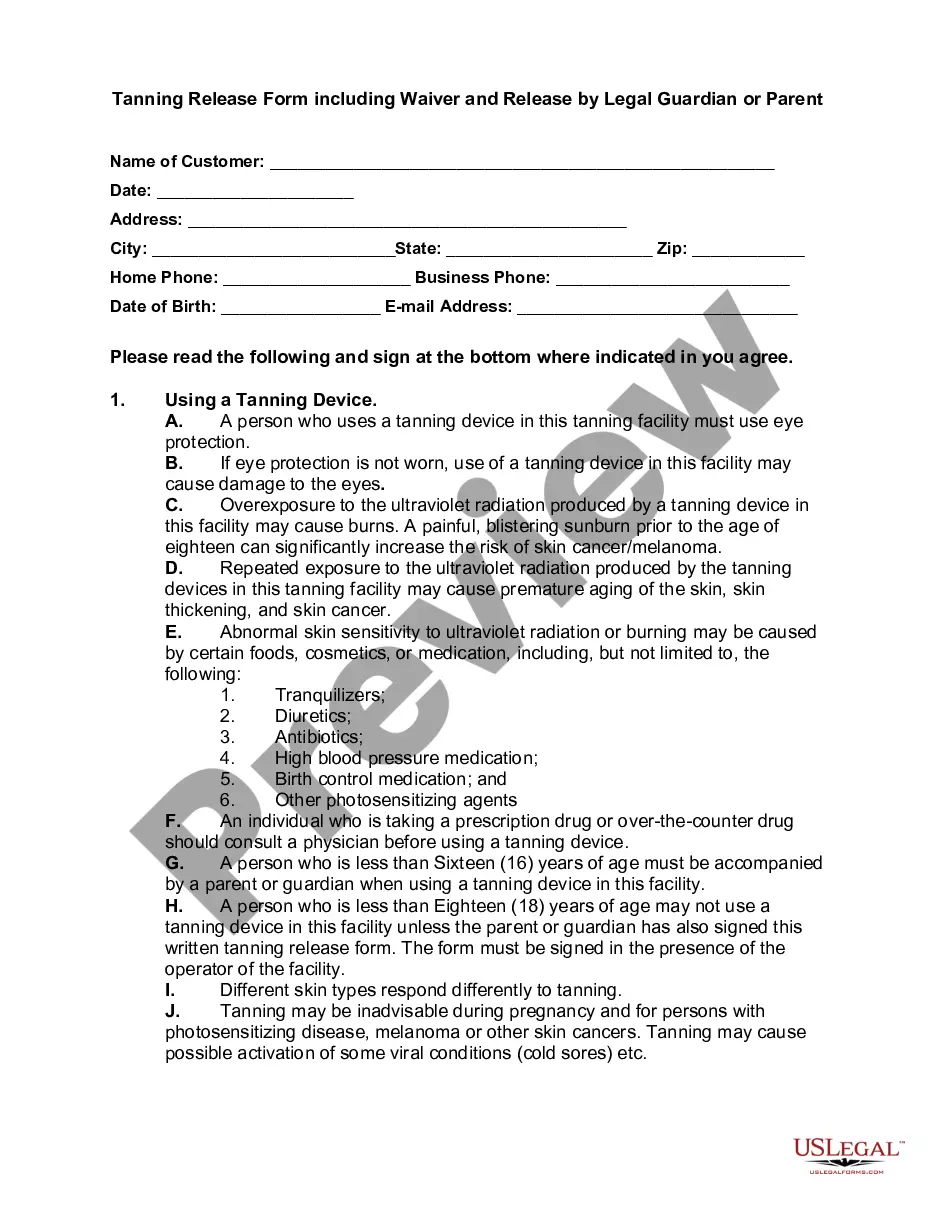
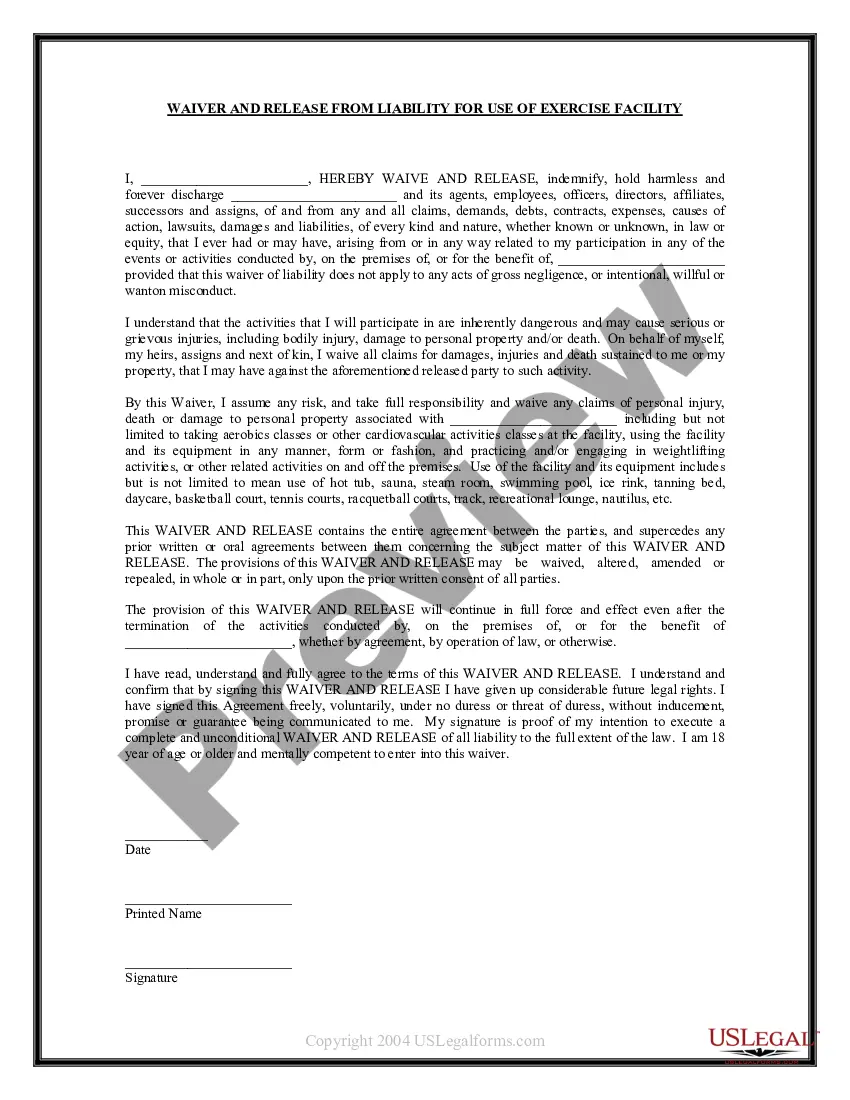
Get your form ready online
Our built-in tools help you complete, sign, share, and store your documents in one place.
Make edits, fill in missing information, and update formatting in US Legal Forms—just like you would in MS Word.
Download a copy, print it, send it by email, or mail it via USPS—whatever works best for your next step.
Sign and collect signatures with our SignNow integration. Send to multiple recipients, set reminders, and more. Go Premium to unlock E-Sign.
If this form requires notarization, complete it online through a secure video call—no need to meet a notary in person or wait for an appointment.
We protect your documents and personal data by following strict security and privacy standards.

Make edits, fill in missing information, and update formatting in US Legal Forms—just like you would in MS Word.

Download a copy, print it, send it by email, or mail it via USPS—whatever works best for your next step.

Sign and collect signatures with our SignNow integration. Send to multiple recipients, set reminders, and more. Go Premium to unlock E-Sign.

If this form requires notarization, complete it online through a secure video call—no need to meet a notary in person or wait for an appointment.

We protect your documents and personal data by following strict security and privacy standards.
Looking for another form?









Form popularity
FAQ
Your lawyer may employ several methods to prove pain and suffering in your personal injury or medical malpractice claim. Some documents your lawyer may use to prove that your pain and suffering exist include: Medical bills. Medical records, including your treatment records.
Breaking Down the Car Accident Settlement Letter Contact Information and Date. Recipient Information. Subject Line. Introduction and Accident Details. Description of Injuries and Treatment. Itemized List of Damages. Settlement Demand. Closing Statement.
The personal injury claims process Work out who was responsible. Gather evidence. Assess your injuries. Arrange medical care or rehabilitation. Review recovery. Work out your compensation amount. Reach a settlement. Compensation payment.
What evidence does your solicitor need to make a personal injury claim? Evidence of your injuries. Evidence of financial losses. Loss of earnings. Medication and treatment costs. Travel expenses. Damage to personal property. Care and assistance. Who can make a personal injury claim?
The Most Common Types of Personal Injury Cases Car Accidents. Motorcycle Accidents. Truck Accidents. Uber & Lyft Accidents. Pedestrian Accidents. Wrongful Deaths. Slip & Fall Accidents. Animal Bites and Attacks.
10 best practices for writing a personal injury demand letter Thoroughly review the case. Start with a clear introduction. Detail the facts of the case. Document injuries and treatment. Include economic damages. Outline Non-Economic Damages. Be specific in your demand for compensation. Use persuasive language.
How to File a Personal Injury Claim Without a Lawyer: A Step-by-Step Guide Step 1: Gather Evidence from the Scene. Step 2: Seek Medical Attention. Step 3: Notify the At-Fault Party's Insurance Company. Step 4: Calculate the Value of Your Claim. Step 5: Send a Demand Letter. Step 6: Negotiate a Settlement.
The result of a settlement agreement involves the responsible party paying a certain amount to compensate for the damages caused to the victim.
Here is how the personal injury claim process works: Complete Your Medical Treatment. Submit Demand Package. Settlement of Claim. Compromise of Liens. Statute of Limitations. Lawsuit in Court. Mandatory Arbitration. Trial and Judgment. A court case can be settled at any stage by voluntary agreement of the parties.
It's important to note there are two types of injury compensation (damages): General Damagescompensate you for the pain and suffering of your injuries and the impact they've had on your life. Special damages reimburse you for any financial losses you incurred as a direct result of the accident and your injuries.
