Personal Injury Release Form Template In Texas
Description

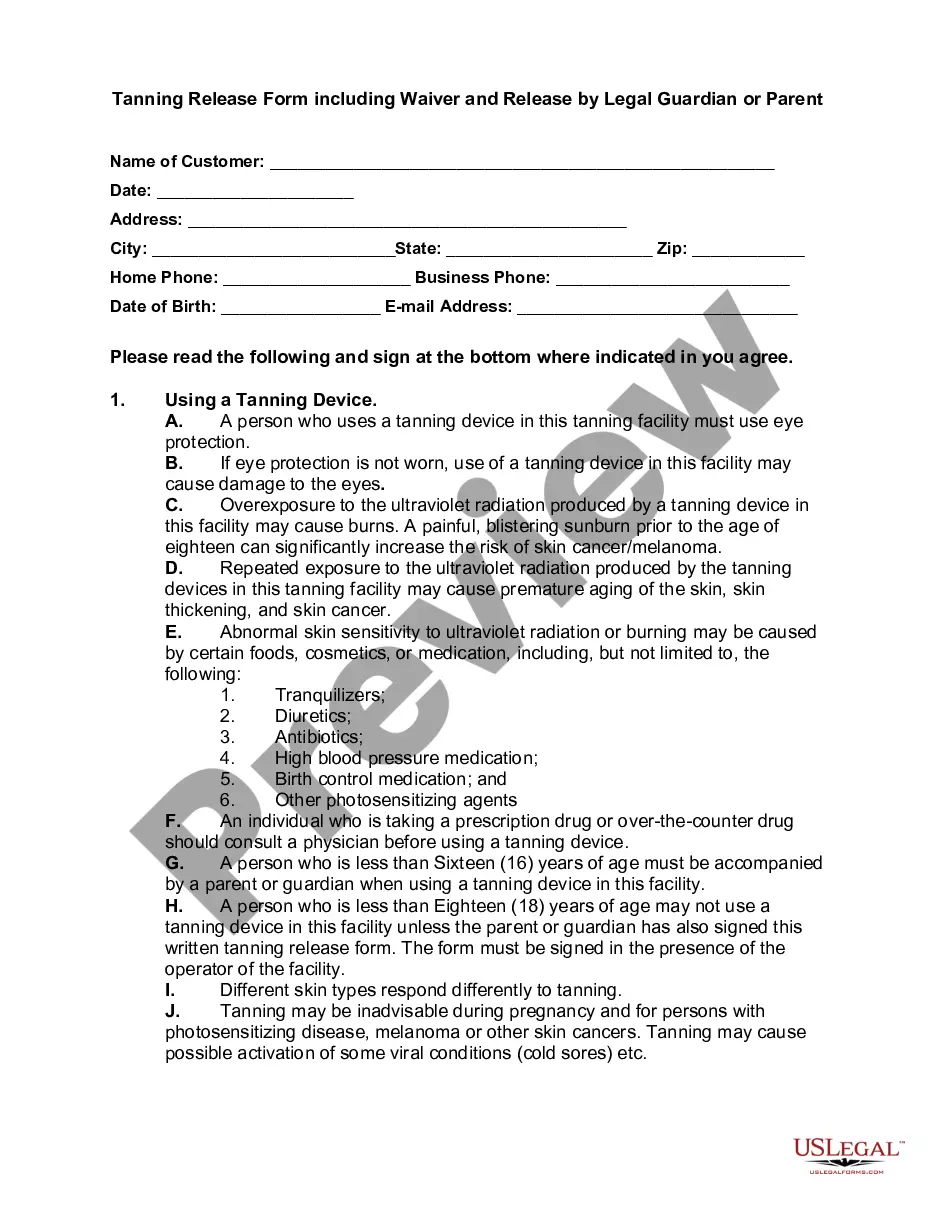
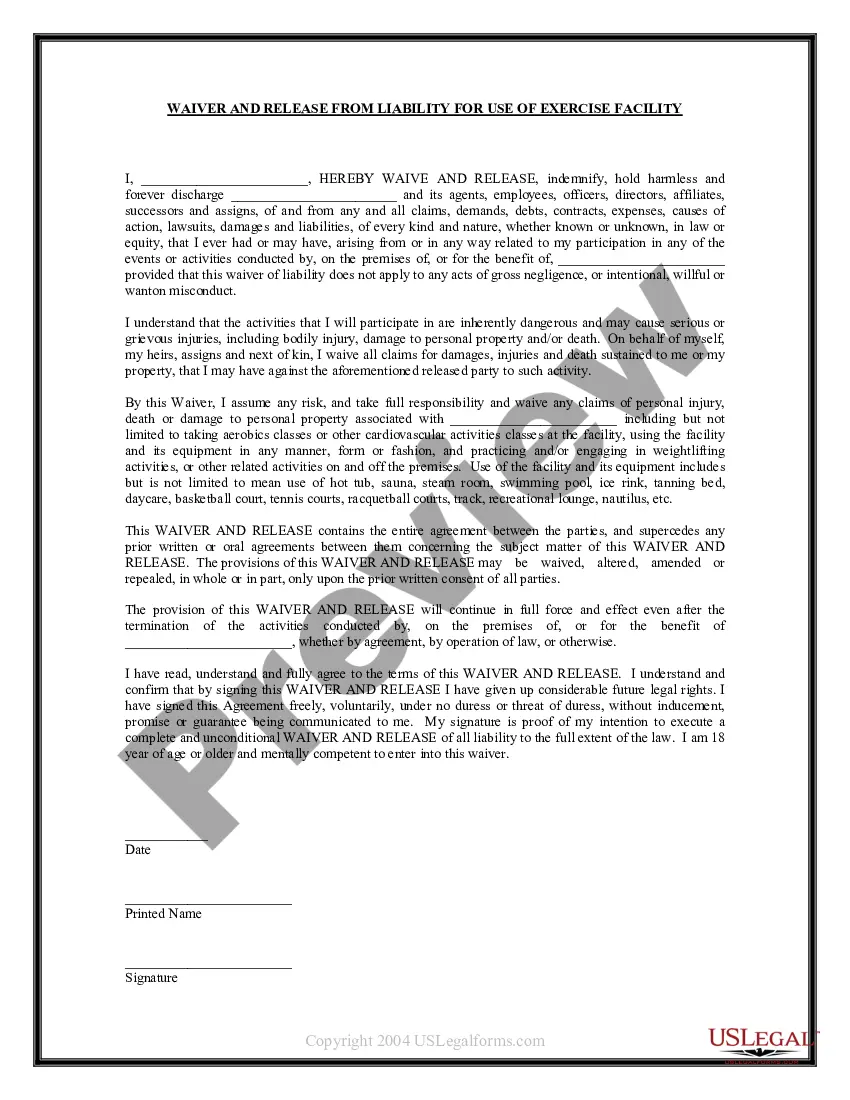
Get your form ready online
Our built-in tools help you complete, sign, share, and store your documents in one place.
Make edits, fill in missing information, and update formatting in US Legal Forms—just like you would in MS Word.
Download a copy, print it, send it by email, or mail it via USPS—whatever works best for your next step.
Sign and collect signatures with our SignNow integration. Send to multiple recipients, set reminders, and more. Go Premium to unlock E-Sign.
If this form requires notarization, complete it online through a secure video call—no need to meet a notary in person or wait for an appointment.
We protect your documents and personal data by following strict security and privacy standards.

Make edits, fill in missing information, and update formatting in US Legal Forms—just like you would in MS Word.

Download a copy, print it, send it by email, or mail it via USPS—whatever works best for your next step.

Sign and collect signatures with our SignNow integration. Send to multiple recipients, set reminders, and more. Go Premium to unlock E-Sign.

If this form requires notarization, complete it online through a secure video call—no need to meet a notary in person or wait for an appointment.

We protect your documents and personal data by following strict security and privacy standards.
Looking for another form?
Form popularity
FAQ
Examples of waivers include the waiving of parental rights, waiving liability, tangible goods waivers, and waivers for grounds of inadmissibility. Waivers are common when finalizing lawsuits, as one party does not want the other pursuing them after a settlement is transferred.
Inherent Risks. First, you want to declare the risks inherent in the activity. Release Clause. After that, you need a release clause in the waiver. Forum Selection Or Venue Clause. Successors And Assigns. Make The Liability Waiver A Standalone Document.
How to write a waiver Introductory statement. The introductory statement of a waiver serves to clarify its purpose and the parties involved. Summary of risks. Assumption of risks. Release clause. Indemnification clause. Governing law. Consent and signature.
Key Takeaways On How To Write A Waiver Choose a waiver template. Determine the type of activity or service. State the purpose of the waiver. Identify the risks. Include a title. Include customer information. Include waiver terms. Include a statement of understanding.
It may be difficult to enforce waivers that do not mention all possible risks, use vague or unclear language, or violate local regulations. This is why working with a lawyer is so important when writing the waiver.
The three essential elements of a valid waiver are: (a) existence of a right; (b) the knowledge of the existence thereof; and, (c) an intention to relinquish such right.
The waiver should: List the names and addresses of the parties. Give the date of the agreement and how long it is in effect for. List the location of the event or activity. Describe the activity or event the customer is going to participate in. List the possible risks and injuries.
I hereby forever release, waive, relinquish, and discharge the Company and all Releasees from any and all claims, demands, liabilities, rights, damages, expenses, and causes of action of whatever kind or nature, and other losses of any kind, whether known or unknown, foreseen or unforeseen, as a result of my ...
In some cases, you may learn that you do not need to sign the waiver to participate. If that is the case, do not sign anything. Never sign a waiver after an accident. If you do sign a waiver, always keep a copy of the waiver in safe place where you can access it now or in the future if needed.
