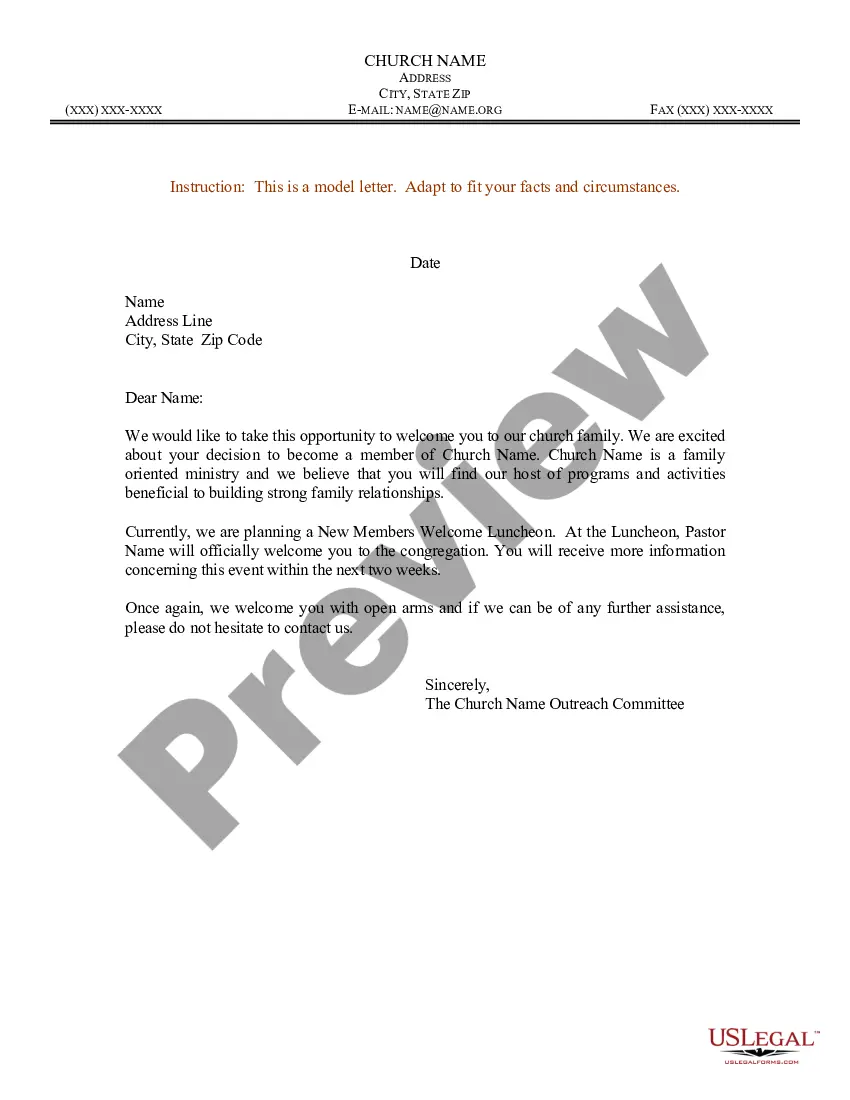
Personal Injury Release Agreement With Tenant In Riverside
Description

Get your form ready online
Our built-in tools help you complete, sign, share, and store your documents in one place.
Make edits, fill in missing information, and update formatting in US Legal Forms—just like you would in MS Word.
Download a copy, print it, send it by email, or mail it via USPS—whatever works best for your next step.
Sign and collect signatures with our SignNow integration. Send to multiple recipients, set reminders, and more. Go Premium to unlock E-Sign.
If this form requires notarization, complete it online through a secure video call—no need to meet a notary in person or wait for an appointment.
We protect your documents and personal data by following strict security and privacy standards.

Make edits, fill in missing information, and update formatting in US Legal Forms—just like you would in MS Word.

Download a copy, print it, send it by email, or mail it via USPS—whatever works best for your next step.

Sign and collect signatures with our SignNow integration. Send to multiple recipients, set reminders, and more. Go Premium to unlock E-Sign.

If this form requires notarization, complete it online through a secure video call—no need to meet a notary in person or wait for an appointment.

We protect your documents and personal data by following strict security and privacy standards.
Looking for another form?
Form popularity
FAQ
Here is how the personal injury claim process works: Complete Your Medical Treatment. Submit Demand Package. Settlement of Claim. Compromise of Liens. Statute of Limitations. Lawsuit in Court. Mandatory Arbitration. Trial and Judgment. A court case can be settled at any stage by voluntary agreement of the parties.
An injury claim is handled in the California civil court system if it's not work-related and if the damages total more than $10,000. Step 1: Establish legal standing. Step 2: Hire a lawyer. Step 3: Determine the venue for your lawsuit. Step 4: File your claim within the statute of limitations. Step 5: File your complaint.
The Most Common Types of Personal Injury Cases Car Accidents. Motorcycle Accidents. Truck Accidents. Uber & Lyft Accidents. Pedestrian Accidents. Wrongful Deaths. Slip & Fall Accidents. Animal Bites and Attacks.
Personal injury refers to any harm or injury caused to a person's body, mind, or emotions due to someone else's negligence or intentional wrongdoing. In California, personal injury law allows victims to seek compensation if they can prove that another party was at fault.
In most cases, before you file your case, you must give your tenant a written notice. After you have given notice and you are ready to file a case, you will file a complaint with the court. If the defendant did not file an answer and they are still in the property, you can ask the judge to enter a Default Judgment.
Remember, you can only make a claim against your landlord if their negligence caused your injuries or illness. For example, you may be eligible to make a tenant injury claim if your landlord: Failed to carry out mandatory safety checks at the right time (gas, electric, fire etc).
In California, you have two years from the date of your injury to file a personal injury lawsuit. This two-year rule is called the statute of limitations, and it applies to most injury cases, whether from car accidents, slips and falls, or other incidents caused by negligence.
Remember that as a tenant, you are typically responsible for returning the property in the same condition you received it. If you do decide to paint without permission, consider keeping the original paint colors and consulting with your landlord about the color choices.
In California, normal wear and tear refers to the natural aging of a property caused by regular use. Think of it as the natural aging process of a rental unit that happens regardless of how careful a tenant is. These are expected and unavoidable effects of living in a space over time.
In California, tenants are responsible for cleaning the unit before moving in, removing their property from the unit, providing 30 days written notice before moving out, and paying rent up to and including the 30 days' notice.