Bodily Injury Release Form Florida In Orange
Description

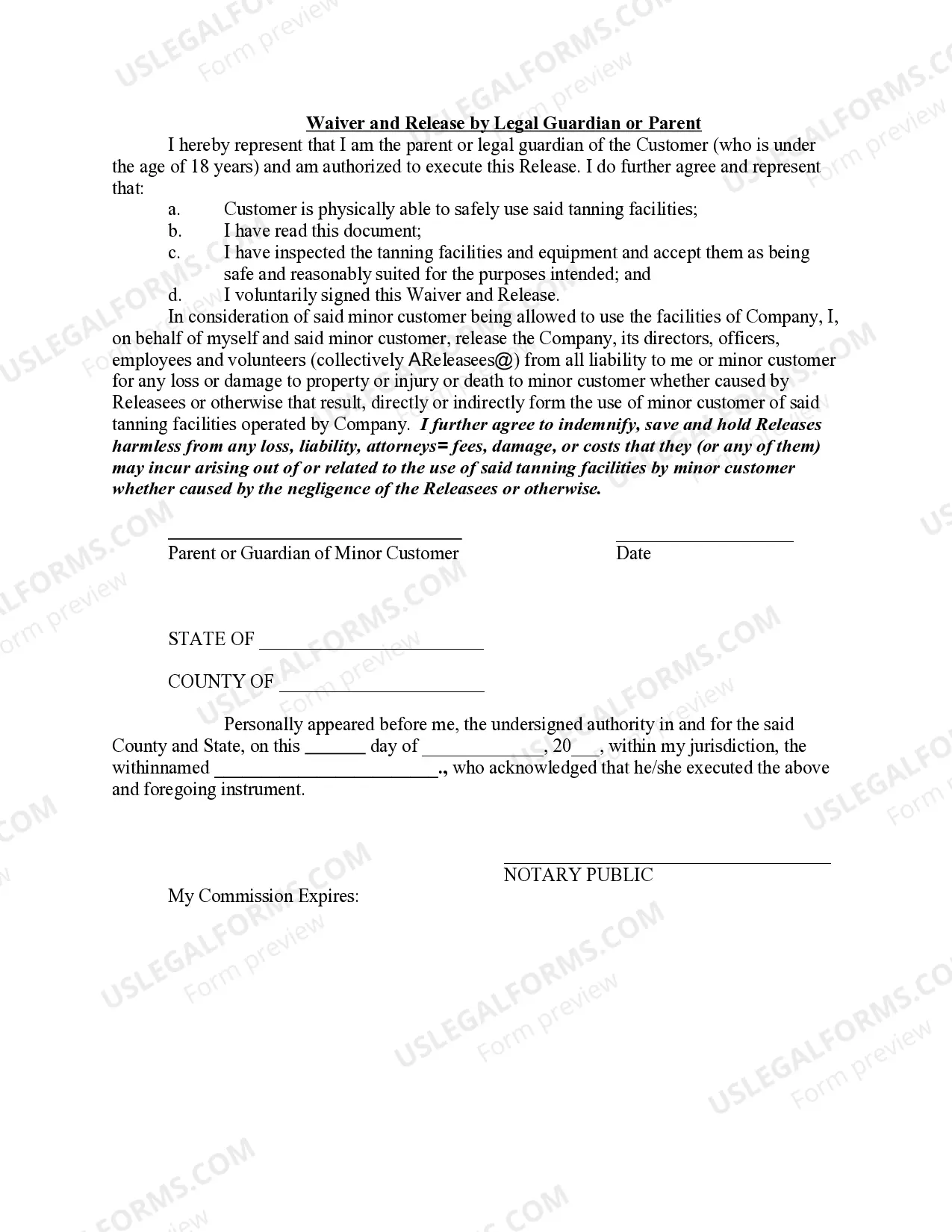
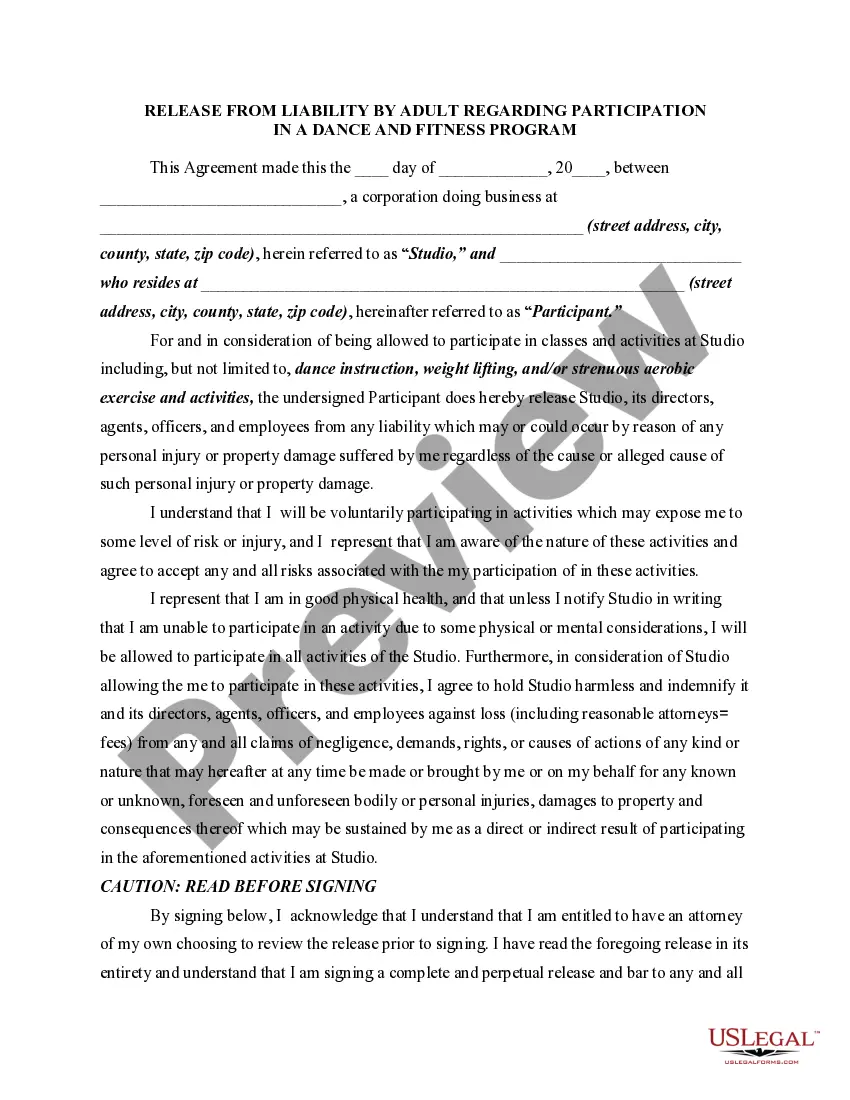
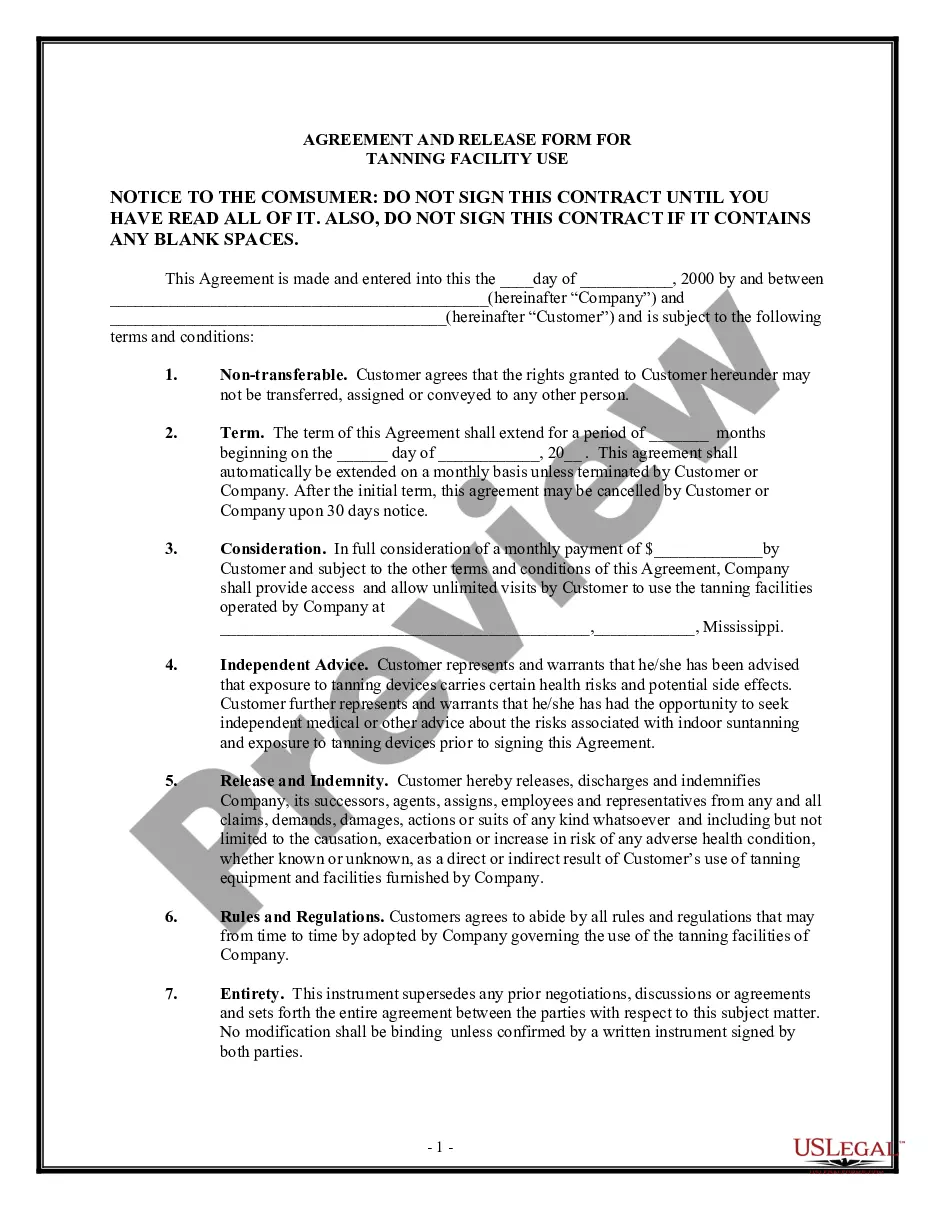
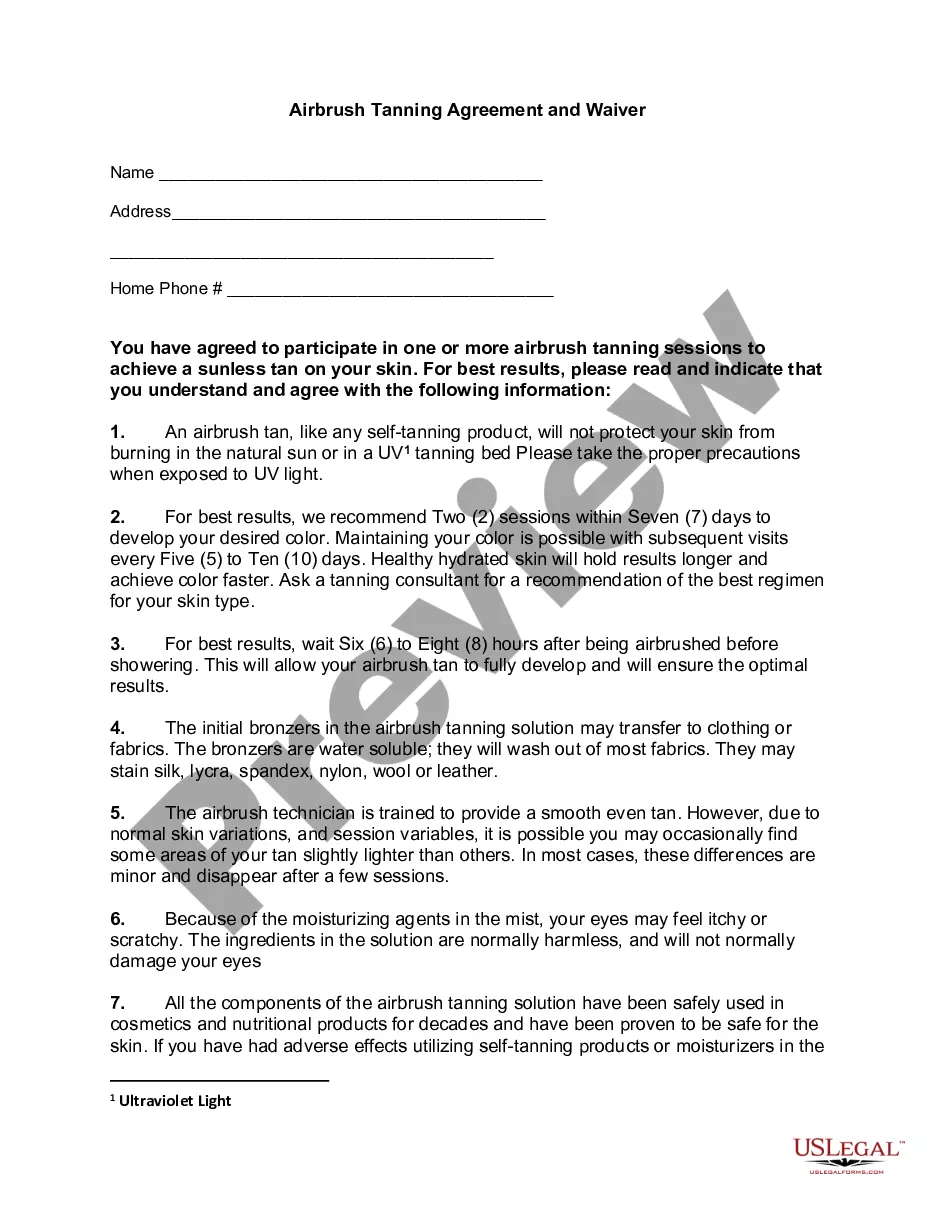
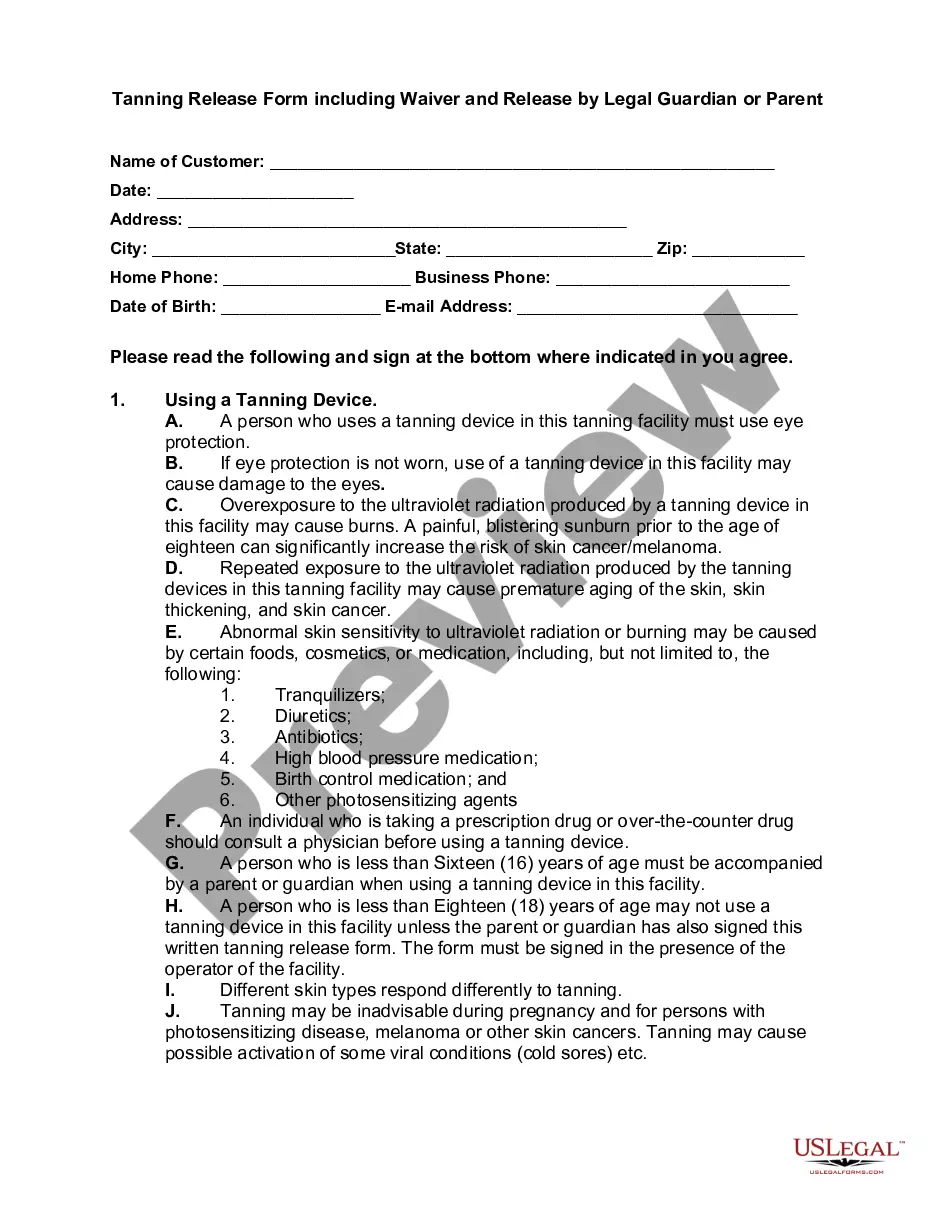
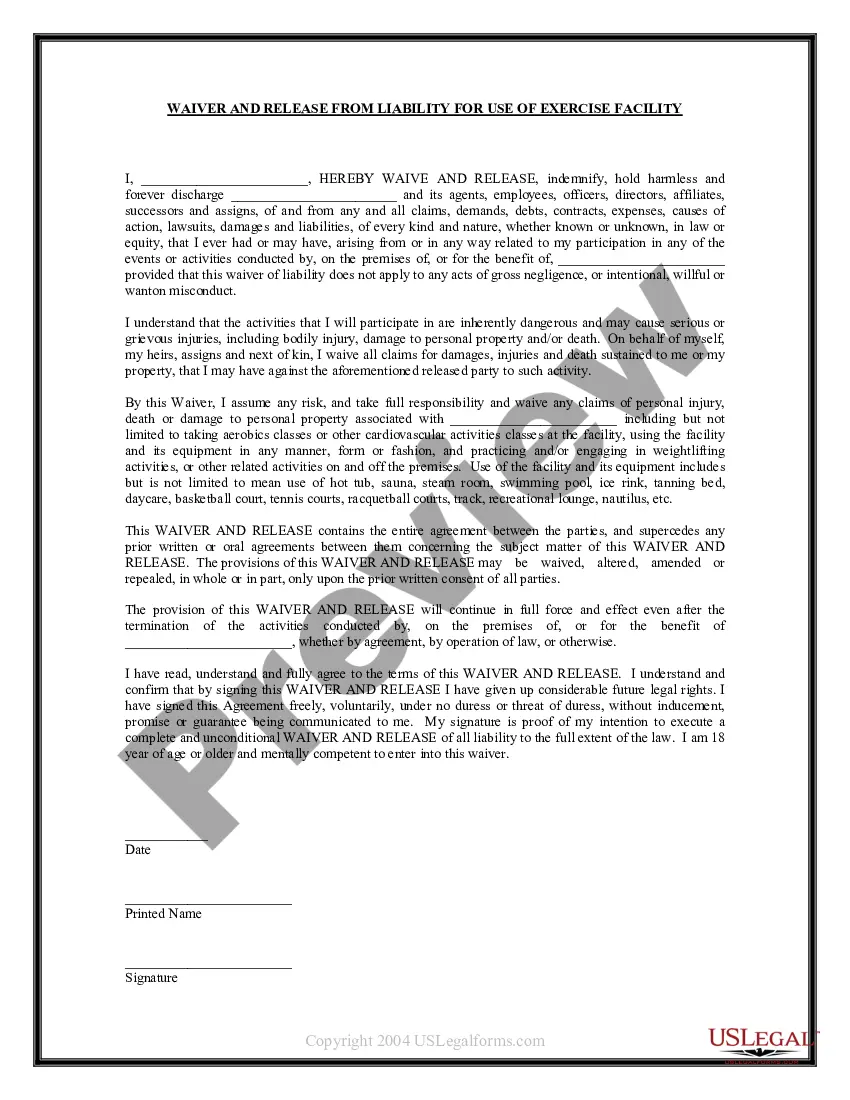
Get your form ready online
Our built-in tools help you complete, sign, share, and store your documents in one place.
Make edits, fill in missing information, and update formatting in US Legal Forms—just like you would in MS Word.
Download a copy, print it, send it by email, or mail it via USPS—whatever works best for your next step.
Sign and collect signatures with our SignNow integration. Send to multiple recipients, set reminders, and more. Go Premium to unlock E-Sign.
If this form requires notarization, complete it online through a secure video call—no need to meet a notary in person or wait for an appointment.
We protect your documents and personal data by following strict security and privacy standards.

Make edits, fill in missing information, and update formatting in US Legal Forms—just like you would in MS Word.

Download a copy, print it, send it by email, or mail it via USPS—whatever works best for your next step.

Sign and collect signatures with our SignNow integration. Send to multiple recipients, set reminders, and more. Go Premium to unlock E-Sign.

If this form requires notarization, complete it online through a secure video call—no need to meet a notary in person or wait for an appointment.

We protect your documents and personal data by following strict security and privacy standards.
Looking for another form?





Form popularity
FAQ
10 best practices for writing a personal injury demand letter Thoroughly review the case. Start with a clear introduction. Detail the facts of the case. Document injuries and treatment. Include economic damages. Outline Non-Economic Damages. Be specific in your demand for compensation. Use persuasive language.
It entails totaling your economic damages and multiplying them by a variable. Typically ranging from 1.5 to 5, higher variables are assigned to more severe cases. For instance, if you incurred $100,000 in economic damages and a 1.5 variable is applied, your pain and suffering damages would amount to $150,000.
In short, an injury release form releases the other party from paying any more compensation or accepting further claims relating to your injury. If you are facing any type of personal injury matter, these forms will likely be a component of it. However, it is critical to sign them with the support of an attorney.
In personal injury cases, it is critical to understand every document you sign before you do so, including an injury release form. An injury release form is a statement that says that the claim is resolved and that the insurance company or the at-fault party has no further obligation to you.
The Release of All Claims Form typically consists of specific details of the incident, including: Names and contact information of all parties involved. Description of the incident or dispute. Settlement amount, if applicable. Date and location of the event leading to the claim. Signatures of the Releasor and Releasee.
A bodily injury is a physical injury to a person. broken bones, nerve damage, pain, brain damage, and.
A bodily injury is a physical injury to a person. broken bones, nerve damage, pain, brain damage, and.
As a general rule, the prosecution for a capital felony, a life felony, or a felony that resulted in death does not have a statute of limitations.
Florida is a no-fault state ing to Florida Statue 95.11, which means that no matter who is at fault for the car accident, both drivers deal with the claims through their insurance companies.
Florida Statutes Section 95.11(4) requires that most personal injury cases are filed within two years of the date of the incident. This time limit applies to cases involving the following: Slips and falls. Car accidents.
