Personal Injury Release Form Template In Minnesota
Description

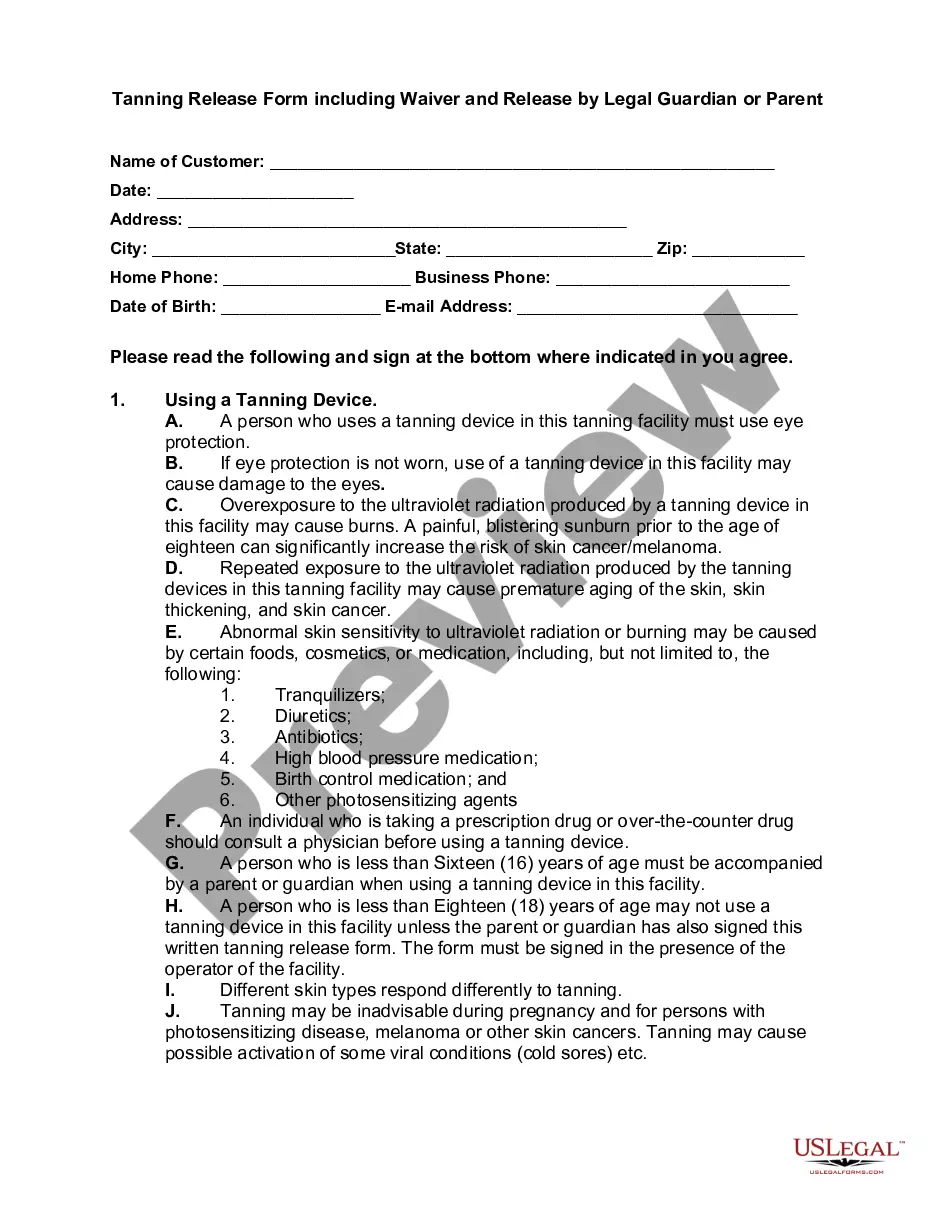
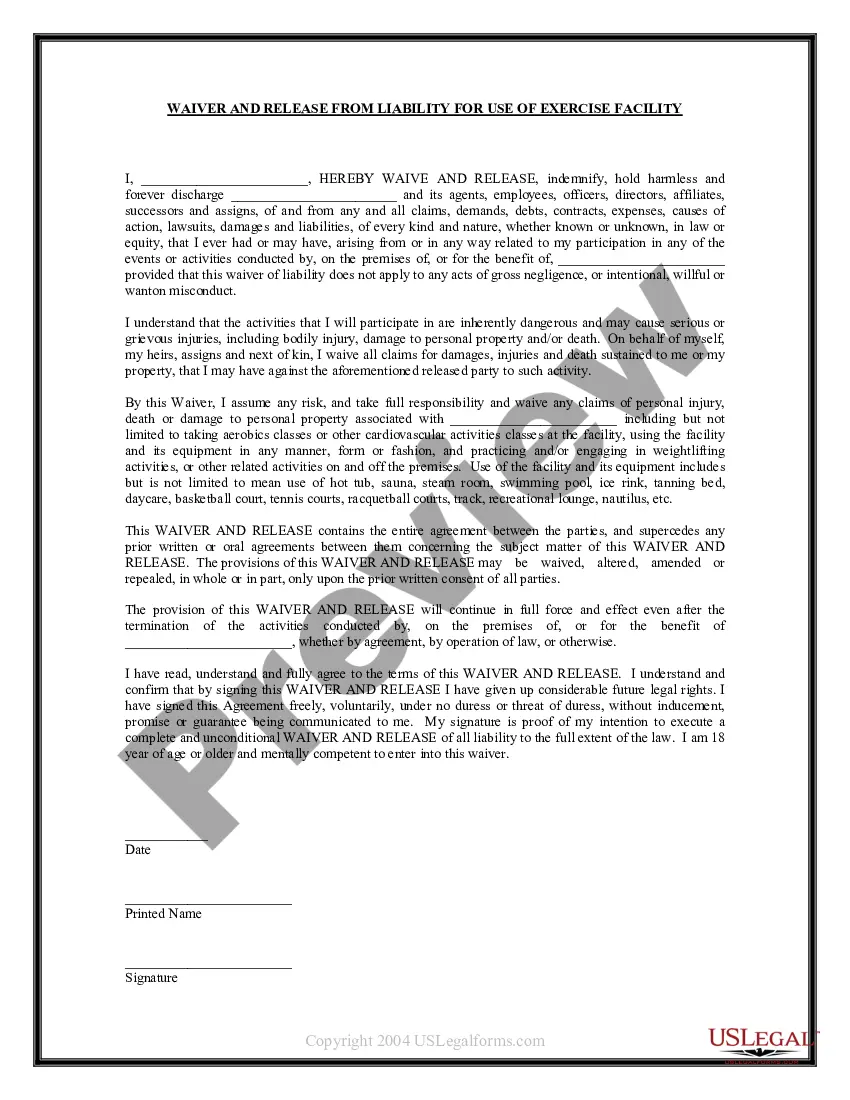
Get your form ready online
Our built-in tools help you complete, sign, share, and store your documents in one place.
Make edits, fill in missing information, and update formatting in US Legal Forms—just like you would in MS Word.
Download a copy, print it, send it by email, or mail it via USPS—whatever works best for your next step.
Sign and collect signatures with our SignNow integration. Send to multiple recipients, set reminders, and more. Go Premium to unlock E-Sign.
If this form requires notarization, complete it online through a secure video call—no need to meet a notary in person or wait for an appointment.
We protect your documents and personal data by following strict security and privacy standards.

Make edits, fill in missing information, and update formatting in US Legal Forms—just like you would in MS Word.

Download a copy, print it, send it by email, or mail it via USPS—whatever works best for your next step.

Sign and collect signatures with our SignNow integration. Send to multiple recipients, set reminders, and more. Go Premium to unlock E-Sign.

If this form requires notarization, complete it online through a secure video call—no need to meet a notary in person or wait for an appointment.

We protect your documents and personal data by following strict security and privacy standards.
Looking for another form?




Form popularity
FAQ
A release of liability or waiver is a legal document that a person signs to acknowledge the risks involved in a particular activity and to not hold the organization or individual for any harm that might arise.
It may be difficult to enforce waivers that do not mention all possible risks, use vague or unclear language, or violate local regulations. This is why working with a lawyer is so important when writing the waiver.
To build a waiver of liability: Choose a waiver template. Determine the type of activity or service. State the purpose of the waiver. Identify the risks. Include a title. Include customer information. Include waiver terms. Include a statement of understanding.
Yes, you can write your own liability waiver. However, you must make sure it meets legal standards to be enforceable. It must use clear, specific language that explains the risks involved and protects against legal claims. It must also comply with the laws in your state, as these can vary widely.
A A letter on the company/institution's letterhead signed by the employer, citing the requirements to be waived and a motivation for each requirement. A copy of the applicant's curriculum vitae & job description. A readable copy of the applicant's passport and all temporary residence permits affixed therein.
A liability waiver form is a legal contract that educates one party about the risks associated with an activity. Once signed, it prevents the participant from opening a lawsuit against the company in the event of damage or loss, effectively shifting responsibility for injuries from the company to the customer.
Formsite specializes in making online forms easy. Whether you need a waiver form to avoid unnecessary legal claims or one of the hundreds of other forms we offer, you will find exactly what you need.
In most cases, you have six years from the date of an accident to file a personal injury lawsuit in Minnesota. If you miss the filing deadline set by the statute of limitations, your case will most likely be dismissed in court.
If you go on a school trip, your mom might sign a waiver saying that the school is not responsible if you get hurt on the trip. When you sign a waiver, you're voluntarily giving up a privilege or legal right. A waiver is often required before you participate in something dangerous.
The process of creating a waiver should be taken seriously. Waivers are legal documents that list specific terms for your participants to agree to, so it's crucial that they are complete and legally sound. Professional help from a lawyer is strongly recommended any time you are working with legal documents.
