Agreement Personal Injury Sample With Settlement Agreement In Maricopa
Description

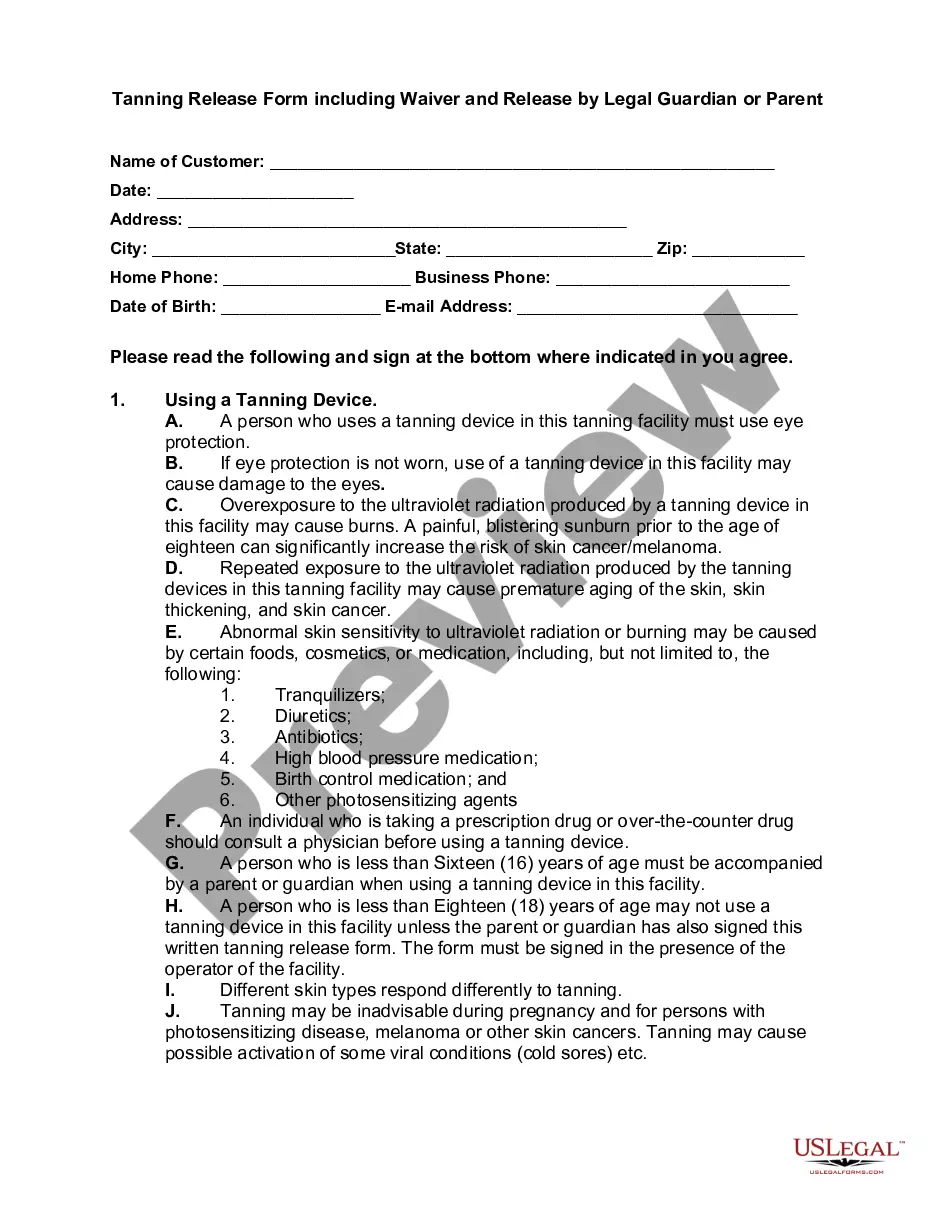
Get your form ready online
Our built-in tools help you complete, sign, share, and store your documents in one place.
Make edits, fill in missing information, and update formatting in US Legal Forms—just like you would in MS Word.
Download a copy, print it, send it by email, or mail it via USPS—whatever works best for your next step.
Sign and collect signatures with our SignNow integration. Send to multiple recipients, set reminders, and more. Go Premium to unlock E-Sign.
If this form requires notarization, complete it online through a secure video call—no need to meet a notary in person or wait for an appointment.
We protect your documents and personal data by following strict security and privacy standards.

Make edits, fill in missing information, and update formatting in US Legal Forms—just like you would in MS Word.

Download a copy, print it, send it by email, or mail it via USPS—whatever works best for your next step.

Sign and collect signatures with our SignNow integration. Send to multiple recipients, set reminders, and more. Go Premium to unlock E-Sign.

If this form requires notarization, complete it online through a secure video call—no need to meet a notary in person or wait for an appointment.

We protect your documents and personal data by following strict security and privacy standards.
Looking for another form?








Form popularity
FAQ
The plaintiff files a document (complaint) with the clerk of the court stating the reasons why the plaintiff is suing the defendant, and what action the plaintiff wants the court to take. A copy of the complaint and a summons are delivered to (served on) the defendant.
Under Arizona law, you are also required to file a claim with the state agency before you can file a lawsuit. The state only gives you 180 days to file your claim. You must also make sure that your claim is served upon a person in the agency who is actually authorized to accept the notice of the claim.
Arizona does not have a limit on how much compensation you can receive through a personal injury settlement, as Arizona lawmakers ruled damage caps unconstitutional. Fortunately, Arizona is one of only a few states that prohibit caps on recoverable damages.
A plaintiff representing herself may obtain and fill out a prepared Complaint form from the Clerk of the Court at the courthouse or online at each county court website or by visiting . The Complaint must be filed with the Clerk of the appropriate court.
Every county in Arizona has at least two justice courts. The justice courts have exclusive authority to hear cases in which the amount in controversy is $10,000 or less. Cases in which the amount in controversy is greater than $10,000 must be filed in the superior court.
The court shall enter a scheduling order that sets the date for the conference, a deadline for furnishing memoranda, and other matters appropriate in the circumstances of the case. A schedule shall not be modified except by leave of court upon a showing of good cause. c. Settlement Conference Memoranda.
How long do I have to serve the Defendant? Generally, your Summons and Complaint must be served within 90 days after you file the Complaint. (ARCP 4(i)) If you fail to serve the Defendants within 90 days, your Complaint will be dismissed.
A settlement conference is a pre-trial meeting between parties with their attorneys (if parties are represented) and a judicial officer/judge pro tempore acting as a neutral facilitator, who evaluates the strengths and weaknesses of their case and assists them in reaching agreement.
In the Rule 11 process, the Court orders two Mental Health Experts to meet with the defendant, conduct competency evaluations, review records, and render opinions on the legal competency status of the defendant in reports submitted to the Court.
(1) The Clerk of the Superior Court shall distribute a notice to the attorney(s) of record in the case, or if none, to the parties, advising them that the attorney or party introducing the exhibit may obtain it from the Clerk of the Superior Court within sixty (60) days.
