Personal Injury Release With A Pre-existing Condition In Illinois
Description

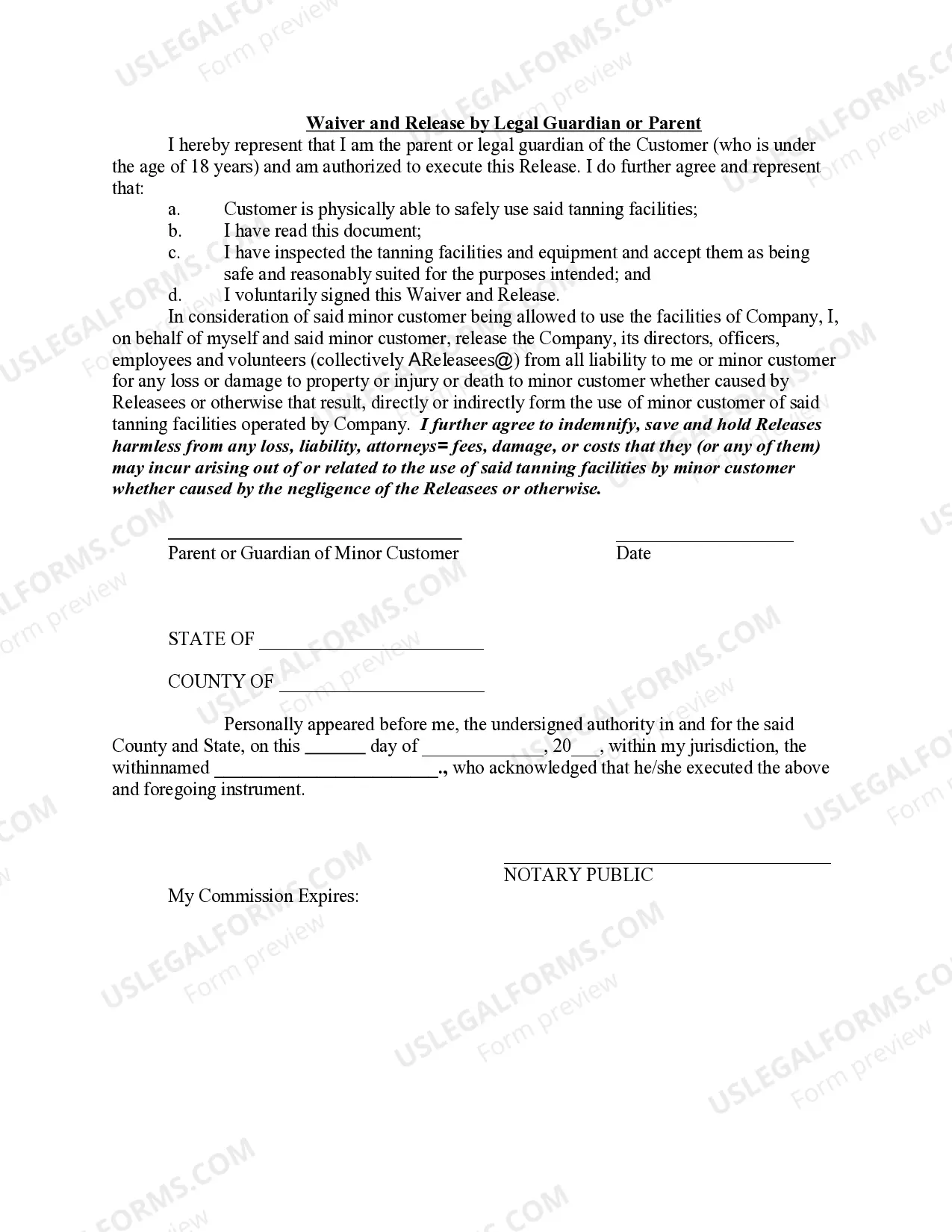
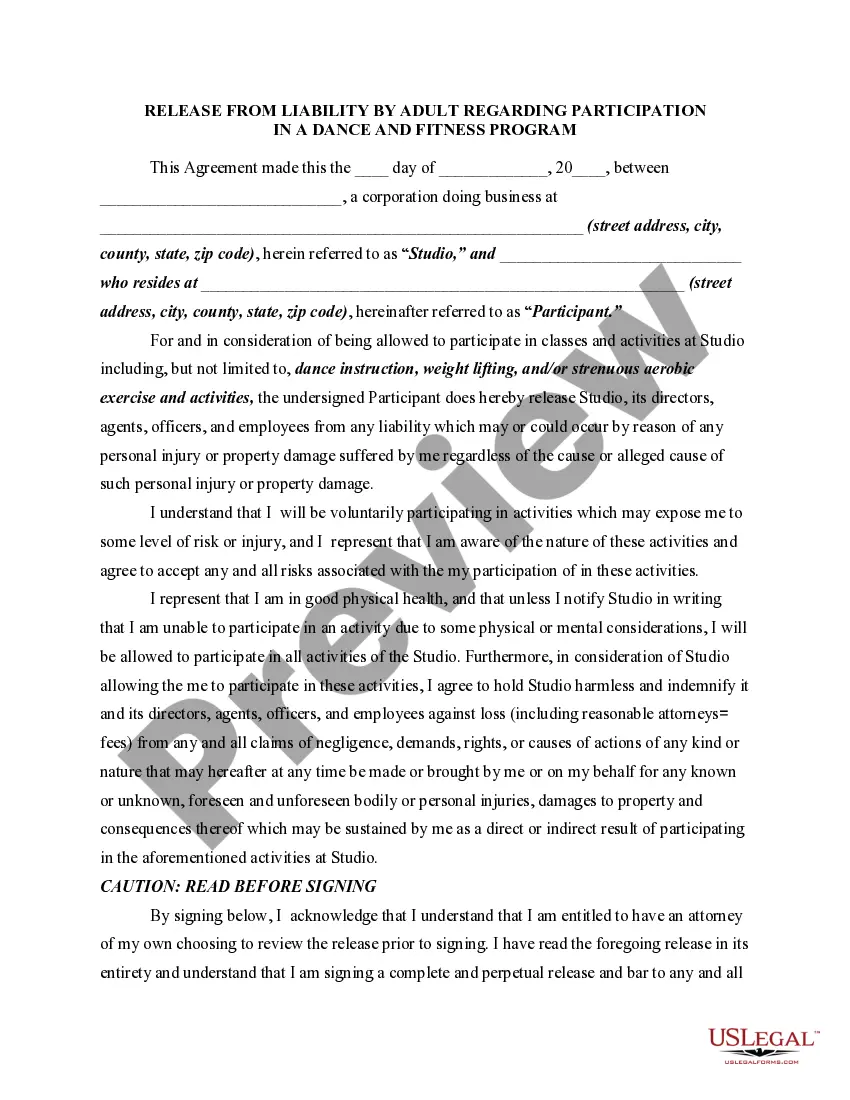
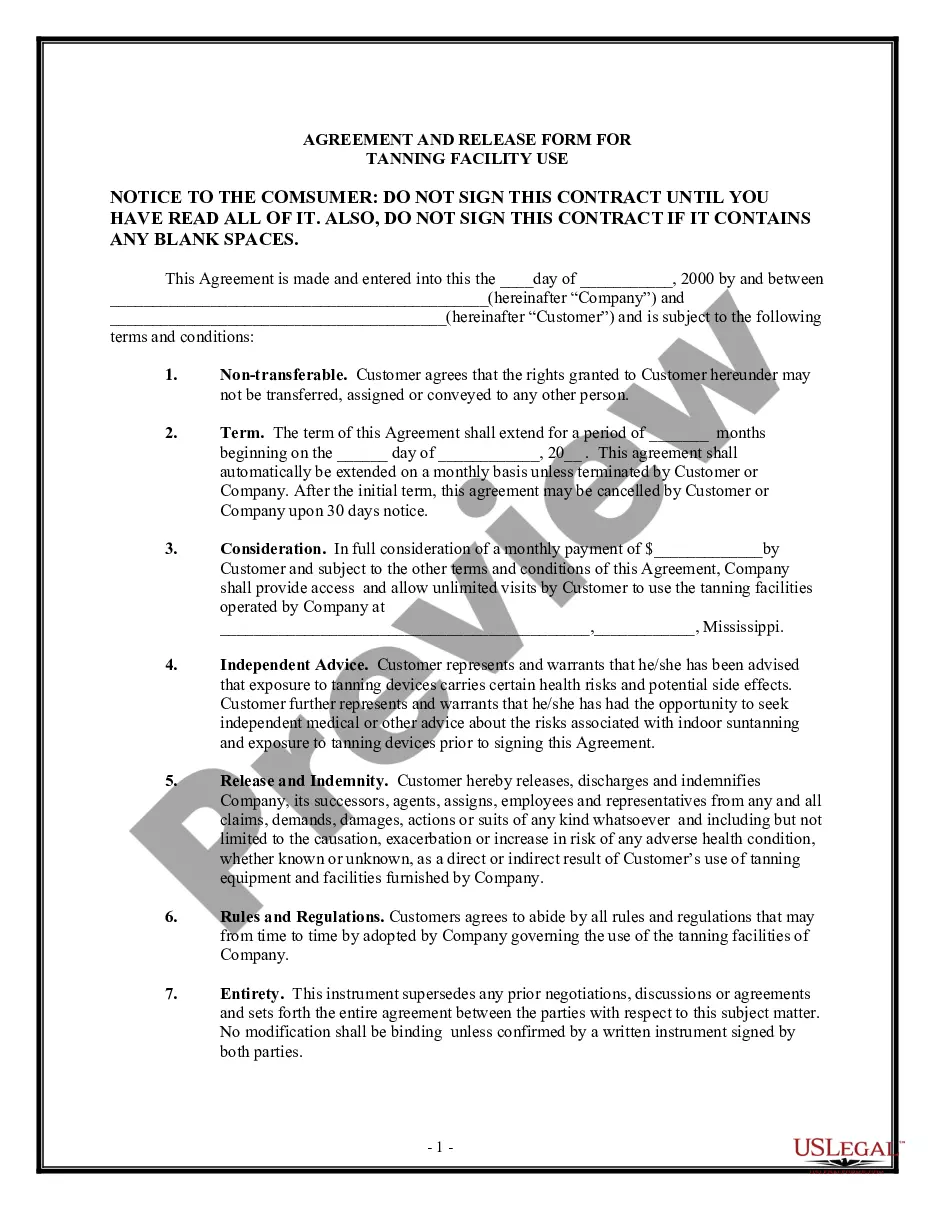
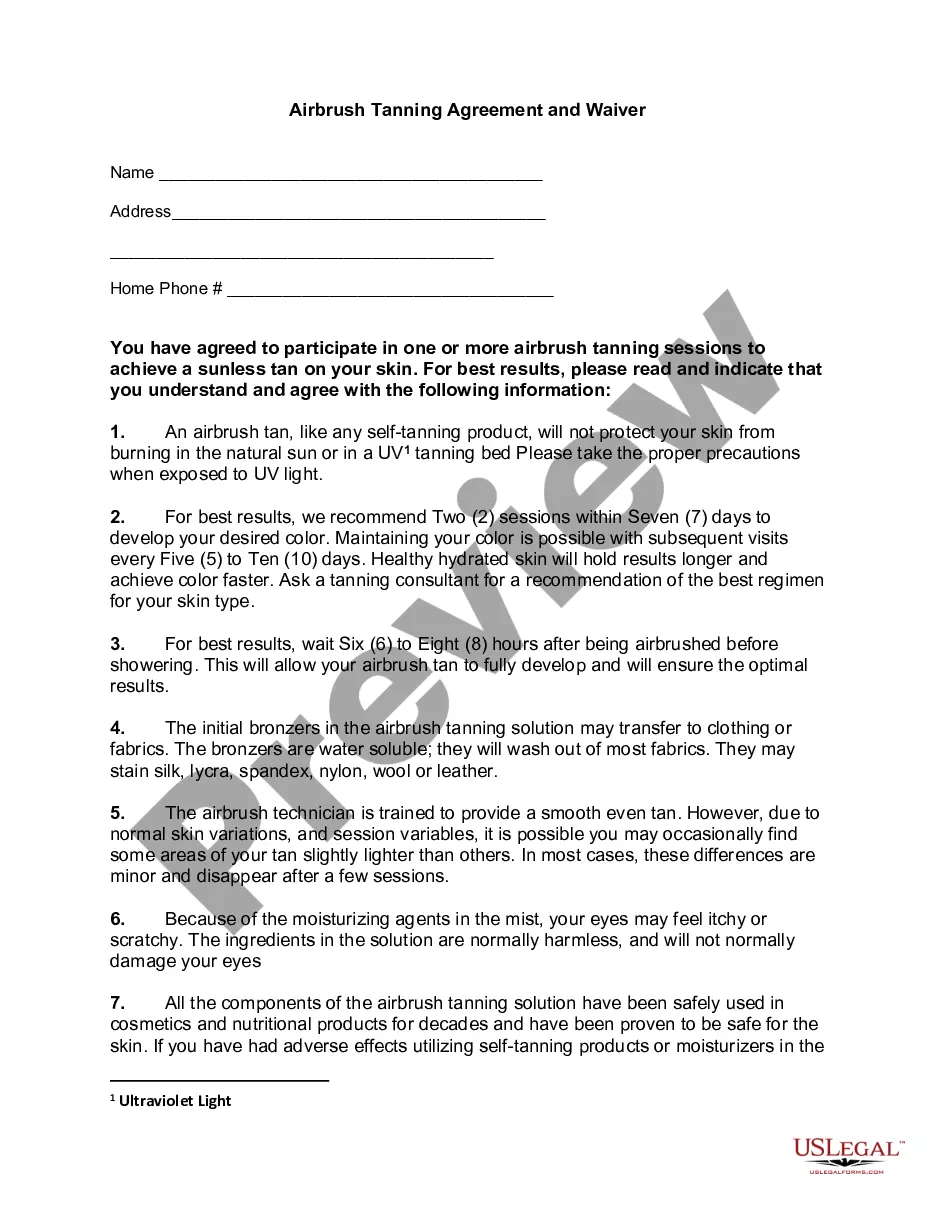
Get your form ready online
Our built-in tools help you complete, sign, share, and store your documents in one place.
Make edits, fill in missing information, and update formatting in US Legal Forms—just like you would in MS Word.
Download a copy, print it, send it by email, or mail it via USPS—whatever works best for your next step.
Sign and collect signatures with our SignNow integration. Send to multiple recipients, set reminders, and more. Go Premium to unlock E-Sign.
If this form requires notarization, complete it online through a secure video call—no need to meet a notary in person or wait for an appointment.
We protect your documents and personal data by following strict security and privacy standards.

Make edits, fill in missing information, and update formatting in US Legal Forms—just like you would in MS Word.

Download a copy, print it, send it by email, or mail it via USPS—whatever works best for your next step.

Sign and collect signatures with our SignNow integration. Send to multiple recipients, set reminders, and more. Go Premium to unlock E-Sign.

If this form requires notarization, complete it online through a secure video call—no need to meet a notary in person or wait for an appointment.

We protect your documents and personal data by following strict security and privacy standards.
Looking for another form?










Form popularity
FAQ
How Long Do You Have to File a Personal Injury Suit in Illinois? The statute of limitations on personal injury in Illinois is 2 years. That means that victims have 2 years from the time of an incident to file a lawsuit.
While some injuries may heal relatively quickly, others can leave individuals with chronic pain, limited mobility, or even permanent disabilities. These long-term effects can impact every aspect of a person's life, from their ability to work and engage in everyday activities to their overall quality of life.
Aggravation of pre-existing condition or disability: We must show that the negligent act and resulting injury had a worsening effect on the pre-existing condition, made the pre-existing condition symptomatic or more difficult to treat.
existing condition is any health issue or injury you had before the accident, such as a previous back injury or chronic conditions like arthritis. Even though these issues existed prior to the crash, if the accident worsens or aggravates them, you may still be eligible for compensation.
If you have sustained more than one injury due to the same party's negligence or actions, you may be able to make a claim for compensation.
You should get legal advice urgently if you want to claim compensation. The most common claim in a personal injury case is negligence and the time limit for this is 3 years. This means that court proceedings must be issued within 3 years of you first being aware that you have suffered an injury.
Illinois law allows for some latitude in the statute of limitations on personal injury actions through what is commonly known as the "discovery rule." The discovery rule allows the statute of limitations to be extended from the time of the injury to the time of the discovery of the injury.
Persons or entities so named as respondents in discovery shall be required to respond to discovery by the plaintiff in the same manner as are defendants and may, on motion of the plaintiff, be added as defendants if the evidence discloses the existence of probable cause for such action.
Illinois law allows for some latitude in the statute of limitations on personal injury actions through what is commonly known as the "discovery rule." The discovery rule allows the statute of limitations to be extended from the time of the injury to the time of the discovery of the injury.
existing condition is any health issue or injury you had before the accident, such as a previous back injury or chronic conditions like arthritis. Even though these issues existed prior to the crash, if the accident worsens or aggravates them, you may still be eligible for compensation.
