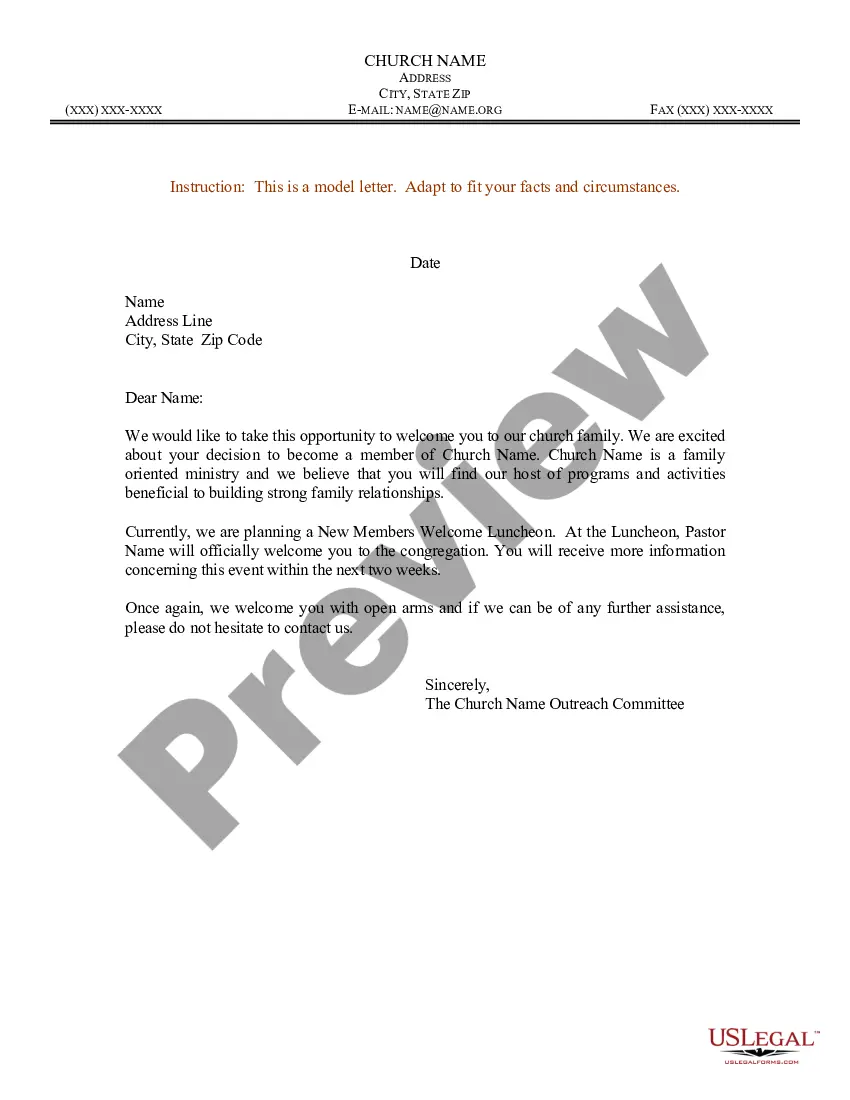
Personal Injury Release Agreement With Tenant In Florida
Description

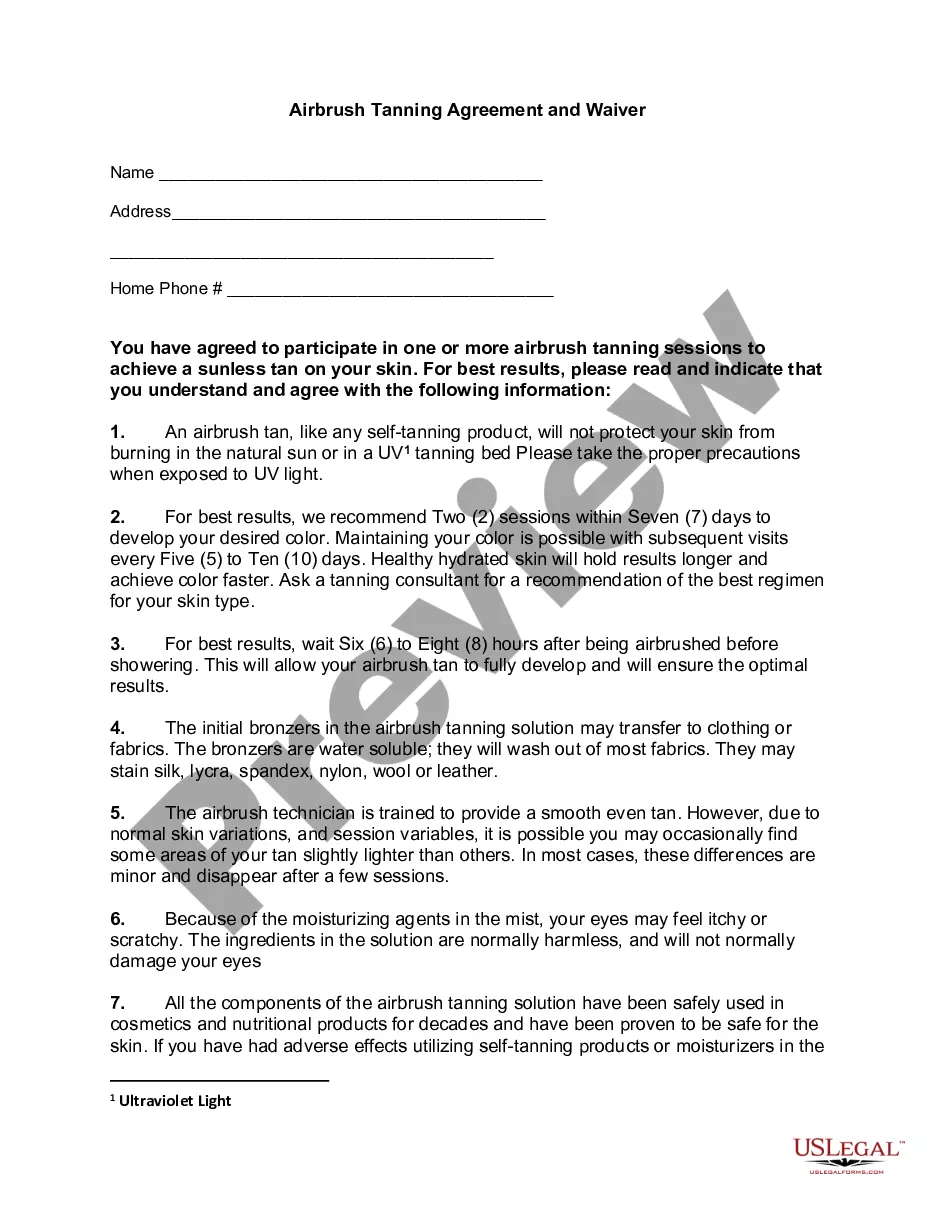
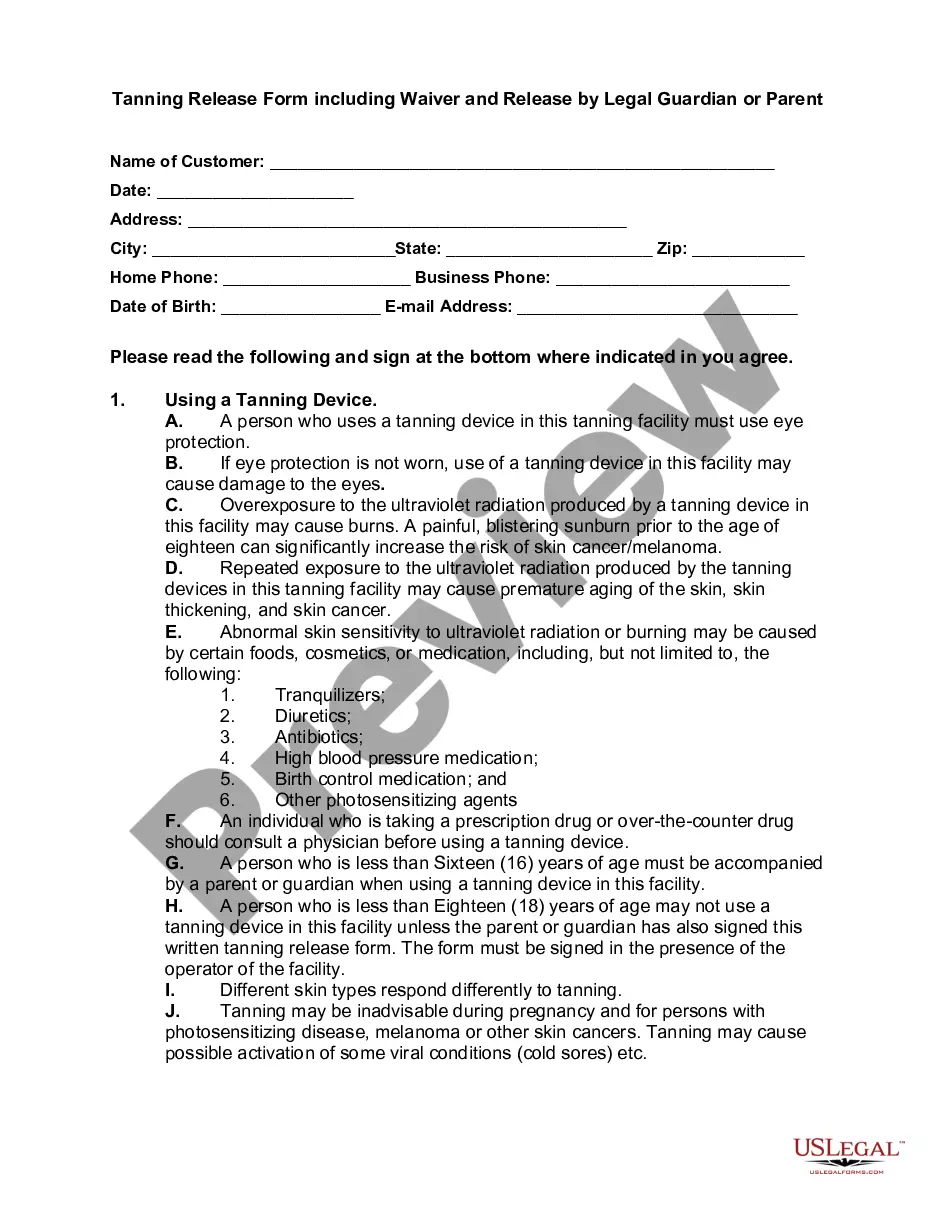
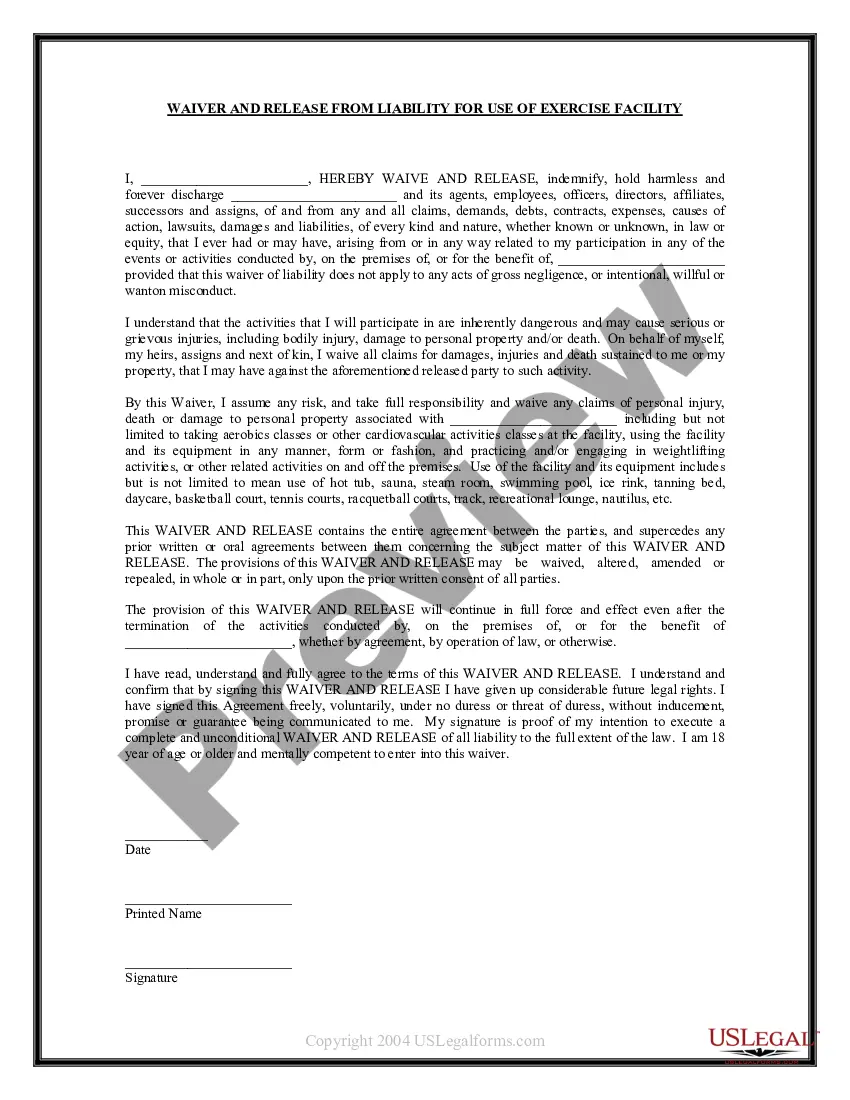
Get your form ready online
Our built-in tools help you complete, sign, share, and store your documents in one place.
Make edits, fill in missing information, and update formatting in US Legal Forms—just like you would in MS Word.
Download a copy, print it, send it by email, or mail it via USPS—whatever works best for your next step.
Sign and collect signatures with our SignNow integration. Send to multiple recipients, set reminders, and more. Go Premium to unlock E-Sign.
If this form requires notarization, complete it online through a secure video call—no need to meet a notary in person or wait for an appointment.
We protect your documents and personal data by following strict security and privacy standards.

Make edits, fill in missing information, and update formatting in US Legal Forms—just like you would in MS Word.

Download a copy, print it, send it by email, or mail it via USPS—whatever works best for your next step.

Sign and collect signatures with our SignNow integration. Send to multiple recipients, set reminders, and more. Go Premium to unlock E-Sign.

If this form requires notarization, complete it online through a secure video call—no need to meet a notary in person or wait for an appointment.

We protect your documents and personal data by following strict security and privacy standards.
Looking for another form?


Form popularity
FAQ
Exculpatory Clauses Hold harmless agreements are generally enforceable, and Florida courts do recognize them as being legally binding.
To be valid and enforceable, liability waivers in Florida must contain language that is clearly written, unequivocal, unambiguous and specific on the risks and rights being waived by the signee.
In Florida, waivers of liability for negligence (personal injury) are enforced as long as they meet certain criteria. Consistent with Florida case law (Theis v. J&J Racing Promotions(1990) and Gilette v. All Pro Sports, LLC (2014)), valid waivers must be: a) clear; b) unambiguous; c) unequivocal; and d) specific.
In March 2023, Florida passed H.B. 837. Governor Ron DeSantis signed the bill into law. This new law reduced the statute of limitations from four years to two years for cases based on negligence. The law affects the filing deadline for accidents that occurred after the effective date of March 24, 2023.
A waiver does not automatically mean you lose your legal rights. Some waivers are not enforceable. Waivers may not excuse all types of negligence. For example, if your state does not recognize broad liability waivers, you may still be able to file a personal injury lawsuit.
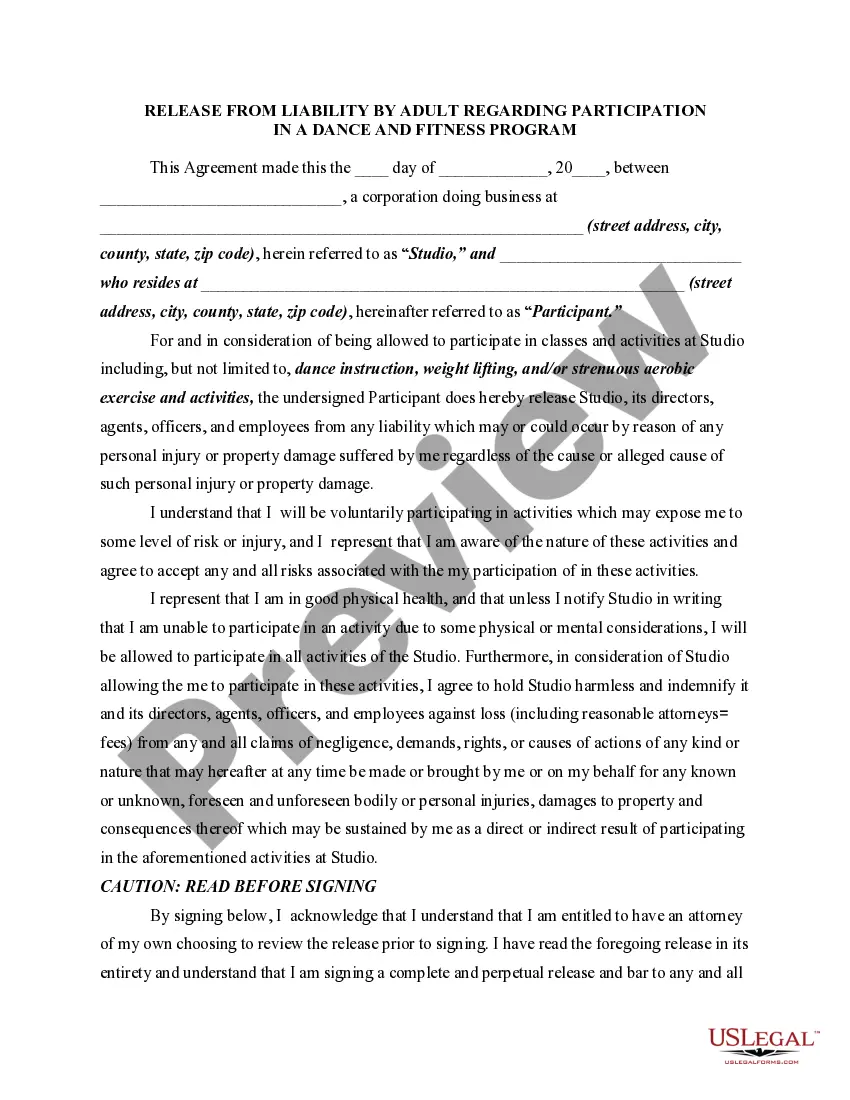
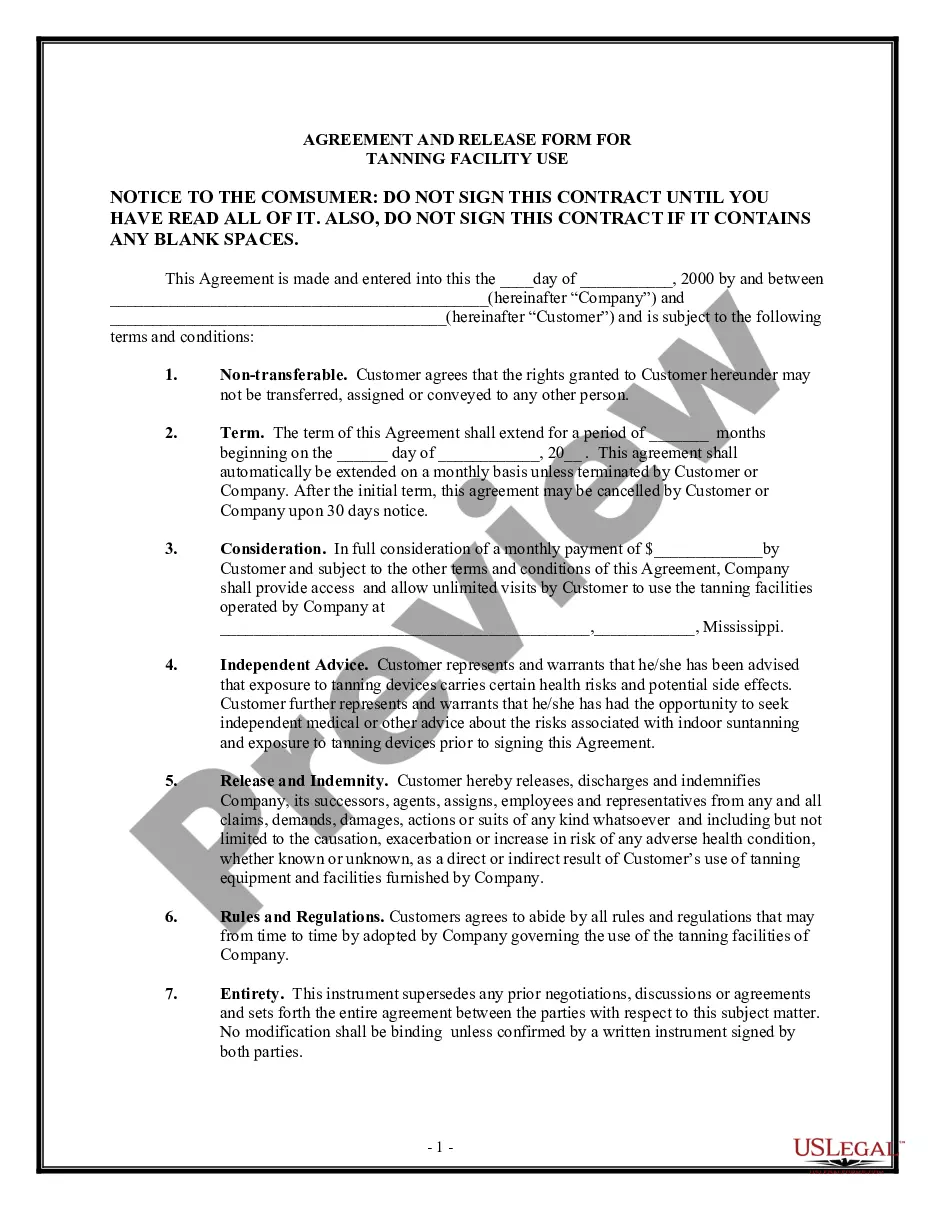
A release of liability (commonly referred to as a liability waiver or an exculpatory agreement) governed by Florida law given or signed by a prospective participant in a potentially dangerous activity in favor of the company providing access to the activity.
After the release is signed, the defendant's insurance company initiates the payment process. Florida law does not impose a specific deadline for when the settlement check must be issued; however, most insurers aim to release funds within a reasonable period, often within four to six weeks.
Trial Rate: Approximately 3-5% of personal injury cases in Florida go to trial (Bureau of Justice Statistics, n.d.). This means that out of the 28,342 cases filed in federal courts in 2023, only 850-1,417 cases would have reached the courtroom.
Most personal injury settlements are not taxable in Florida. This applies to both state and federal taxes, as Florida doesn't have a state income tax, and federal law generally excludes these settlements from taxable income.