Agreement Personal Injury Sample With Insurance In Cook
Description
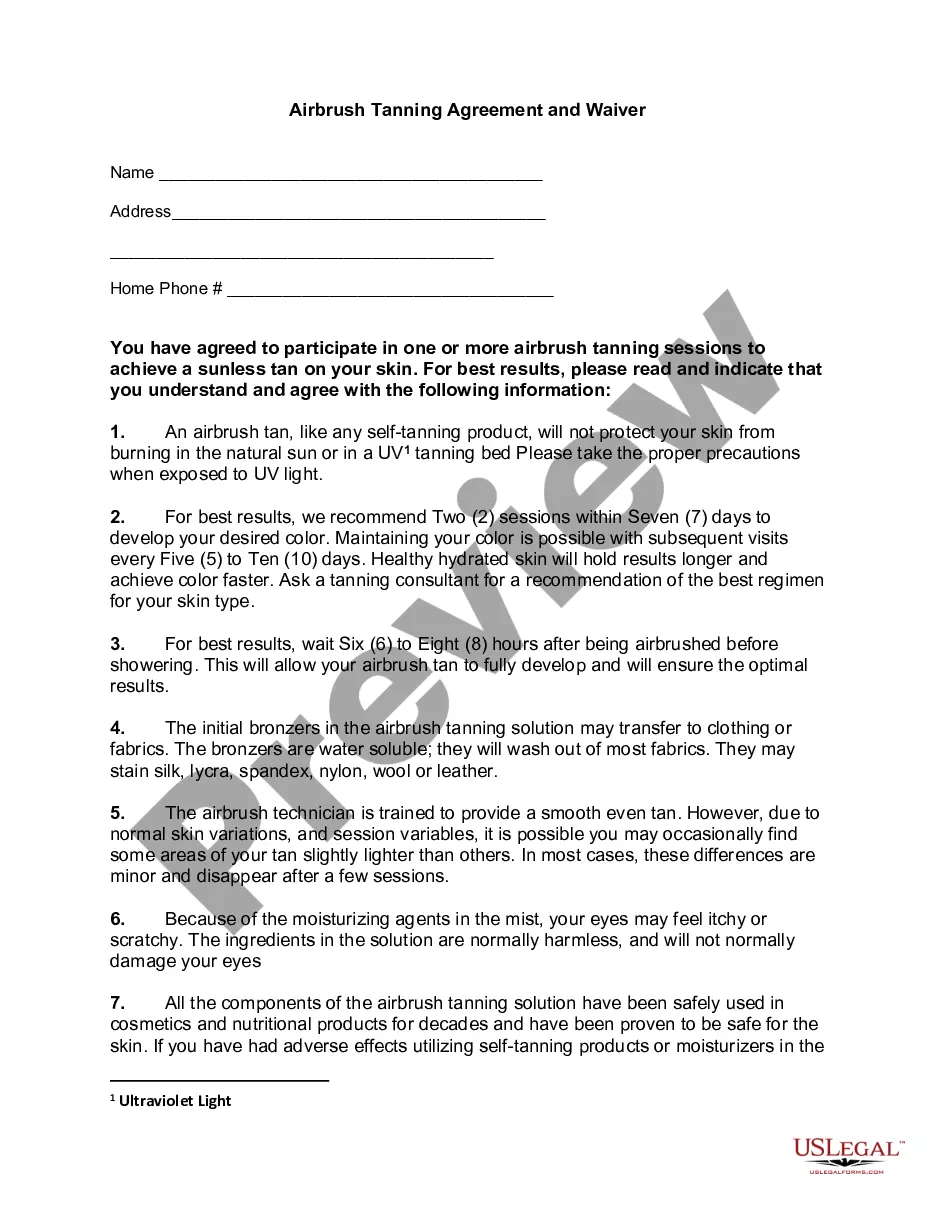
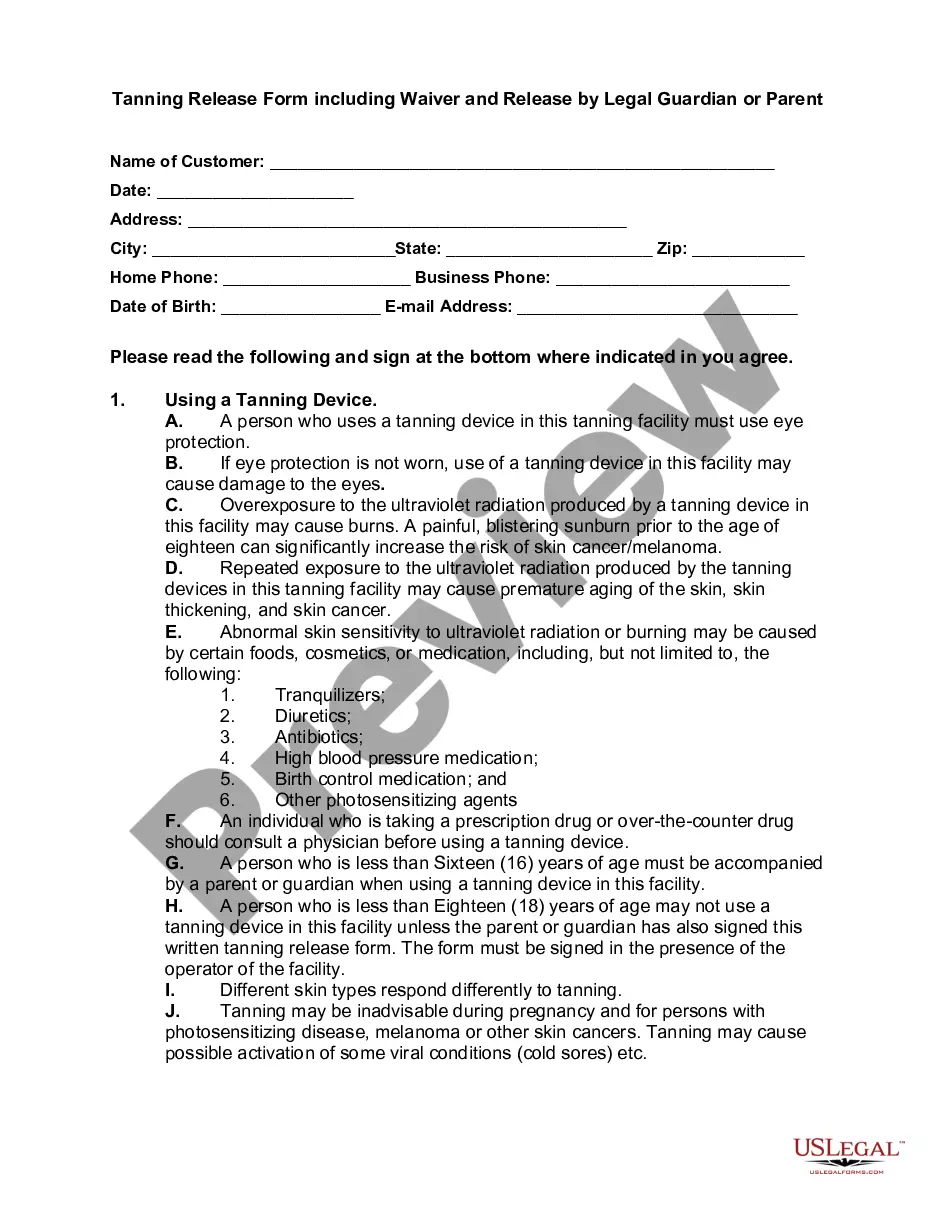
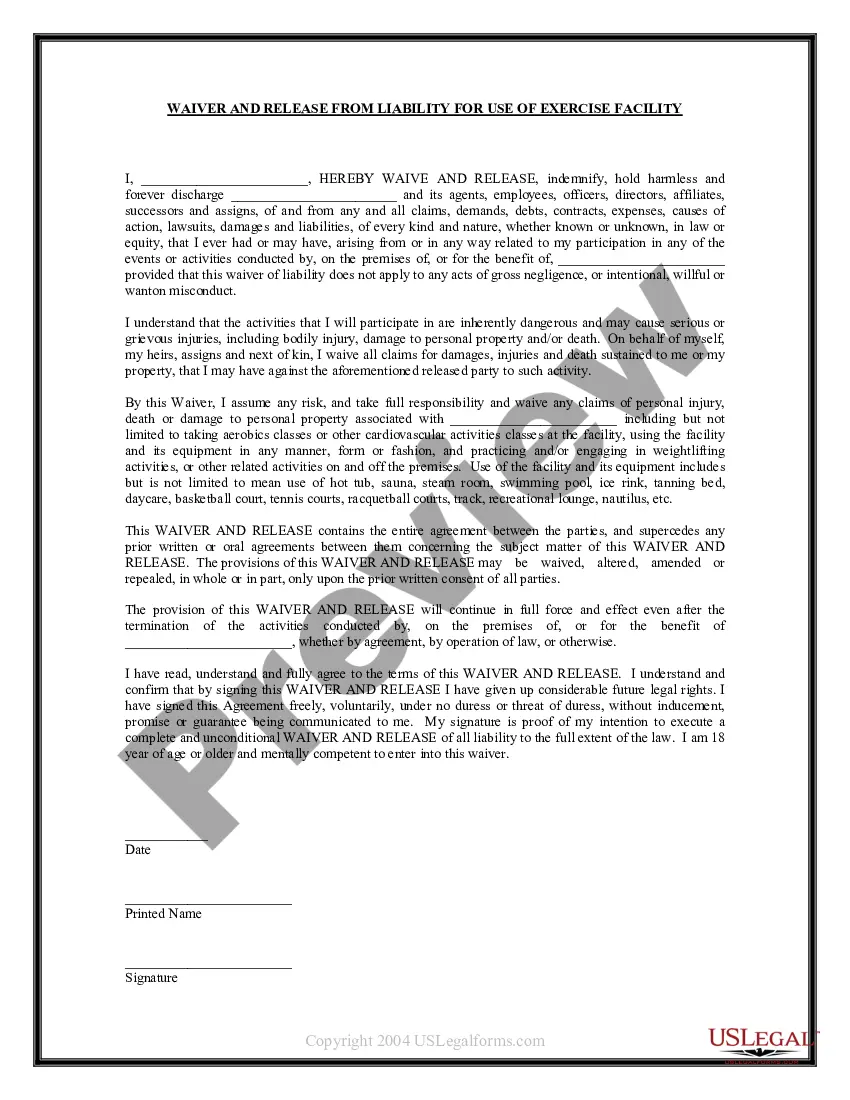
Get your form ready online
Our built-in tools help you complete, sign, share, and store your documents in one place.
Make edits, fill in missing information, and update formatting in US Legal Forms—just like you would in MS Word.
Download a copy, print it, send it by email, or mail it via USPS—whatever works best for your next step.
Sign and collect signatures with our SignNow integration. Send to multiple recipients, set reminders, and more. Go Premium to unlock E-Sign.
If this form requires notarization, complete it online through a secure video call—no need to meet a notary in person or wait for an appointment.
We protect your documents and personal data by following strict security and privacy standards.

Make edits, fill in missing information, and update formatting in US Legal Forms—just like you would in MS Word.

Download a copy, print it, send it by email, or mail it via USPS—whatever works best for your next step.

Sign and collect signatures with our SignNow integration. Send to multiple recipients, set reminders, and more. Go Premium to unlock E-Sign.

If this form requires notarization, complete it online through a secure video call—no need to meet a notary in person or wait for an appointment.

We protect your documents and personal data by following strict security and privacy standards.
Looking for another form?









Form popularity
FAQ
Typically ranging from 1.5 to 5, higher variables are assigned to more severe cases. For instance, if you incurred $100,000 in economic damages and a 1.5 variable is applied, your pain and suffering damages would amount to $150,000. Using a variable of four, your claim would reach $400,000.
While there is no fixed amount for every case, the average personal injury settlement ranges from a few thousand dollars to well over $75,000, depending on the unique details of the claim.
The amount of compensation in a personal injury claim is determined by considering several factors including the severity of the injury, the impact on your life and work, medical expenses incurred, future care needs, and loss of earnings. Each claim is unique and the amount of compensation will vary ingly.
Crafting a Compelling Personal Injury Demand Letter Gather Essential Information. Introduce Yourself and the Purpose of the Letter. Describe the Accident and Establish Liability (Fault) ... Detail Your Injuries, Treatment, and Prognosis. Itemize Your Damages. Make a Specific Demand and Set a Response Deadline.
If you want to take legal action to claim compensation for a personal injury, you will need to get advice from a solicitor specialising in these types of cases. This must be done as soon as possible as there are strict time limits on taking legal action.
The amount of compensation that can be claimed for general damages depends on the type of injury and suffering experienced, and the severity of it, as well as how long quality of life is affected. Therefore, there isn't a 'one sum suits all' approach to general damages; every single claim is different.
The amount of compensation that can be claimed for general damages depends on the type of injury and suffering experienced, and the severity of it, as well as how long quality of life is affected. Therefore, there isn't a 'one sum suits all' approach to general damages; every single claim is different.
Here is how the personal injury claim process works: Complete Your Medical Treatment. Submit Demand Package. Settlement of Claim. Compromise of Liens. Statute of Limitations. Lawsuit in Court. Mandatory Arbitration. Trial and Judgment. A court case can be settled at any stage by voluntary agreement of the parties.
Copyright infringement is a common advertising injury claim. If you use a copyrighted image of a popular cartoon character in your advertising without obtaining permission, the owner of the copyright could decide to sue you for infringement. This claim could be covered under personal and advertising injury insurance.
Coverage B: Personal and Advertising Injury Personal and advertising injury liability protects an insured against liability arising out of certain offenses, such as: Libel. Slander. False arrest.
