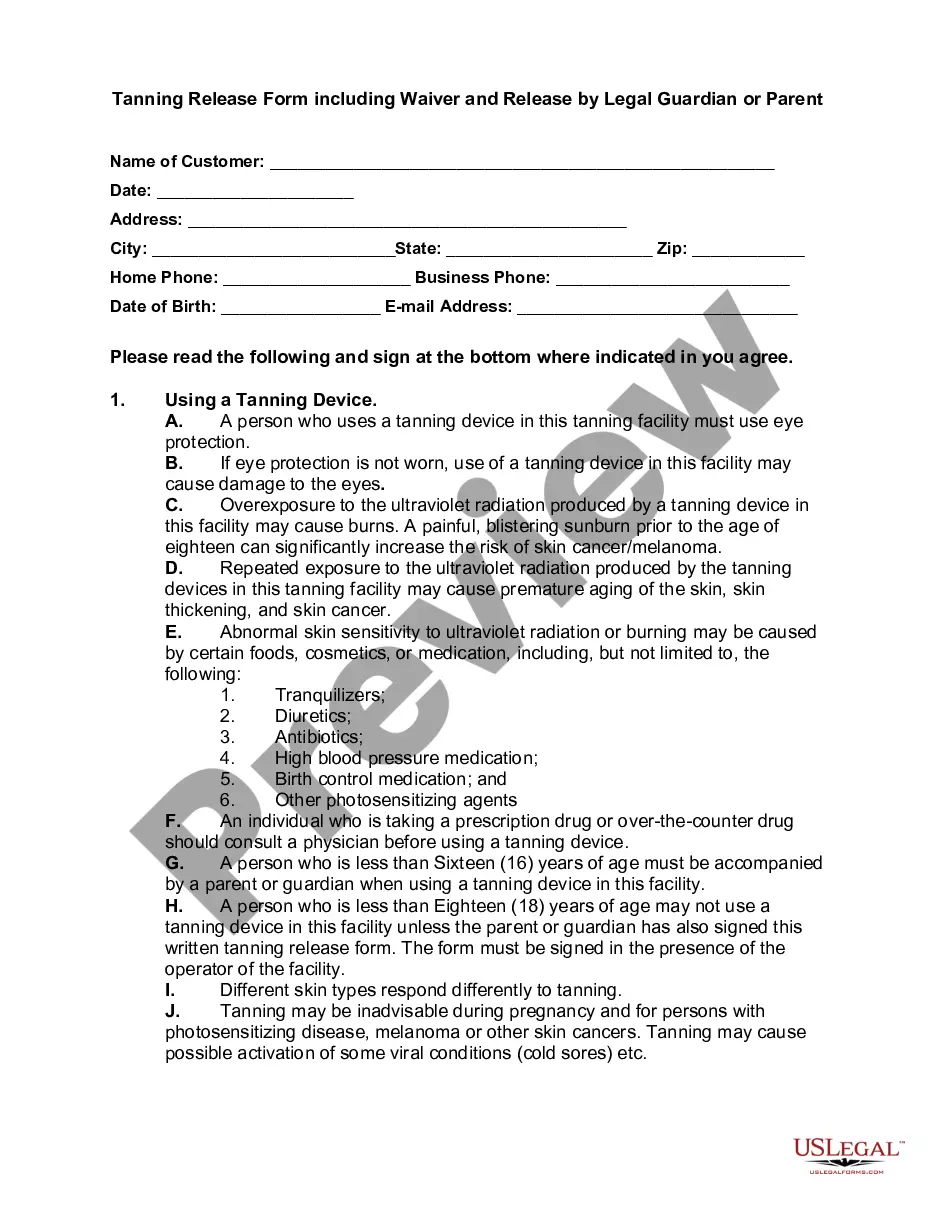
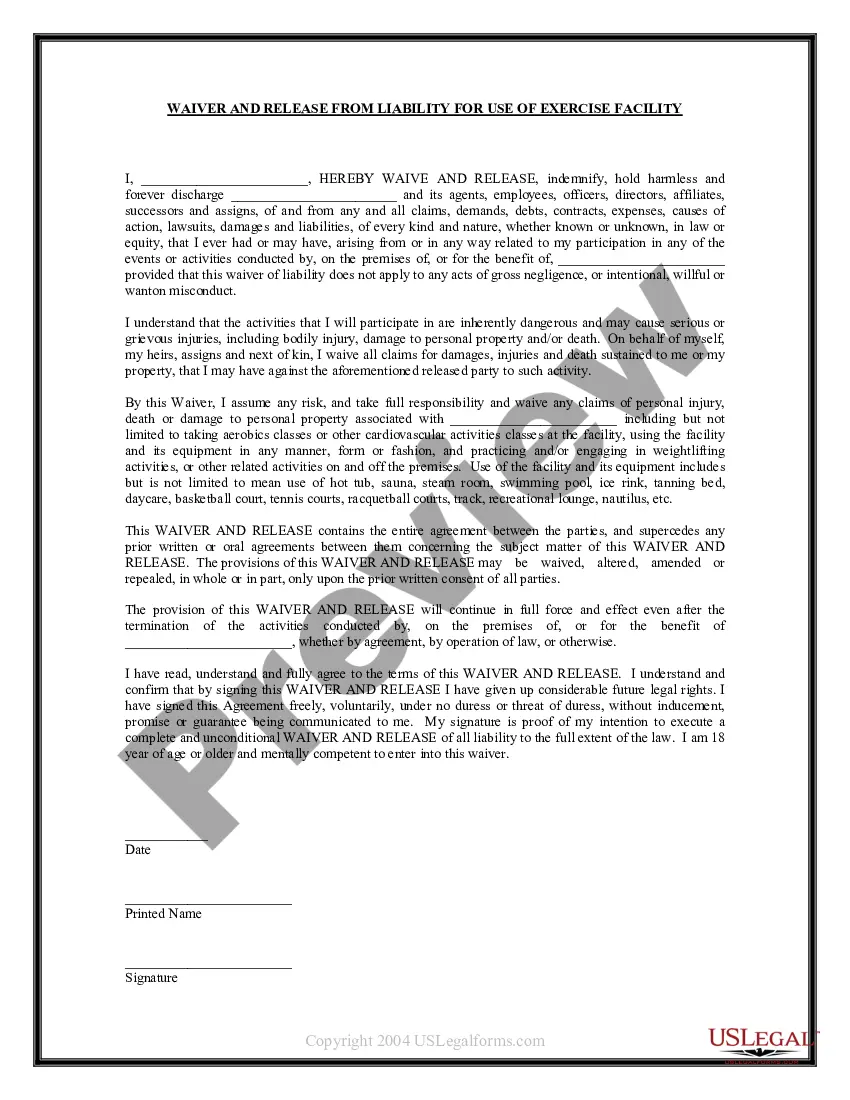
Bodily Injury Release Form Florida In Collin
Description

Get your form ready online
Our built-in tools help you complete, sign, share, and store your documents in one place.
Make edits, fill in missing information, and update formatting in US Legal Forms—just like you would in MS Word.
Download a copy, print it, send it by email, or mail it via USPS—whatever works best for your next step.
Sign and collect signatures with our SignNow integration. Send to multiple recipients, set reminders, and more. Go Premium to unlock E-Sign.
If this form requires notarization, complete it online through a secure video call—no need to meet a notary in person or wait for an appointment.
We protect your documents and personal data by following strict security and privacy standards.

Make edits, fill in missing information, and update formatting in US Legal Forms—just like you would in MS Word.

Download a copy, print it, send it by email, or mail it via USPS—whatever works best for your next step.

Sign and collect signatures with our SignNow integration. Send to multiple recipients, set reminders, and more. Go Premium to unlock E-Sign.

If this form requires notarization, complete it online through a secure video call—no need to meet a notary in person or wait for an appointment.

We protect your documents and personal data by following strict security and privacy standards.
Looking for another form?








Form popularity
FAQ
At the state level, compensation for pain and suffering can vary widely. Moderate injuries usually result in settlements between $10,000 and $100,000, while more severe cases, such as those involving permanent disability or disfigurement, can push the settlement amount to $500,000 or more.
The Release of All Claims Form typically consists of specific details of the incident, including: Names and contact information of all parties involved. Description of the incident or dispute. Settlement amount, if applicable. Date and location of the event leading to the claim. Signatures of the Releasor and Releasee.
An injury release form is a statement that says that the claim is resolved and that the insurance company or the at-fault party has no further obligation to you. In short, an injury release form releases the other party from paying any more compensation or accepting further claims relating to your injury.
Florida adopted a modified comparative negligence rule. Under this new law, if you are found to be 51% or more at fault for your accident, you have lost your ability to access any compensation. Because of this, the amount of fault assigned to each party after an accident has become even more crucial.
At the state level, compensation for pain and suffering can vary widely. Moderate injuries usually result in settlements between $10,000 and $100,000, while more severe cases, such as those involving permanent disability or disfigurement, can push the settlement amount to $500,000 or more.
After determining what your case is worth, you should usually ask for around double that amount in your demand letter. This initiates the settlement negotiation process and gives you room to compromise. It also helps you avoid asking for too little and the insurance company agreeing to that amount.
What Happens if I Don't Have Bodily Injury Coverage in Florida? If you do not carry bodily injury coverage and hurt someone in a New Port Richey car accident (or other Florida city), you will be personally responsible to cover their medical bills, pain and suffering, and loss of earnings.
Bodily injury liability insurance provides coverage if you're responsible for injuring others in an accident, covering their medical expenses and other damages. Personal Injury Protection (PIP), required in Florida, covers a portion of your medical expenses regardless of fault.
(a) “Serious bodily injury” means an injury to a person, including the driver, which consists of a physical condition that creates a substantial risk of death, serious personal disfigurement, or protracted loss or impairment of the function of a bodily member or organ.
To sum it all up, the injured person is ultimately responsible for his or her own medical bills following a car accident in Florida. Your PIP insurance will cover the first 80 percent, followed by your primary health insurance.
