Agreement Personal Injury Sample With No Experience In Collin
Description

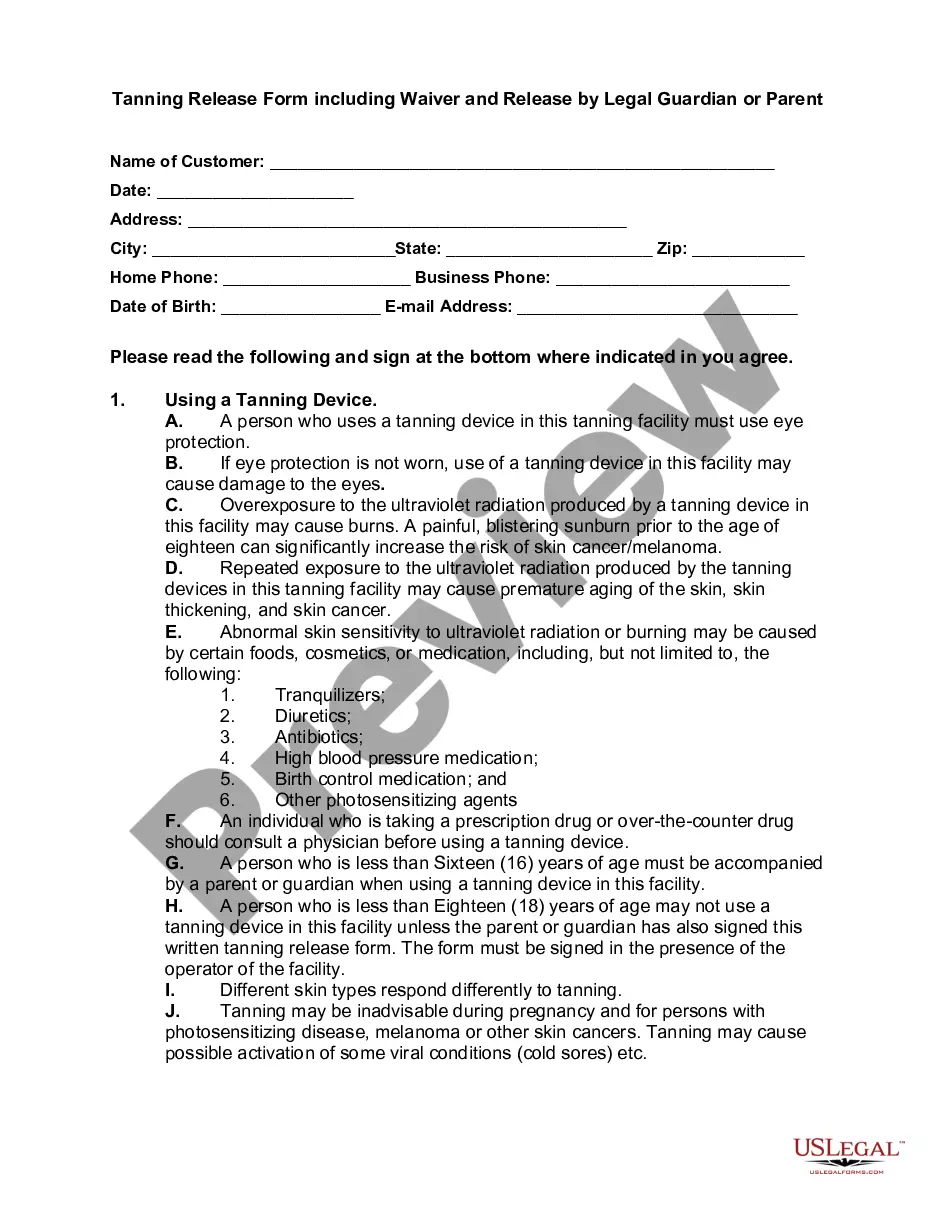
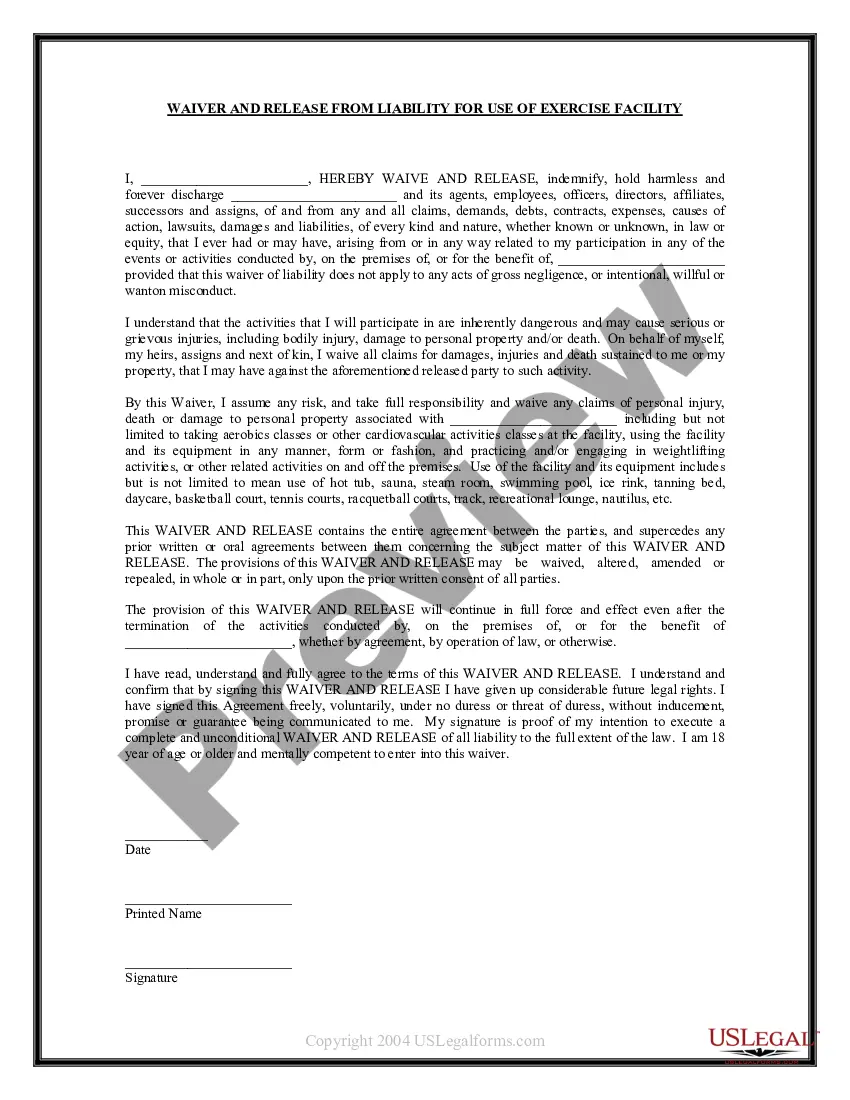
Get your form ready online
Our built-in tools help you complete, sign, share, and store your documents in one place.
Make edits, fill in missing information, and update formatting in US Legal Forms—just like you would in MS Word.
Download a copy, print it, send it by email, or mail it via USPS—whatever works best for your next step.
Sign and collect signatures with our SignNow integration. Send to multiple recipients, set reminders, and more. Go Premium to unlock E-Sign.
If this form requires notarization, complete it online through a secure video call—no need to meet a notary in person or wait for an appointment.
We protect your documents and personal data by following strict security and privacy standards.

Make edits, fill in missing information, and update formatting in US Legal Forms—just like you would in MS Word.

Download a copy, print it, send it by email, or mail it via USPS—whatever works best for your next step.

Sign and collect signatures with our SignNow integration. Send to multiple recipients, set reminders, and more. Go Premium to unlock E-Sign.

If this form requires notarization, complete it online through a secure video call—no need to meet a notary in person or wait for an appointment.

We protect your documents and personal data by following strict security and privacy standards.
Looking for another form?









Form popularity
FAQ
10 best practices for writing a personal injury demand letter Thoroughly review the case. Start with a clear introduction. Detail the facts of the case. Document injuries and treatment. Include economic damages. Outline Non-Economic Damages. Be specific in your demand for compensation. Use persuasive language.
9 Steps for Filing a Personal Injury Claim Obtain medical care. Prepare documentation. Consider a legal consultation. Investigate the accident and injuries. Establish negligence. Serve notice of claim. Begin settlement talks. File a lawsuit.
The Process. If you choose to claim without a solicitor, you'll deal directly with the responsible party's insurance company. This process typically involves: Reporting the accident to the insurer: You'll need to notify the insurer of the accident, providing details about when and where it occurred, and how it happened ...
If you want to take legal action to claim compensation for a personal injury, you will need to get advice from a solicitor specialising in these types of cases. This must be done as soon as possible as there are strict time limits on taking legal action.
Typically ranging from 1.5 to 5, higher variables are assigned to more severe cases. For instance, if you incurred $100,000 in economic damages and a 1.5 variable is applied, your pain and suffering damages would amount to $150,000. Using a variable of four, your claim would reach $400,000.
The Most Common Types of Personal Injury Cases Car Accidents. Motorcycle Accidents. Truck Accidents. Uber & Lyft Accidents. Pedestrian Accidents. Wrongful Deaths. Slip & Fall Accidents. Animal Bites and Attacks.
Some of the most common types of personal injuries that give rise to legal liability on the part of the wrongdoer include slips and falls, automobile accidents, assaults and battery, medical malpractice, and injuries caused by defective consumer or pharmaceutical products.
