Personal Injury Release Agreement With Tenant In Clark
Description

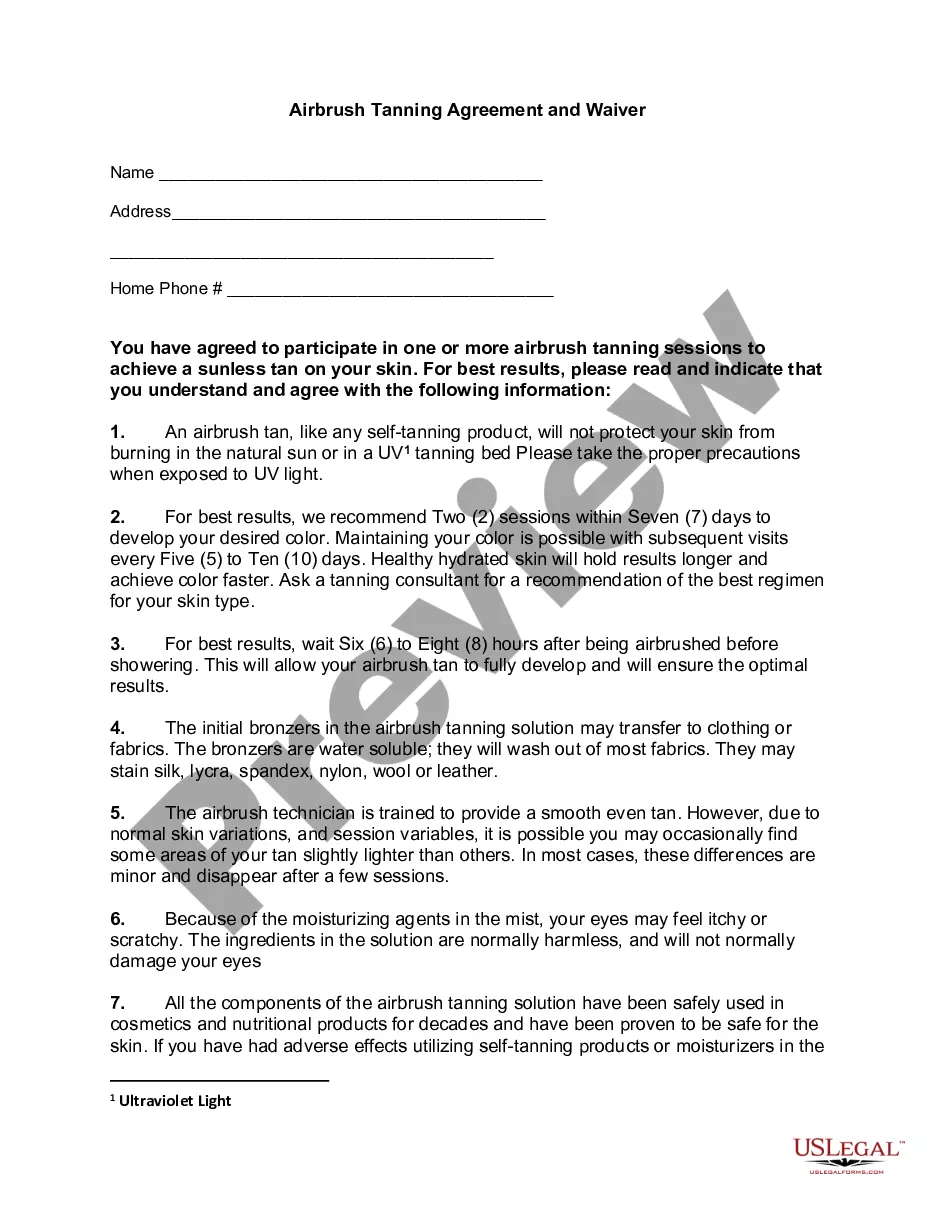
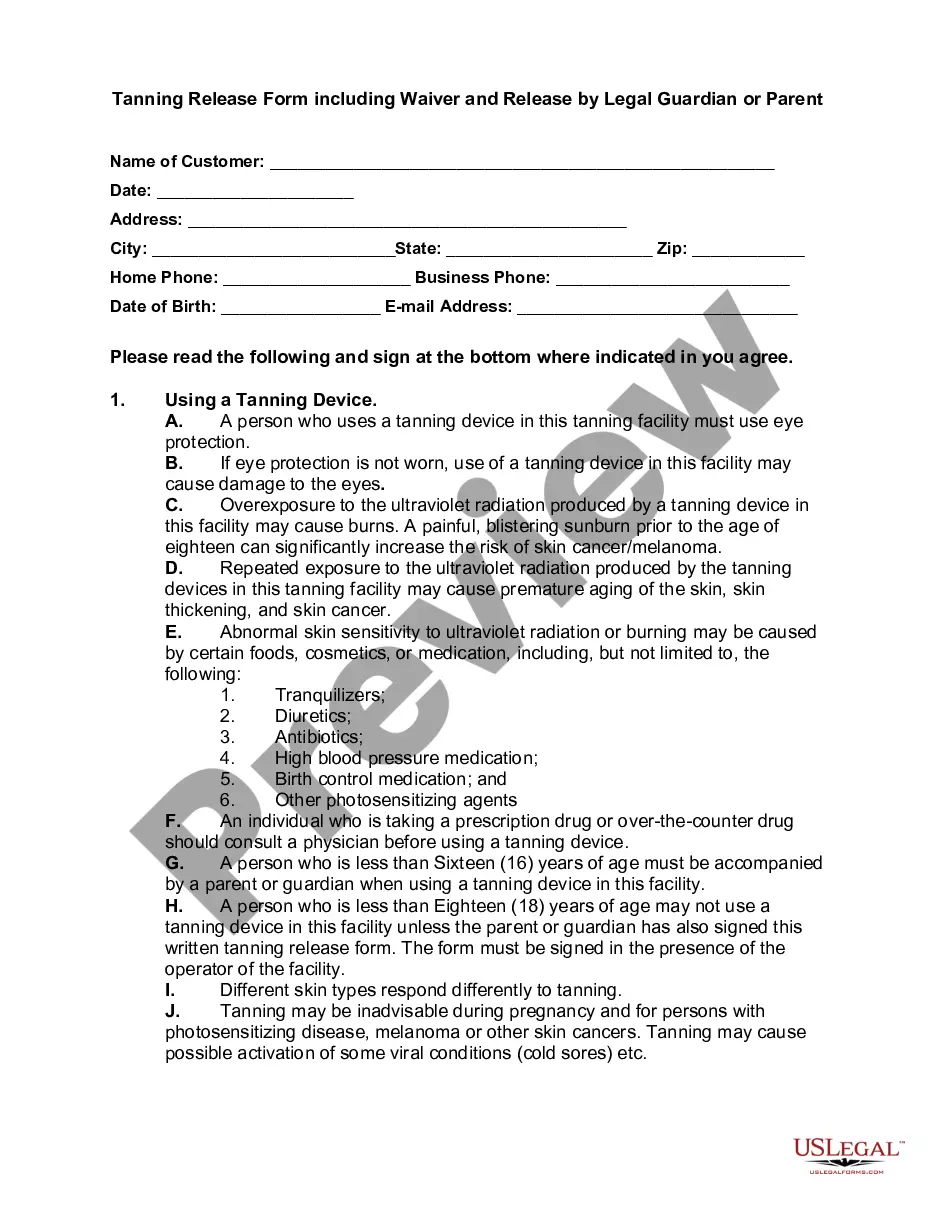
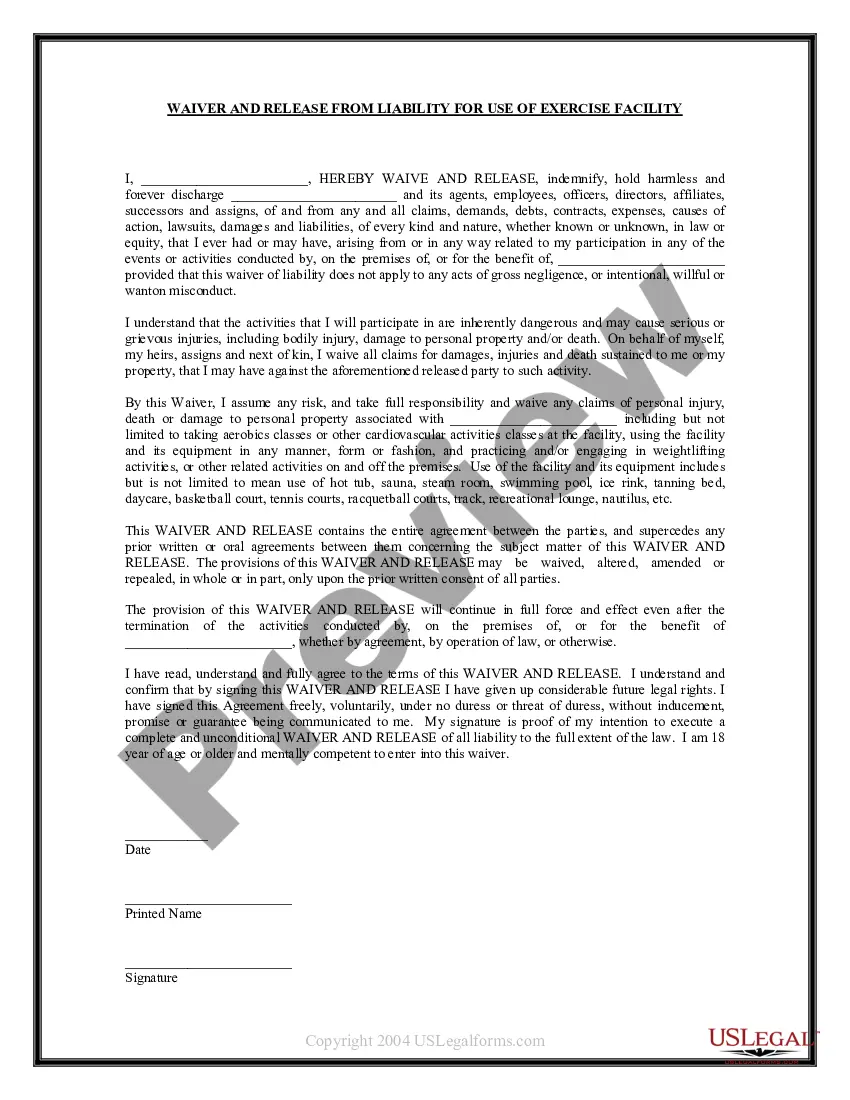
Get your form ready online
Our built-in tools help you complete, sign, share, and store your documents in one place.
Make edits, fill in missing information, and update formatting in US Legal Forms—just like you would in MS Word.
Download a copy, print it, send it by email, or mail it via USPS—whatever works best for your next step.
Sign and collect signatures with our SignNow integration. Send to multiple recipients, set reminders, and more. Go Premium to unlock E-Sign.
If this form requires notarization, complete it online through a secure video call—no need to meet a notary in person or wait for an appointment.
We protect your documents and personal data by following strict security and privacy standards.

Make edits, fill in missing information, and update formatting in US Legal Forms—just like you would in MS Word.

Download a copy, print it, send it by email, or mail it via USPS—whatever works best for your next step.

Sign and collect signatures with our SignNow integration. Send to multiple recipients, set reminders, and more. Go Premium to unlock E-Sign.

If this form requires notarization, complete it online through a secure video call—no need to meet a notary in person or wait for an appointment.

We protect your documents and personal data by following strict security and privacy standards.
Looking for another form?









Form popularity
FAQ
The notice period will depend on the tenancy or agreement, but it's usually at least 4 weeks.
Nevada law requires a thirty-day notice to the tenant (or a seven-day notice if the tenant pays rent weekly), followed by a second five-day Notice to Quit for Unlawful Detainer (after the first notice period has elapsed) instructing the tenant to leave because tenant's presence is now unlawful.
Most settlements and court awards will be approximately $3,000 to $75,000. The likelihood of receiving a payout in this range is approximately 70%. Below we'll map out California personal injury settlements by case type.
The notice period depends on the details of the lease, for example, a month-to-month tenancy will require a 30-day notice period. On the other hand, a year-to-year tenancy requires a 60-day notice, while for three-year tenancies, either party should expect a 120-day notice to be provided.
Your landlord must give you 60 days written notice before increasing rent on month-to-month tenancies. Late fees can't be more than 5% of your periodic rent. Your security deposit can't be more than three times your rent.
Under Nevada law, NRS 40.251, the landlord can serve a No Cause Eviction Notice after your lease has expired. This Notice does not have to provide you with any reason for the eviction. If you rent by the week, the landlord must serve a 7 day notice.
Your landlord must give you 60 days written notice before increasing rent on month-to-month tenancies. Late fees can't be more than 5% of your periodic rent. Your security deposit can't be more than three times your rent.
A tenant can terminate a lease at the end of its period if they wish. ing to landlord-tenant law, the tenant must give the landlord the following amounts of notice. Weekly Leases - Seven days of notice. Monthly Leases - 30 days of notice.