Bodily Injury Release Form Florida In Alameda
Description

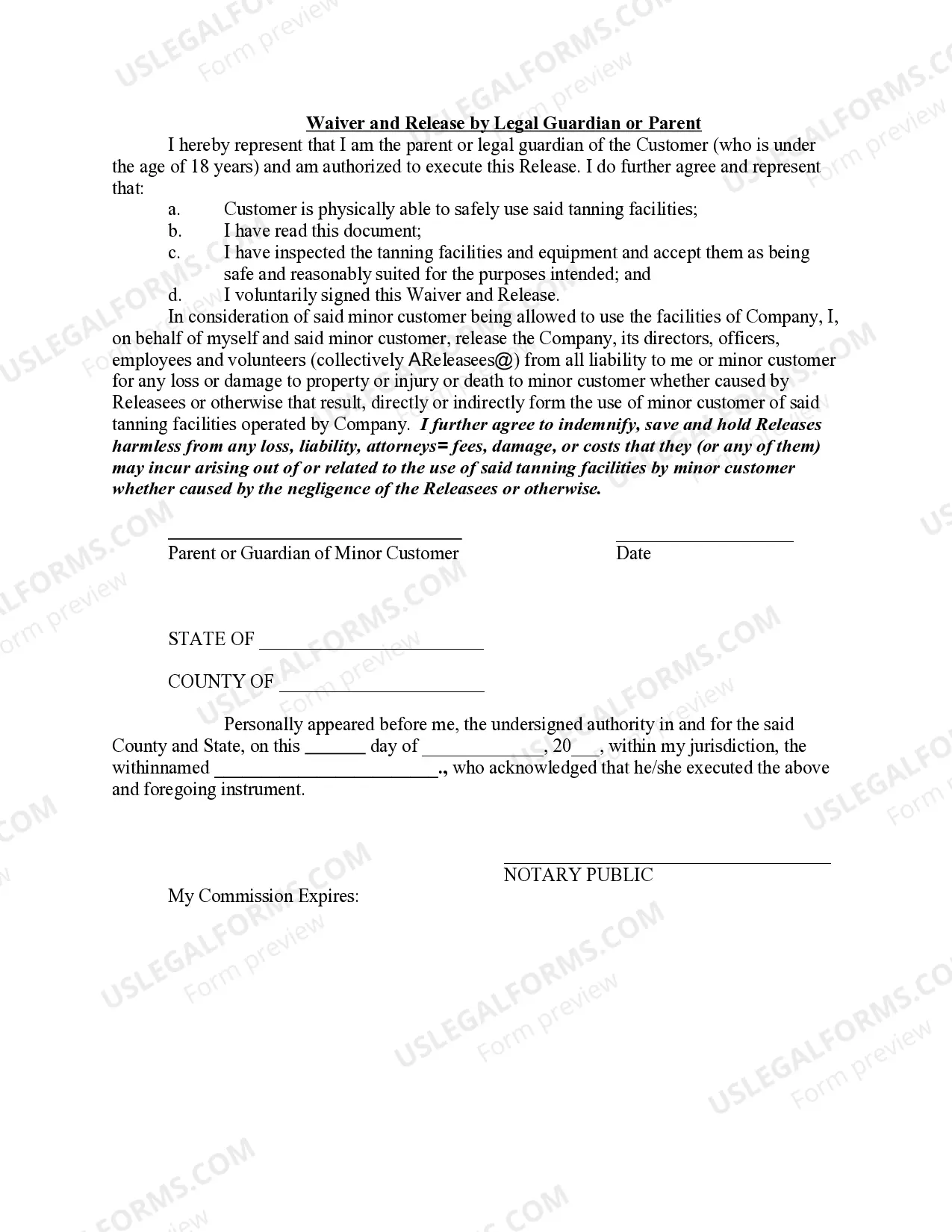
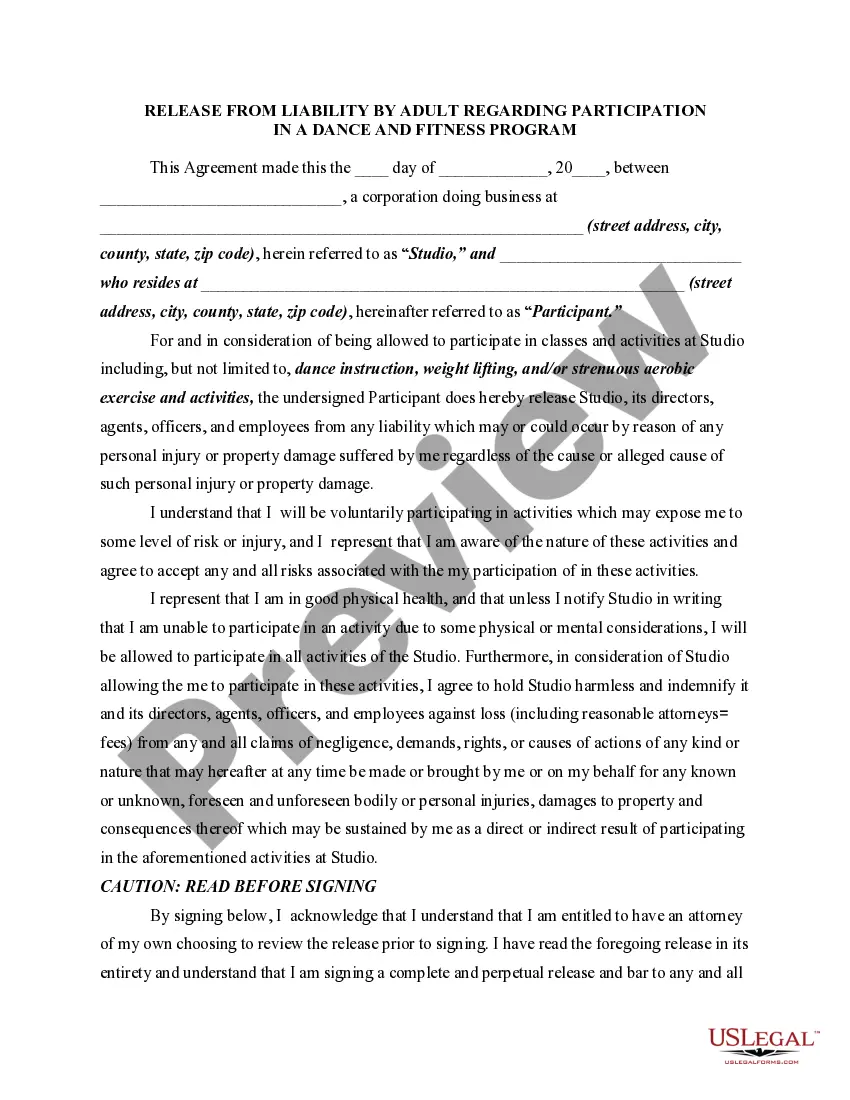
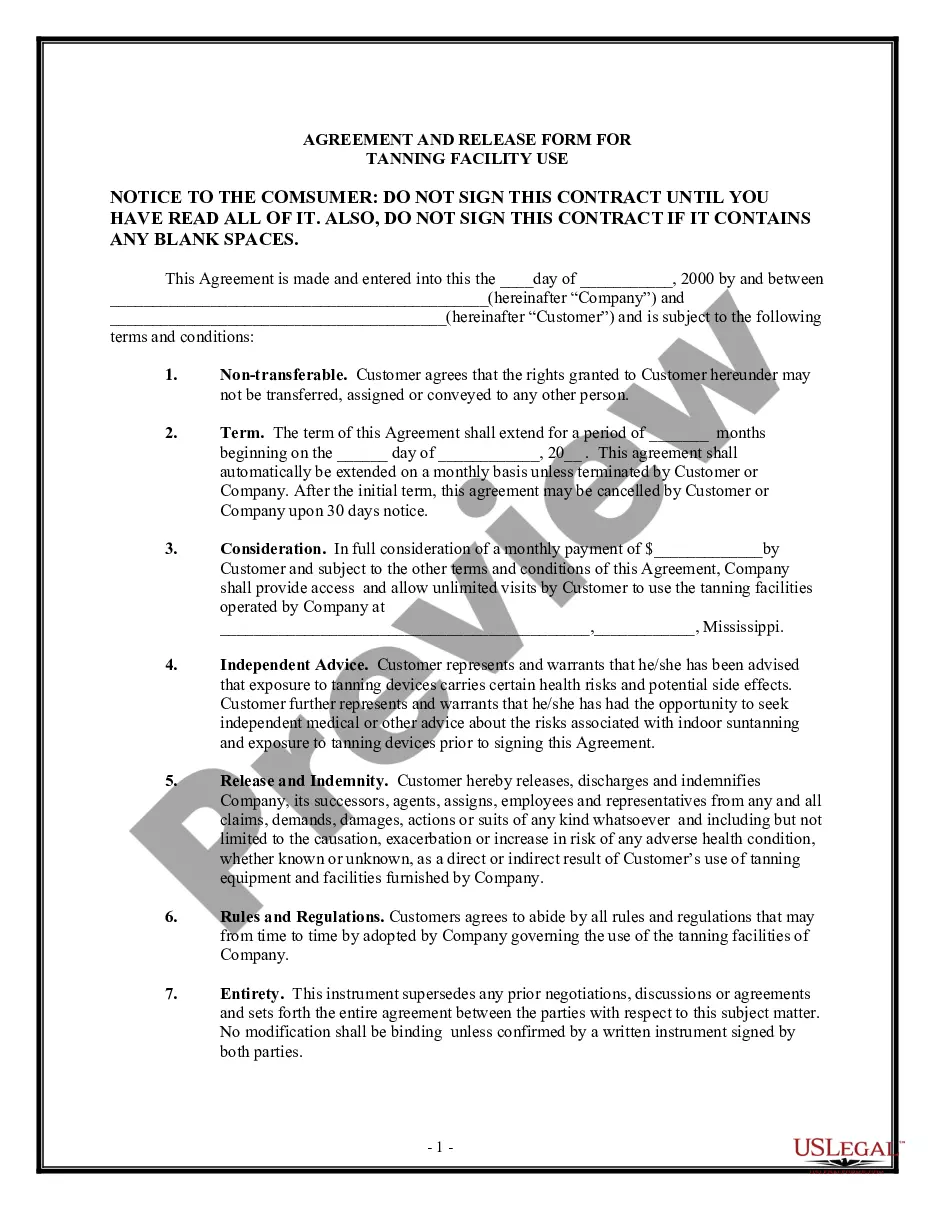
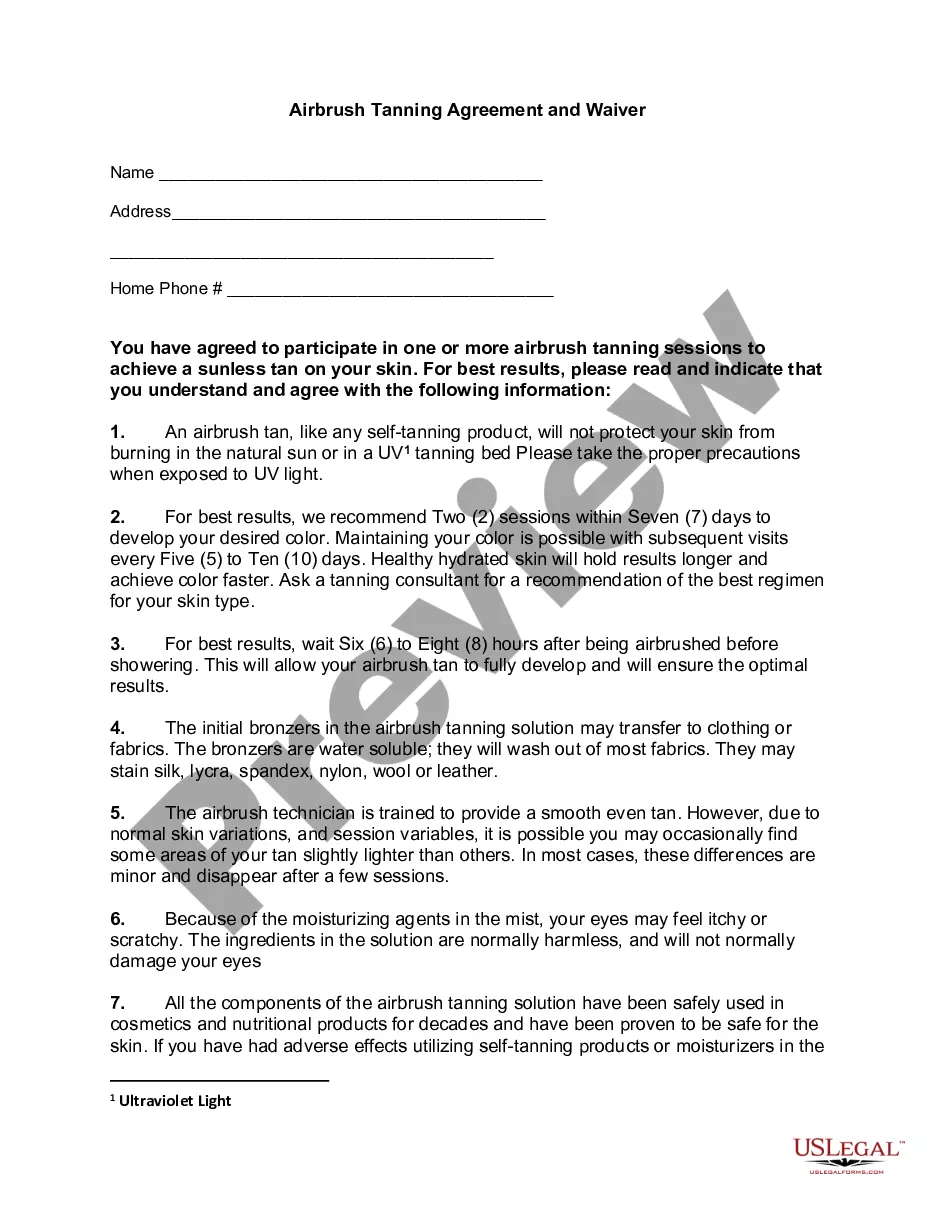
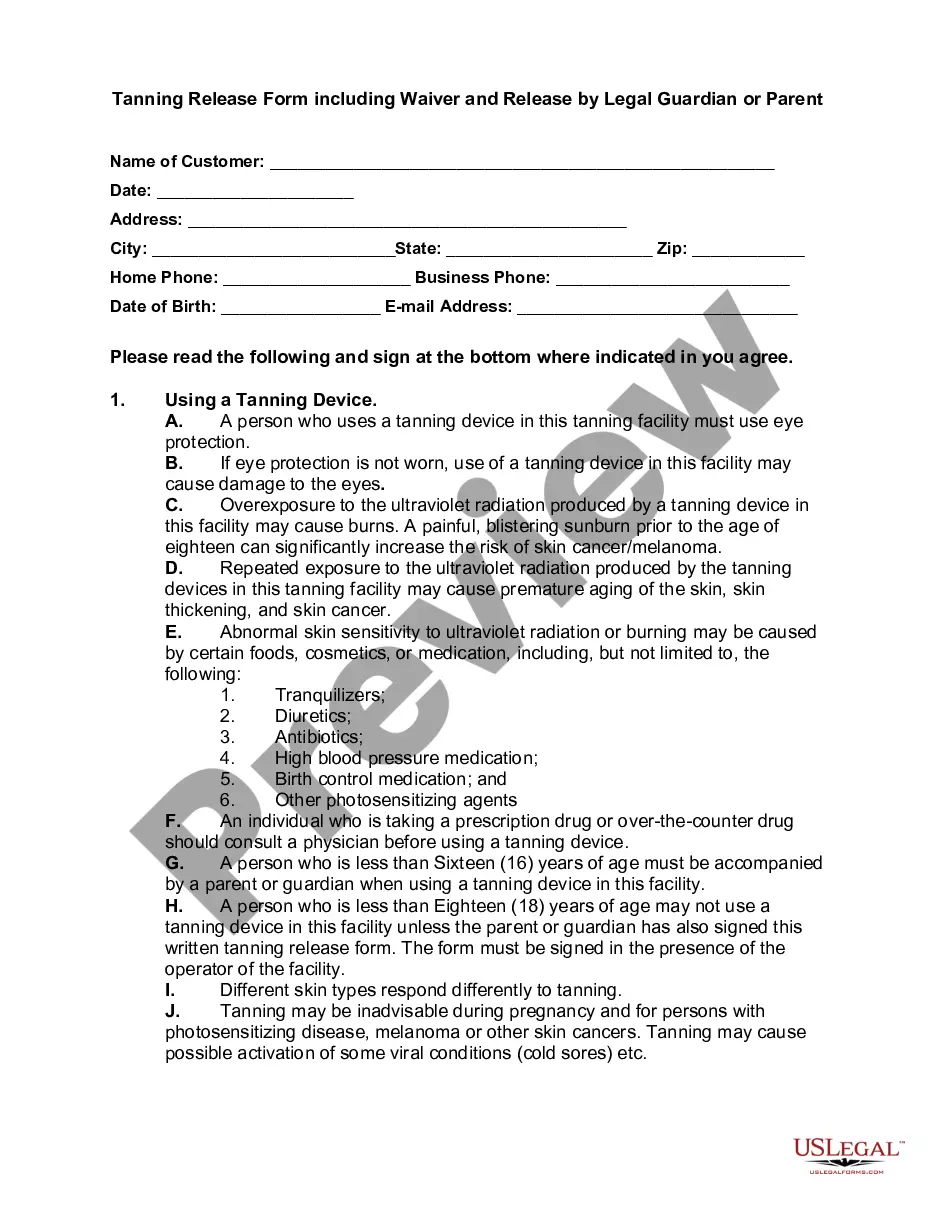
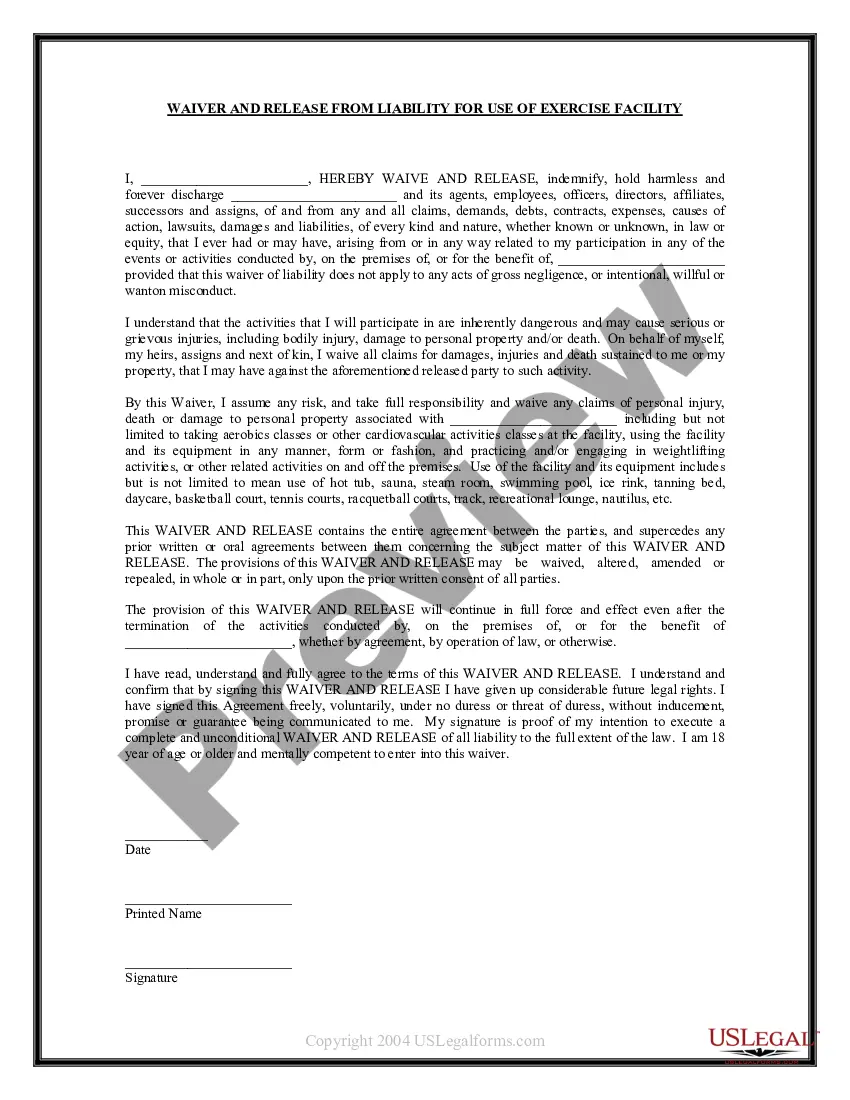
Get your form ready online
Our built-in tools help you complete, sign, share, and store your documents in one place.
Make edits, fill in missing information, and update formatting in US Legal Forms—just like you would in MS Word.
Download a copy, print it, send it by email, or mail it via USPS—whatever works best for your next step.
Sign and collect signatures with our SignNow integration. Send to multiple recipients, set reminders, and more. Go Premium to unlock E-Sign.
If this form requires notarization, complete it online through a secure video call—no need to meet a notary in person or wait for an appointment.
We protect your documents and personal data by following strict security and privacy standards.

Make edits, fill in missing information, and update formatting in US Legal Forms—just like you would in MS Word.

Download a copy, print it, send it by email, or mail it via USPS—whatever works best for your next step.

Sign and collect signatures with our SignNow integration. Send to multiple recipients, set reminders, and more. Go Premium to unlock E-Sign.

If this form requires notarization, complete it online through a secure video call—no need to meet a notary in person or wait for an appointment.

We protect your documents and personal data by following strict security and privacy standards.
Looking for another form?
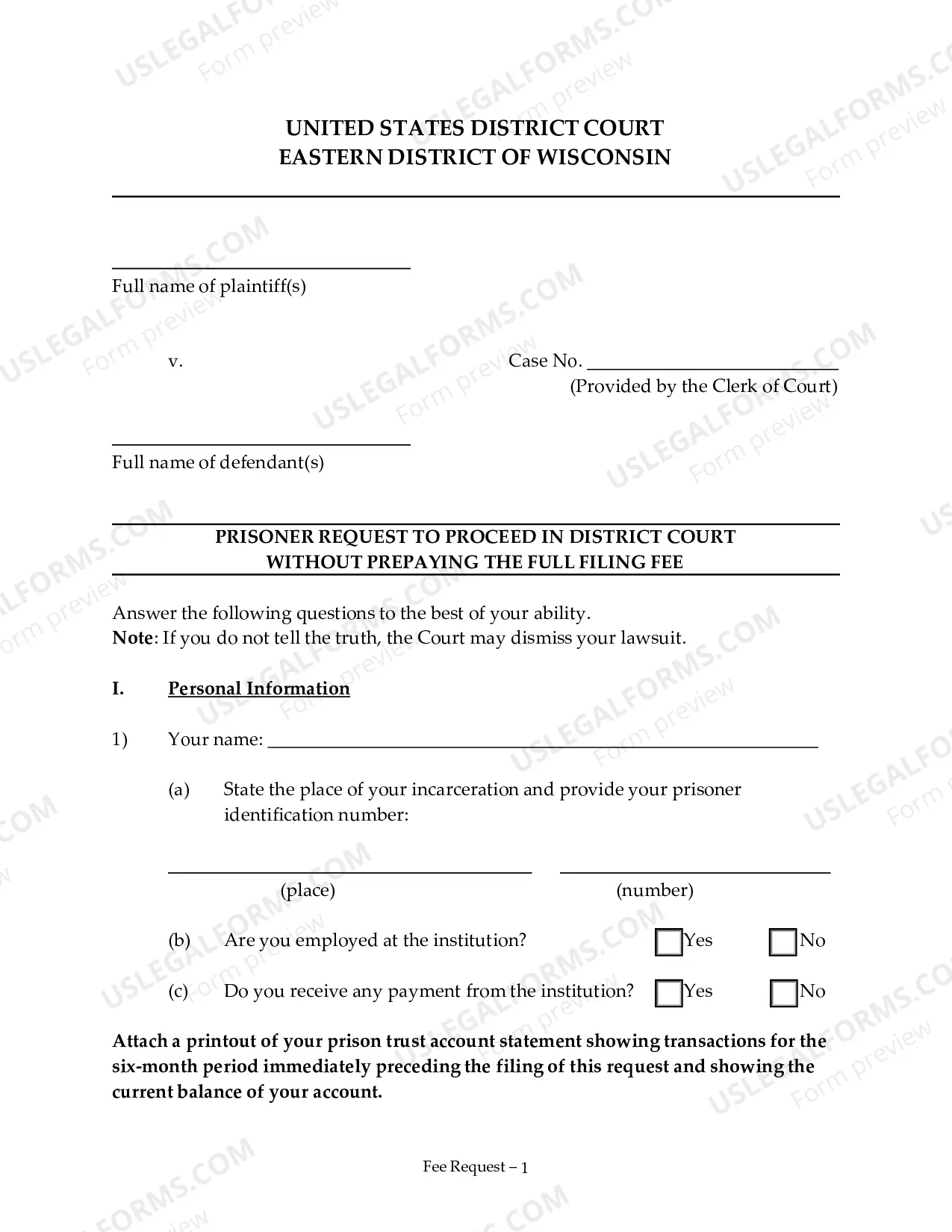
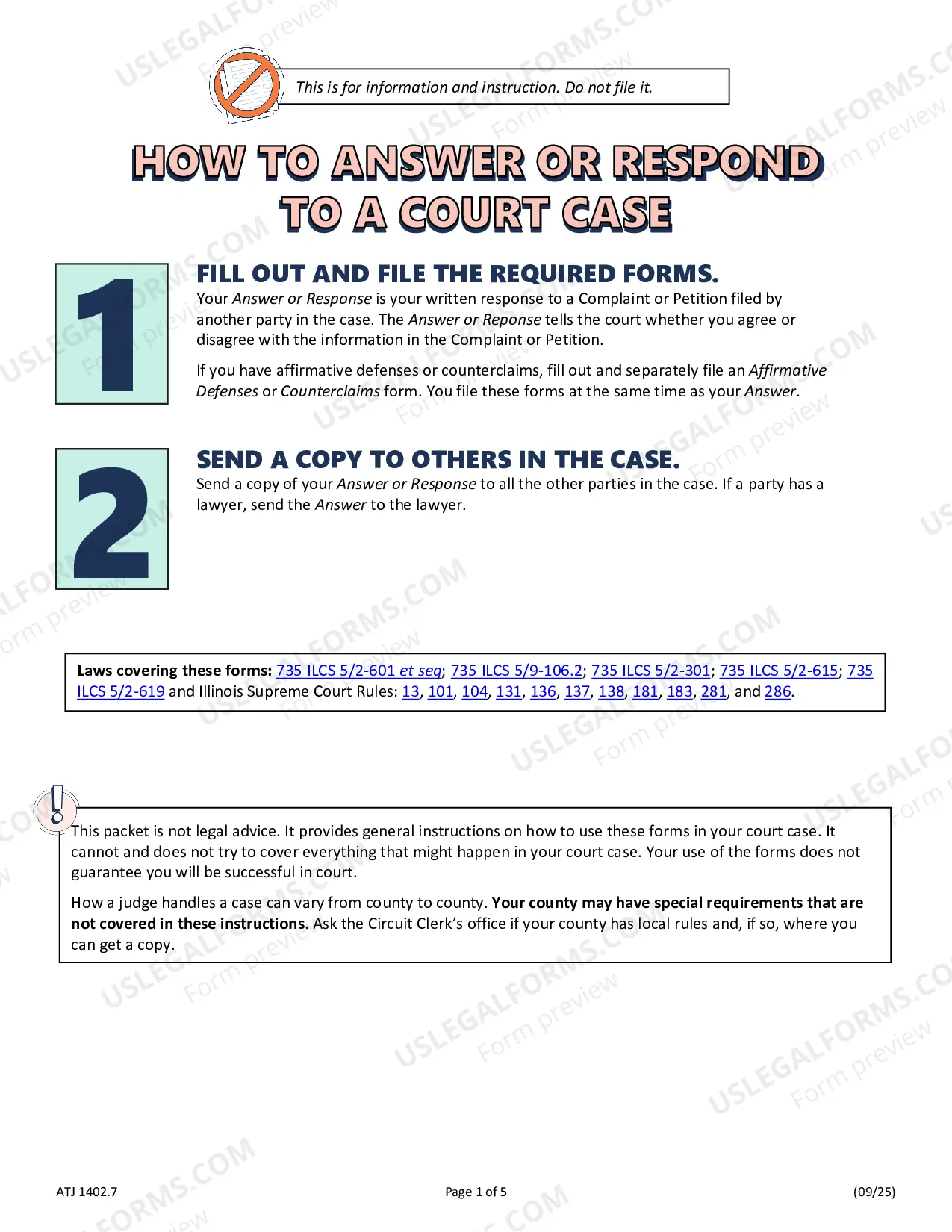



Form popularity
FAQ
What is a release of liability form vehicle in Florida? Florida law requires sellers to file form HSMV 82050. Filing this form with a motor vehicle service center will remove the seller's registration from the vehicle and help the seller avoid any civil liability for the operation of the motor vehicle after the sale.
A bodily injury is a physical injury to a person. broken bones, nerve damage, pain, brain damage, and.
A release of liability (commonly referred to as a liability waiver or an exculpatory agreement) governed by Florida law given or signed by a prospective participant in a potentially dangerous activity in favor of the company providing access to the activity.
Also known as a liability waiver form, the release of all claims form is signed when the defendant and plaintiff reach a settlement in a lawsuit. It does three things, including: Resolving the issue between the two parties. Dismissing the plaintiff's claims. Releasing the defendant from liability.
A written contract (or provision in a contract) in which one or more parties agree to give up legal causes of action against the other party in exchange for adequate consideration (that is, something of value to which the party releasing the legal claims is not already entitled).
Bodily injury covers the other driver's medical bills (including their passengers) if you cause an accident. Personal injury protection covers medical bills and related expenses for you and your passengers after an accident regardless of fault.
What is the release of all claims in Florida? In Florida, a release of all claims is a legally binding agreement that an individual signs to waive their right to pursue any future claims against another party regarding a specific incident or set of circumstances.
Personal Injury Lawsuit Process in Florida – A Step-by-Step Guide Step 1: Hire a Reputable Personal Injury Lawyer. Step 2: Complete Your Medical Treatment. Step 3: File an Insurance Claim. Step 4: Gather Evidence. Step 5: Negotiate a Settlement. Step 6: File a Lawsuit. Step 7: Complete the Discovery Process.
Under Florida Statutes Annotated section 95.11, a person has four years to file a lawsuit in Florida from the date the accident/circumstance occurred. Rarely will the civil court hear a case that was not filed within this four year window of time.
Florida's Auto Insurance Requirements Here's the thing, Florida law requires drivers to carry minimum auto insurance coverage of $10,000 for Personal Injury Protection (PIP) and $10,000 for Property Damage Liability (PDL) as per Florida Statute 627.736.
