Cancellation Lease Template For Land In San Jose
Description

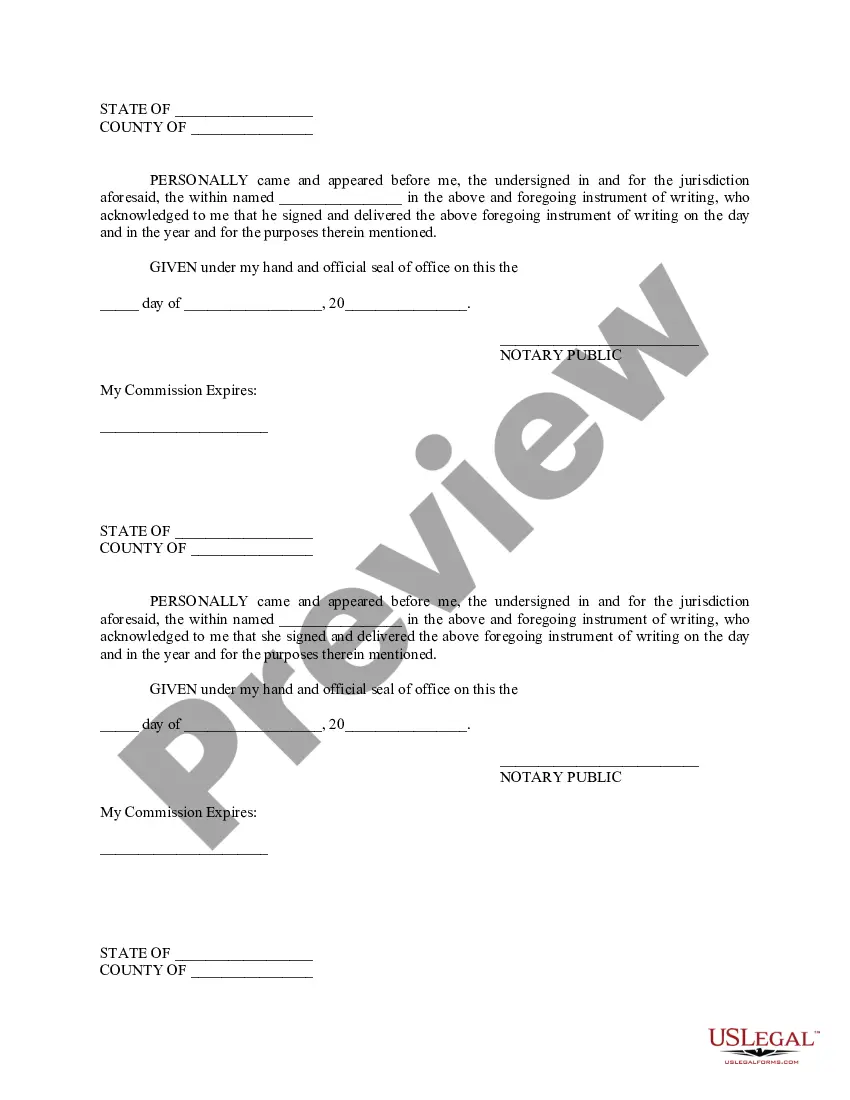
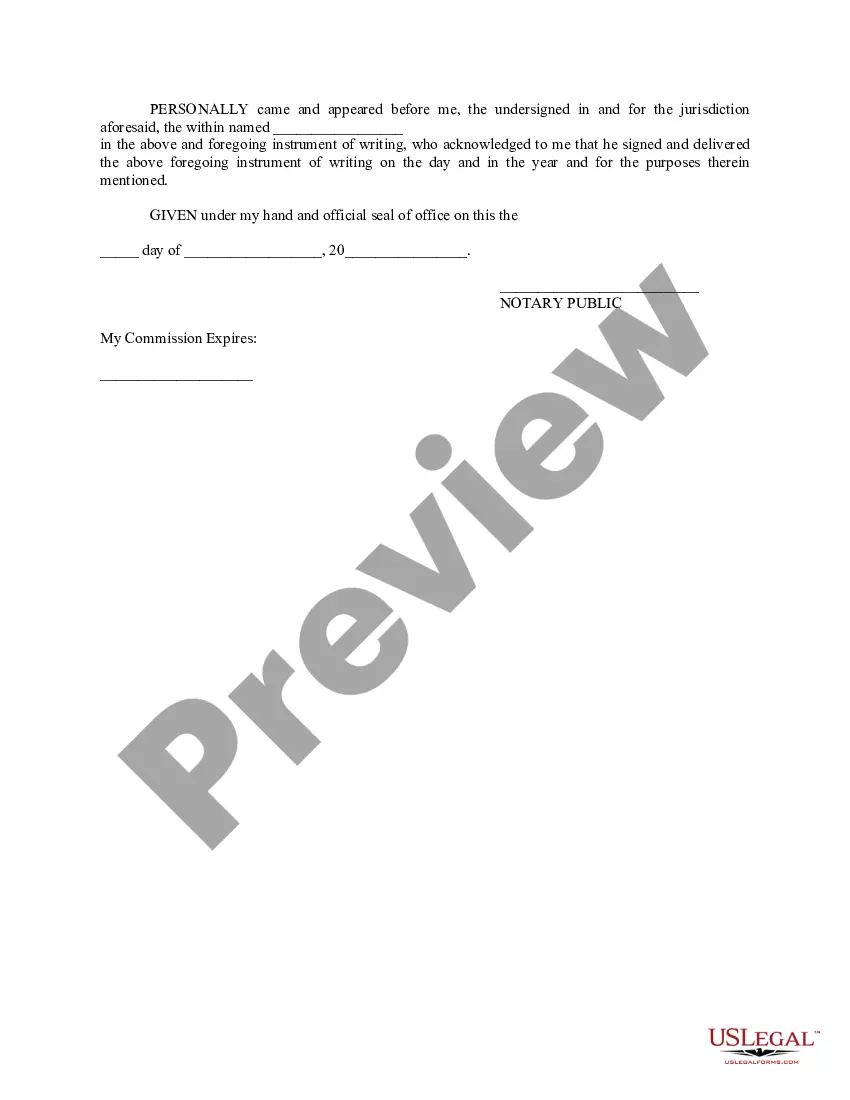
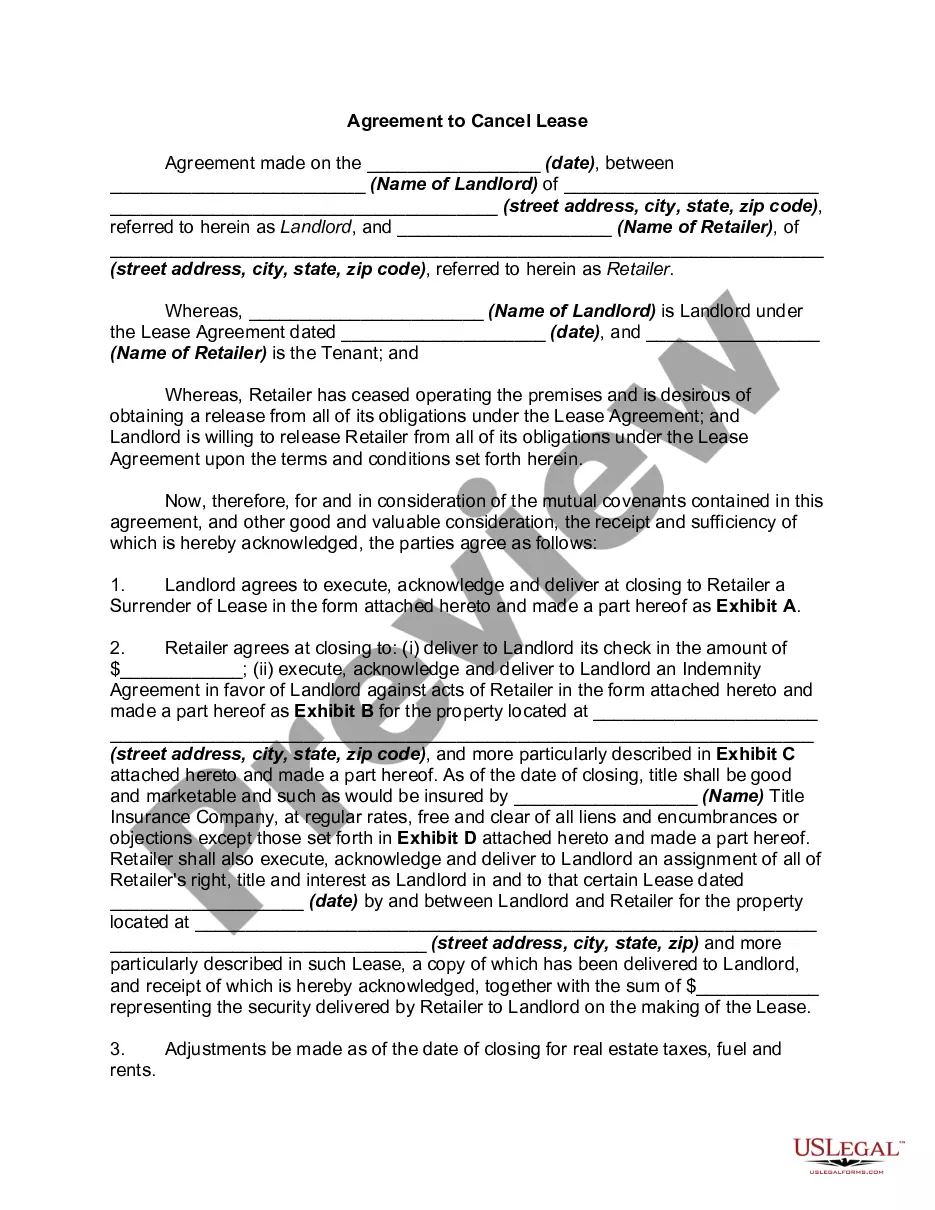
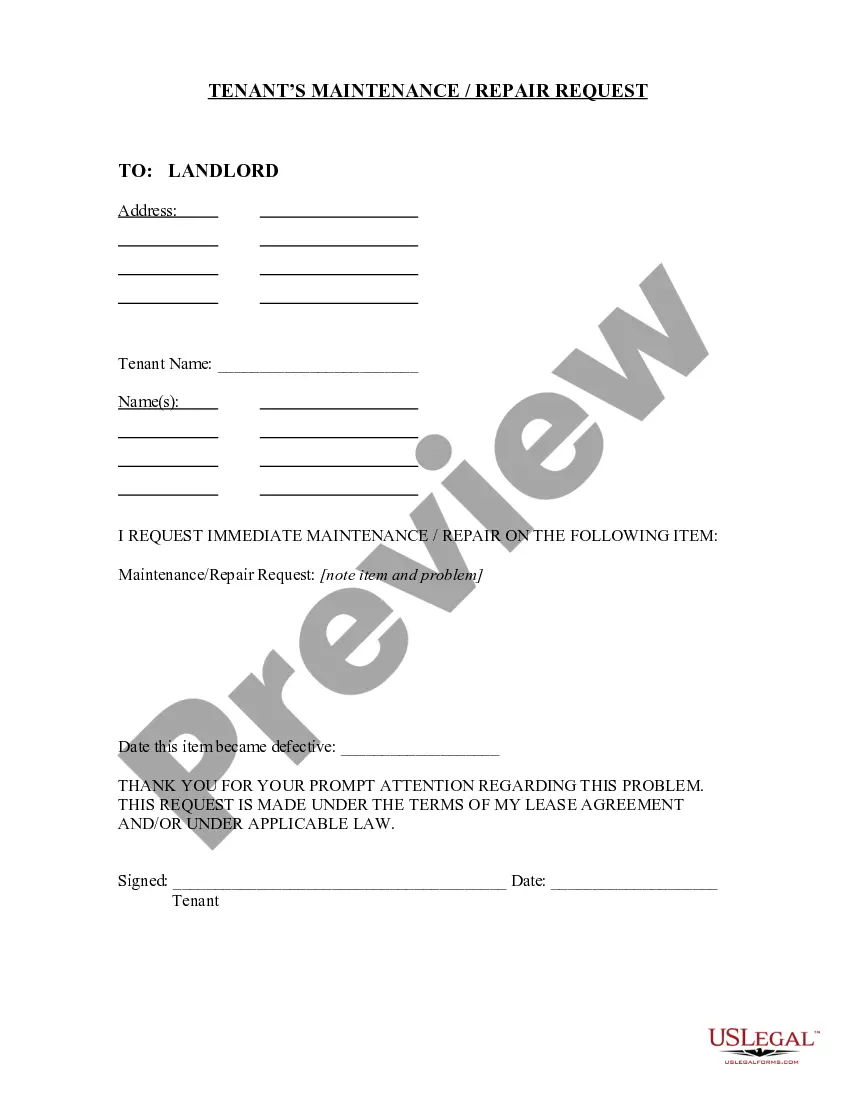
Get your form ready online
Our built-in tools help you complete, sign, share, and store your documents in one place.
Make edits, fill in missing information, and update formatting in US Legal Forms—just like you would in MS Word.
Download a copy, print it, send it by email, or mail it via USPS—whatever works best for your next step.
Sign and collect signatures with our SignNow integration. Send to multiple recipients, set reminders, and more. Go Premium to unlock E-Sign.
If this form requires notarization, complete it online through a secure video call—no need to meet a notary in person or wait for an appointment.
We protect your documents and personal data by following strict security and privacy standards.

Make edits, fill in missing information, and update formatting in US Legal Forms—just like you would in MS Word.

Download a copy, print it, send it by email, or mail it via USPS—whatever works best for your next step.

Sign and collect signatures with our SignNow integration. Send to multiple recipients, set reminders, and more. Go Premium to unlock E-Sign.

If this form requires notarization, complete it online through a secure video call—no need to meet a notary in person or wait for an appointment.

We protect your documents and personal data by following strict security and privacy standards.
Looking for another form?








Form popularity
FAQ
The landlord tenant laws that allow you to break a lease are different from state to state. In many places, you can get out of your lease without penalty for a number of reasons, such as domestic violence, an unsafe environment, or if you've been called up for military service.
A California 60-day lease termination letter is sent to a tenant when the landlord elects to terminate a tenancy-at-will of one year or longer. If the tenancy is not exempt from the Tenancy Protection Act, the landlord must provide "just cause" for termination.
In California, tenants may be able to legally break their lease before its expiration date if they have a justified reason. Justified reasons for breaking a lease are typically related to issues that make the unit uninhabitable or create an unsafe or untenable living situation.
If you are not behind in your rent but the landlord wants you to move out, they must give you a written notice. Only a 30-day notice is required if all tenants have lived there less than a year. A 60-day notice is required if all tenants have lived there a year or longer.
Verbal and Written Agreements California's Statute of Frauds requires a lease to be in writing if it either: 1. has a term longer than one year; or 2. has a term less than one year which expires more than one year after the agreement is reached.
You may be able to legally move out before the lease term ends in the following situations: You or a Family Member Are a Victim of Domestic Violence, Sexual Assault, Stalking, or Elder Abuse. You Are Starting Active Military Duty. The Rental Unit Is Unsafe or Violates California Health or Safety Codes.
When Breaking a Lease is Justified in California. State law (Cal. Civ. Code § 1946.7) provides early termination rights for tenants who are victims of domestic or sexual violence, stalking, or elder abuse, provided that specified conditions are met (such as the tenant securing a temporary restraining order).
