Cancellation Lease Template For Room Rental In Illinois
Description

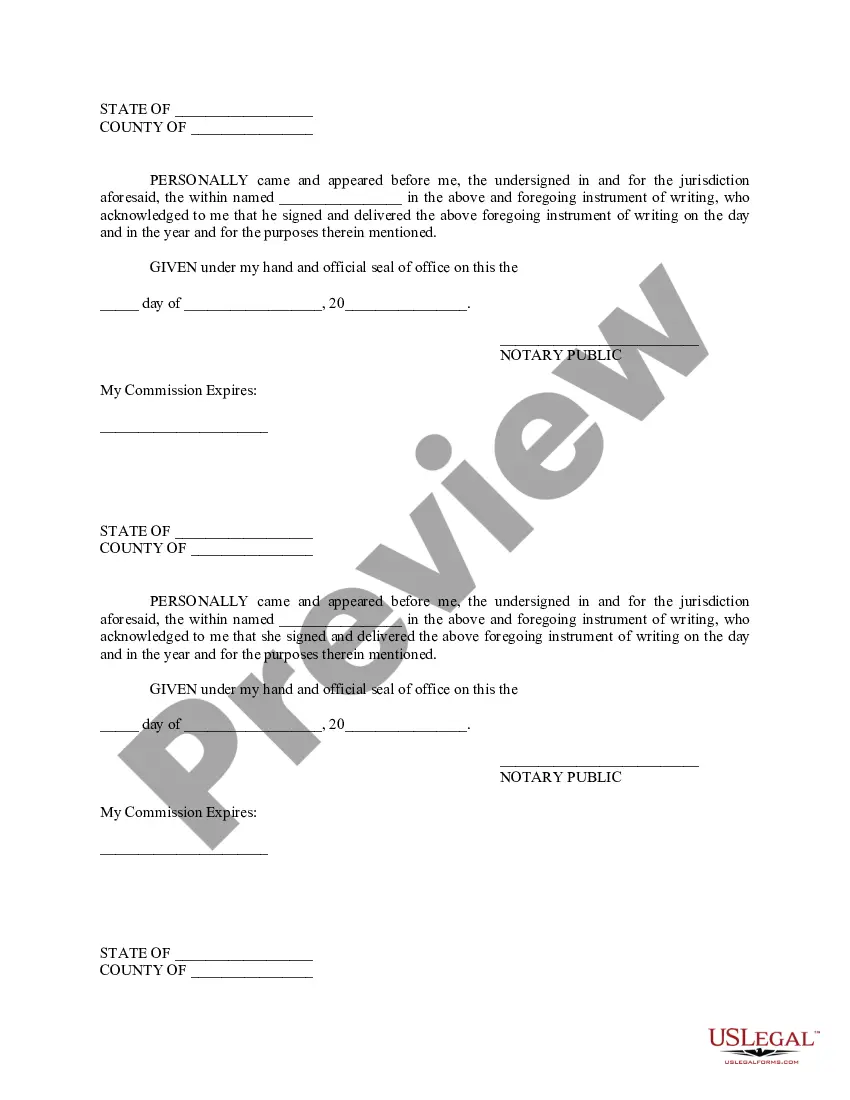
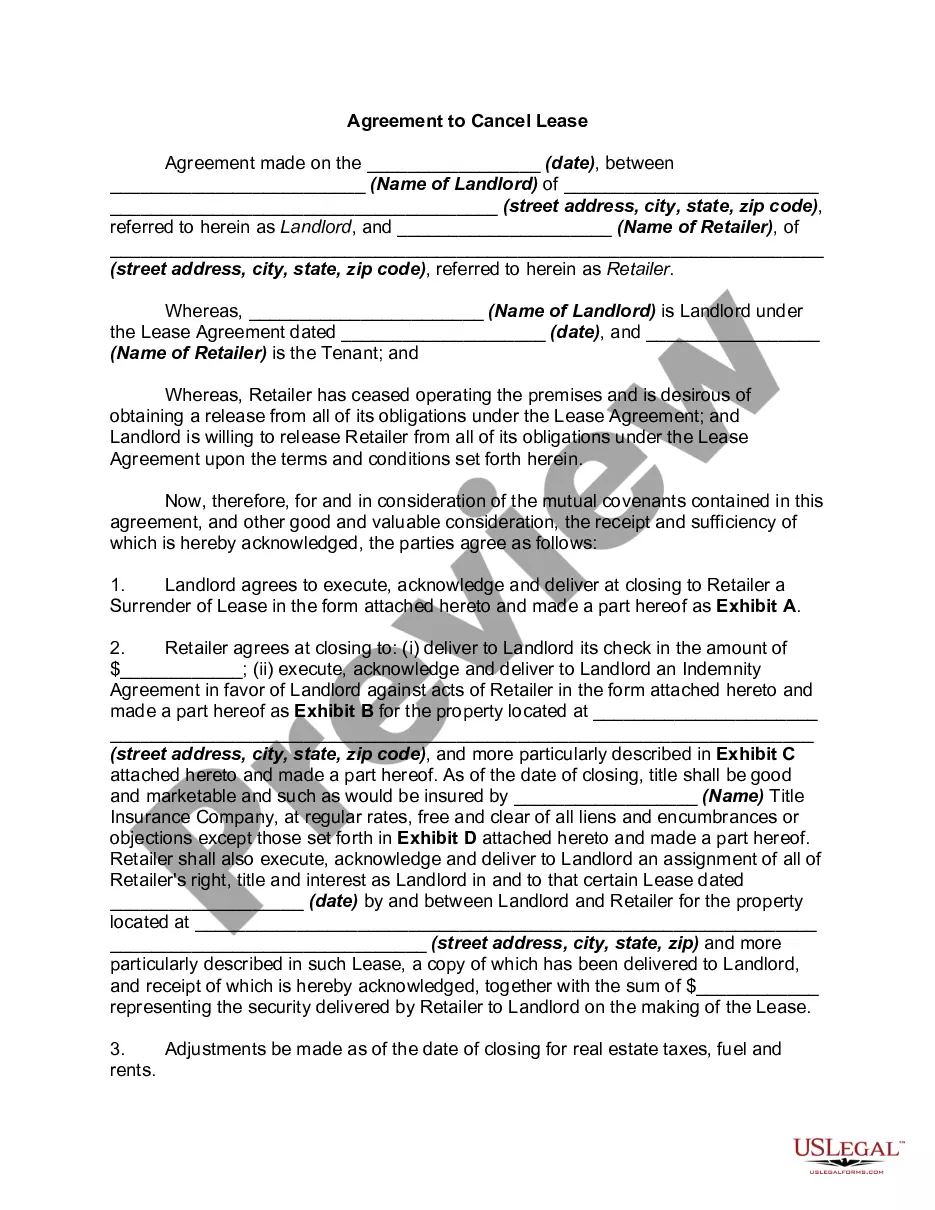
Get your form ready online
Our built-in tools help you complete, sign, share, and store your documents in one place.
Make edits, fill in missing information, and update formatting in US Legal Forms—just like you would in MS Word.
Download a copy, print it, send it by email, or mail it via USPS—whatever works best for your next step.
Sign and collect signatures with our SignNow integration. Send to multiple recipients, set reminders, and more. Go Premium to unlock E-Sign.
If this form requires notarization, complete it online through a secure video call—no need to meet a notary in person or wait for an appointment.
We protect your documents and personal data by following strict security and privacy standards.

Make edits, fill in missing information, and update formatting in US Legal Forms—just like you would in MS Word.

Download a copy, print it, send it by email, or mail it via USPS—whatever works best for your next step.

Sign and collect signatures with our SignNow integration. Send to multiple recipients, set reminders, and more. Go Premium to unlock E-Sign.

If this form requires notarization, complete it online through a secure video call—no need to meet a notary in person or wait for an appointment.

We protect your documents and personal data by following strict security and privacy standards.
Looking for another form?






Form popularity
FAQ
If a tenant receives a 30-day notice, it is NOT AN EVICTION. It means that the landlord no longer wishes to continue the tenancy, but it does not mean that the tenant has violated the lease and it will not come up as an eviction on the tenant's rental history.
The law requires that notice to terminate a rental contract must be given in writing. No specific legal format is required but a registered letter is the surest way. This notice must be sent by post three (complete) months before the date of the end of the lease.
Landlords typically can't terminate leases unless they legally evict their tenant by following Illinois eviction protocols.
I'm writing to inform you that I will not renew my lease. This letter will serve as your # days' notice of my intent to vacate the abovementioned property; my last day will be date last day of lease agreement, which is the last day of my current lease.
Landlords typically can't terminate leases unless they legally evict their tenant by following Illinois eviction protocols. They aren't allowed to break leases out of retaliation and can't no-fault evict tenants who haven't violated their rental contracts.
An Illinois lease termination letter is a legal document required by law to be issued by the landlord to the tenant to initiate the process of ending an Illinois lease contract. It marks the start of the lease termination notice period, during which the tenant is expected to vacate the premises or face eviction.
The most common way to end a lease is by providing the notice required in a Lease Agreement or by state or local law. Tenants use a Tenant Notice of Intent to Move, while landlords use a Landlord's Notice of Non-Renewal.
How to Write One Full names of the parties involved in the lease agreement. Termination date of the lease. Full address of the property. (If applicable) The reason why you chose to terminate the lease agreement. Landlord's signature and printed name. The current date and method of notice delivery.
