Link Asset Services Indemnity For Lost Certificate In Michigan
Description
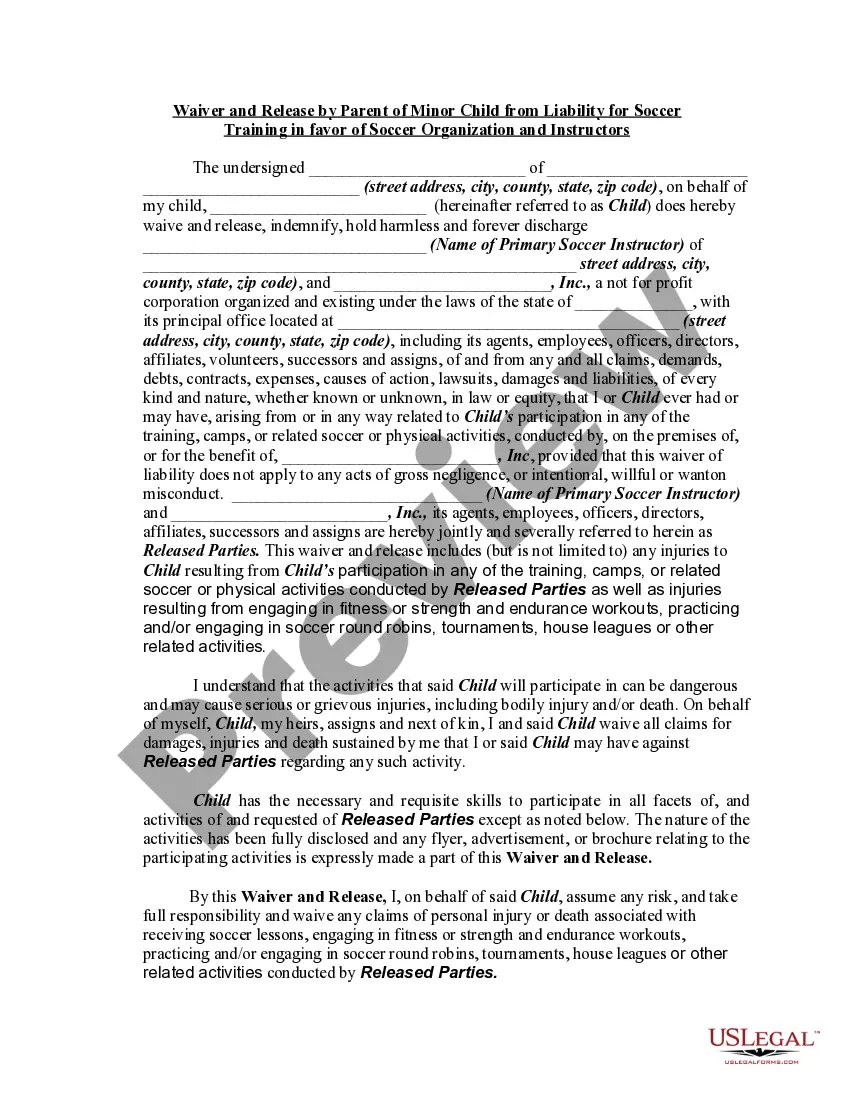
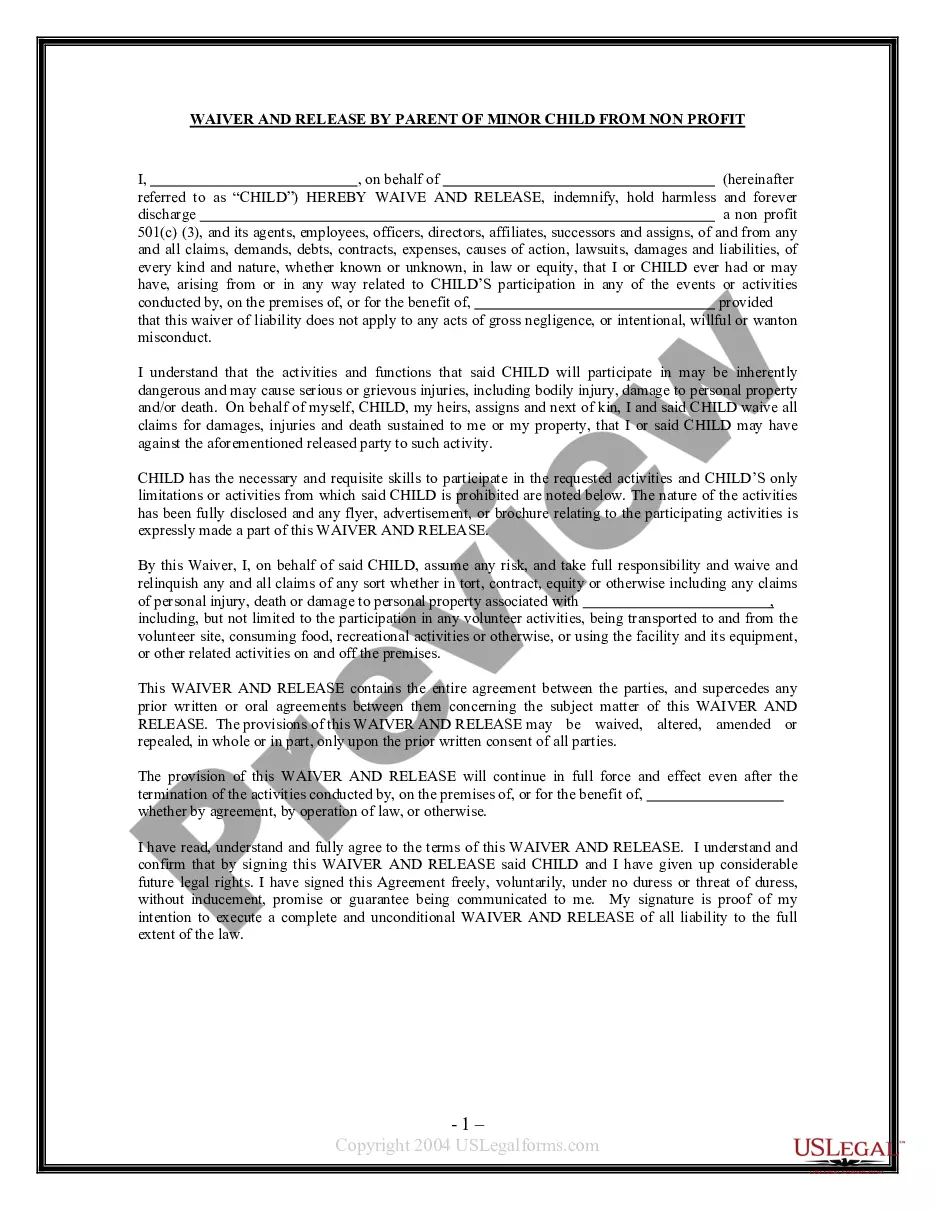
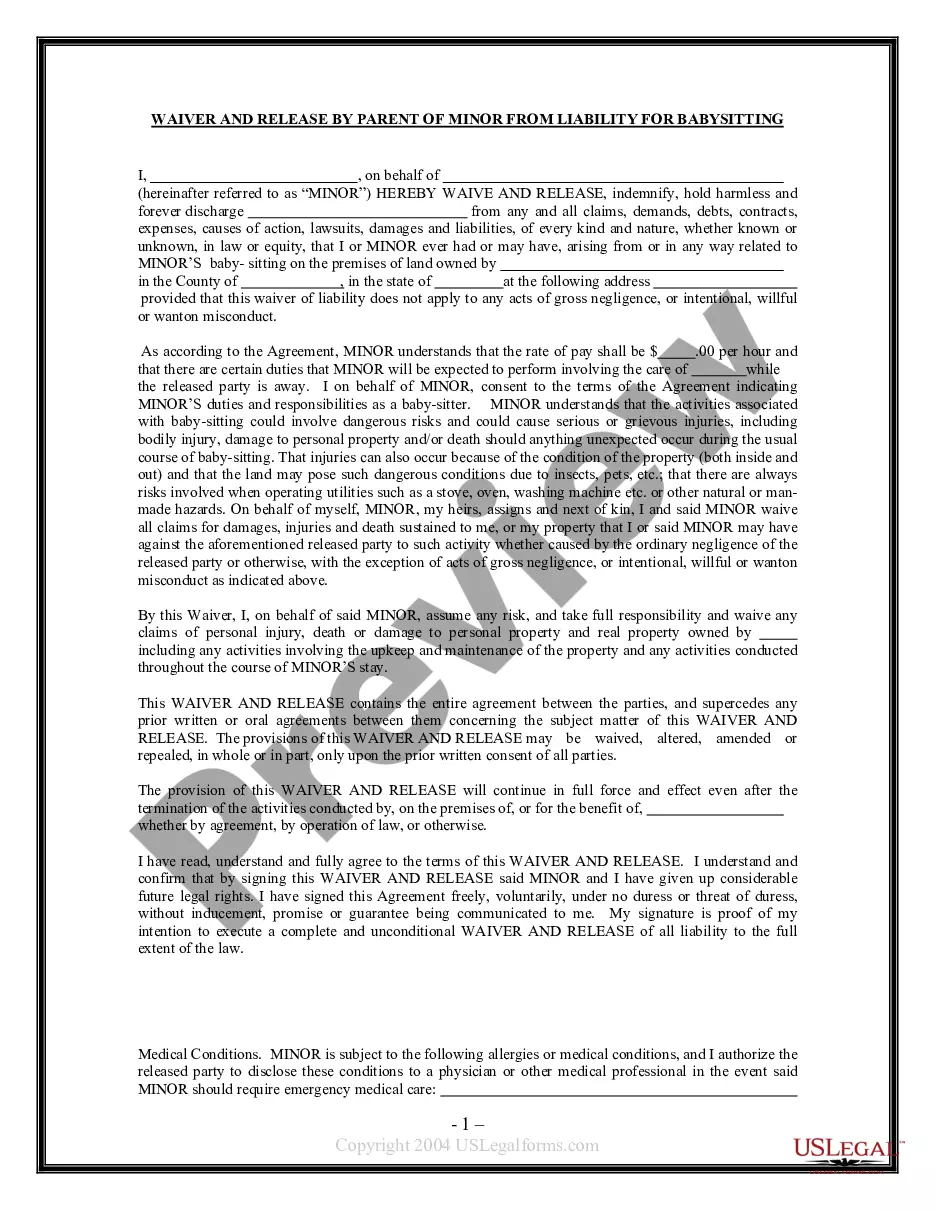
Get your form ready online
Our built-in tools help you complete, sign, share, and store your documents in one place.
Make edits, fill in missing information, and update formatting in US Legal Forms—just like you would in MS Word.
Download a copy, print it, send it by email, or mail it via USPS—whatever works best for your next step.
Sign and collect signatures with our SignNow integration. Send to multiple recipients, set reminders, and more. Go Premium to unlock E-Sign.
If this form requires notarization, complete it online through a secure video call—no need to meet a notary in person or wait for an appointment.
We protect your documents and personal data by following strict security and privacy standards.

Make edits, fill in missing information, and update formatting in US Legal Forms—just like you would in MS Word.

Download a copy, print it, send it by email, or mail it via USPS—whatever works best for your next step.

Sign and collect signatures with our SignNow integration. Send to multiple recipients, set reminders, and more. Go Premium to unlock E-Sign.

If this form requires notarization, complete it online through a secure video call—no need to meet a notary in person or wait for an appointment.

We protect your documents and personal data by following strict security and privacy standards.
Looking for another form?





Form popularity
FAQ
In Michigan, generally, if you let someone else drive your car they are typically covered by your insurance policy as long as you give them permission, they have a valid Michigan driver's license and own a vehicle that is registered and insured in Michigan and aren't excluded from your policy.
In Michigan, generally the answer to the question of does insurance follow the car or the driver is that auto No-Fault insurance coverage will follow the driver, but depending on the contract language of your policy, it can also follow the vehicle. Liability exposure will almost always include both.
When you come to sell your shares, it's possible that you won't be able to find the certificate, and if you can't, the Registrar will ask you to sign an indemnity, which protects them in case you aren't who you say you are, so in other words, you're a fraudster.
In general, everyone that is 14 years and older who resides within your household should be listed on your policy, regardless of whether or not they have a driver's license. Any other regular operators of vehicles, including children away from home or in college (licensed or not), should be listed as well.
Bodily injury liability coverage – Starting on July 2, 2020, drivers will be required to carry bodily injury liability insurance in the amounts of $250,000 and $500,000 that provides liability coverage in the event they cause a car accident that injures or takes the life of another person.
PIP Choice – After nearly 40 years of requiring all drivers to carry “unlimited” No-Fault medical coverage to protect them and their families in case they are injured in a car accident, the law now requires drivers to choose from one of four No-Fault PIP medical benefits coverage levels: (1) $50,000 for drivers ...
When you come to sell your shares, it's possible that you won't be able to find the certificate, and if you can't, the Registrar will ask you to sign an indemnity, which protects them in case you aren't who you say you are, so in other words, you're a fraudster.
Lost Share Certificate Have you lost your share certificate? ... Need help? ... Step 1 - Notification. Lost Share Certificate Notification Form. Step 2 - Verification. Step 3 - Indemnity. Step 4 - Replacement.
The owner must buy an indemnity bond to protect the corporation and the transfer agent against the possibility that the lost certificate may be presented later by an innocent purchaser. The bond usually costs between two or three percent of the current market value of the missing certificates; and.
To replace the physical certificate, shareholders must contact the company's stock transfer agent. 1 They may also be required to complete an affidavit of loss document. The corporation's investor relations department should be able to provide a shareholder with information on how to contact the transfer agent.