Hoa Rules For Plants In Washington
Description

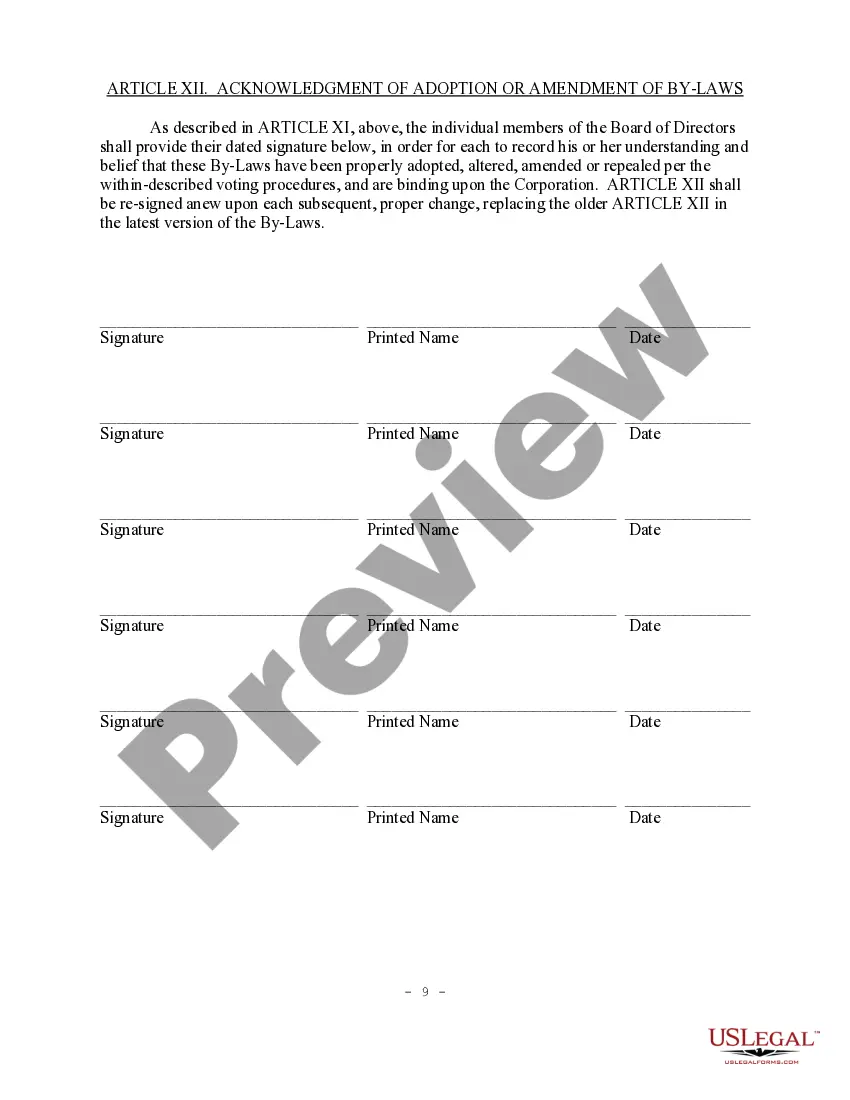
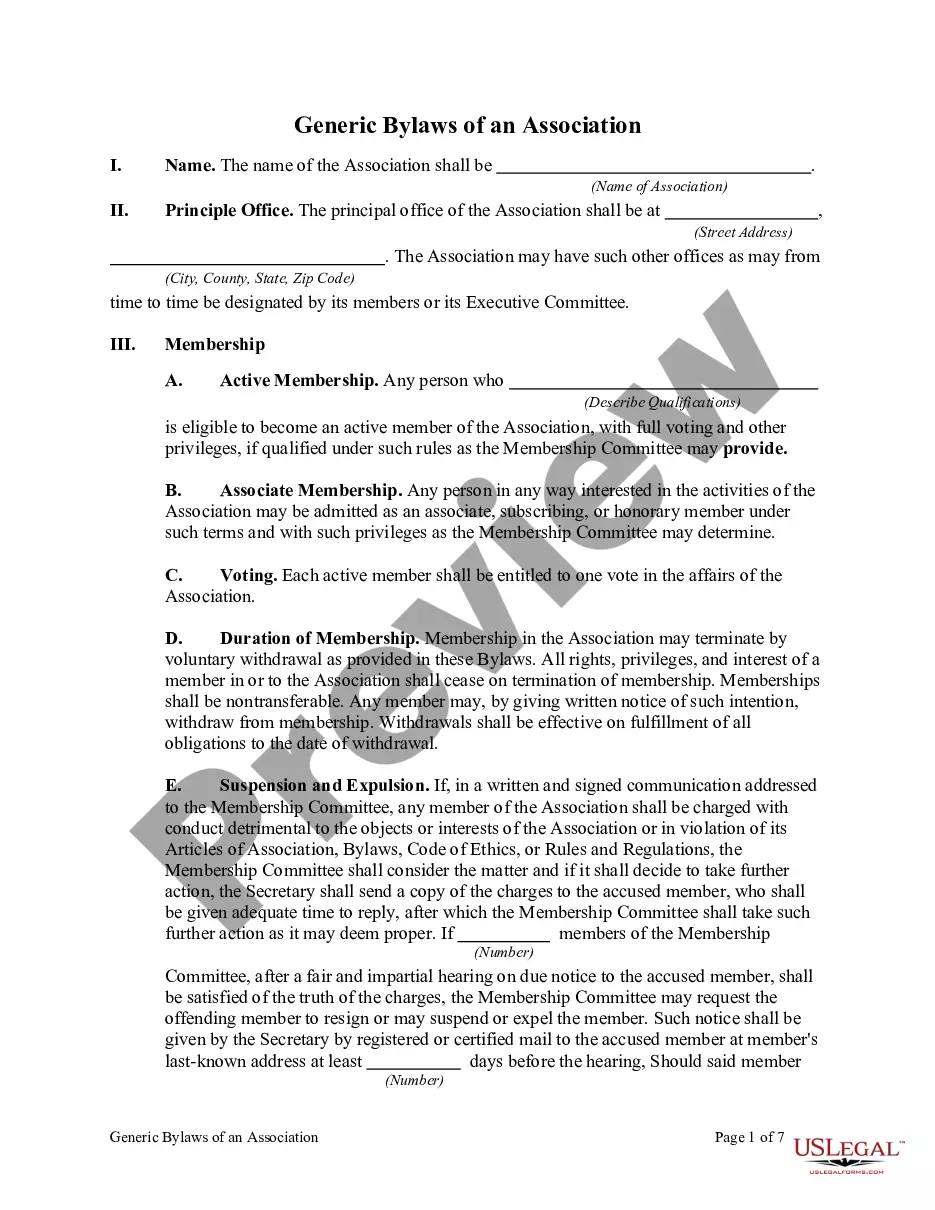
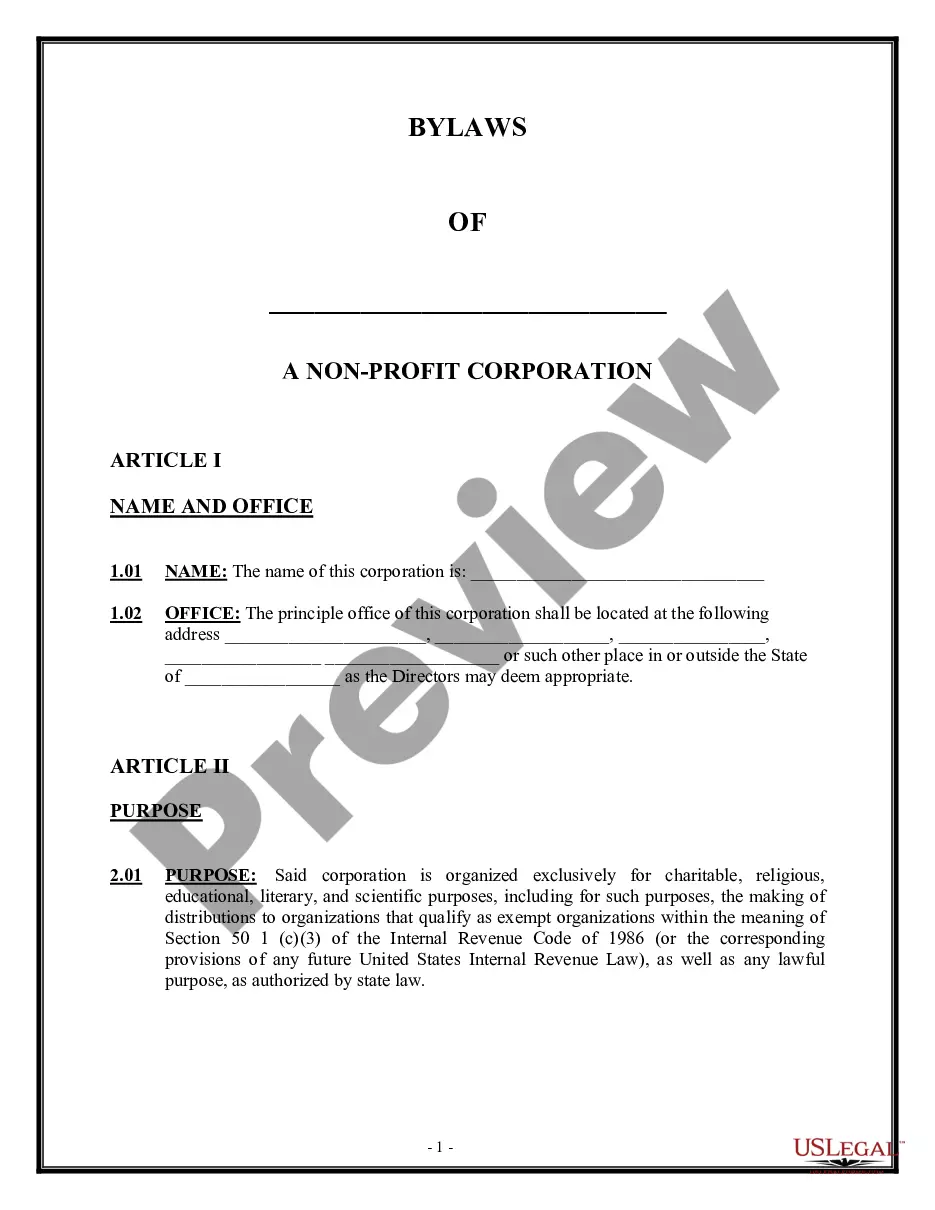
Get your form ready online
Our built-in tools help you complete, sign, share, and store your documents in one place.
Make edits, fill in missing information, and update formatting in US Legal Forms—just like you would in MS Word.
Download a copy, print it, send it by email, or mail it via USPS—whatever works best for your next step.
Sign and collect signatures with our SignNow integration. Send to multiple recipients, set reminders, and more. Go Premium to unlock E-Sign.
If this form requires notarization, complete it online through a secure video call—no need to meet a notary in person or wait for an appointment.
We protect your documents and personal data by following strict security and privacy standards.

Make edits, fill in missing information, and update formatting in US Legal Forms—just like you would in MS Word.

Download a copy, print it, send it by email, or mail it via USPS—whatever works best for your next step.

Sign and collect signatures with our SignNow integration. Send to multiple recipients, set reminders, and more. Go Premium to unlock E-Sign.

If this form requires notarization, complete it online through a secure video call—no need to meet a notary in person or wait for an appointment.

We protect your documents and personal data by following strict security and privacy standards.
Looking for another form?









Form popularity
FAQ
HOAs may ask homeowners to do something or keep you from doing something not officially covered in the CC&Rs. In such cases, homeowners may want to take legal action against the HOA by filing a lawsuit.
Homeowners in Washington State can file complaints against their HOA through the Washington Human Rights Commission if they believe their rights have been violated. Complaints can also be directed to local courts for disputes over covenant enforcement, with the process defined under the applicable state statutes.
Typically, an HOA board must send adequate notice to members of the vote for dissolution. The members will then vote using the method/s that state laws and the bylaws allow. If the vote passes, then the HOA will dissolve.
State law: Washington state has laws that specifically grant HOAs and COA (inium Owner Associations) the authority to create and enforce CC&Rs.
HOA governing documents are public record in Washington. An HOA must record its governing documents with the county land records to be enforceable.
Homeowners in Washington State can file complaints against their HOA through the Washington Human Rights Commission if they believe their rights have been violated. Complaints can also be directed to local courts for disputes over covenant enforcement, with the process defined under the applicable state statutes.
Homeowners' associations in Washington are governed by the WUCIOA. This act applies to all common interest communities, including planned developments and iniums.
No, there is not a way to ``leave the HOA'' without moving. The HOA covenants are tied to the property permanently.
Once you buy a home that's part of an HOA, you automatically become a member of the HOA. HOA rules are legally binding, and you must adhere to all rules and regulations in the governing document. Yes, there are bylaws that you may not like, but there are no HOA loopholes.
The local law supersedes the rules and regulations of the HOA, meaning that HOAs must ensure they are operating under the law.