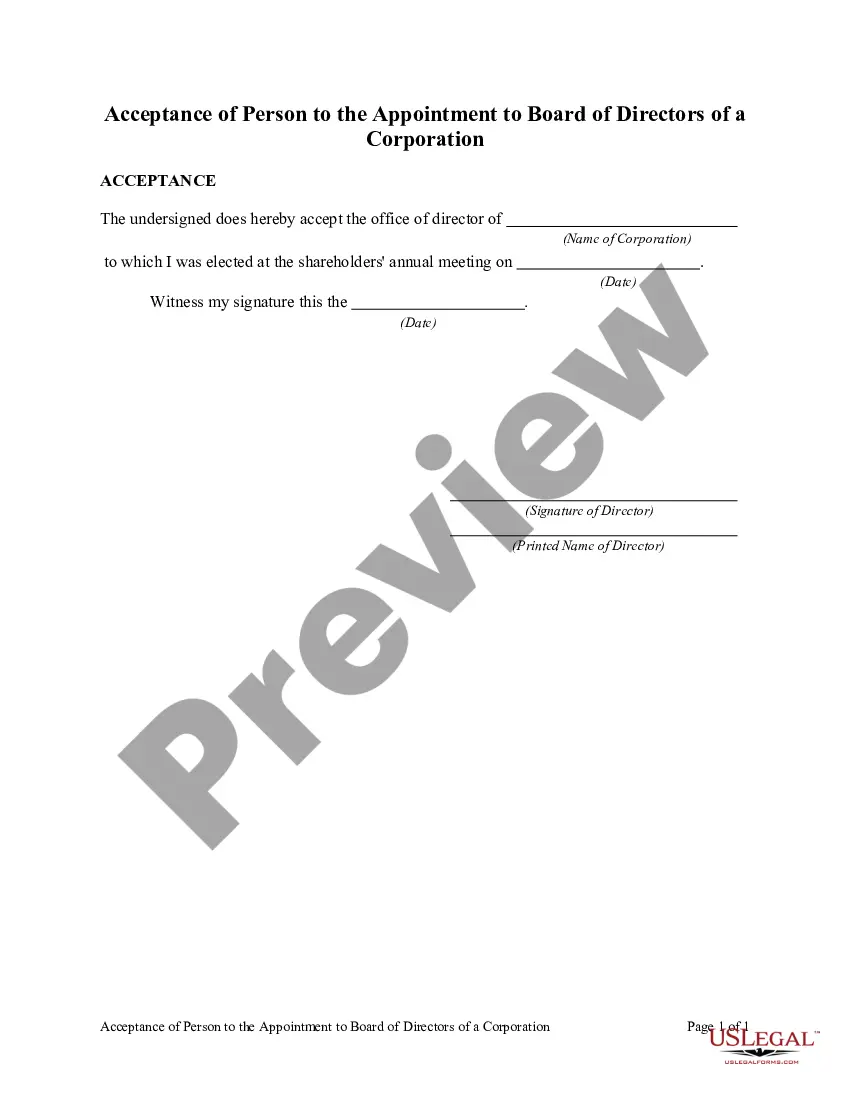
Hoa Bylaws Template For Corporation In Virginia
Description











Get your form ready online
Our built-in tools help you complete, sign, share, and store your documents in one place.
Make edits, fill in missing information, and update formatting in US Legal Forms—just like you would in MS Word.
Download a copy, print it, send it by email, or mail it via USPS—whatever works best for your next step.
Sign and collect signatures with our SignNow integration. Send to multiple recipients, set reminders, and more. Go Premium to unlock E-Sign.
If this form requires notarization, complete it online through a secure video call—no need to meet a notary in person or wait for an appointment.
We protect your documents and personal data by following strict security and privacy standards.

Make edits, fill in missing information, and update formatting in US Legal Forms—just like you would in MS Word.

Download a copy, print it, send it by email, or mail it via USPS—whatever works best for your next step.

Sign and collect signatures with our SignNow integration. Send to multiple recipients, set reminders, and more. Go Premium to unlock E-Sign.

If this form requires notarization, complete it online through a secure video call—no need to meet a notary in person or wait for an appointment.

We protect your documents and personal data by following strict security and privacy standards.
Looking for another form?








Form popularity
FAQ
For questions or additional information, please contact the Office of the Common Interest Community Ombudsman at (804) 367-2941 or cicombudsman@dpor.virginia.
Homeowners can sue a board member of an HOA in Virginia if they believe there has been a violation of the governing documents or state law. Legal action must be based on specific grievances, such as breach of fiduciary duty or failure to follow the association's rules.
Corporate bylaws are a company's foundational governing document. They lay out how things should run day-to-day and the processes for making important decisions. They serve as a legal contract between the corporation and its shareholders, directors, and officers and set the protocol for how the organization operates.
Homeowners often ask whether local laws supersede the rules and regulations set forth by their homeowner association (HOA). The short answer is yes, local laws do supersede HOA rules.
Many associations have communication channels in place so that homeowners can talk to the board or the community manager about any issues. However, if you wish to file a complaint against your HOA, you can do so with the Office of the Common Interest Community Ombudsman.
Corporate bylaws are legally required in Virginia. The law doesn't specify when bylaws must be adopted, but usually this happens at the organizational meeting.
Clarity of Operating Rules An unincorporated association is recognized in California law as a legal entity. For example, it can sue and be sued. Incorporated homeowners associations likewise are recognized as legal “persons” with the power to take legal action, such as entering into contracts and bringing lawsuits.
While it's fine to have a home office business such as accounting or search engine optimization, your HOA won't allow you to use your home for obvious commercial use such as manufacturing, storing large equipment, or making or receiving frequent deliveries.
Corporate bylaws are legally required in Virginia. The law doesn't specify when bylaws must be adopted, but usually this happens at the organizational meeting.