Property Owners Association Bylaws Fort Pierce Fl In Texas
Description

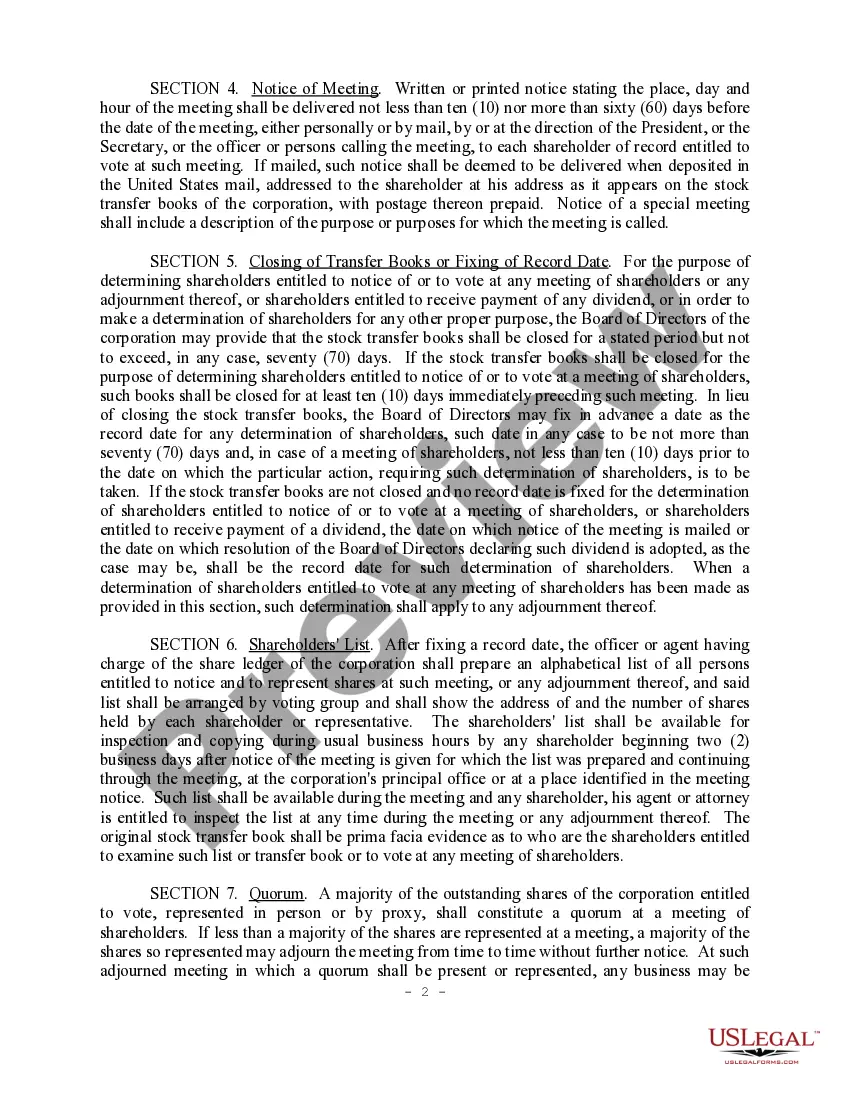
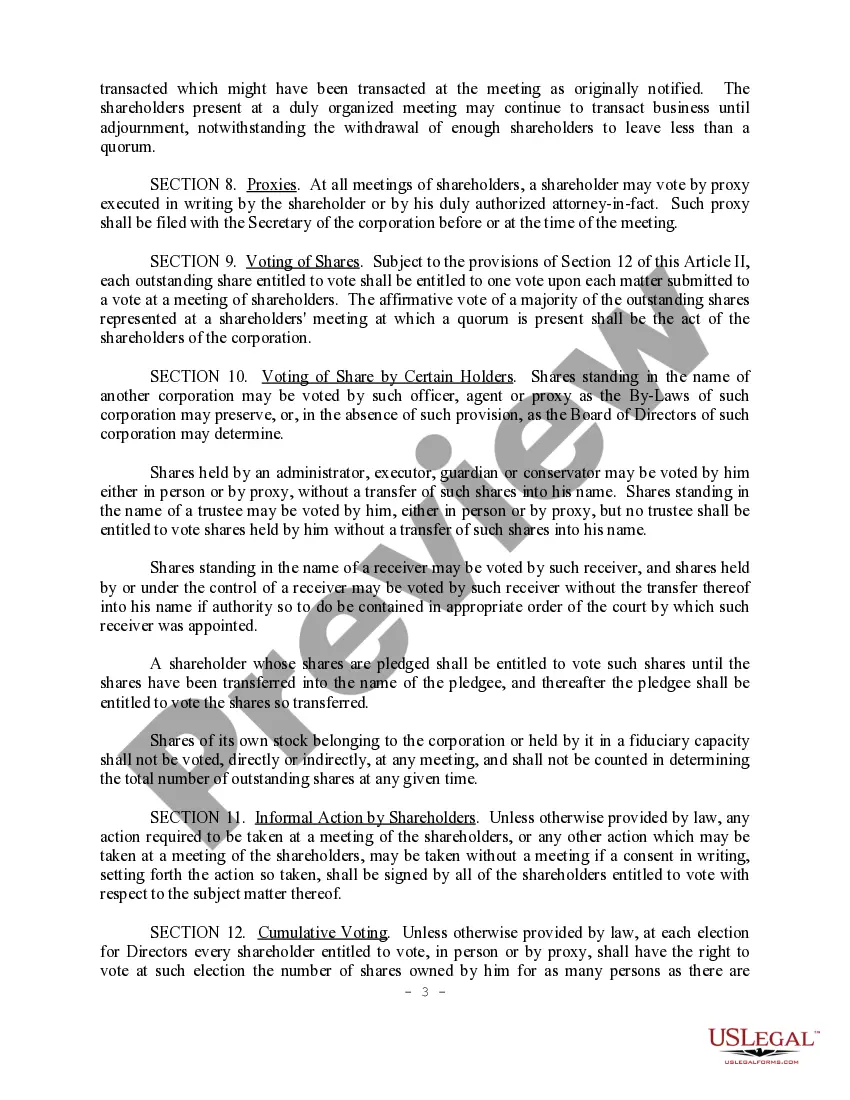
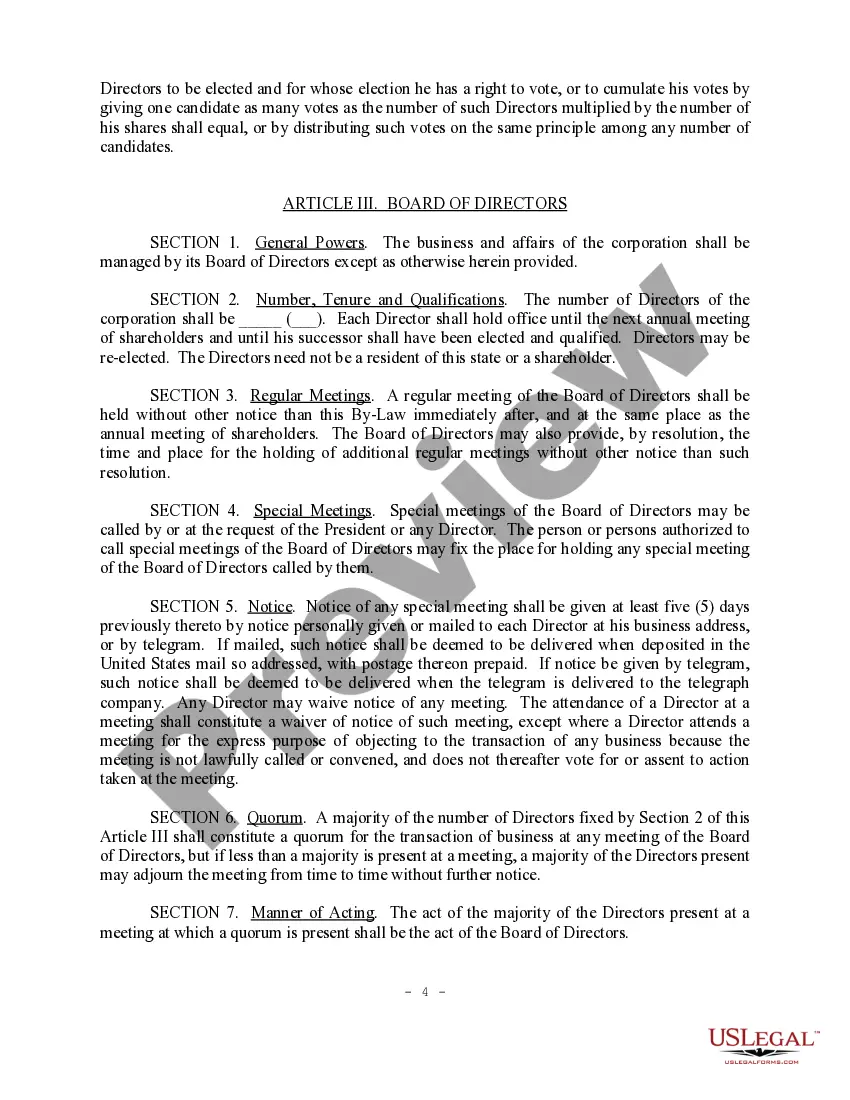
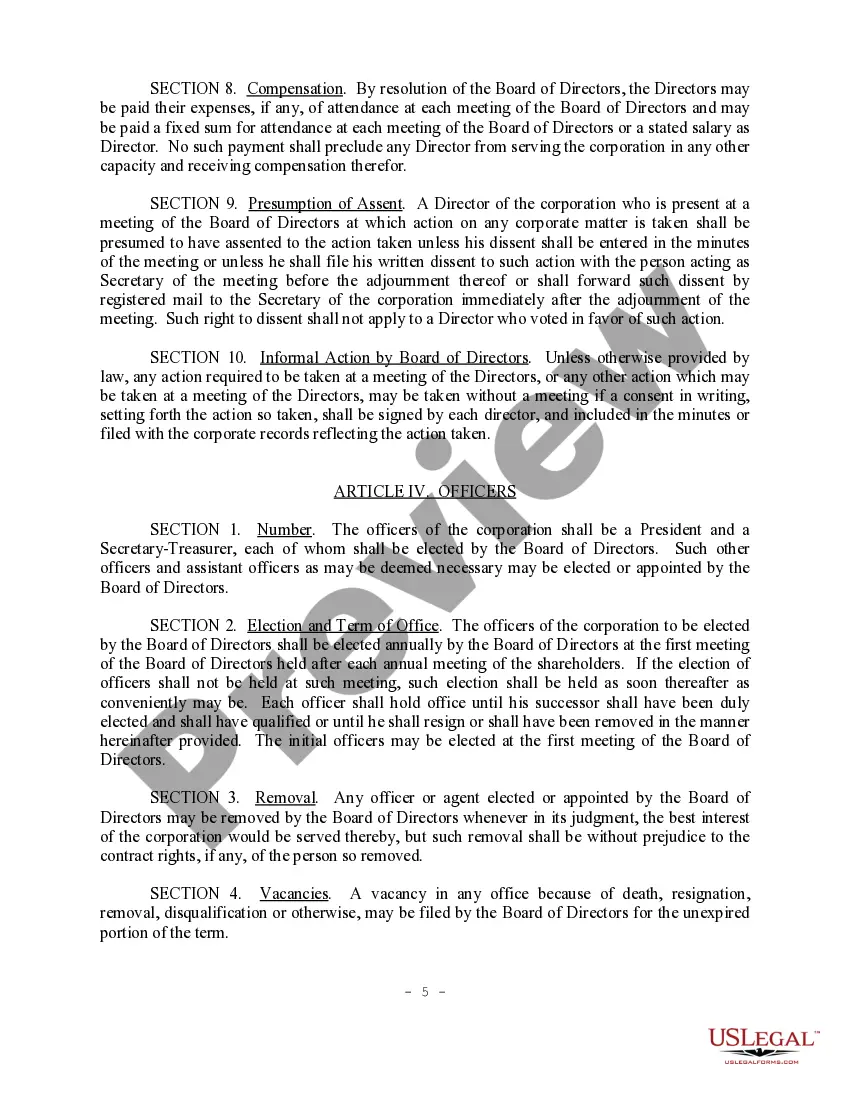
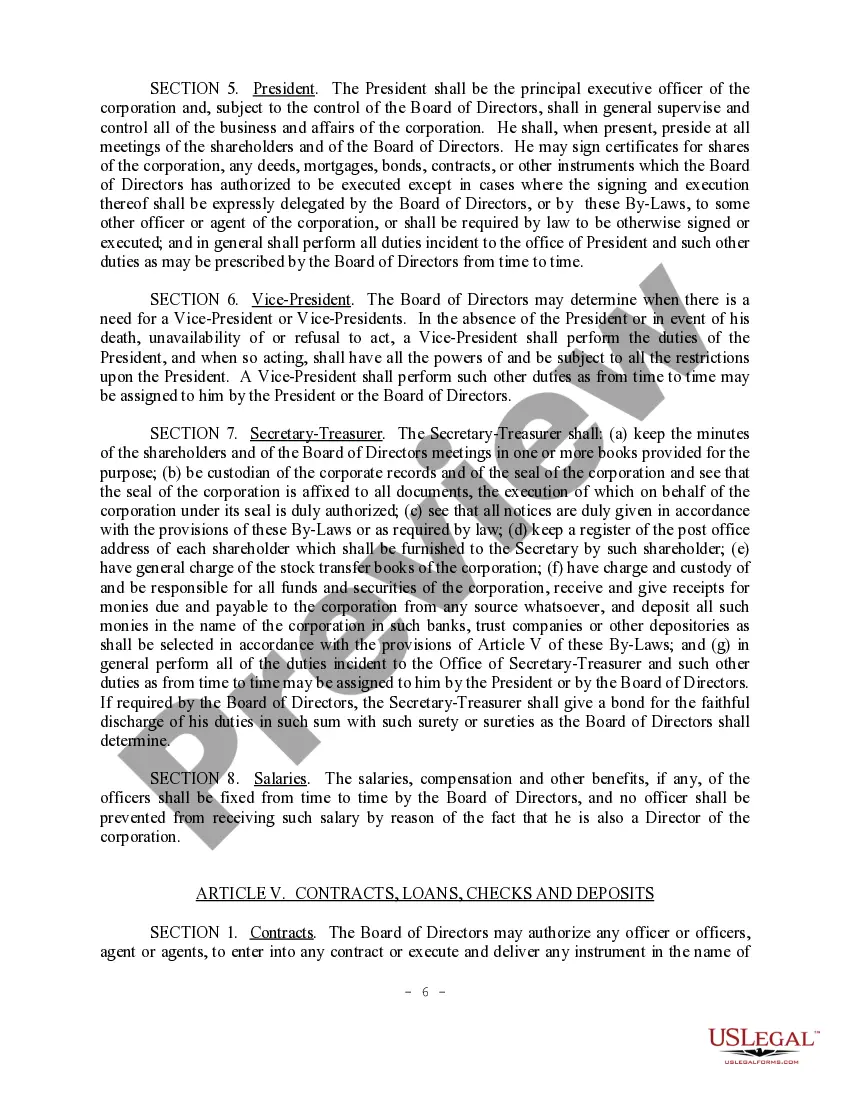
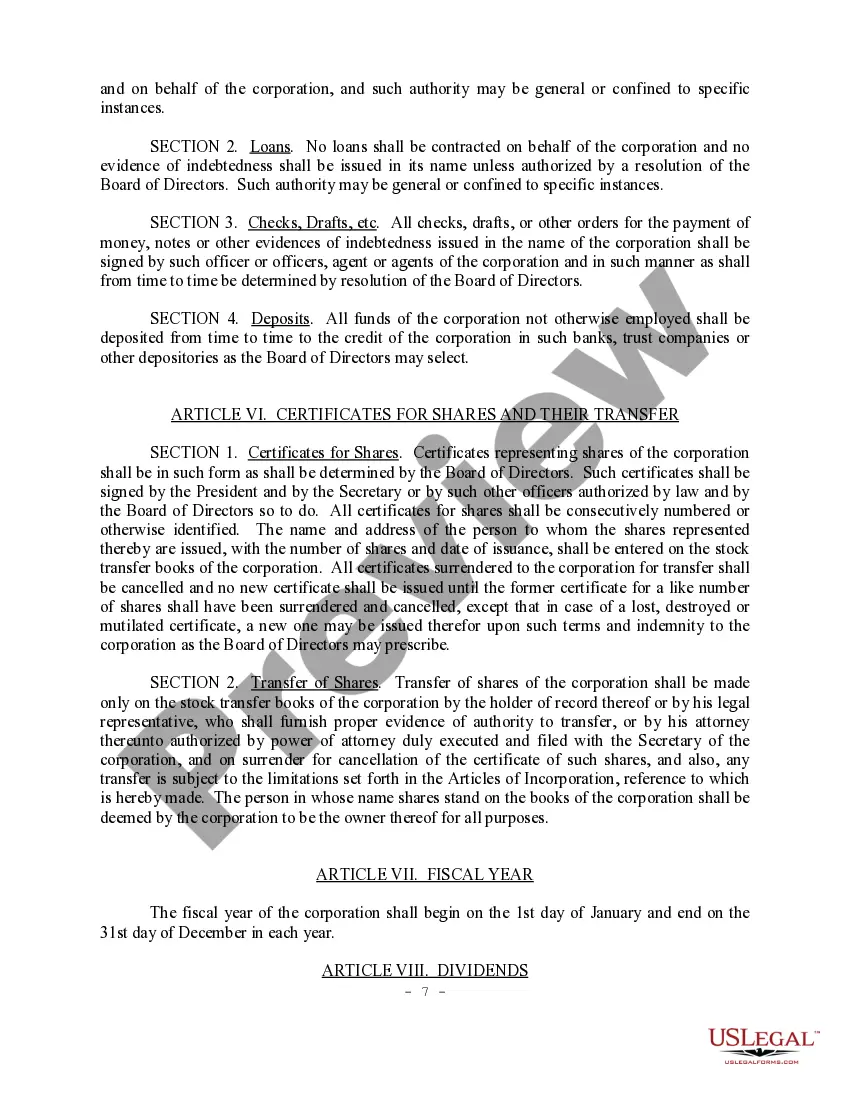
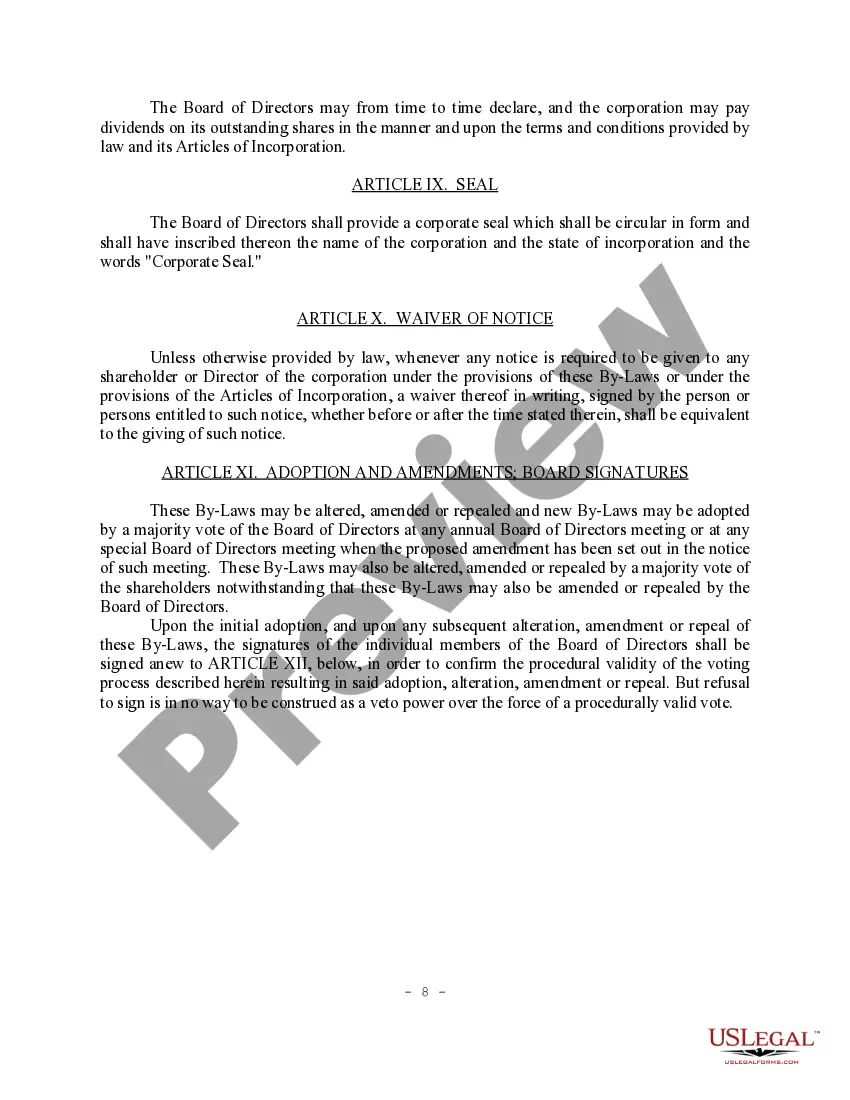
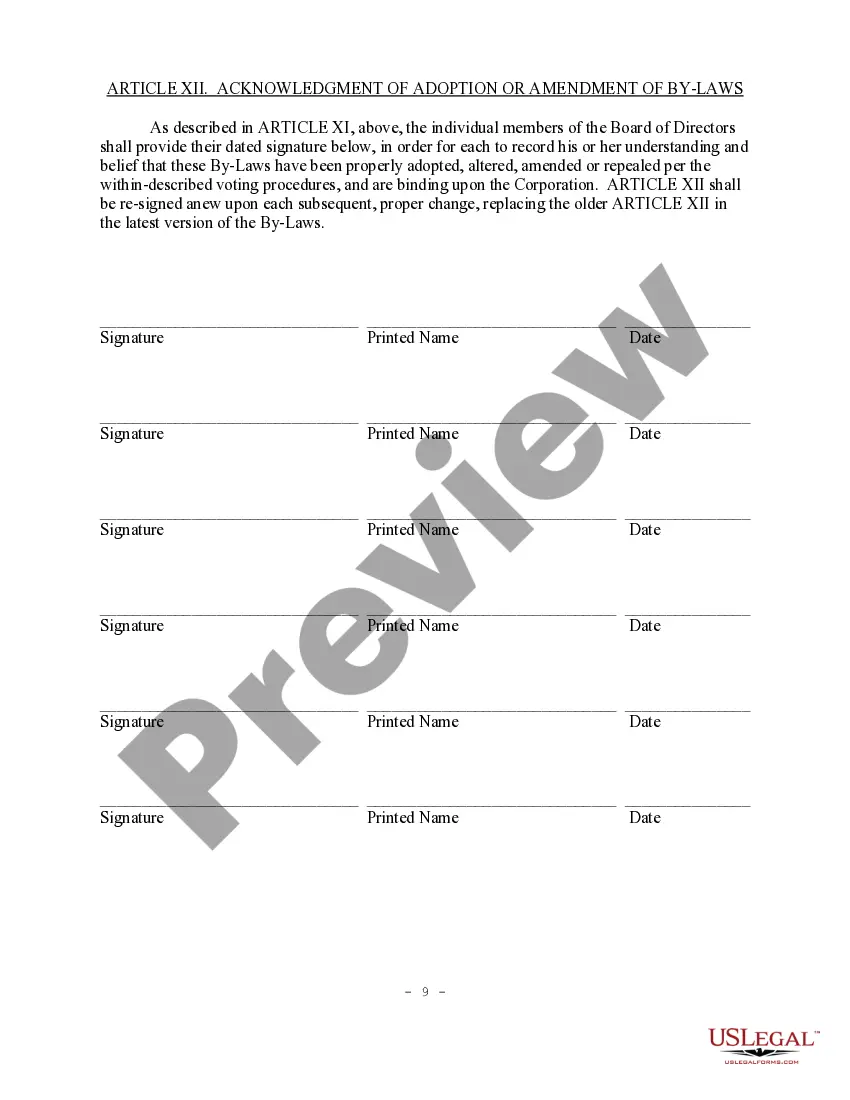
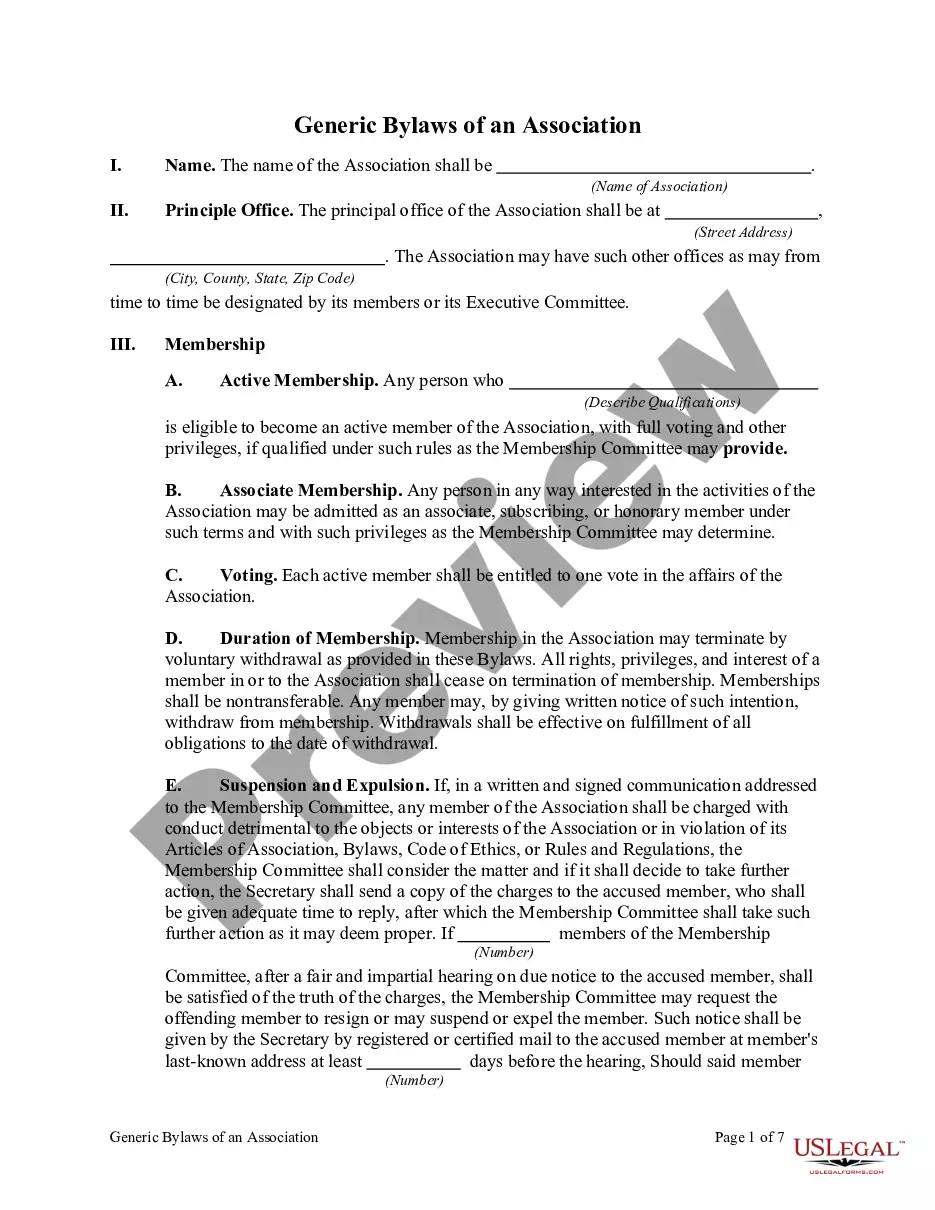

Get your form ready online
Our built-in tools help you complete, sign, share, and store your documents in one place.
Make edits, fill in missing information, and update formatting in US Legal Forms—just like you would in MS Word.
Download a copy, print it, send it by email, or mail it via USPS—whatever works best for your next step.
Sign and collect signatures with our SignNow integration. Send to multiple recipients, set reminders, and more. Go Premium to unlock E-Sign.
If this form requires notarization, complete it online through a secure video call—no need to meet a notary in person or wait for an appointment.
We protect your documents and personal data by following strict security and privacy standards.

Make edits, fill in missing information, and update formatting in US Legal Forms—just like you would in MS Word.

Download a copy, print it, send it by email, or mail it via USPS—whatever works best for your next step.

Sign and collect signatures with our SignNow integration. Send to multiple recipients, set reminders, and more. Go Premium to unlock E-Sign.

If this form requires notarization, complete it online through a secure video call—no need to meet a notary in person or wait for an appointment.

We protect your documents and personal data by following strict security and privacy standards.
Looking for another form?
Form popularity
FAQ
Most HOA documents are public record, including governing documents. Some states only require the HOA to make certain documents public, while others can be kept confidential.
HOA: Manages amenities and common areas within the confines of a particular community, which may include parks, pools, or clubhouses. POA: Often oversees larger-scale amenities, such as golf courses, recreational facilities, or expansive common areas that serve multiple neighborhoods.
The new law went into effect on Jan. 1, 2024. HOAs are mandated by law to provide property owners with a catalog outlining prohibited items, a fine timetable, and details on the conduct of hearings. The information must be posted to their website and given annually to residents via delivery, first-class mail, or email.
You can contact your local government office for assistance. For example, you can visit the California Attorney General's HOA Consumer Information page for more details. Online Databases: There are online databases and resources that compile HOA documents. These can be helpful if your HOA participates in such programs.
More often than not, associations have rules that regulate what objects owners can place in their backyards. For instance, an HOA may not allow large sculptures, offensive decorations, or basketball hoops. Again, these rules circle back to the objective to maintain the aesthetics of the community.
Guide for Buying a Home with an HOA Ask to see the governing documents. Research your monthly fees and what they cover. Double-check the HOA's finances. Get to know the community. If you do buy into an HOA, get involved.
Reviewing rules before buying If you do not have a real estate agent, then you should attempt to get in touch with the association personally. Make a phone call or write a letter to request information about monthly HOA fees, special assessments, meeting minutes, etc., along with the association's governing documents.
Simply put, homeowners association bylaws dictate how an HOA should run. Since HOAs are considered corporations under law, albeit non-profit, they require bylaws to govern day-to-day operations. HOA bylaws are also sometimes referred to as neighborhood association bylaws or subdivision bylaws.
Finding HOA Information Check the property deed. Search the real property records in the county clerk's office where the subdivision is located. Search the Homeowners' Association Management Certificate Database. Hire a lawyer to help with the search.
In 2021, the Texas Senate passed Bill 1588, which placed restrictions on HOA authority over fencing. This legislation ensures that if you own a property, your HOA cannot categorically deny you the right to a fence installation.
