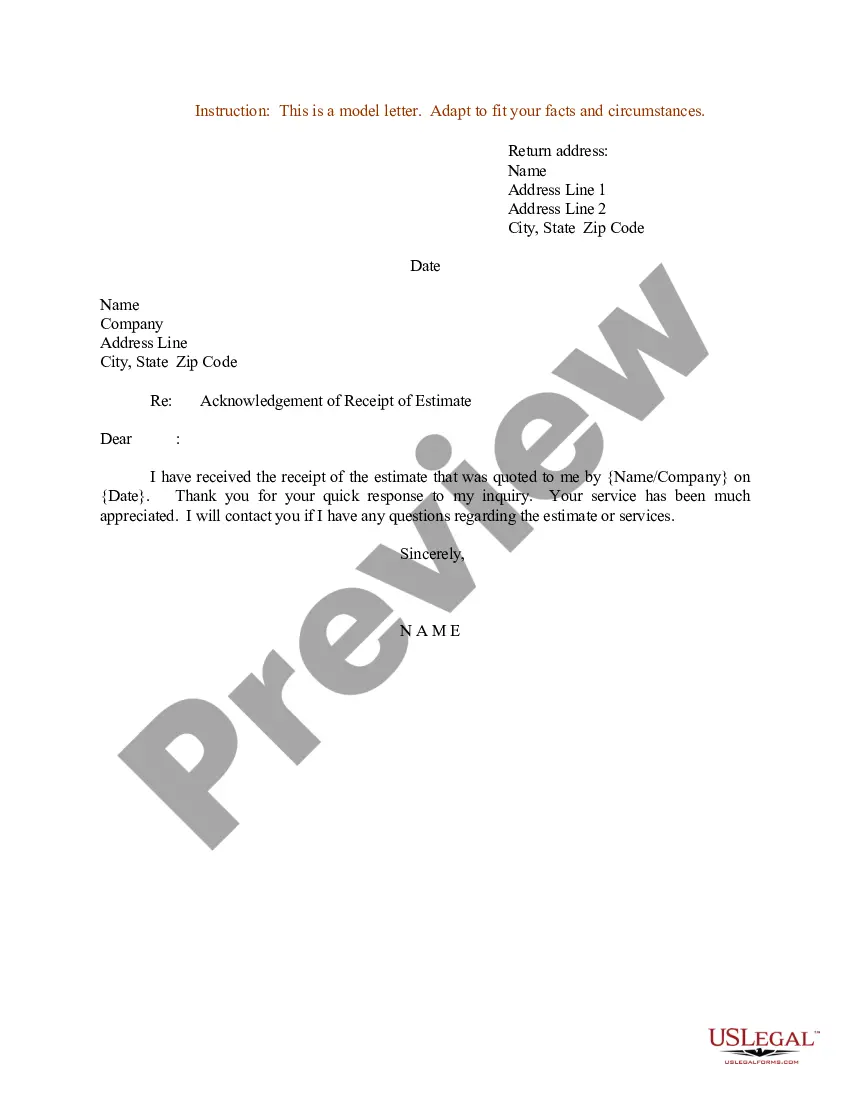
Hoa Rules For Renters In Palm Beach
Description











Get your form ready online
Our built-in tools help you complete, sign, share, and store your documents in one place.
Make edits, fill in missing information, and update formatting in US Legal Forms—just like you would in MS Word.
Download a copy, print it, send it by email, or mail it via USPS—whatever works best for your next step.
Sign and collect signatures with our SignNow integration. Send to multiple recipients, set reminders, and more. Go Premium to unlock E-Sign.
If this form requires notarization, complete it online through a secure video call—no need to meet a notary in person or wait for an appointment.
We protect your documents and personal data by following strict security and privacy standards.

Make edits, fill in missing information, and update formatting in US Legal Forms—just like you would in MS Word.

Download a copy, print it, send it by email, or mail it via USPS—whatever works best for your next step.

Sign and collect signatures with our SignNow integration. Send to multiple recipients, set reminders, and more. Go Premium to unlock E-Sign.

If this form requires notarization, complete it online through a secure video call—no need to meet a notary in person or wait for an appointment.

We protect your documents and personal data by following strict security and privacy standards.
Looking for another form?





Form popularity
FAQ
§ 83.40 et. Seq., landlords in Florida have a legal right to evict tenants from their rental properties. The specific eviction process will be detailed below. Tenants can be ordered to vacate the landlord's property based on a number of reasons provided by law.
Florida House Bill 1203 introduces substantial reforms aimed at increasing transparency and accountability within HOAs. This bill mandates the online posting of governing documents, including covenants, restrictions, and financial records, ensuring that you, as a homeowner, have easy access to critical information.
As a result of this duty, in particular, HOAs have the right to deny or approve real estate transactions in their community. In particular, HOA and Condo Owners Association (COA) laws in Florida allow the associations wide-reaching capabilities to either approve or disapprove rental or purchasing contracts.
Once again, Florida HOAs only have the right to remove tenants for non-payment. A tenant is obligated to follow the terms of a lease issued by the parcel owner and may not have ever seen (or agreed to) the HOAs community guidelines and bylaws.
In Florida, the statute of limitations for breach of contract (such as violating your HOA covenants) is five years. The time period within which the HOA could enforce the covenant has expired, at least as it pertains to those patios that were built more than five years ago.
Florida homeowner associations have the authority to regulate common areas, collect charges to maintain these areas, enforce community covenants, and impose fines or liens against non-compliant homeowners, all within the limits of Florida law and their own governing documents.
Requiring a Background Check Requiring all new owners and tenants to submit to a background check allows the association to check for people with backgrounds that may impact the safety of their community.
Chapter 720 of the Florida Statutes governs homeowners' associations (HOAs) in Florida. Unlike iniums or cooperatives, homeowners' associations typically govern single-family homes in a specific development or community.