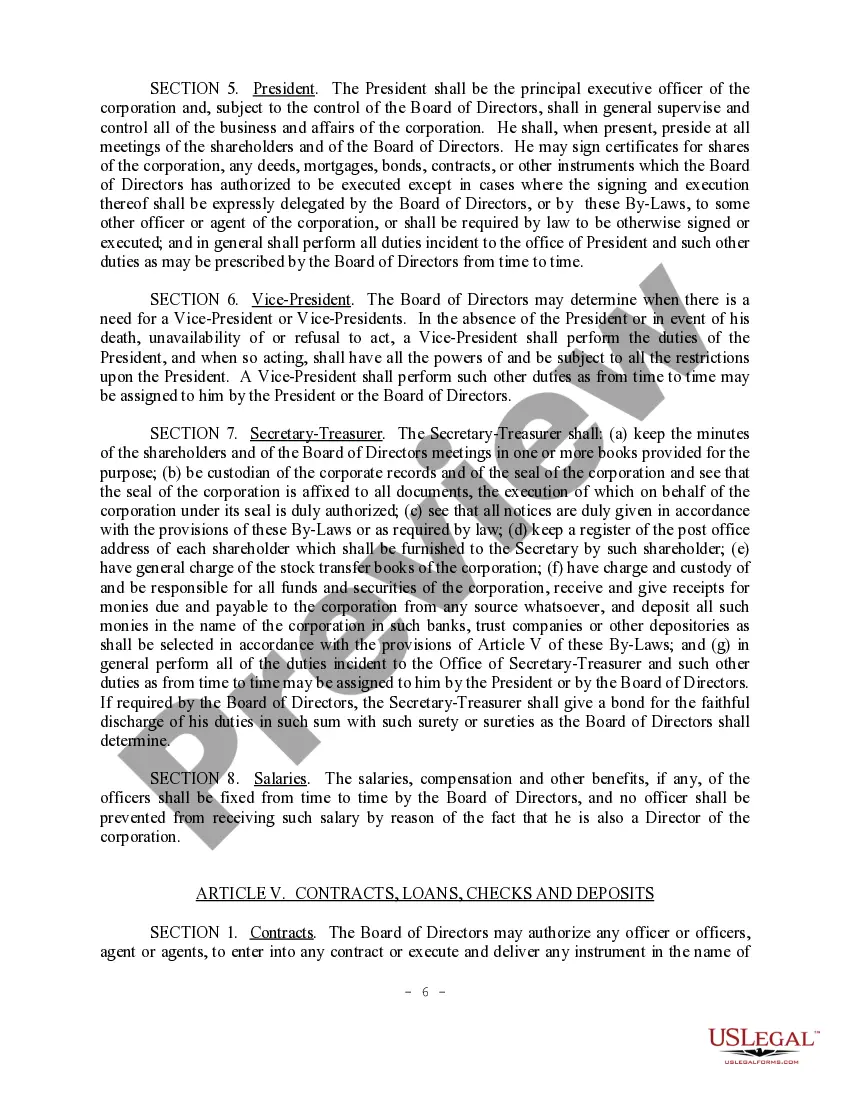
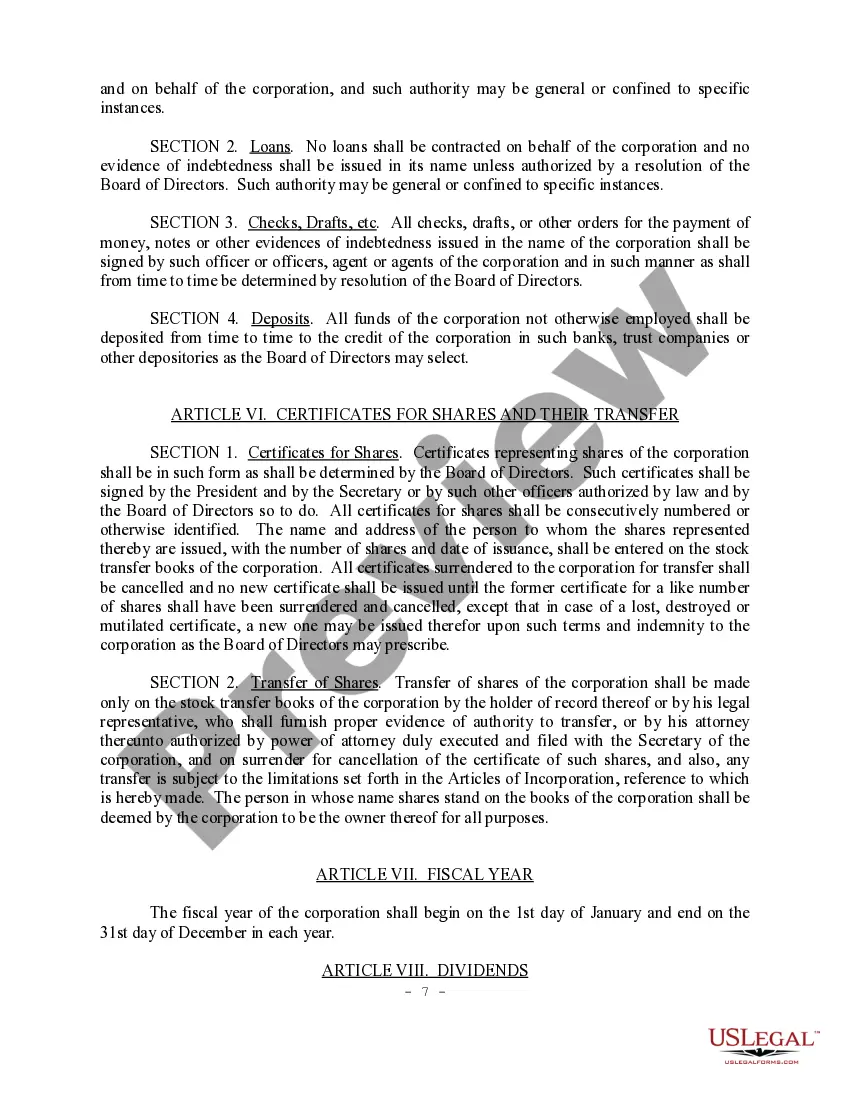
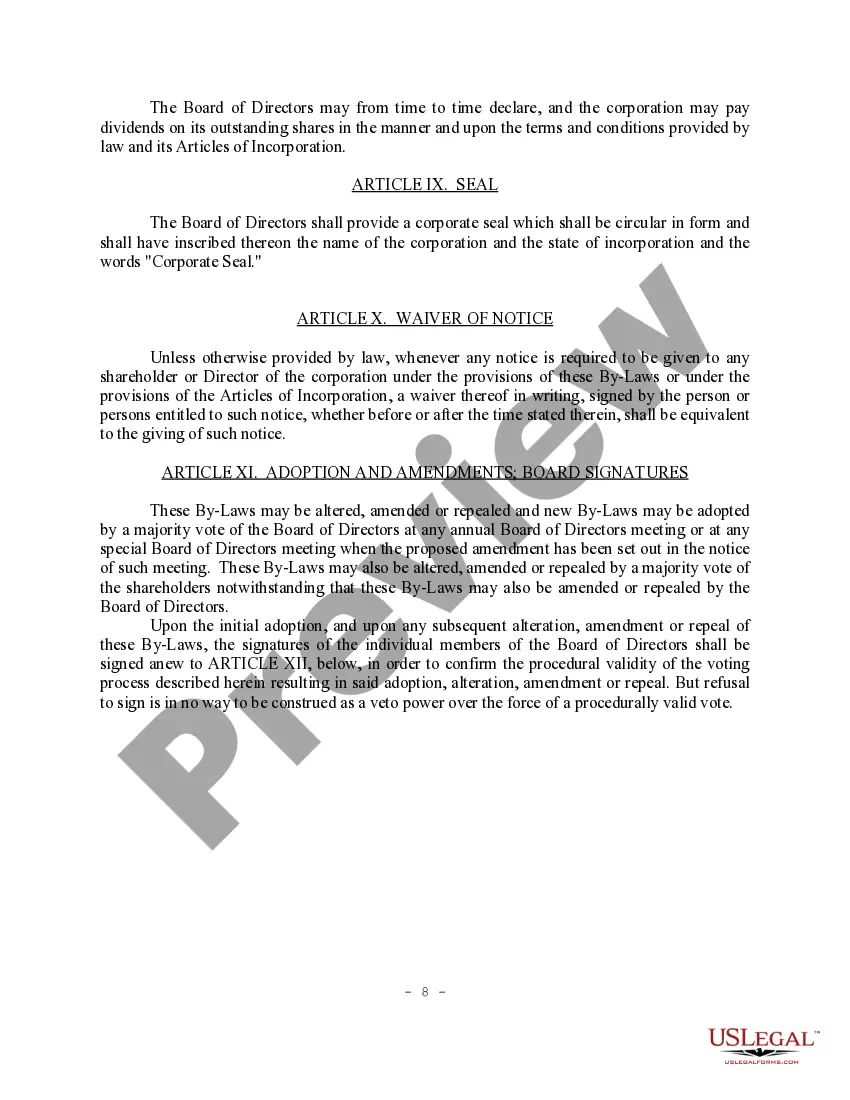
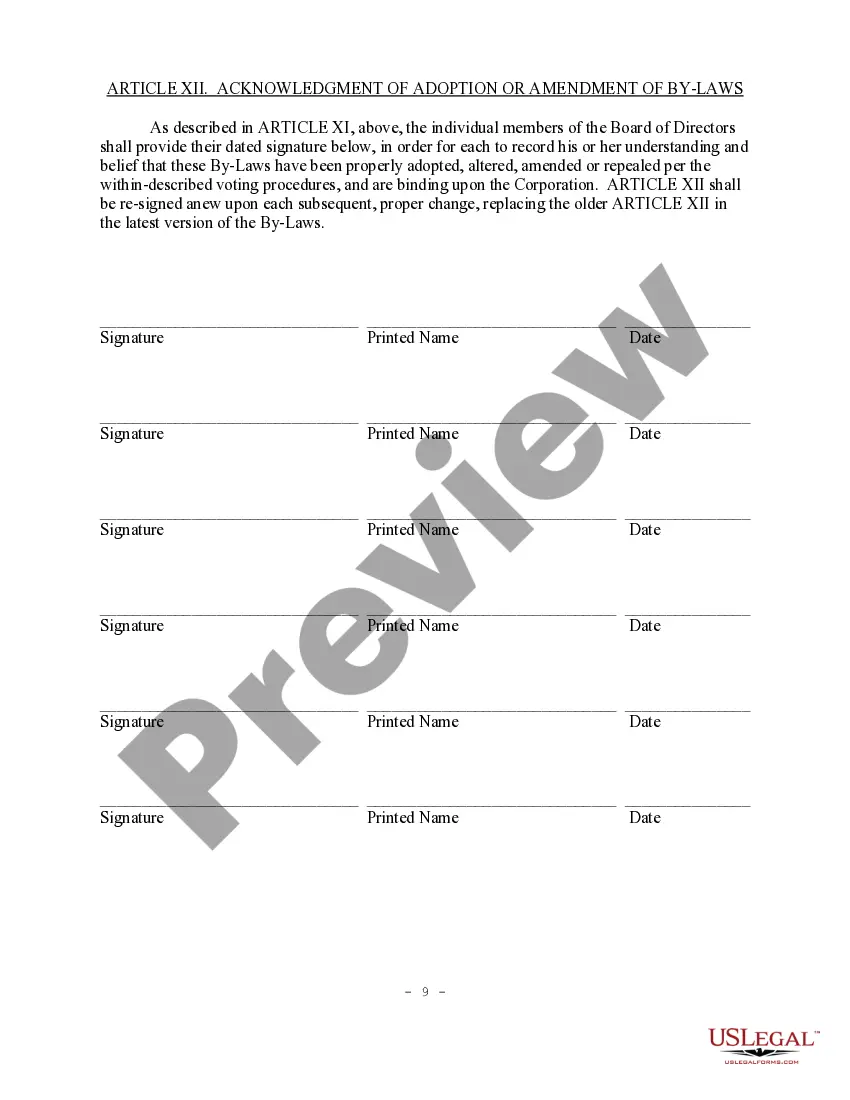
Bylaws And Regulations For Tenants In Palm Beach
Description

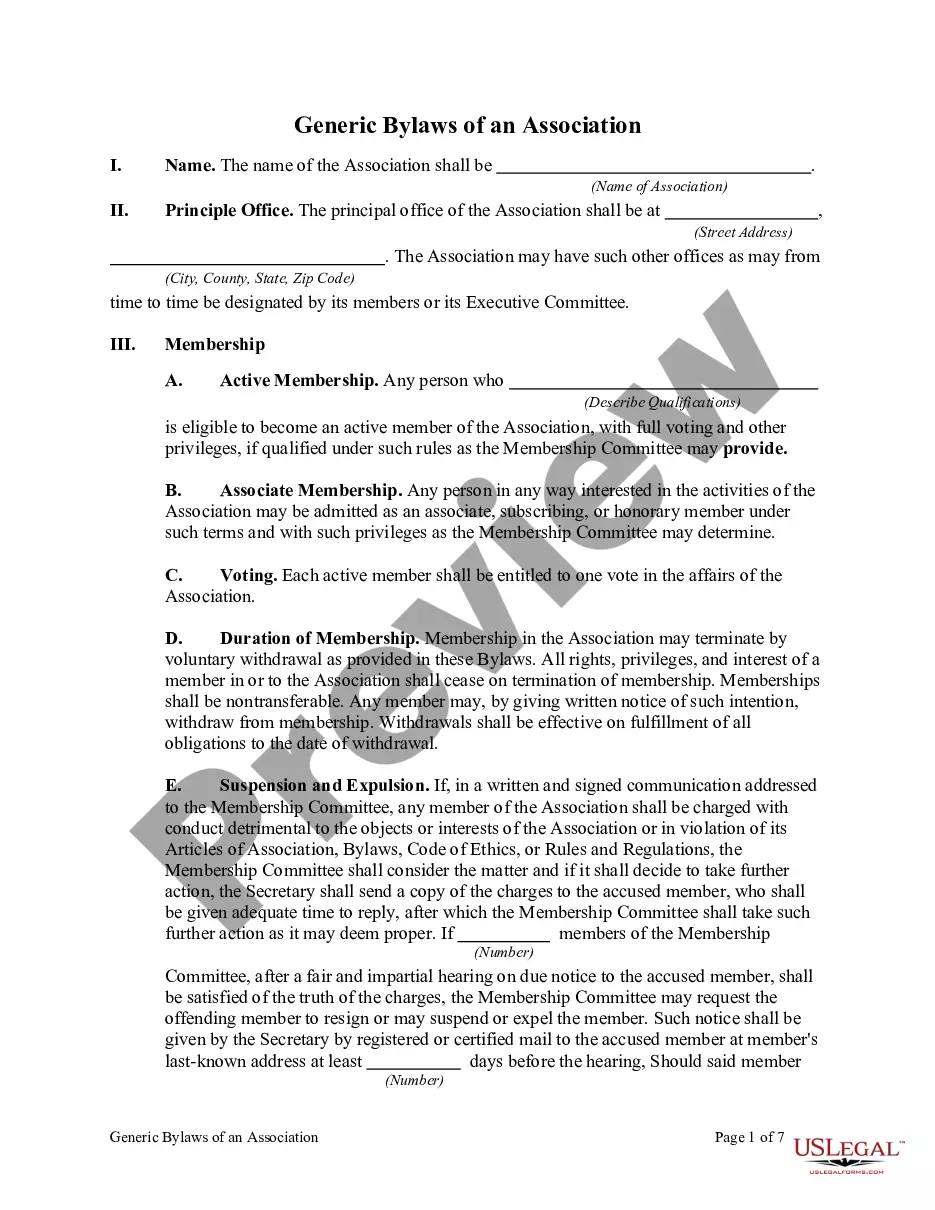
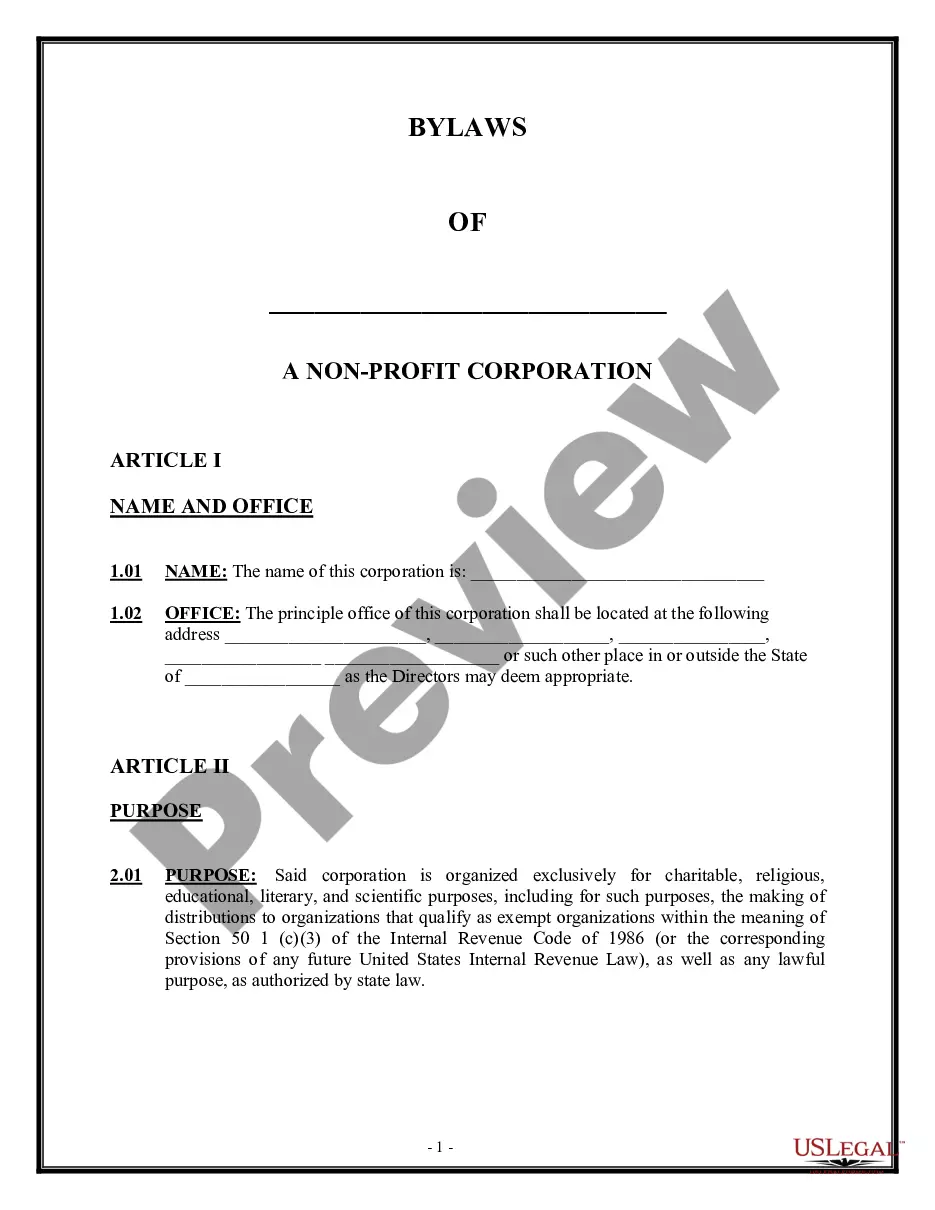
Get your form ready online
Our built-in tools help you complete, sign, share, and store your documents in one place.
Make edits, fill in missing information, and update formatting in US Legal Forms—just like you would in MS Word.
Download a copy, print it, send it by email, or mail it via USPS—whatever works best for your next step.
Sign and collect signatures with our SignNow integration. Send to multiple recipients, set reminders, and more. Go Premium to unlock E-Sign.
If this form requires notarization, complete it online through a secure video call—no need to meet a notary in person or wait for an appointment.
We protect your documents and personal data by following strict security and privacy standards.

Make edits, fill in missing information, and update formatting in US Legal Forms—just like you would in MS Word.

Download a copy, print it, send it by email, or mail it via USPS—whatever works best for your next step.

Sign and collect signatures with our SignNow integration. Send to multiple recipients, set reminders, and more. Go Premium to unlock E-Sign.

If this form requires notarization, complete it online through a secure video call—no need to meet a notary in person or wait for an appointment.

We protect your documents and personal data by following strict security and privacy standards.
Looking for another form?
Form popularity
FAQ
A Florida landlord can terminate without cause a month-to-month tenancy by giving the tenant a written notice at least 30 days before the end of the monthly period. The notice must inform the tenant that the tenancy will end in 30 days and that the tenant must move out of the rental unit by that time. (Fla. Stat.
Section 83.53(1), F.S. The tenant shall not unreasonably withhold consent to the landlord to enter the dwelling unit from time to time in order to inspect the premises. Section 83.53(2), F.S. ■ The landlord may enter the dwelling unit at any time for the protection or preservation of the premises.
(1) A rental agreement with a specific duration may contain a provision requiring the tenant to notify the landlord before vacating the premises at the end of the rental agreement; however, a rental agreement may not require more than 60 days' notice before vacating the premises.
The Florida Residential Landlord Tenant Act prevails over what the lease says. A tenant is entitled to the right of private, peaceful possession of the dwelling. Once rented, the dwelling is the tenant's to lawfully use.
Failure to comply can be devastating for a Tenant that is living with violations. If a Landlord fails to remove the violations, a Tenant can withhold rent. First, they must serve the Landlord with a 7 Day Notice to Cure. If they fail to cure it within 7 days, a Tenant can withhold rent.
Ing to the Florida statutes (Title VI - Chapter 83 - Section 57), tenants must provide written notice to their landlord before ending the rental agreement. The amount of notice will depend on the type of lease they have: Weekly Lease - Seven days of notice. Monthly Lease - 15 days of notice.
Tenants cannot be legally ordered to vacate their residential units unless they have been properly notified of the beginning of the eviction process. State law provides for 3 types of notices: 3-day notice, 7-day notice with a chance to 'cure,' and an 'unconditional quit' 7-day notice.
The new legislation allows law enforcement to remove squatters immediately upon verification by the property owner and without a court hearing. The bill also establishes criminal penalties for squatting, including fines for presenting false leases and felony charges for causing significant property damage.
The only lawful way to remove a tenant from a rental property is to follow the termination procedures above, and then get an eviction order from a court. Only a law enforcement officer—such as a sheriff—can physically remove a tenant from a rental. Taking illegal self-help measures can have serious consequences.
