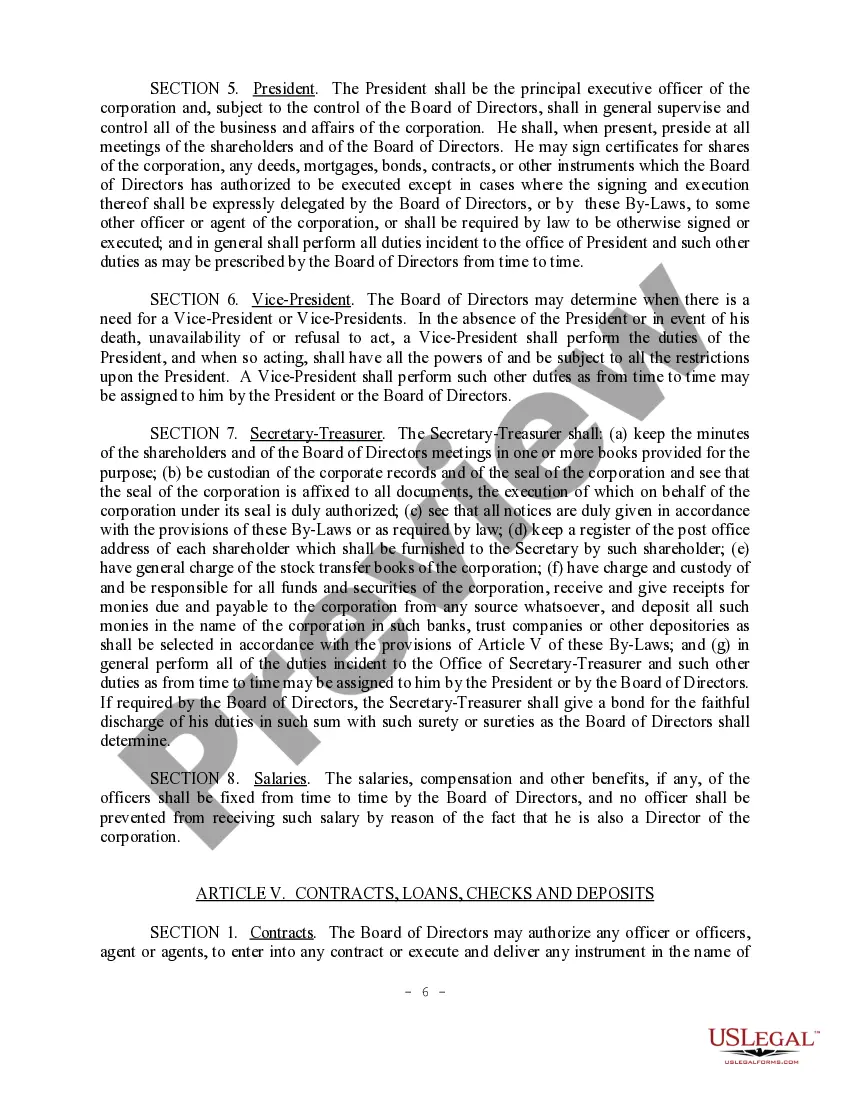
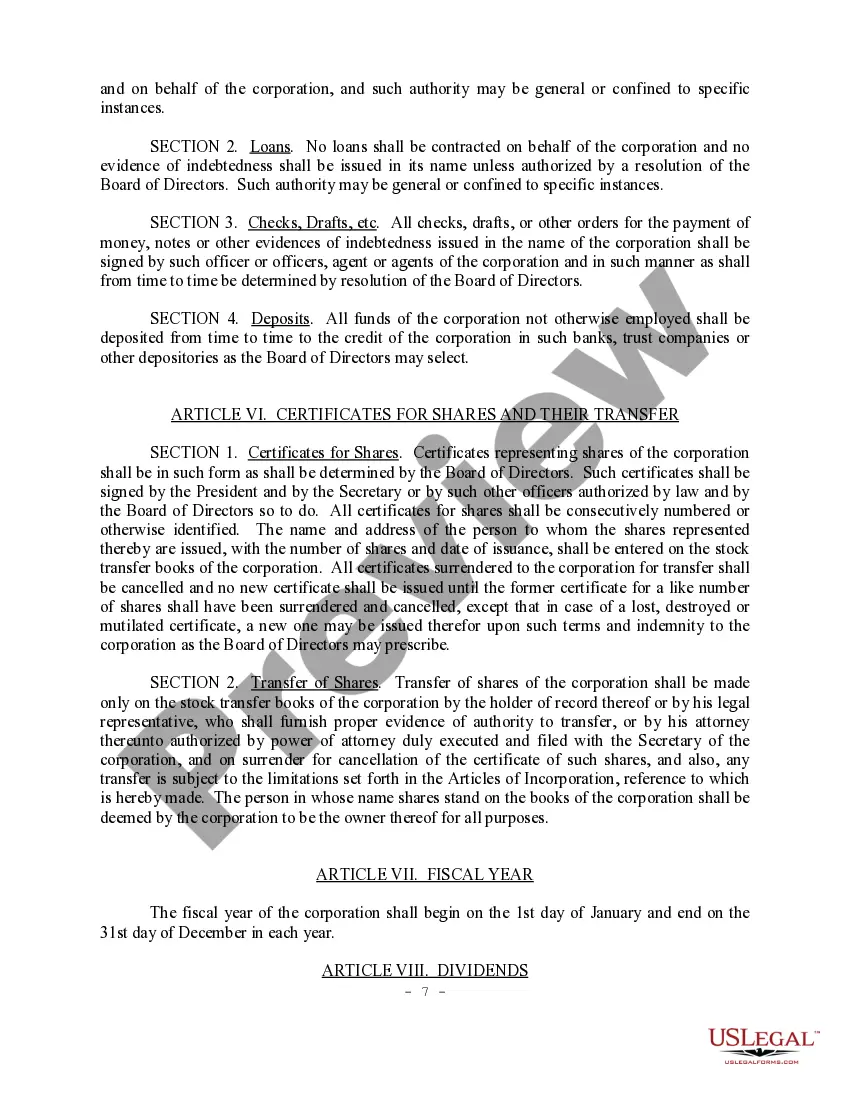
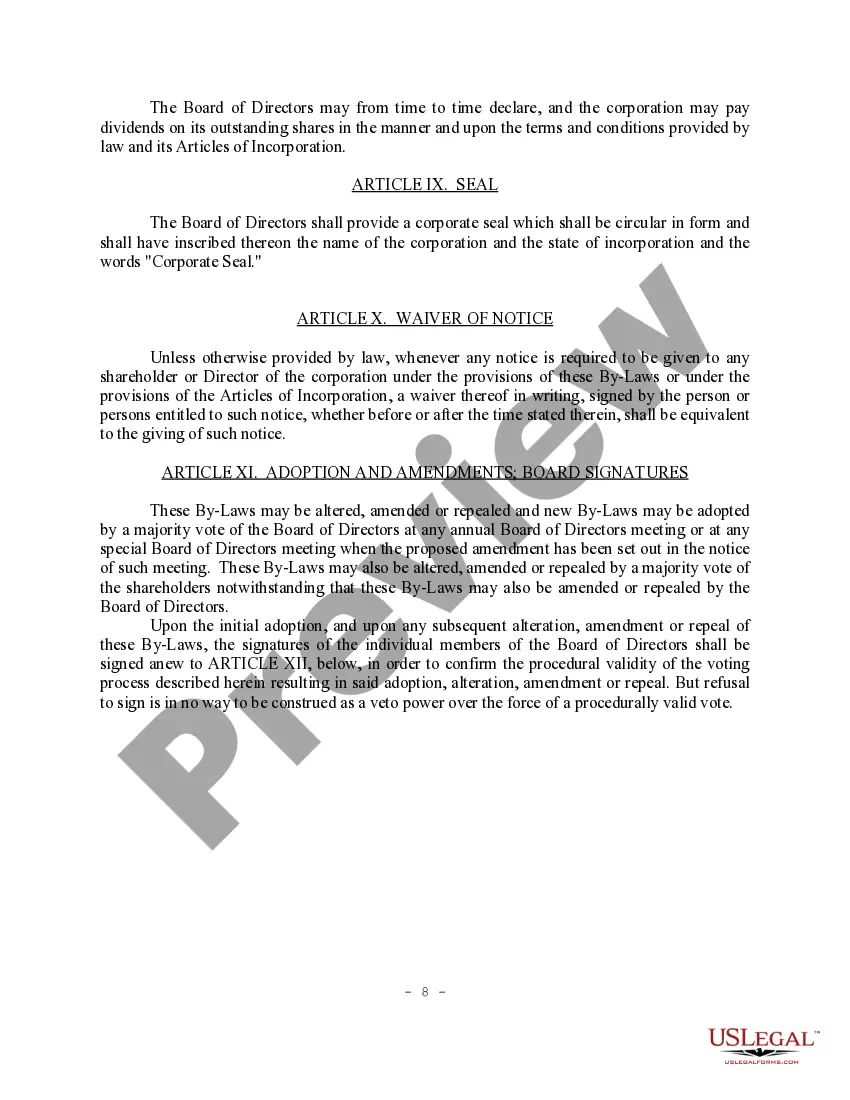
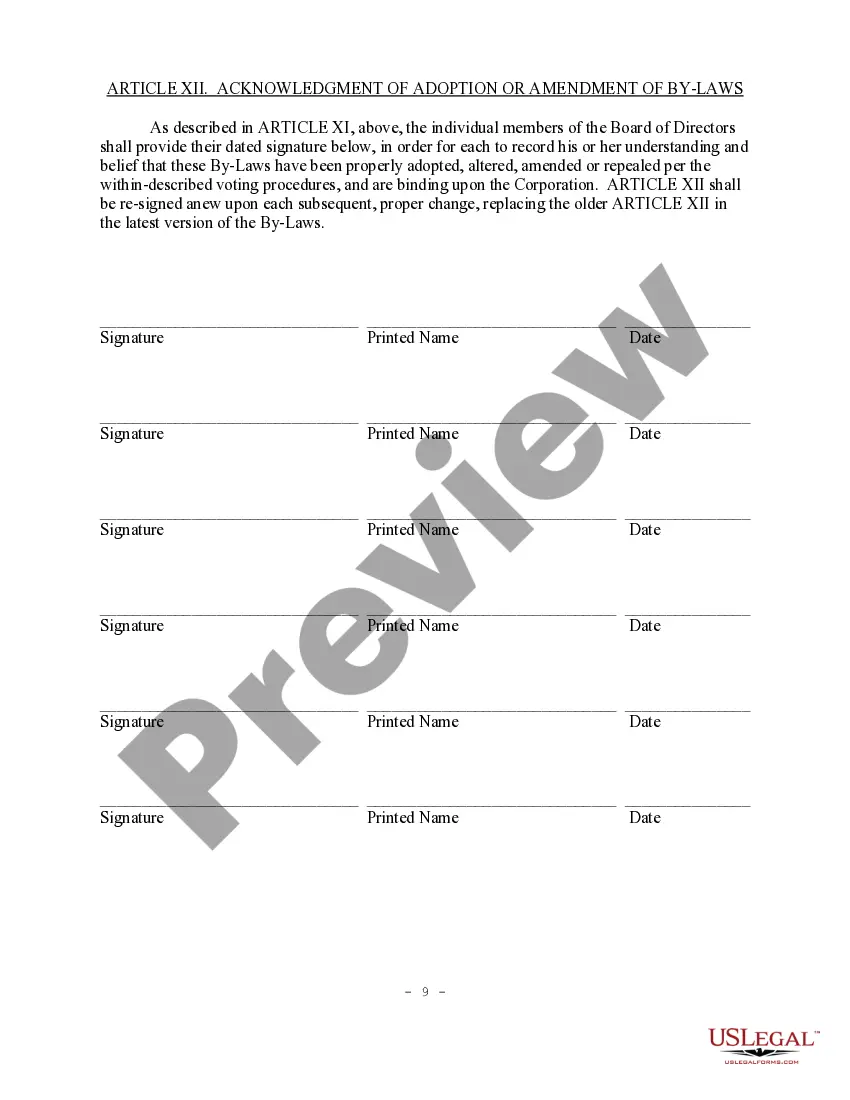
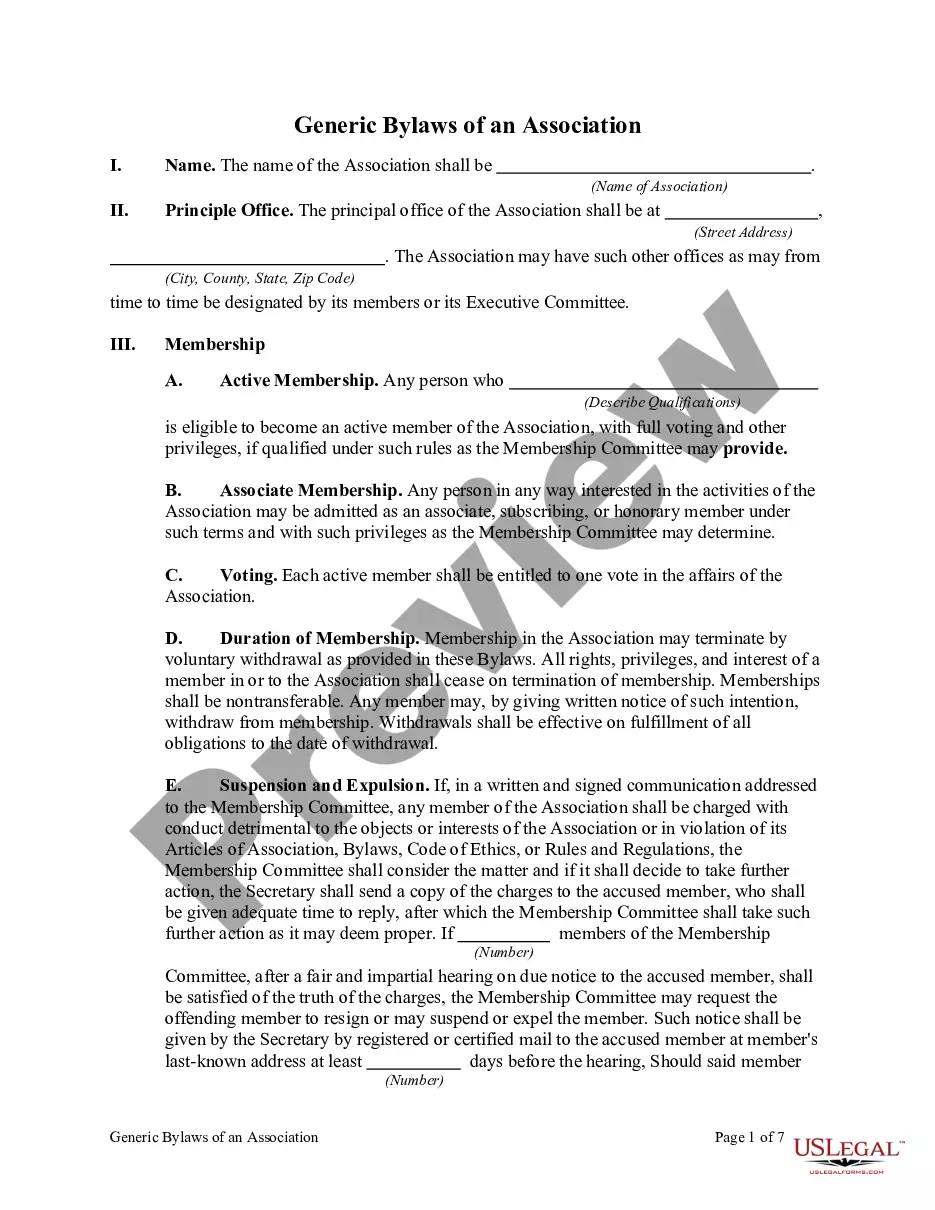
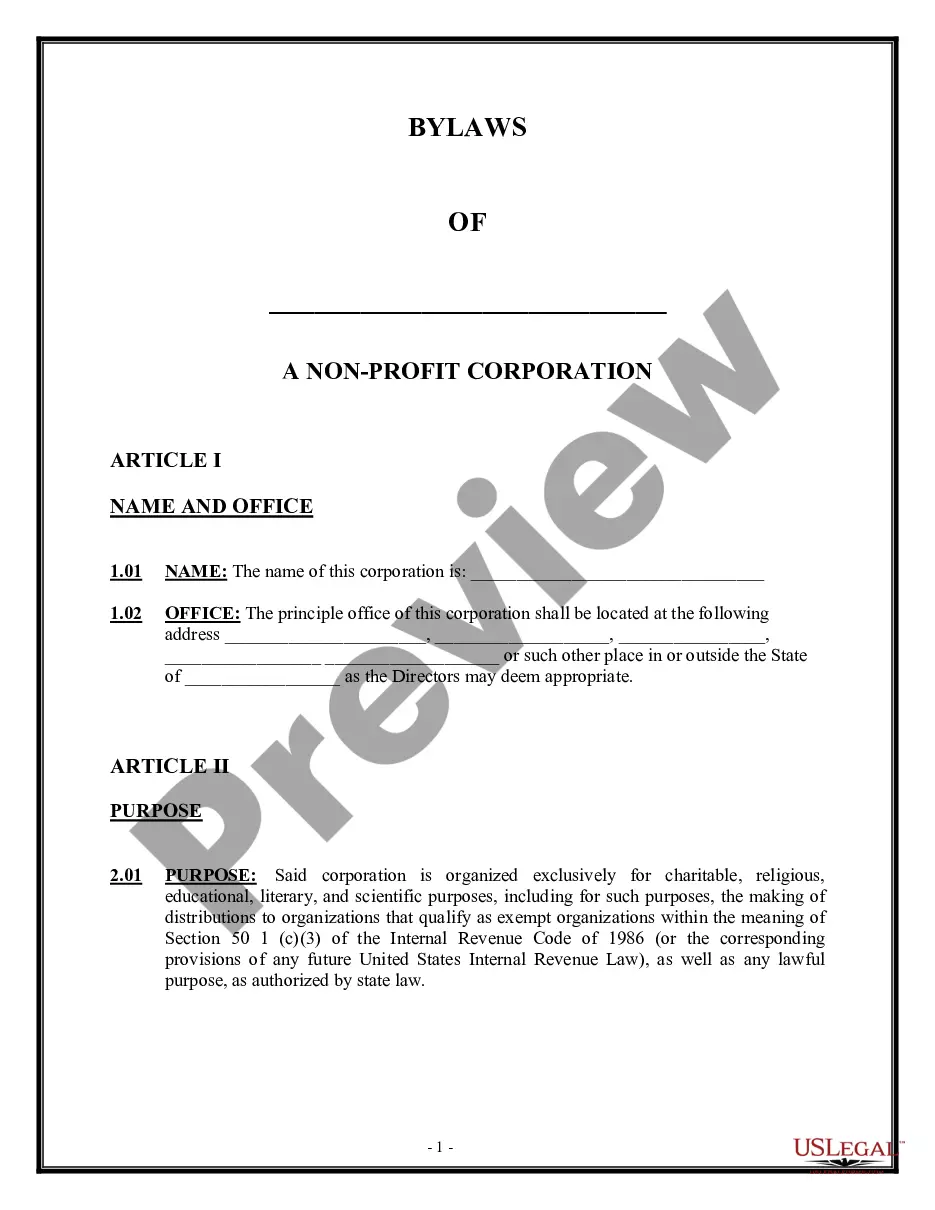
Hoa Bylaws Template With Rules In Orange
Description

Get your form ready online
Our built-in tools help you complete, sign, share, and store your documents in one place.
Make edits, fill in missing information, and update formatting in US Legal Forms—just like you would in MS Word.
Download a copy, print it, send it by email, or mail it via USPS—whatever works best for your next step.
Sign and collect signatures with our SignNow integration. Send to multiple recipients, set reminders, and more. Go Premium to unlock E-Sign.
If this form requires notarization, complete it online through a secure video call—no need to meet a notary in person or wait for an appointment.
We protect your documents and personal data by following strict security and privacy standards.

Make edits, fill in missing information, and update formatting in US Legal Forms—just like you would in MS Word.

Download a copy, print it, send it by email, or mail it via USPS—whatever works best for your next step.

Sign and collect signatures with our SignNow integration. Send to multiple recipients, set reminders, and more. Go Premium to unlock E-Sign.

If this form requires notarization, complete it online through a secure video call—no need to meet a notary in person or wait for an appointment.

We protect your documents and personal data by following strict security and privacy standards.
Looking for another form?








Form popularity
FAQ
10 things to include in your HOA bylaws Name and purpose. The very first bylaws are the ones in which the association states its. Membership requirements. Board duties. Officer duties. Board member meetings. Member meetings. Committees. Non-compliance to bylaws.
In contrast to roles, which are essentially just collections of permissions to access system resources, rules define conditions for permission assignments. What does this mean in practical terms? Rule writers can cherry-pick which attributes and conditions are important in a given process.
Bylaws state when the meetings of the association are held. Standing rules tell where and what time association meetings are held, and when executive board meetings are held. Bylaws give the primary responsibilities of officers and chairmen. Standing rules give the specifics.
The key differences between standing rules and bylaws therefore relate to both effect and scope: bylaws are more overarching and refer to procedures while standing rules tend to be more administrative and speak to specifics. Bylaws and standing rules are also hierarchical in nature: bylaws supersede standing rules.
Conditions and Rules are "cousins", but the difference is that Conditions are flexible while Rules are powerful.
An HOA's "Covenants, Conditions, and Restrictions" (CC&Rs) is a legal document that describes what you can and can't do with your home. For example, the CC&Rs might limit what color you can paint your house, prohibit you from leaving your laundry out to dry, or describe what type of mailbox you may .
Rules tell us what happens if we don't do something; instructions tell us how to respond b.
Examples of Common HOA Rules Architectural controls. Lawn and holiday decoration restrictions. Home maintenance standards. Noise complaint policies. Home occupancy limits. Parking rules and guidelines. Pet size and quantity limits. Short-term rental restrictions.
Once you buy a home that's part of an HOA, you automatically become a member of the HOA. HOA rules are legally binding, and you must adhere to all rules and regulations in the governing document. Yes, there are bylaws that you may not like, but there are no HOA loopholes.
House Rules are different from Bylaws in that they can be implemented and changed by the Board of Directors without the need for unit owner approval – which means that they can be changed more easily. Bylaws will very often set forth restrictions on the use of units in the condo.