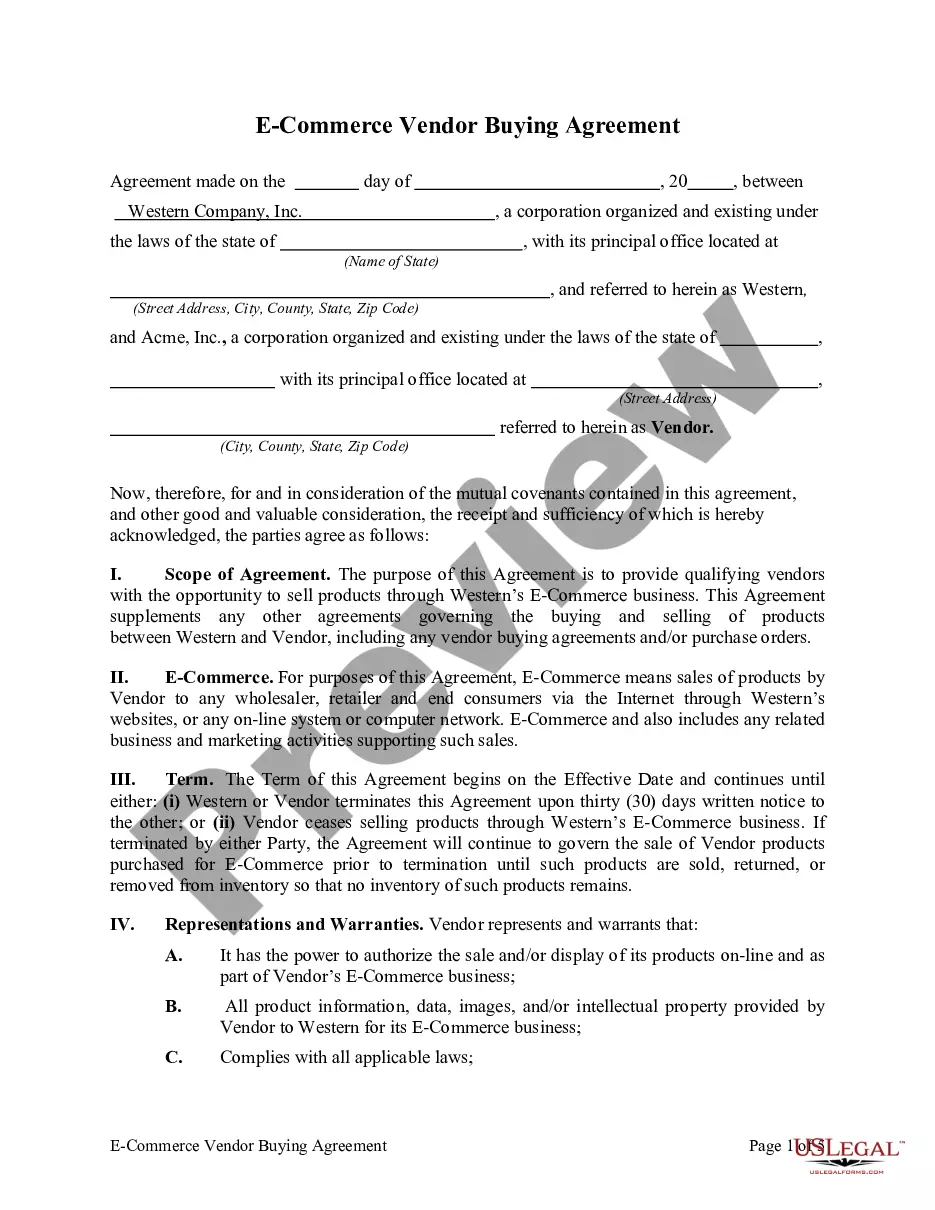
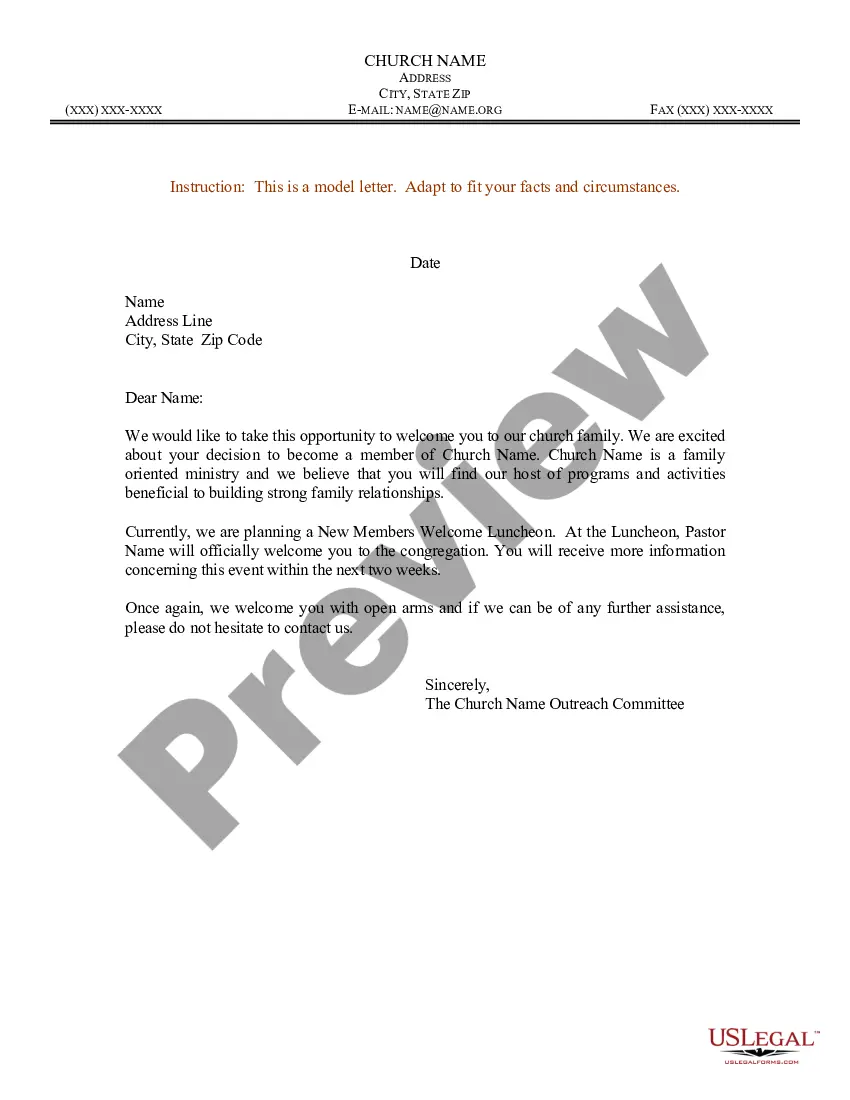
Company Bylaws For Llc In Oakland
Description











Get your form ready online
Our built-in tools help you complete, sign, share, and store your documents in one place.
Make edits, fill in missing information, and update formatting in US Legal Forms—just like you would in MS Word.
Download a copy, print it, send it by email, or mail it via USPS—whatever works best for your next step.
Sign and collect signatures with our SignNow integration. Send to multiple recipients, set reminders, and more. Go Premium to unlock E-Sign.
If this form requires notarization, complete it online through a secure video call—no need to meet a notary in person or wait for an appointment.
We protect your documents and personal data by following strict security and privacy standards.

Make edits, fill in missing information, and update formatting in US Legal Forms—just like you would in MS Word.

Download a copy, print it, send it by email, or mail it via USPS—whatever works best for your next step.

Sign and collect signatures with our SignNow integration. Send to multiple recipients, set reminders, and more. Go Premium to unlock E-Sign.

If this form requires notarization, complete it online through a secure video call—no need to meet a notary in person or wait for an appointment.

We protect your documents and personal data by following strict security and privacy standards.
Looking for another form?









Form popularity
FAQ
How to start an LLC in California Step 1: Choose a name for your California LLC. Step 2: Determine management structure (member vs. Step 3: Select your California registered agent. Step 4: Prepare and file Articles of Organization with the State of California. Step 5: Obtain a federal employer identification number (EIN)
The default rule is that an LLC is considered to be member managed (Corp C §17150), but the default rule is effectively superseded by the articles of organization because Item 6 of Secretary of State Form LLC-1 (Articles of Organization) requires a statement indicating whether the LLC is member managed or manager ...
This guide covers: Step 1: Decide on a name for your California LLC. Step 2: Determine management structure (member vs. Step 3: Select your California registered agent. Step 4: Prepare and file Articles of Organization. Step 5: Obtain a federal employer identification number. Step 6: File a Statement of Information.
Every California Corporation must adopt bylaws, and this article identifies the key components that should be included in California Corporation Bylaws; however, this article does not contain all the headings or provisions that are required to be included in California Corporation Bylaws.
LLCs are not required to have bylaws. However, they are governed by an operating agreement which is like a corporation's bylaws.
KEY TAKEAWAYS: 1) Licensed professionals cannot form LLCs in California. 2) Licensed professionals may form Professional Corporations or Limited Liability Partnerships. 3) Non-Professional Occupational licensees can form LLCs (e.g., food handlers).
A key benefit of forming an LLC in California is its simple tax process. LLCs are “pass-through entities.” The owners report their profits and losses on their tax returns. The profits and losses are not taxed at the corporate level. This setup eliminates the risk of double taxation, a common issue for corporations.
Overview. A limited liability company (LLC) blends partnership and corporate structures. You can form an LLC to run a business or to hold assets. The owners of an LLC are members. LLCs protects its members against personal liabilities.
Online Filing: Filing your California LLC online through the Secretary of State's website is typically the quickest and most efficient option. The standard processing time for online filings is generally around 10-15 business days. However, you can expedite the process by selecting expedited processing.
1. DIRECTORS: Not less than three, unless there are only one or two shareholders of record, in which case the number of directors may be less than three but not less than the number of shareholders. 2. OFFICERS: The three required positions are President, Secretary and Treasurer.