Bylaws Examples For Nonprofit Organization In Oakland
Description

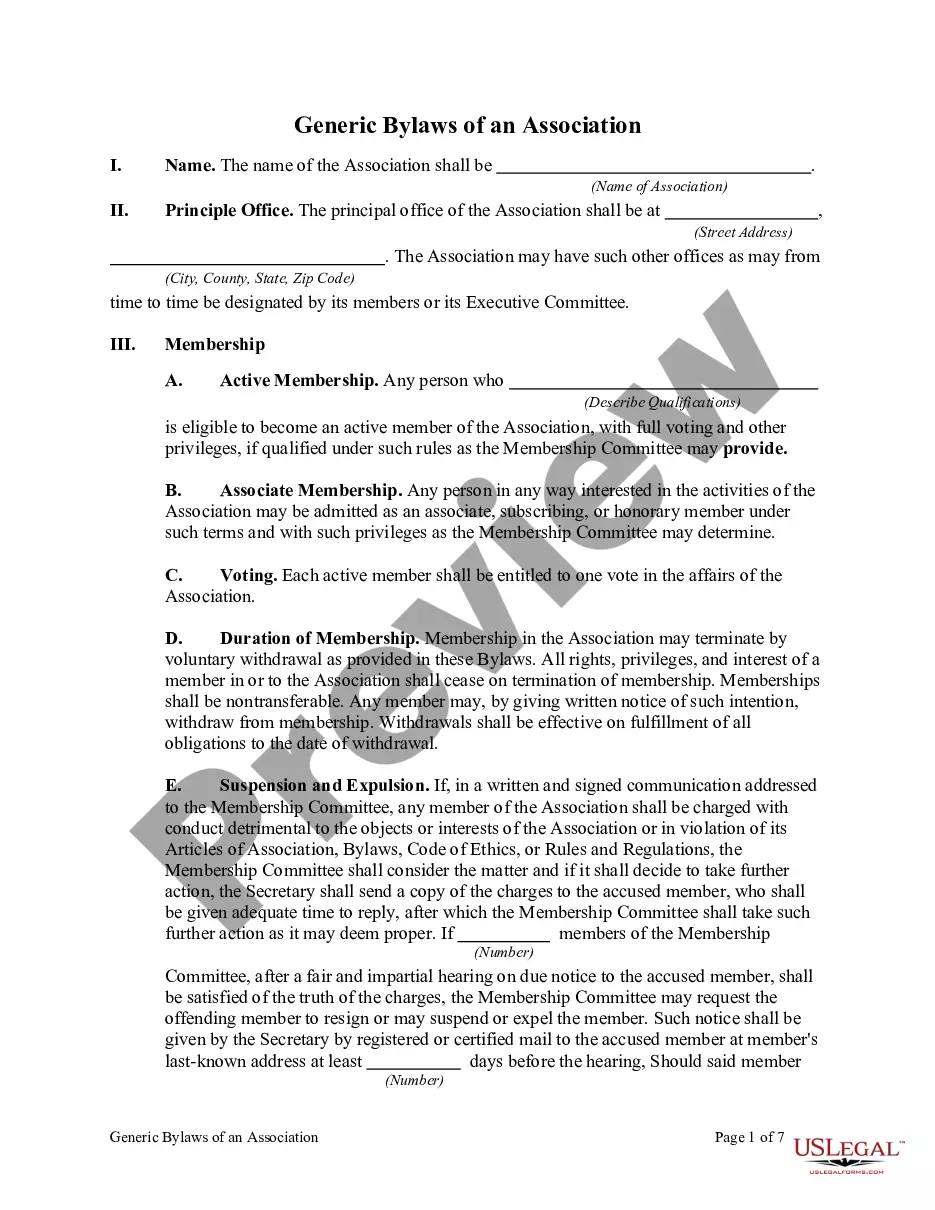

Get your form ready online
Our built-in tools help you complete, sign, share, and store your documents in one place.
Make edits, fill in missing information, and update formatting in US Legal Forms—just like you would in MS Word.
Download a copy, print it, send it by email, or mail it via USPS—whatever works best for your next step.
Sign and collect signatures with our SignNow integration. Send to multiple recipients, set reminders, and more. Go Premium to unlock E-Sign.
If this form requires notarization, complete it online through a secure video call—no need to meet a notary in person or wait for an appointment.
We protect your documents and personal data by following strict security and privacy standards.

Make edits, fill in missing information, and update formatting in US Legal Forms—just like you would in MS Word.

Download a copy, print it, send it by email, or mail it via USPS—whatever works best for your next step.

Sign and collect signatures with our SignNow integration. Send to multiple recipients, set reminders, and more. Go Premium to unlock E-Sign.

If this form requires notarization, complete it online through a secure video call—no need to meet a notary in person or wait for an appointment.

We protect your documents and personal data by following strict security and privacy standards.
Looking for another form?



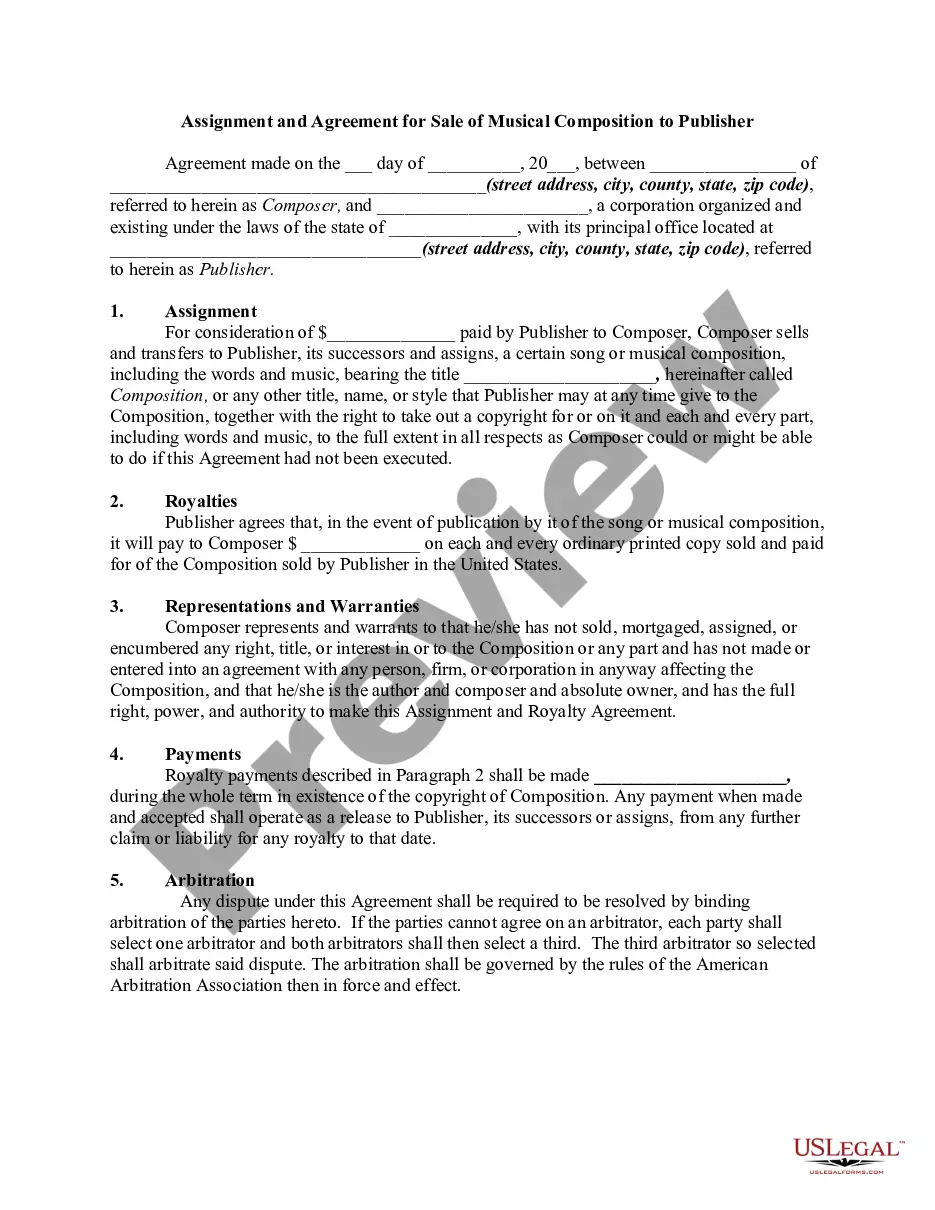




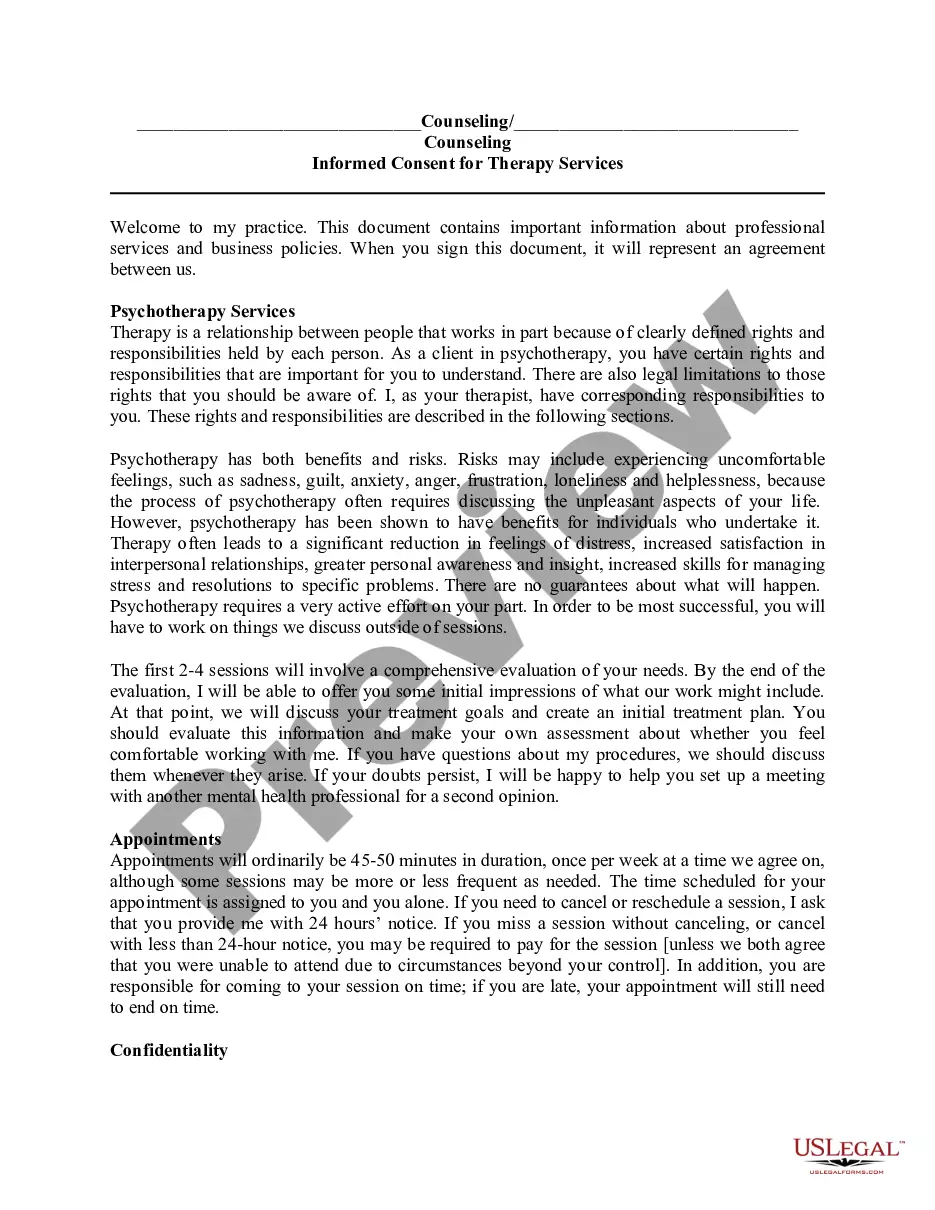
Form popularity
FAQ
Steps for Finding Nonprofit Bylaws: Search IRS databases, request from the nonprofit directly, or check state nonprofit registries. Understanding Bylaws' Importance: Bylaws dictate governance, structure, and compliance for nonprofit operations.
California mandates that all nonprofit organizations and corporations establish bylaws as a fundamental part of their formation process.
How to Write Nonprofit Bylaws in 7 Simple Steps Decide Whose Responsibility it is. Research Bylaw Requirements for Your Type of Nonprofit. Create a First Draft. Review Your Draft Internally. Manage the Scope of What's Included. Get a Professional Opinion. Review Review Review! ... Are nonprofit bylaws public record?
File formation documents with the California Secretary of State. File an exemption application with the California Franchise Tax Board to obtain a state tax exemption. Submit a completed Initial Registration Form and all required attachments to the California Attorney General - Registry of Charitable Trusts.
B. Who Must File Normal gross receiptsFile Gross receipts normally $50,000 or less FTB 199N Gross receipts more than $50,000 Form 199 Private foundations (regardless of gross receipts) Form 199 Nonexempt charitable trusts described in IRC Section 4947(a)(1) (regardless of gross receipts) Form 199
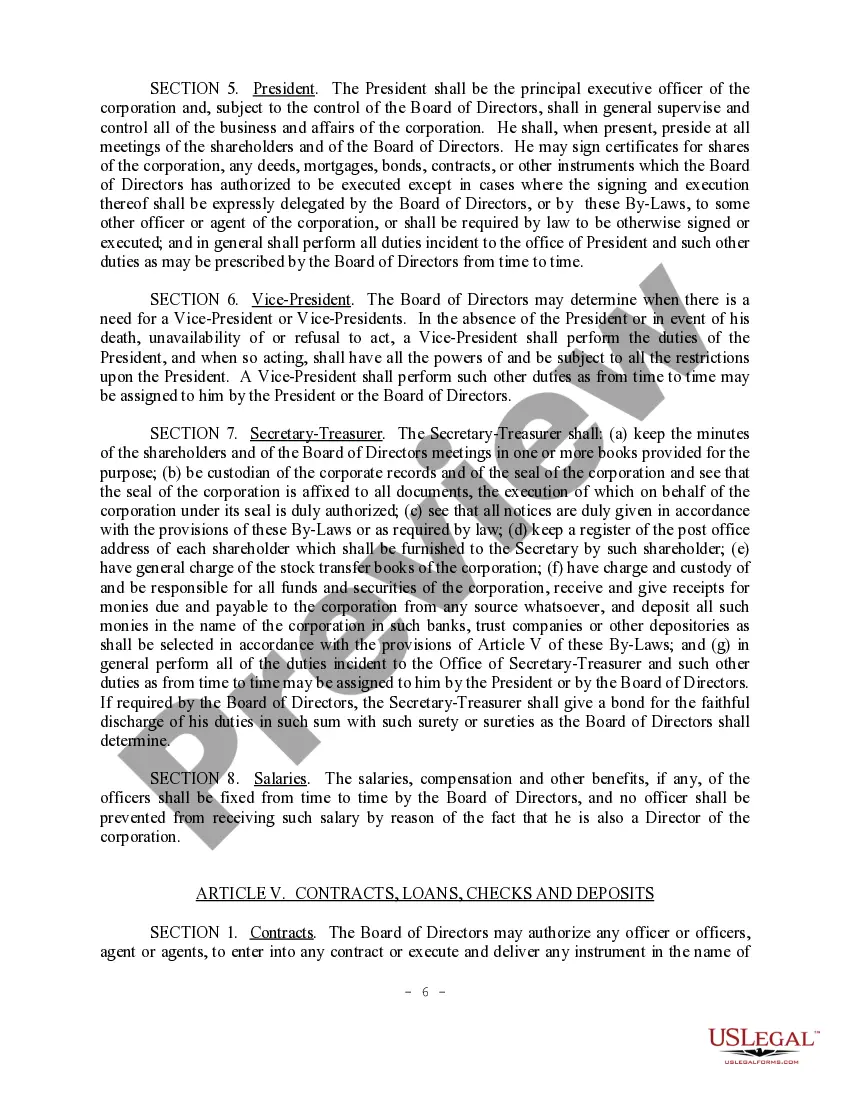
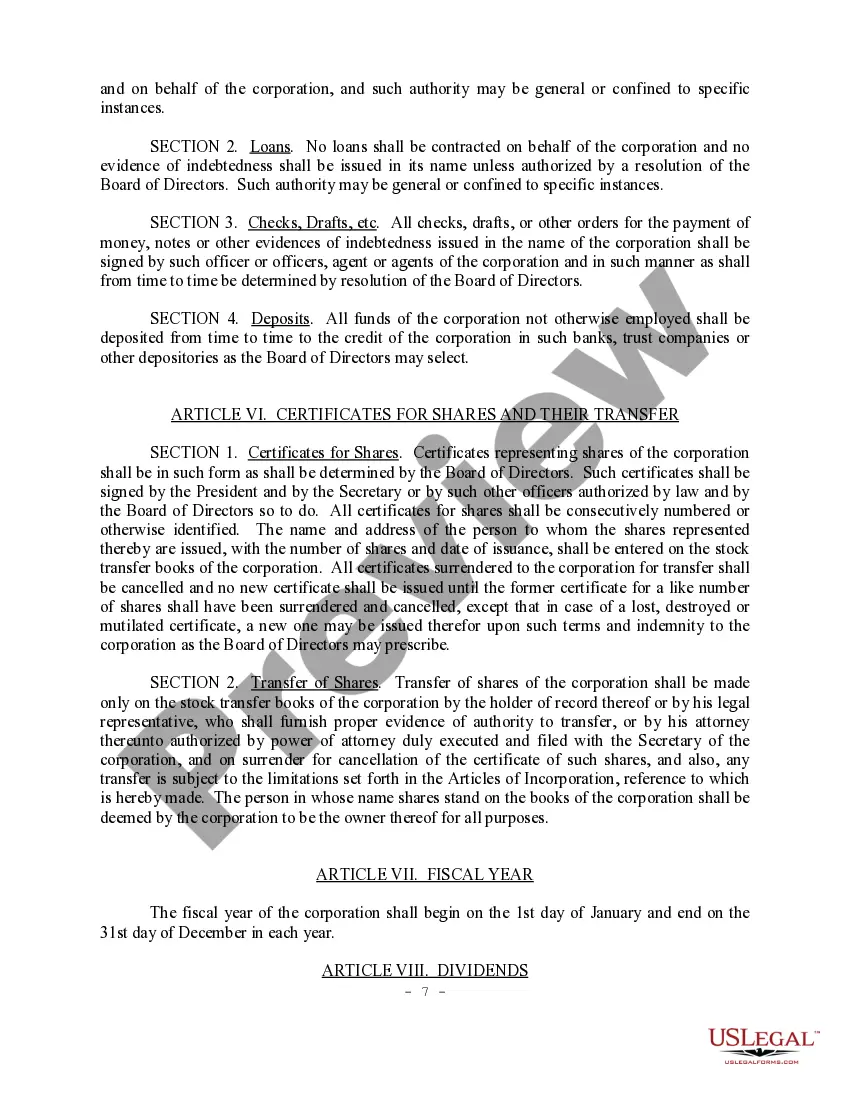
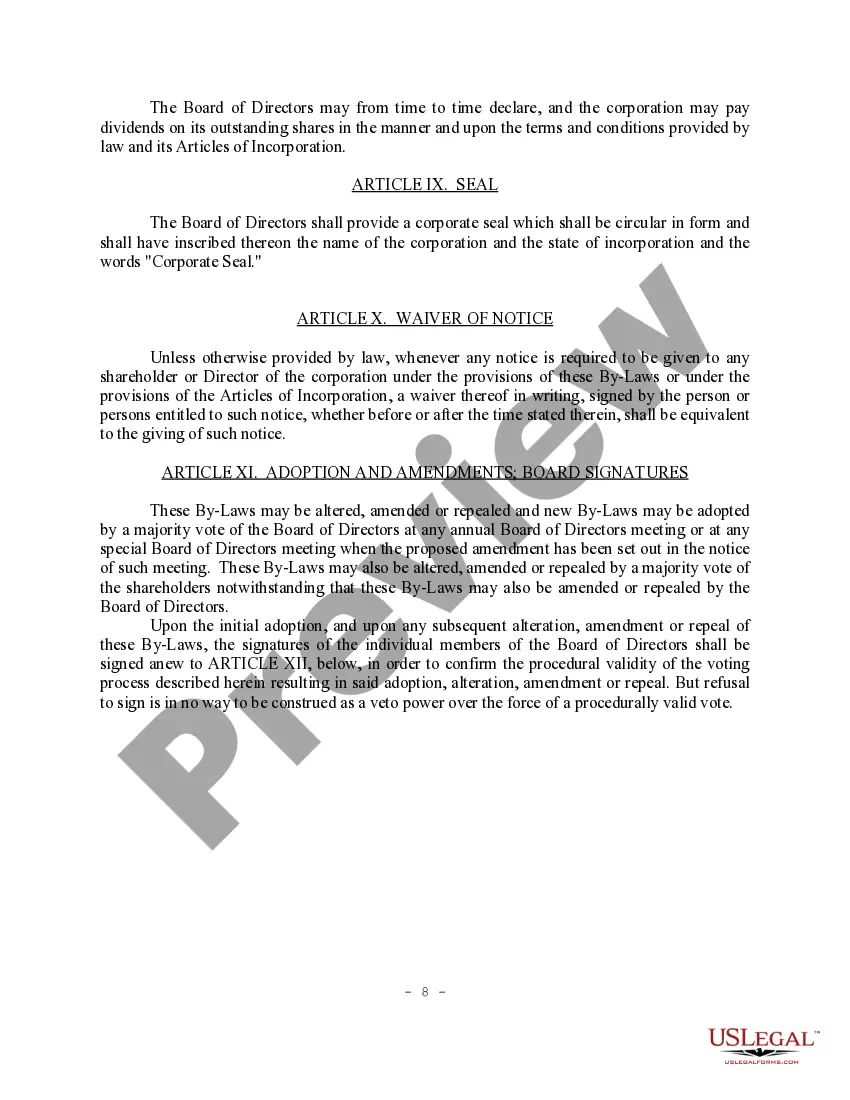
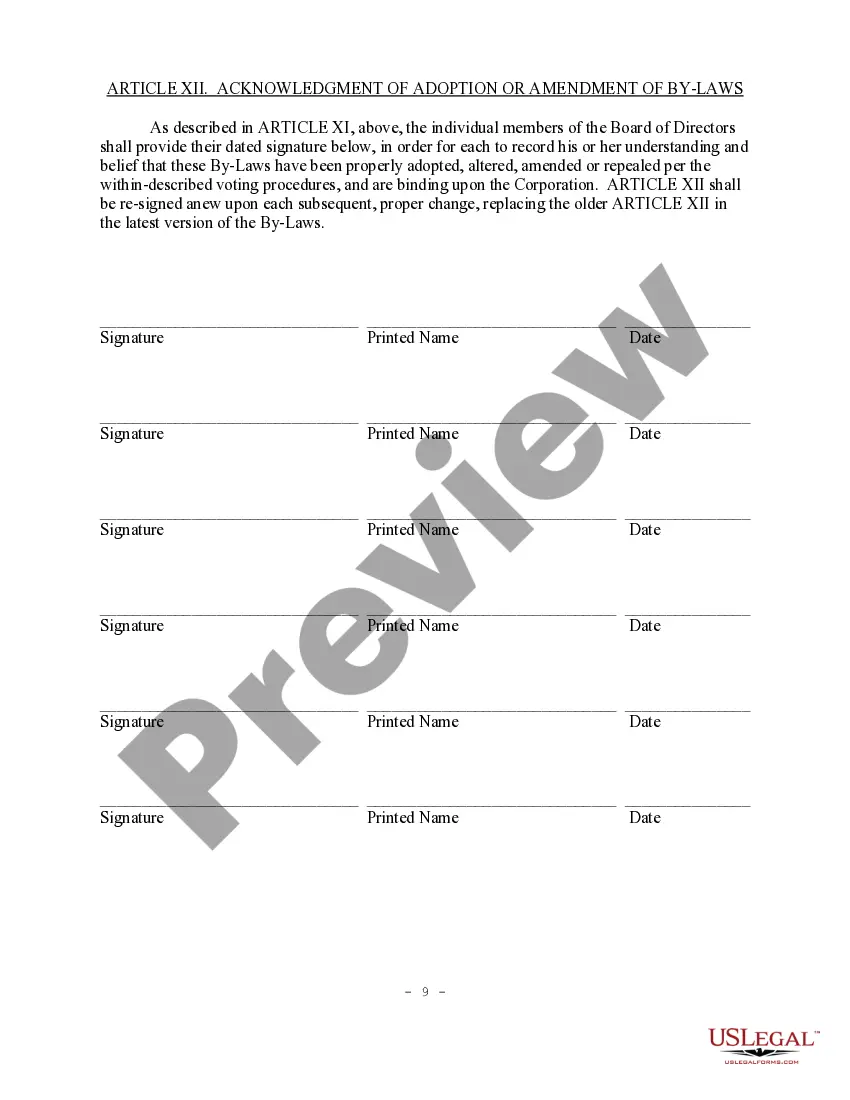
Although organizations don't need to file these bylaws with the state, California law requires that the treasurer or other designated member of the organization maintains a copy on file.
In other words, nonprofit and religious organizations, in general, are treated just like other California sellers and buyers for sales and use tax purposes. Nonprofit organizations generally need a seller's permit if they make sales of goods or merchandise in California. This is true even if the sales are not taxable.
How to Start a Nonprofit in California Name Your Organization. Choose a California nonprofit corporation structure. Recruit Incorporators and Initial Directors. Appoint a Registered Agent. Prepare and File Articles of Incorporation. File Initial Report. Obtain an Employer Identification Number (EIN) ... Store Nonprofit Records.
