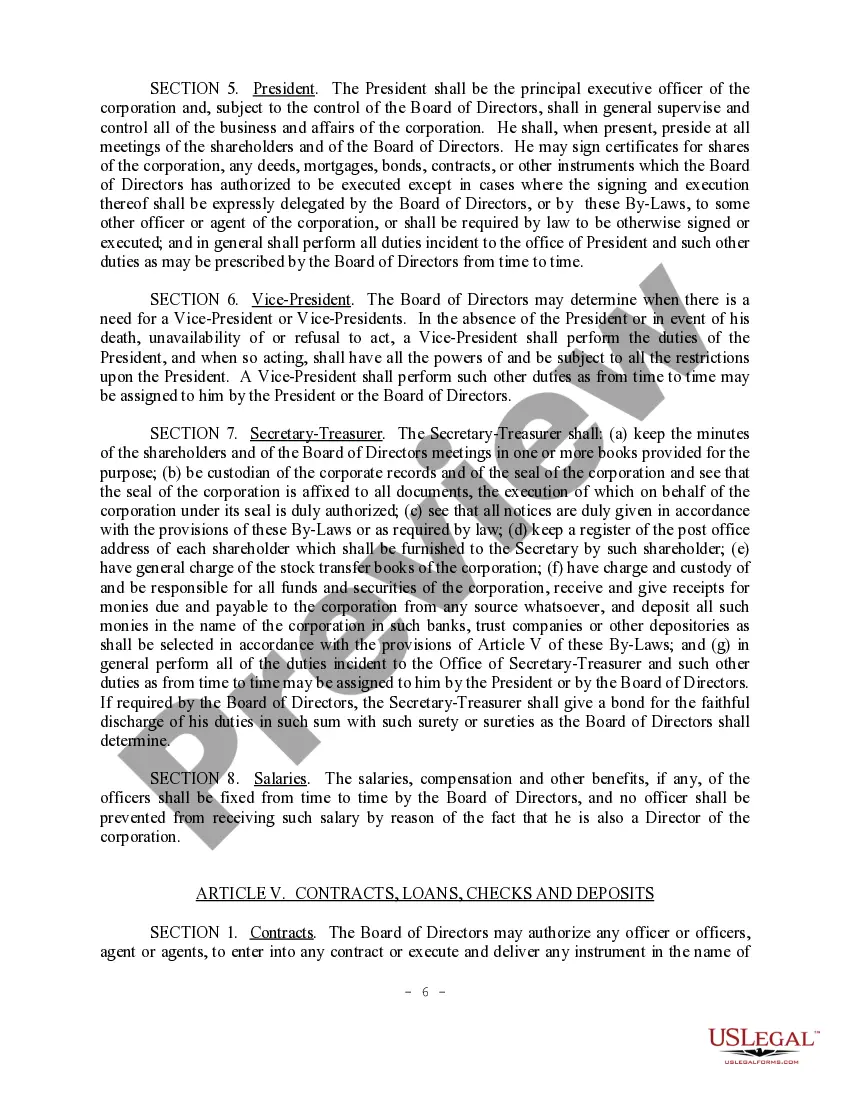
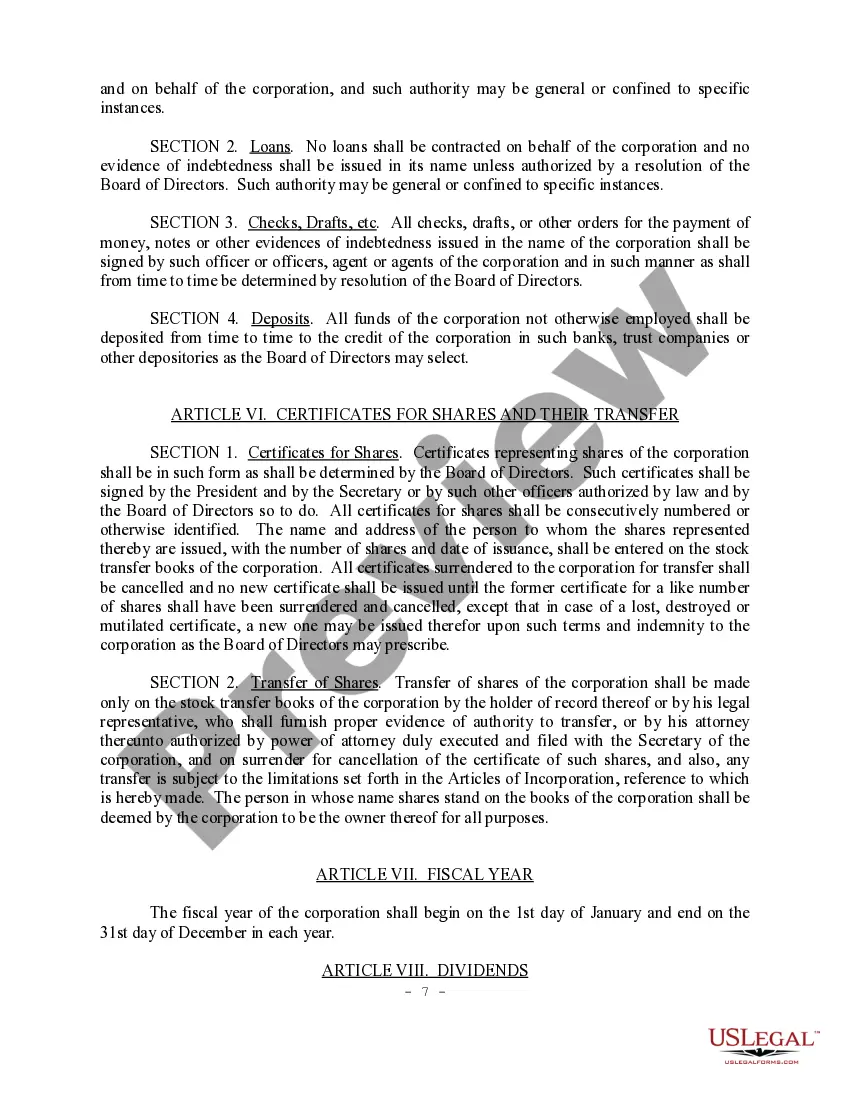
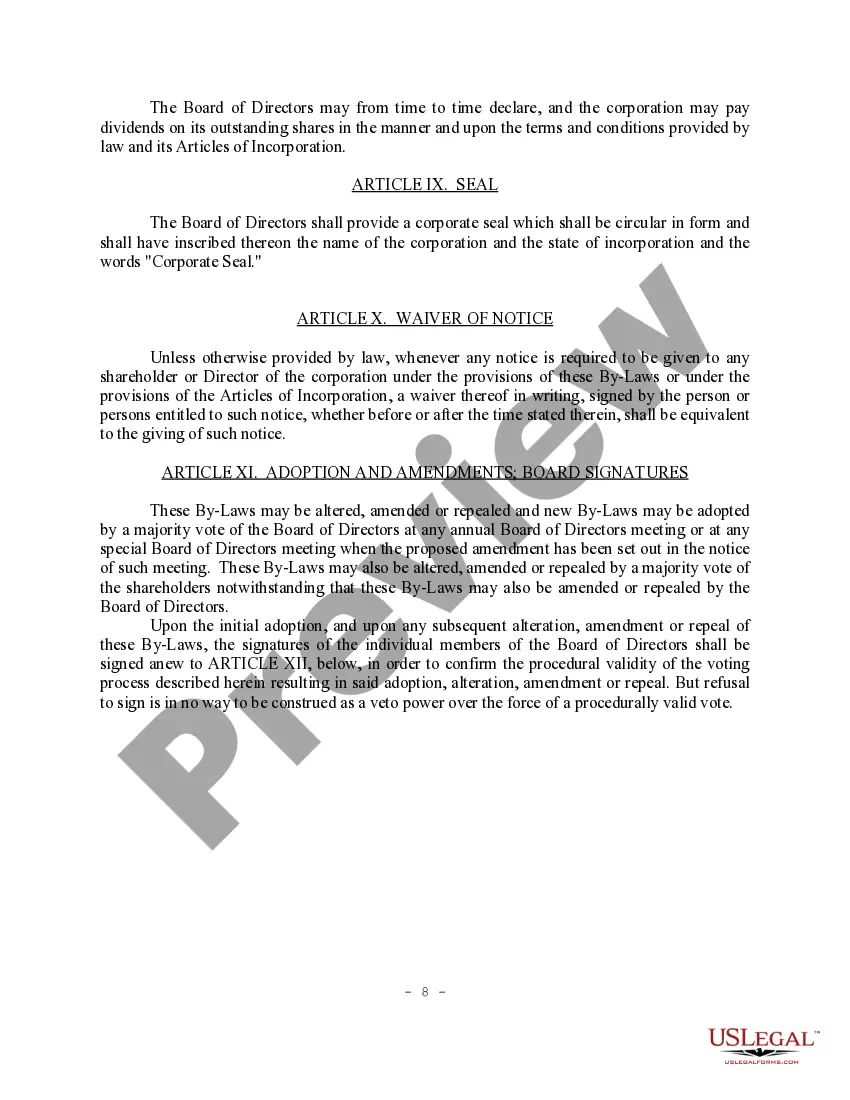
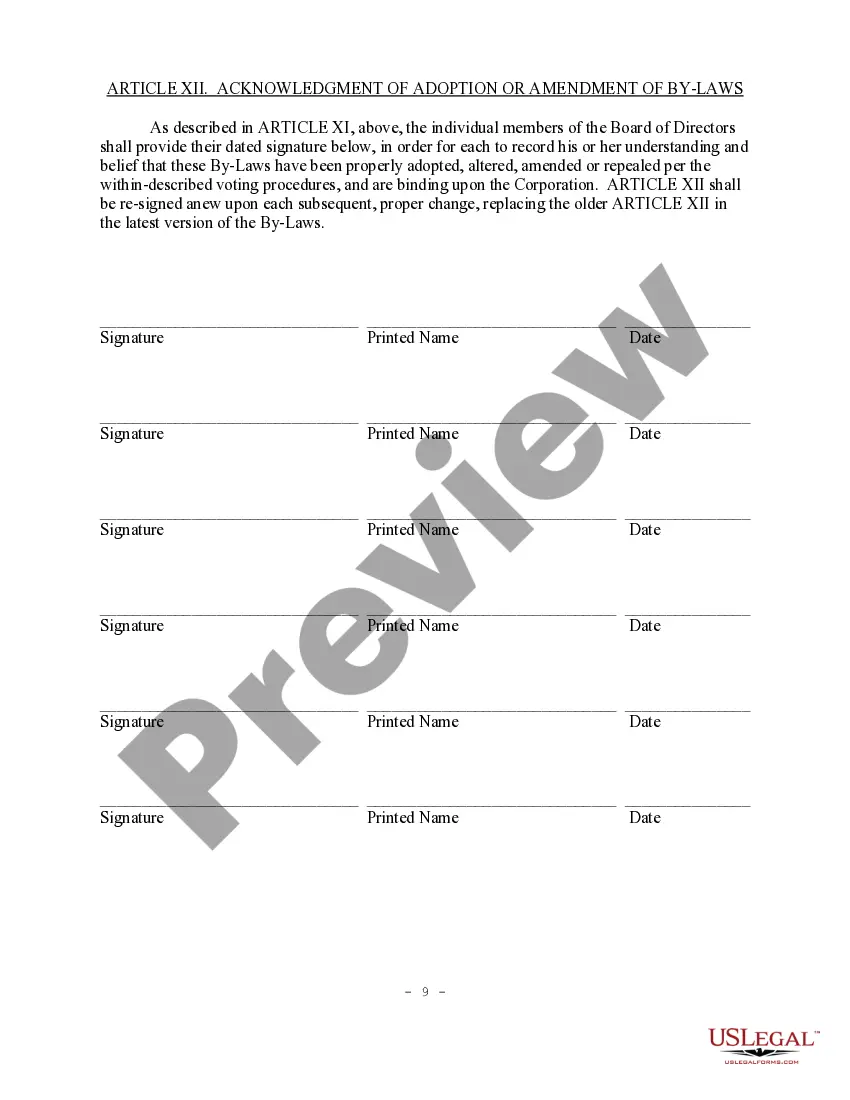
Hoa By Bylaws In North Carolina
Description

Get your form ready online
Our built-in tools help you complete, sign, share, and store your documents in one place.
Make edits, fill in missing information, and update formatting in US Legal Forms—just like you would in MS Word.
Download a copy, print it, send it by email, or mail it via USPS—whatever works best for your next step.
Sign and collect signatures with our SignNow integration. Send to multiple recipients, set reminders, and more. Go Premium to unlock E-Sign.
If this form requires notarization, complete it online through a secure video call—no need to meet a notary in person or wait for an appointment.
We protect your documents and personal data by following strict security and privacy standards.

Make edits, fill in missing information, and update formatting in US Legal Forms—just like you would in MS Word.

Download a copy, print it, send it by email, or mail it via USPS—whatever works best for your next step.

Sign and collect signatures with our SignNow integration. Send to multiple recipients, set reminders, and more. Go Premium to unlock E-Sign.

If this form requires notarization, complete it online through a secure video call—no need to meet a notary in person or wait for an appointment.

We protect your documents and personal data by following strict security and privacy standards.
Looking for another form?






Form popularity
FAQ
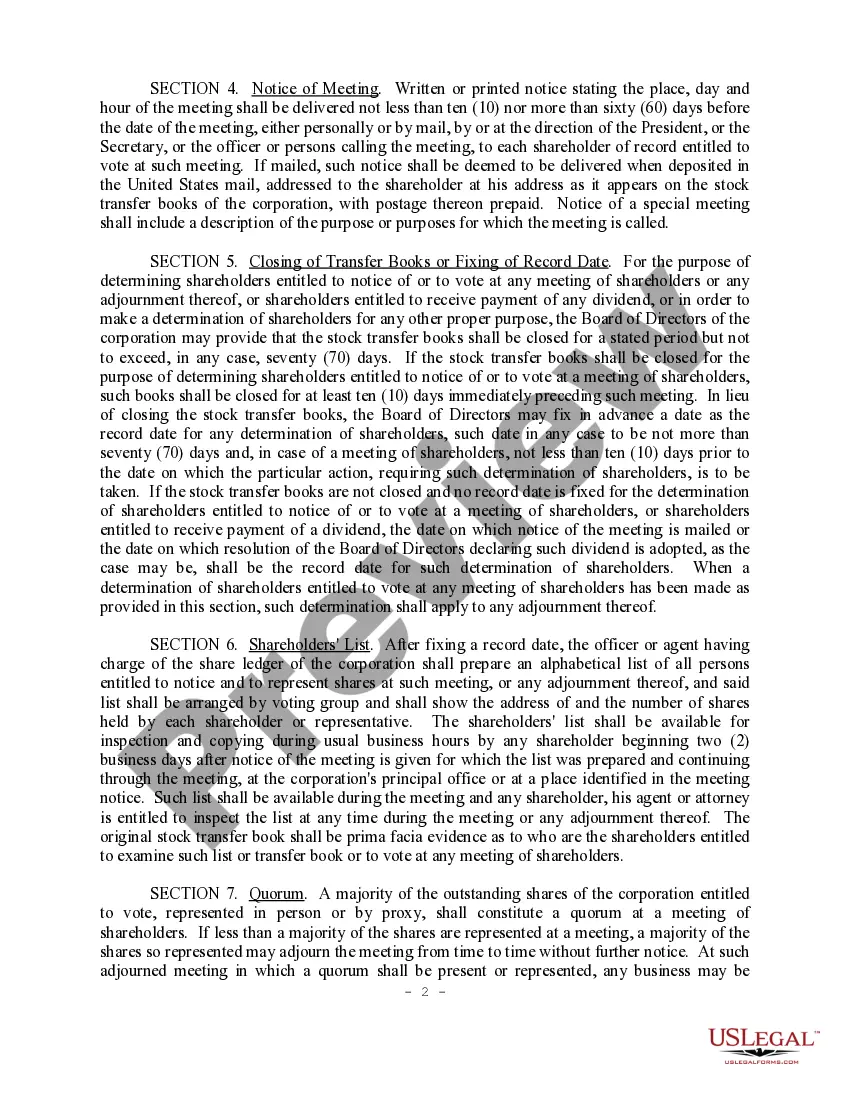
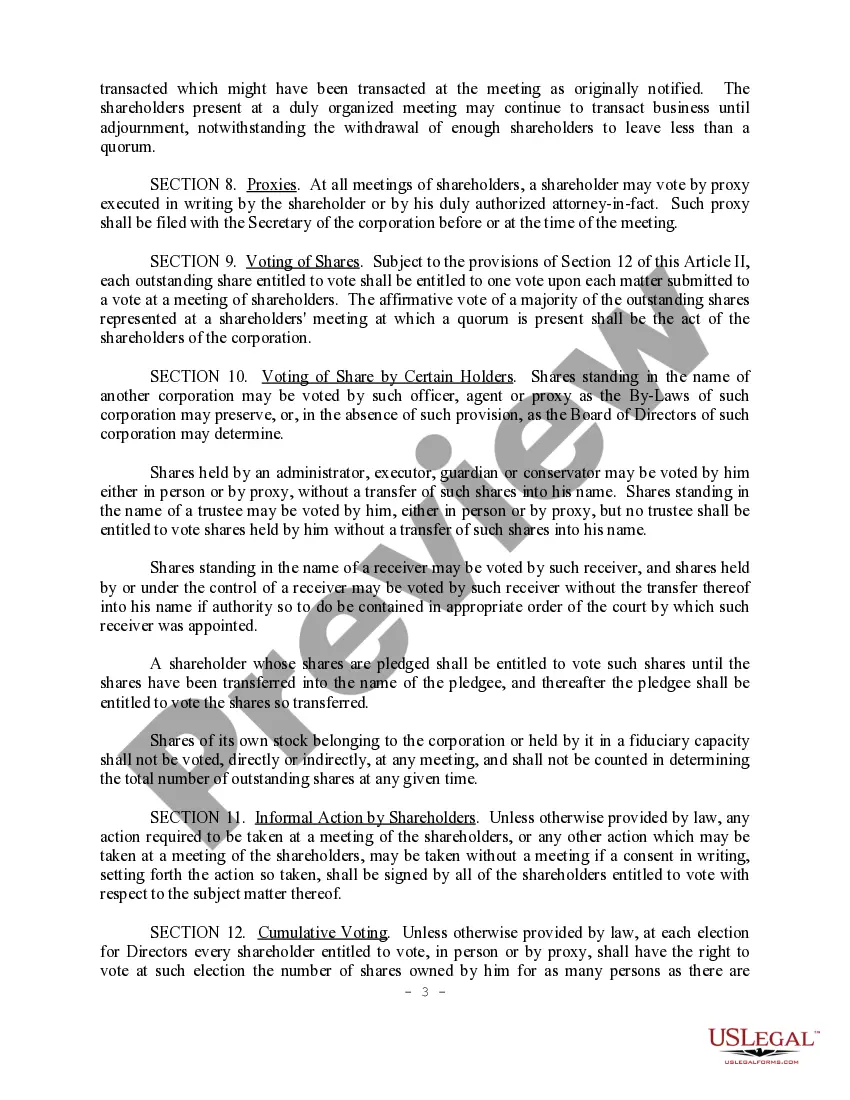
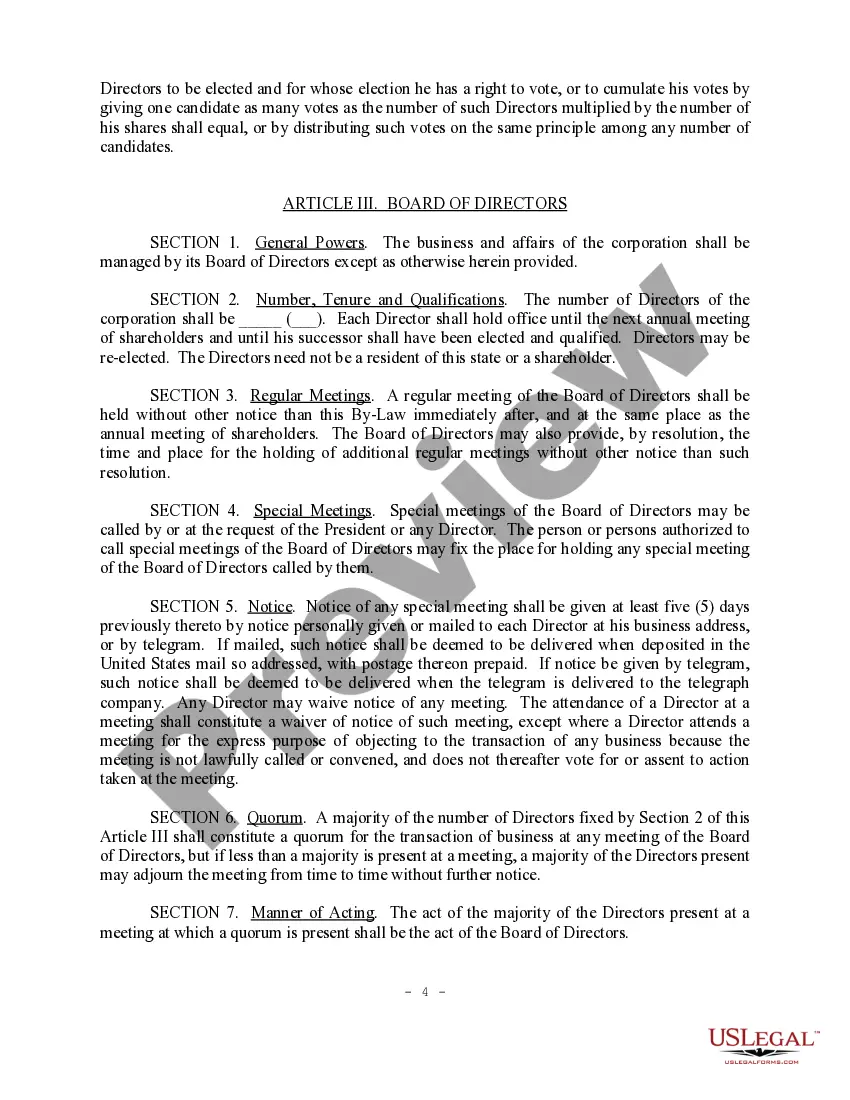
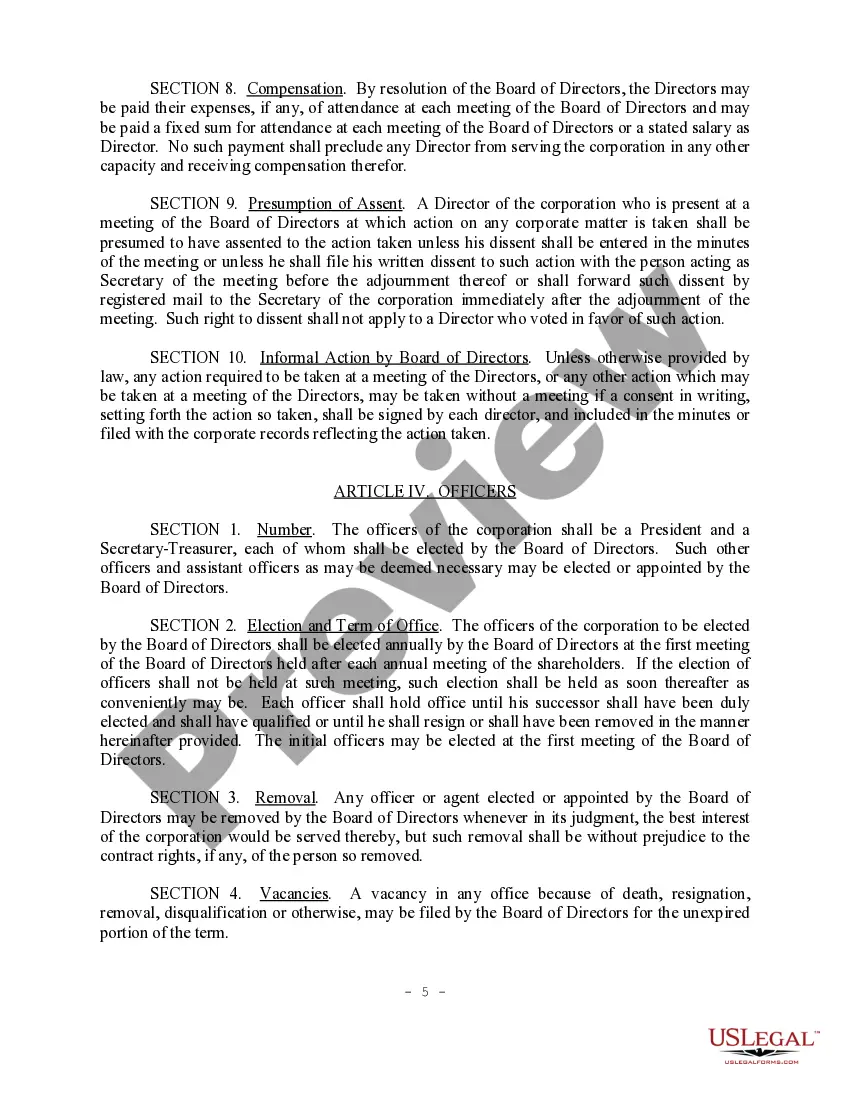
Corporate bylaws are legally required in North Carolina. § 55-2-06 requires a corporation's incorporators or board of directors to adopt initial bylaws. The law doesn't specify when bylaws must be adopted, but this usually happens at the first organizational meeting.
Subdivisions with homeowners' associations established after Jan. 1, 1999, are governed by the North Carolina Planned Community Act found in Chapter 47F of the North Carolina General Statutes. However, no state or federal agency oversees homeowners' associations.
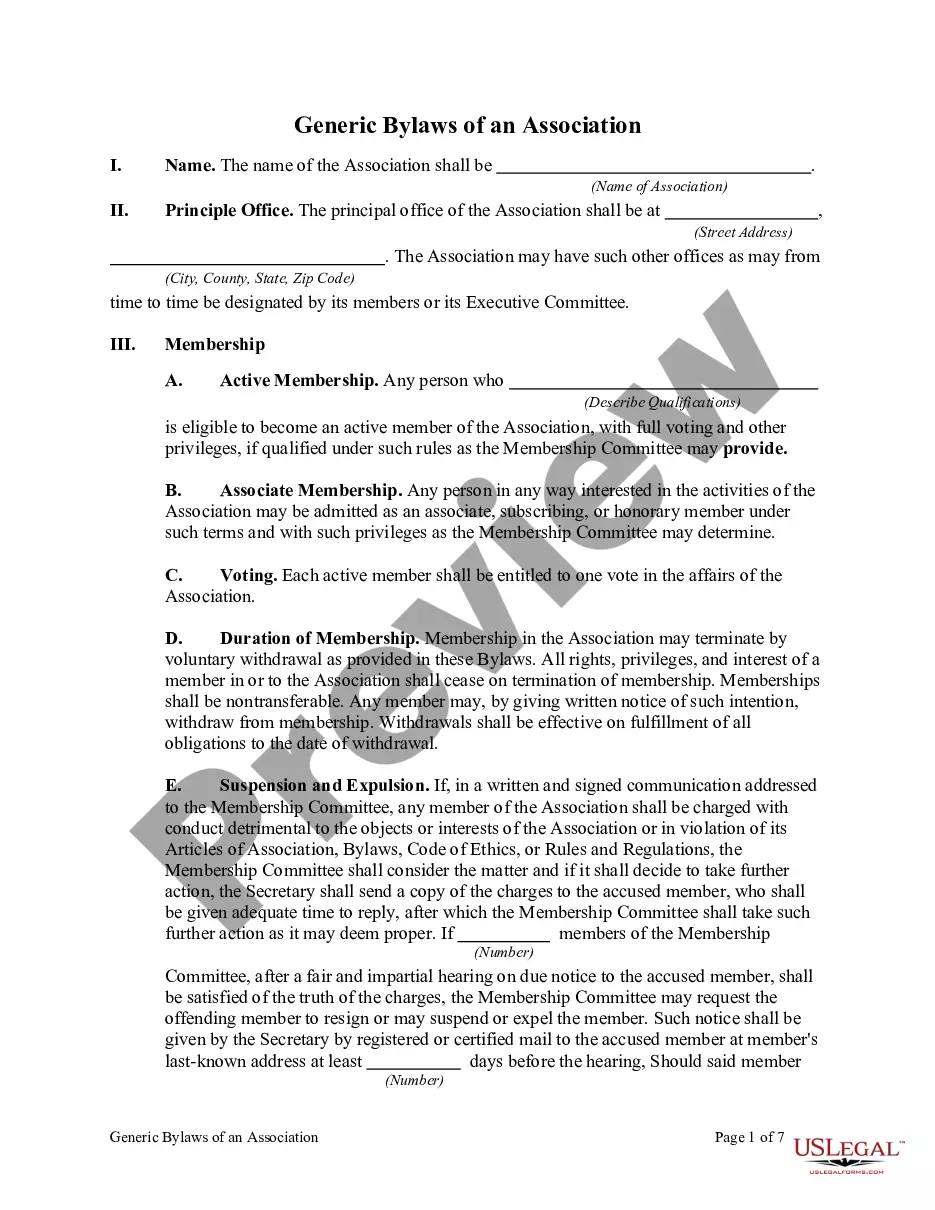
Almost any association can have bylaws, such as a charitable committee, members group, homeowner's or housing association, non-profit, political party, professional association, sports club, or the board of a corporation.
Your bylaws are legally binding—so treat them as such. Failure to comply with your bylaws can result in issues ranging from organizational conflict to personal liability, the rejection or loss of tax-exempt status, and in some cases, lawsuits.
Start Your Corporate Bylaws StateBylaws Required? California No Colorado No Connecticut Yes Delaware Yes47 more rows
It is also responsible for street maintenance and repairs. An HOA may have established parking or street rules. However, an HOA's authority over public streets is secondary to municipal regulations. More often than not, an HOA does not even have the authority to enforce parking and security rules over public streets.
Subdivisions with homeowners' associations established after Jan. 1, 1999, are governed by the North Carolina Planned Community Act found in Chapter 47F of the North Carolina General Statutes. However, no state or federal agency oversees homeowners' associations.
The local law supersedes the rules and regulations of the HOA, meaning that HOAs must ensure they are operating under the law.
These are just a few categories in which an HOA may have regulations. However, the HOA must comply with local laws, and the law will supersede the HOA's rules. For this reason, HOAs should check that their regulations do not conflict with local, state, or federal laws.
