Hoa Rules For Dogs In New York
Description

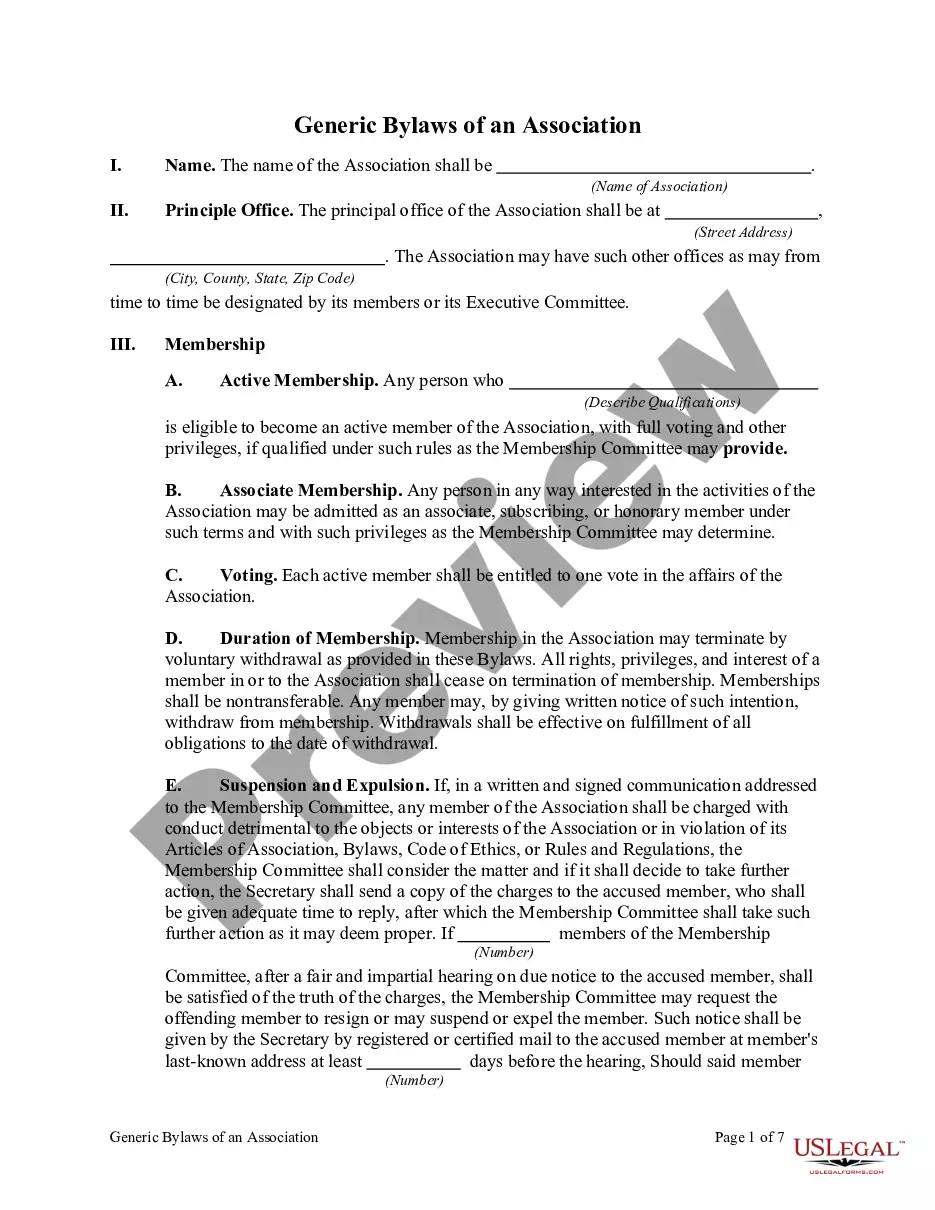
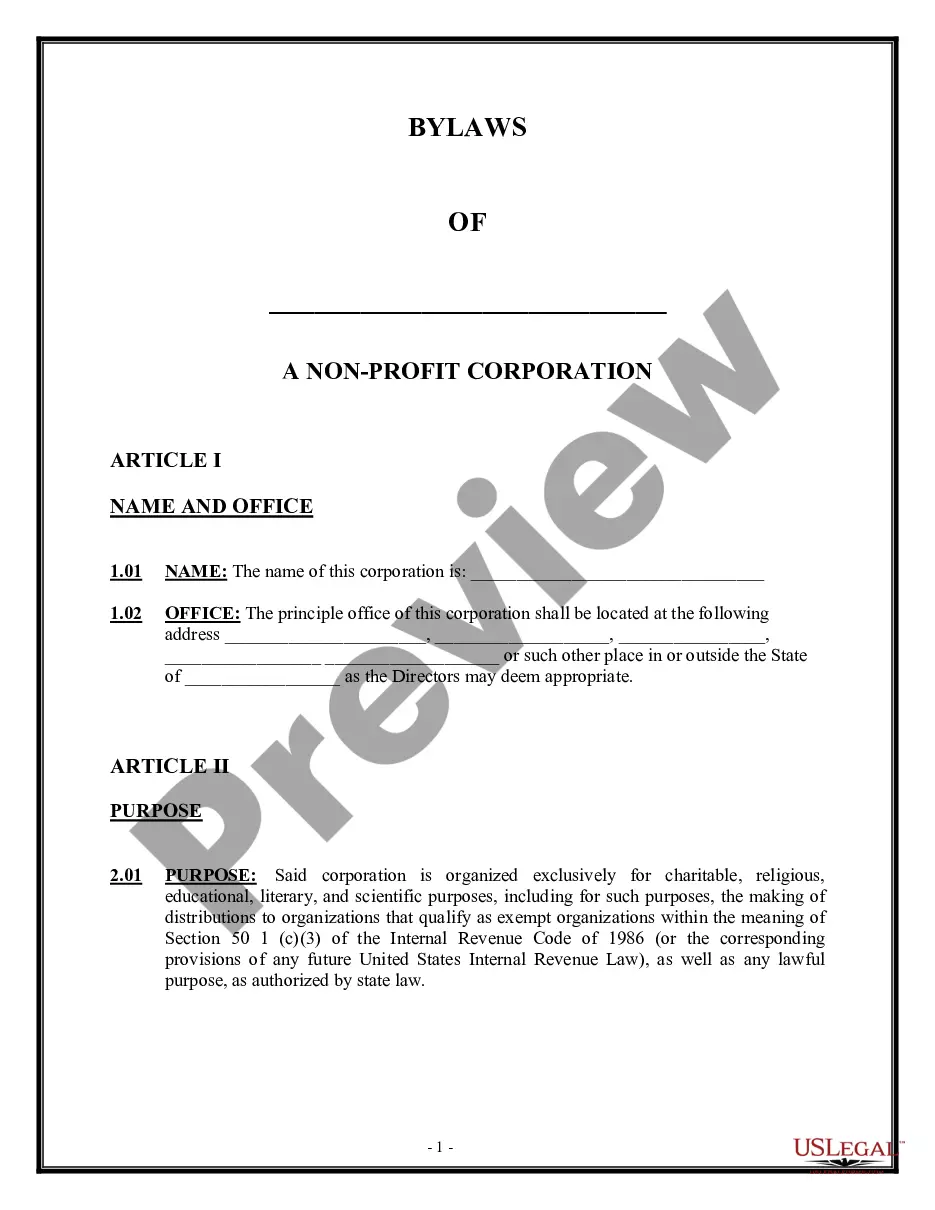
Get your form ready online
Our built-in tools help you complete, sign, share, and store your documents in one place.
Make edits, fill in missing information, and update formatting in US Legal Forms—just like you would in MS Word.
Download a copy, print it, send it by email, or mail it via USPS—whatever works best for your next step.
Sign and collect signatures with our SignNow integration. Send to multiple recipients, set reminders, and more. Go Premium to unlock E-Sign.
If this form requires notarization, complete it online through a secure video call—no need to meet a notary in person or wait for an appointment.
We protect your documents and personal data by following strict security and privacy standards.

Make edits, fill in missing information, and update formatting in US Legal Forms—just like you would in MS Word.

Download a copy, print it, send it by email, or mail it via USPS—whatever works best for your next step.

Sign and collect signatures with our SignNow integration. Send to multiple recipients, set reminders, and more. Go Premium to unlock E-Sign.

If this form requires notarization, complete it online through a secure video call—no need to meet a notary in person or wait for an appointment.

We protect your documents and personal data by following strict security and privacy standards.
Looking for another form?









Form popularity
FAQ
To comply with New York law, there are three primary pathways to establish an HOA: obtaining a no-action letter under 13 NYCRR Section 22.8, utilizing the Cooperative Policy Statement No. 7 (CPS-7), or filing an offering plan pursuant to 13 NYCRR Part 22 (Part 22).
Homeowners' Associations in New York, or otherwise known as Common Interest Communities, are regulated by the Attorney General's office and must be set up as non-profit organizations. They are governed by NY Not-For-Profit Corporation Law, the Association's Articles of Declaration, and Bylaws.
A homeowners association is an organization created by a real estate developer to develop and manage a community of homes, town homes, or inium units. It has the authority to enforce the covenants, conditions, and restrictions, as well as manage the common elements of the development.
In many cases, the fees cover some common utilities, such as water/sewer fees and garbage disposal. The association may also levy special assessments from time to time if its reserve funds are not sufficient to cover a major repair, such as a new elevator or new roof.
Key Takeaways: HOAs Cannot Directly Evict Tenants – While HOAs enforce rules and maintain community standards, they cannot directly evict tenants. However, rule violations, unpaid fees, or legal actions initiated by the HOA can impact the property owner, potentially leading to eviction through the landlord.
Documentation for Service Animals in HOAs You cannot restrict service animals in HOAs, but you can ask homeowners for proof or documentation. Service animals do not require specific documentation to be considered service animals.
Yes. HOA may restrict breeds.
Yes, any member in the HOA community can report on the Dog and can request the HOA on removal. When that happens, hire an animal law practitioner for advice and your next steps.
For instance, HOAs in California are required by law, to allow at least one pet per unit owner ing to California Code, Civil Code §4715. However, this doesn't stop associations from enforcing rules based on criteria such as size, breed, and number.
Thirteen states statutorily prohibit breed specific local ordinances, ing to the American Veterinary Medical Association: California, Colorado, Florida, Illinois, Maine, Massachusetts, Minnesota, New Jersey, New York, Oklahoma, Pennsylvania, Texas, and Virginia.
