Corporate Bylaws For A Small Business In Minnesota
Description

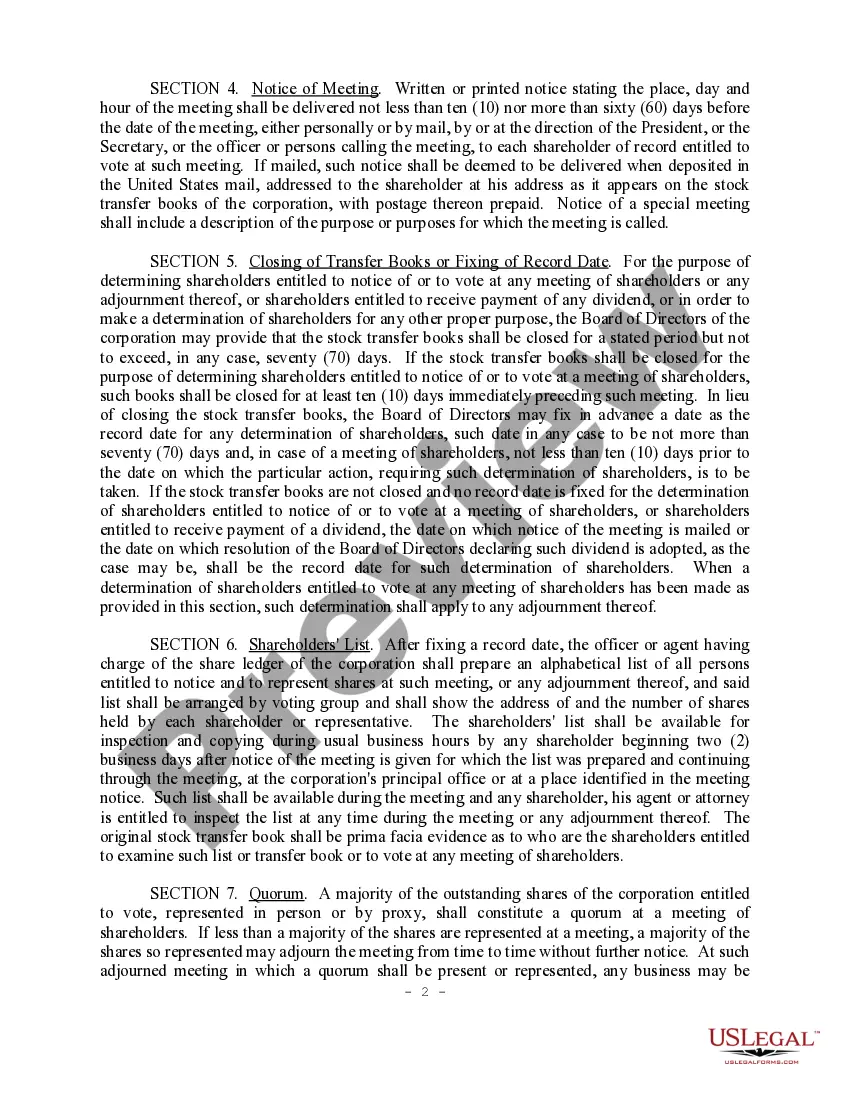
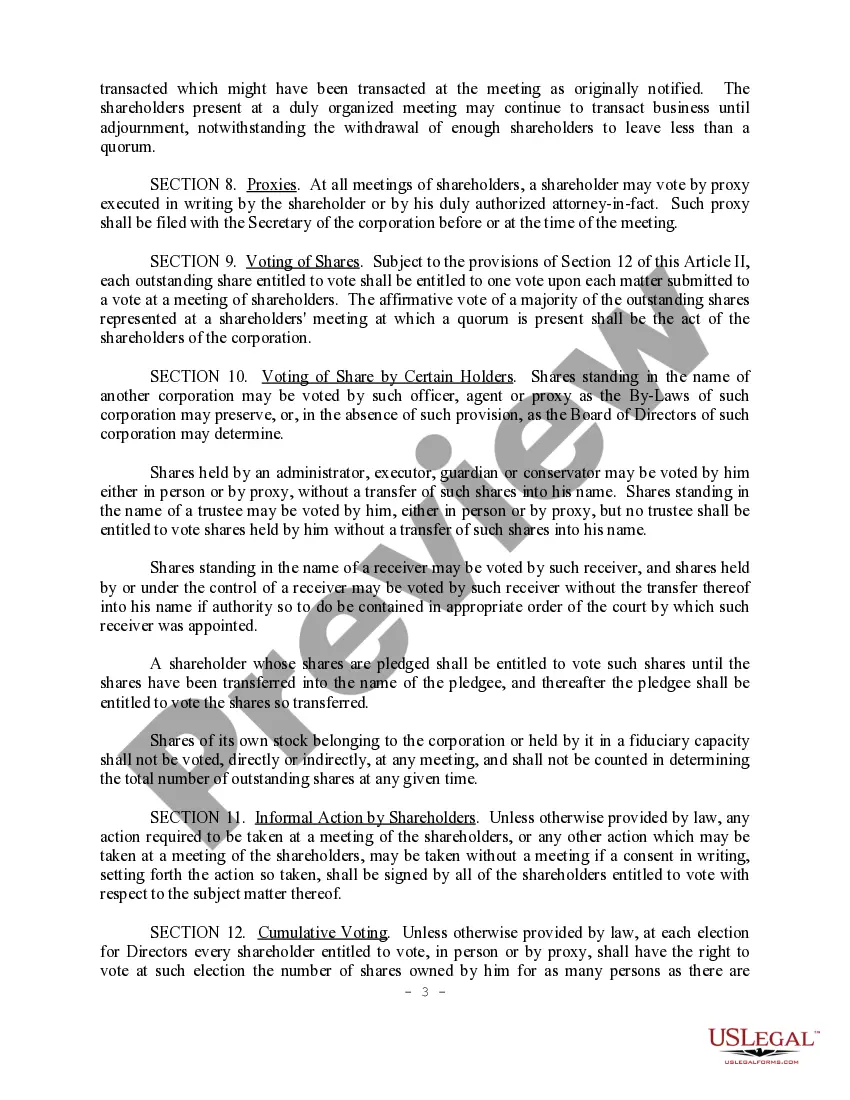
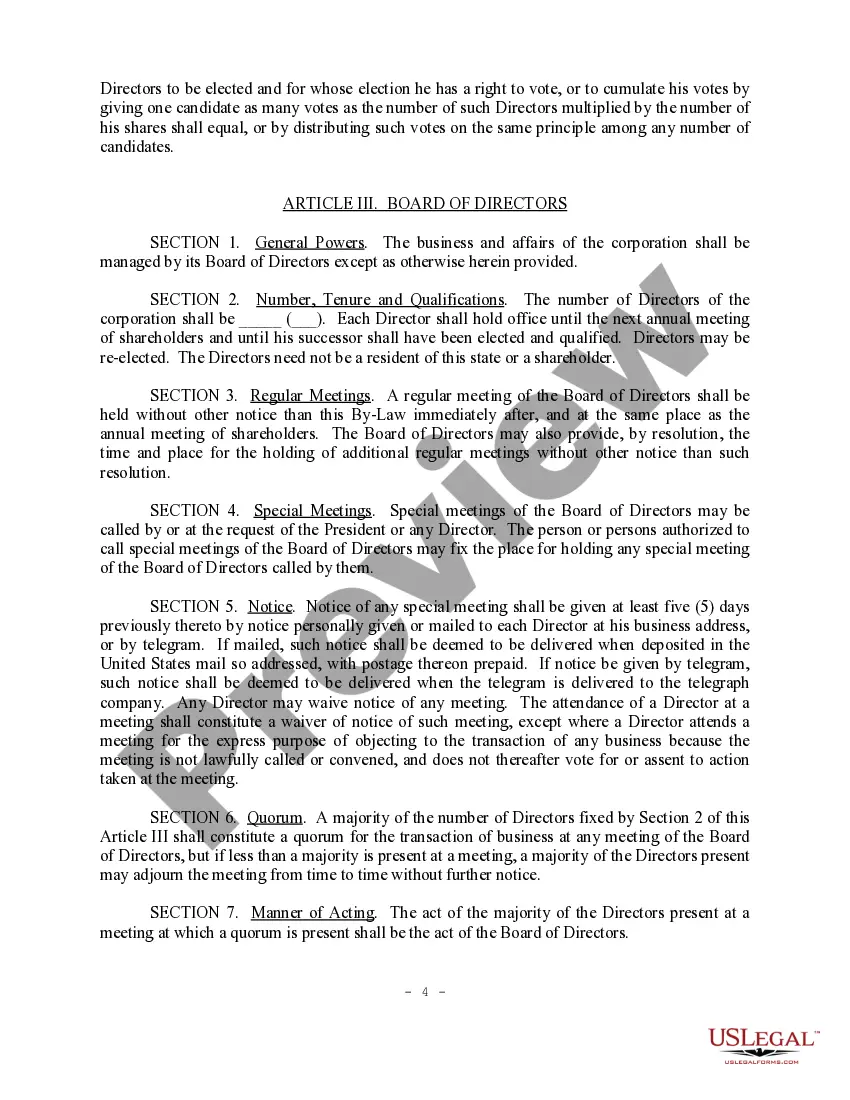
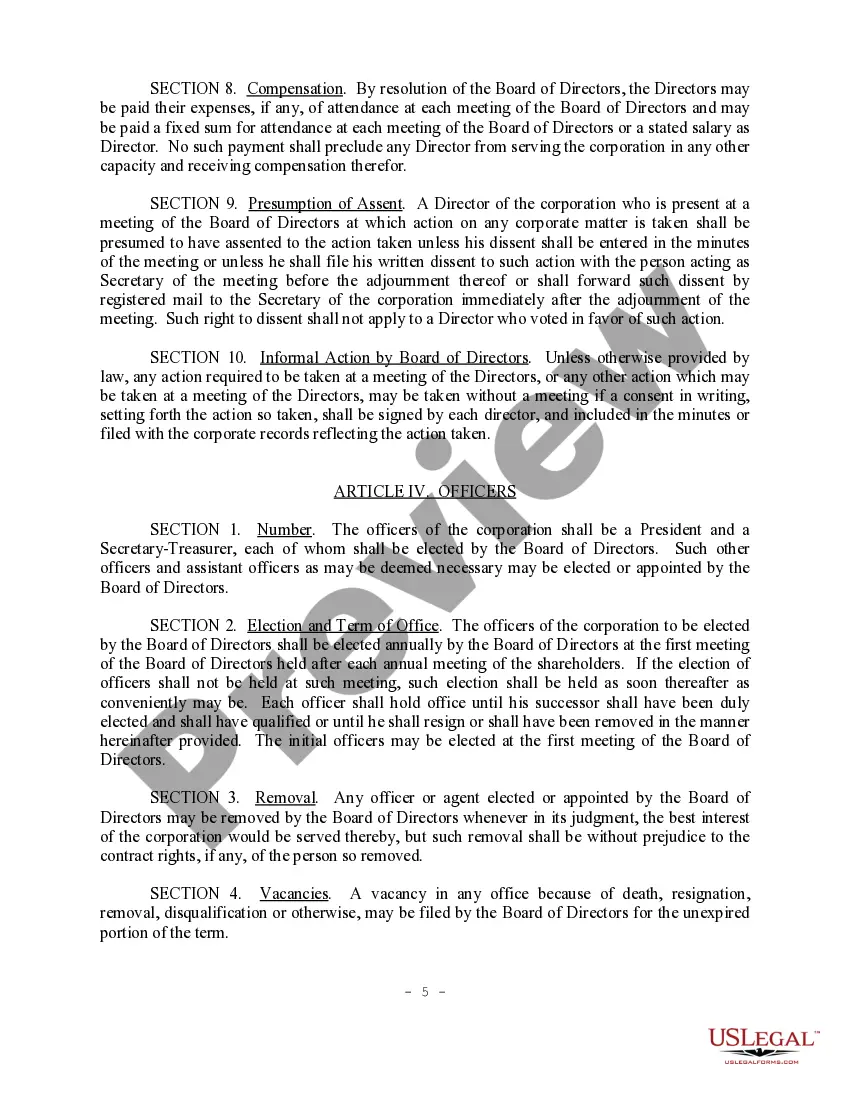


Get your form ready online
Our built-in tools help you complete, sign, share, and store your documents in one place.
Make edits, fill in missing information, and update formatting in US Legal Forms—just like you would in MS Word.
Download a copy, print it, send it by email, or mail it via USPS—whatever works best for your next step.
Sign and collect signatures with our SignNow integration. Send to multiple recipients, set reminders, and more. Go Premium to unlock E-Sign.
If this form requires notarization, complete it online through a secure video call—no need to meet a notary in person or wait for an appointment.
We protect your documents and personal data by following strict security and privacy standards.

Make edits, fill in missing information, and update formatting in US Legal Forms—just like you would in MS Word.

Download a copy, print it, send it by email, or mail it via USPS—whatever works best for your next step.

Sign and collect signatures with our SignNow integration. Send to multiple recipients, set reminders, and more. Go Premium to unlock E-Sign.

If this form requires notarization, complete it online through a secure video call—no need to meet a notary in person or wait for an appointment.

We protect your documents and personal data by following strict security and privacy standards.
Looking for another form?



Form popularity
FAQ
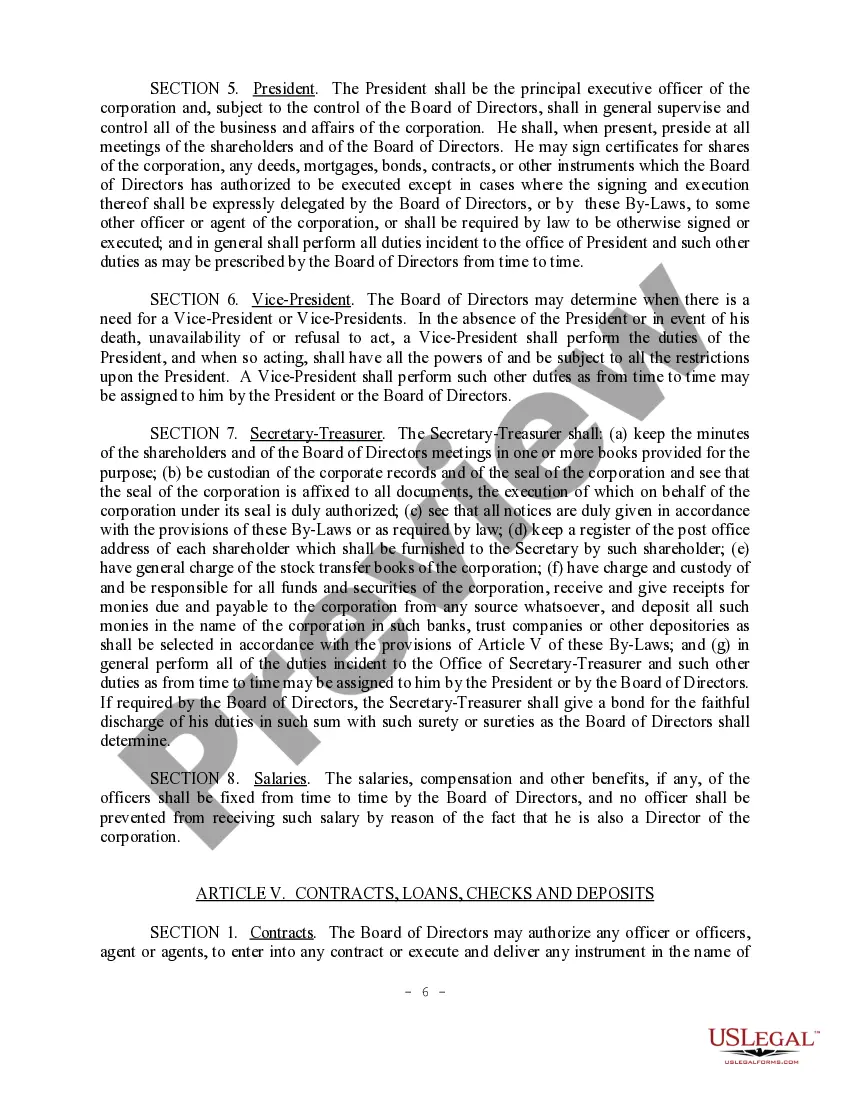
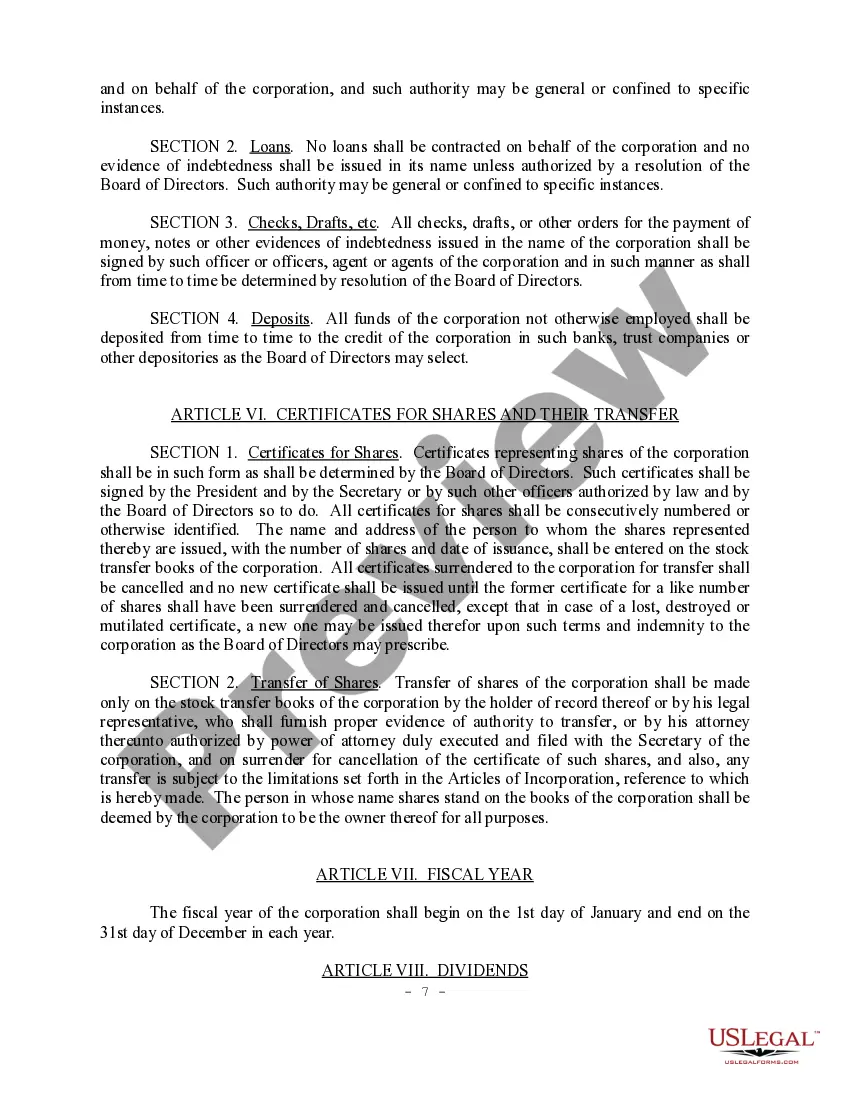
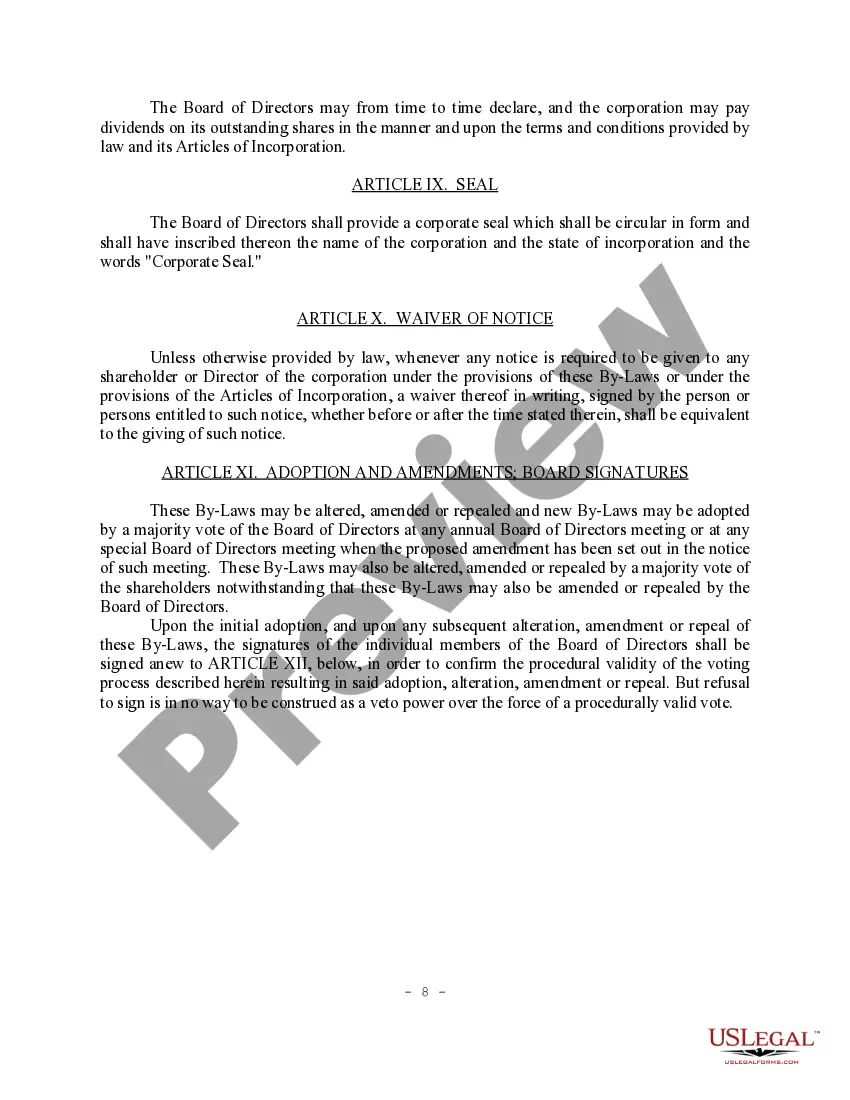
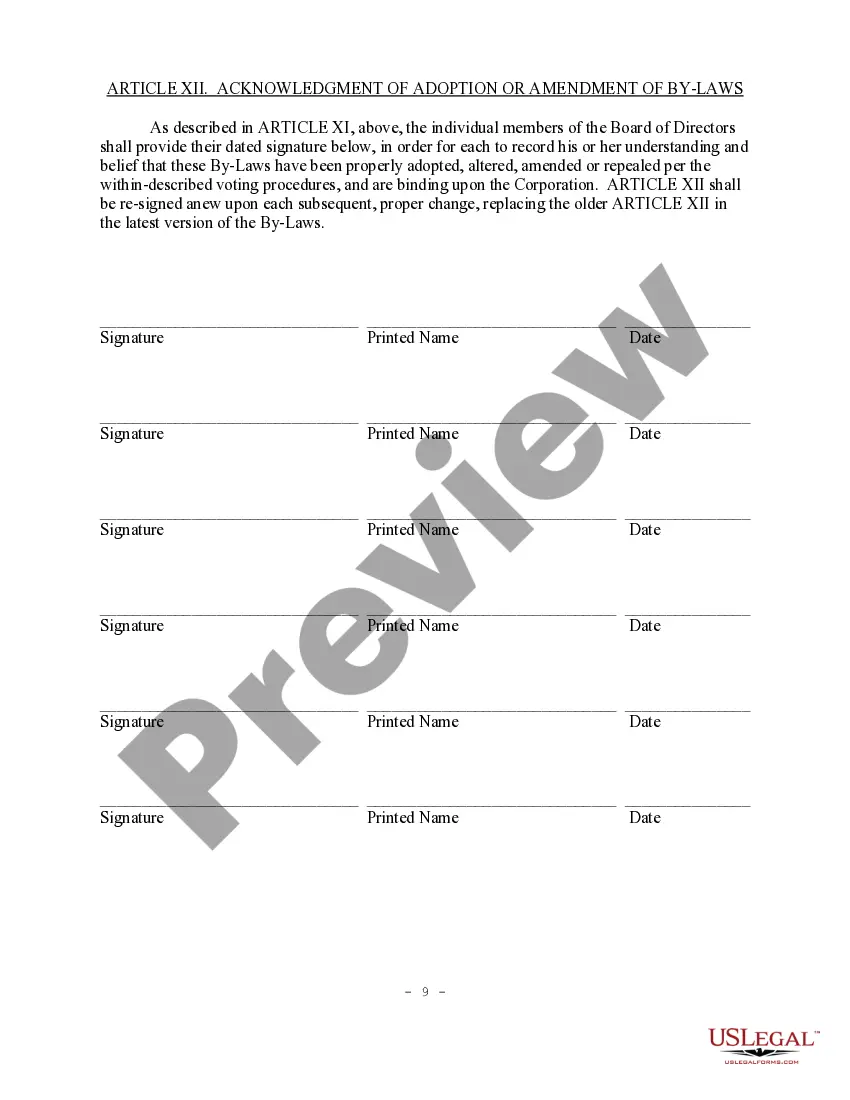
Minnesota corporate bylaws are rules that define a corporation's internal structure and daily operations. They allow the first board of directors or the incorporators to nominate officers and identify their liabilities, duties, and rights within the corporation.
Corporate bylaws are a company's foundational governing document. They lay out how things should run day-to-day and the processes for making important decisions. They serve as a legal contract between the corporation and its shareholders, directors, and officers and set the protocol for how the organization operates.
For businesses categorized as small employers, the Minnesota minimum wage increased to $11.13 per hour in 2025. Small employers are any enterprises with annual gross revenues of $500,000 or less. The Minnesota minimum wage for large employers (gross annual revenues of more than $500,000) will also increase to $11.13.
The Small Business Profiles are produced by the US Small Business Administration's Office of Advocacy ( ). These profiles define small businesses as firms with fewer than 500 employees.
An LLC is a hybrid between a corporation and a sole proprietorship, offering easy management, pass-through taxation, and the liability protection of a corporation. Similar to a corporation, it is a separate legal entity, but there is no stock.
To start a corporation in Minnesota, you'll need to do three things: appoint a registered agent, choose a name for your business, and file Articles of Incorporation with the Secretary of State's Business Services office. You can file this document online, by mail or in person.
Incorporating yourself means setting up your business as a distinct legal entity, such as a corporation. As of 2023, there were more than 33 million small businesses in the US. Incorporating protects your personal assets, so if the business runs into trouble, your personal property and savings aren't at risk.
~24hrs online. Choose a Corporate Structure. Incorporating means starting a corporation. Check Name Availability. Appoint a Registered Agent. File Minnesota Articles of Incorporation. Establish Bylaws & Corporate Records. Appoint Initial Directors. Hold Organizational Meeting. Issue Stock Certificates.
California corporate bylaws are the agreed-upon rules for your corporation's operations. Bylaws create an organizational structure for your company and outline policies for appointing directors and officers, holding shareholder and board meetings, and handling conflicts of interest, among other issues.
The Delaware corporate code covers most of the topics normally addressed in the Bylaws. Therefore, if the Certificate of Incorporation sets forth the authorized number of directors there is no legal requirement that a corporation have bylaws.
