Hoa Rules With Dogs In Michigan
Description

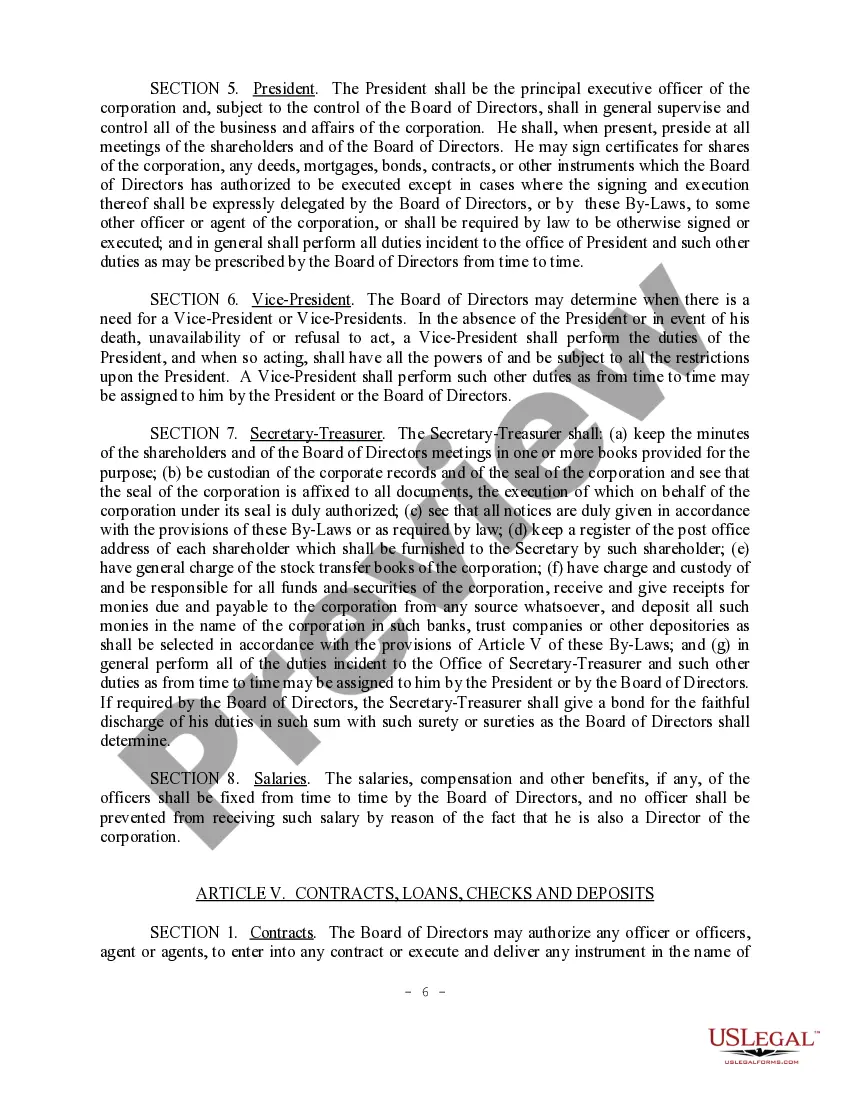
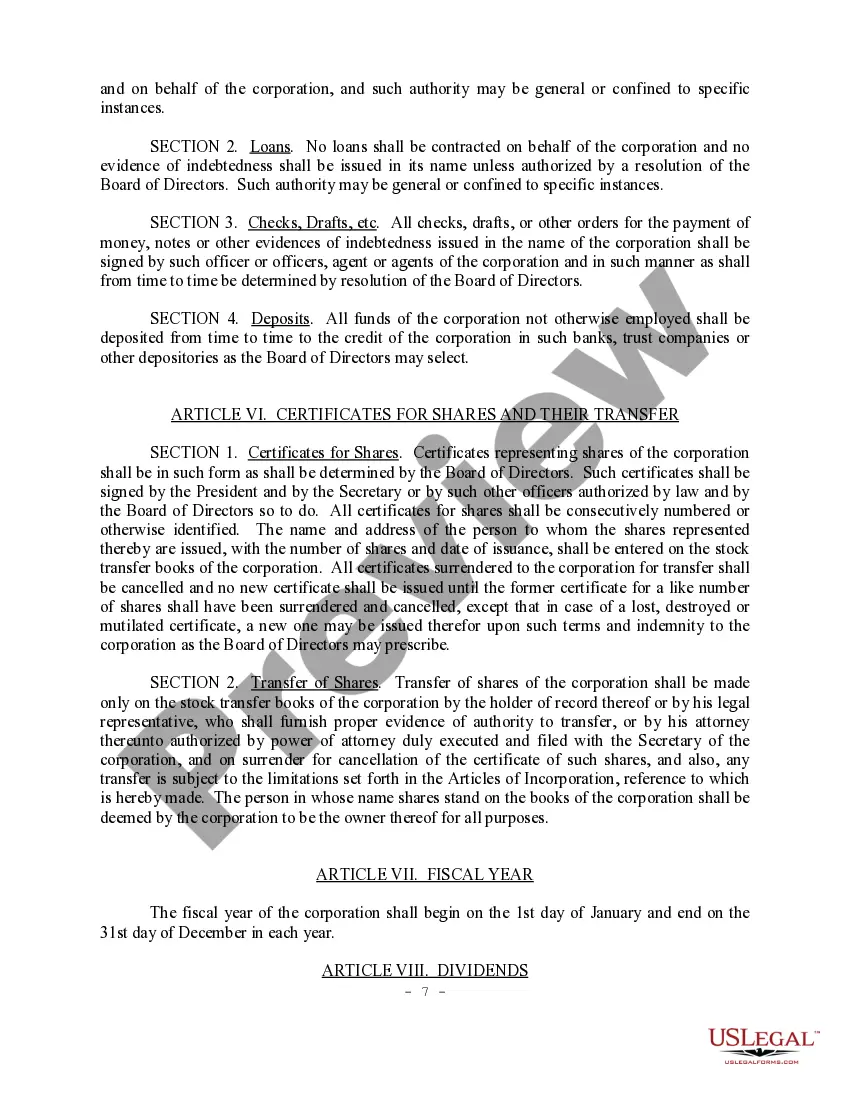
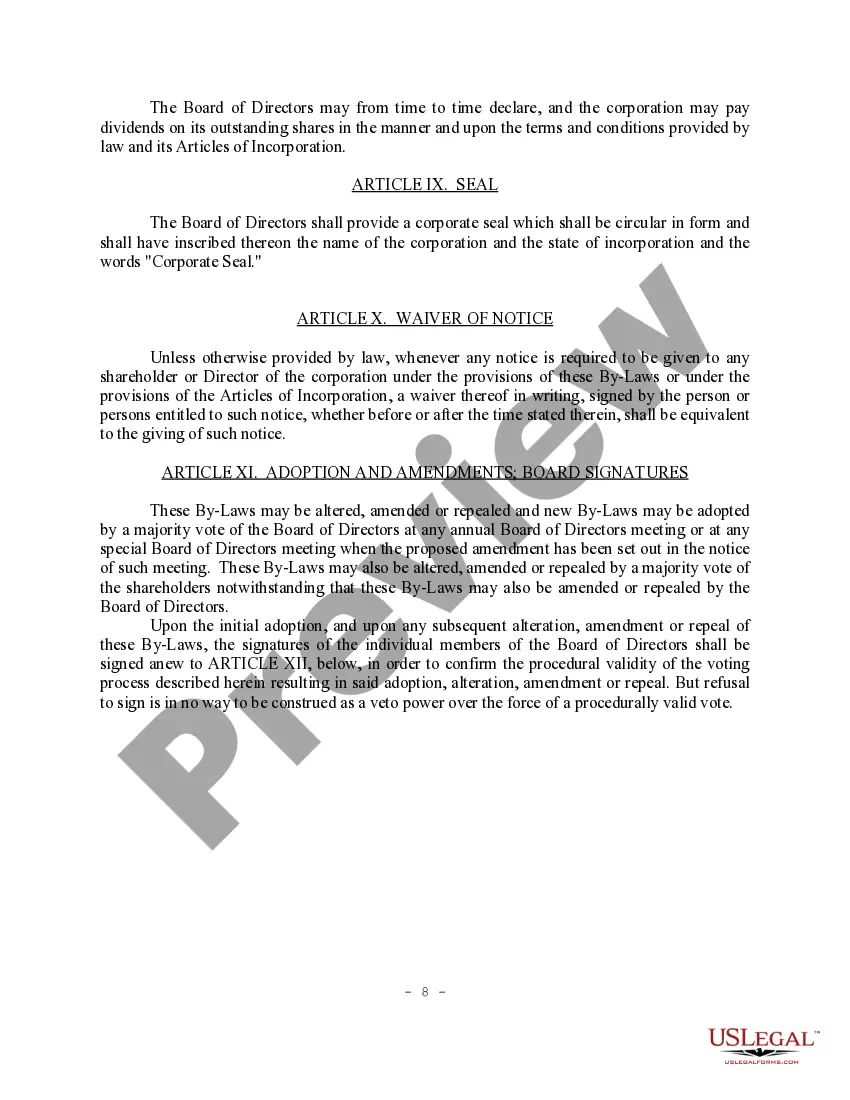
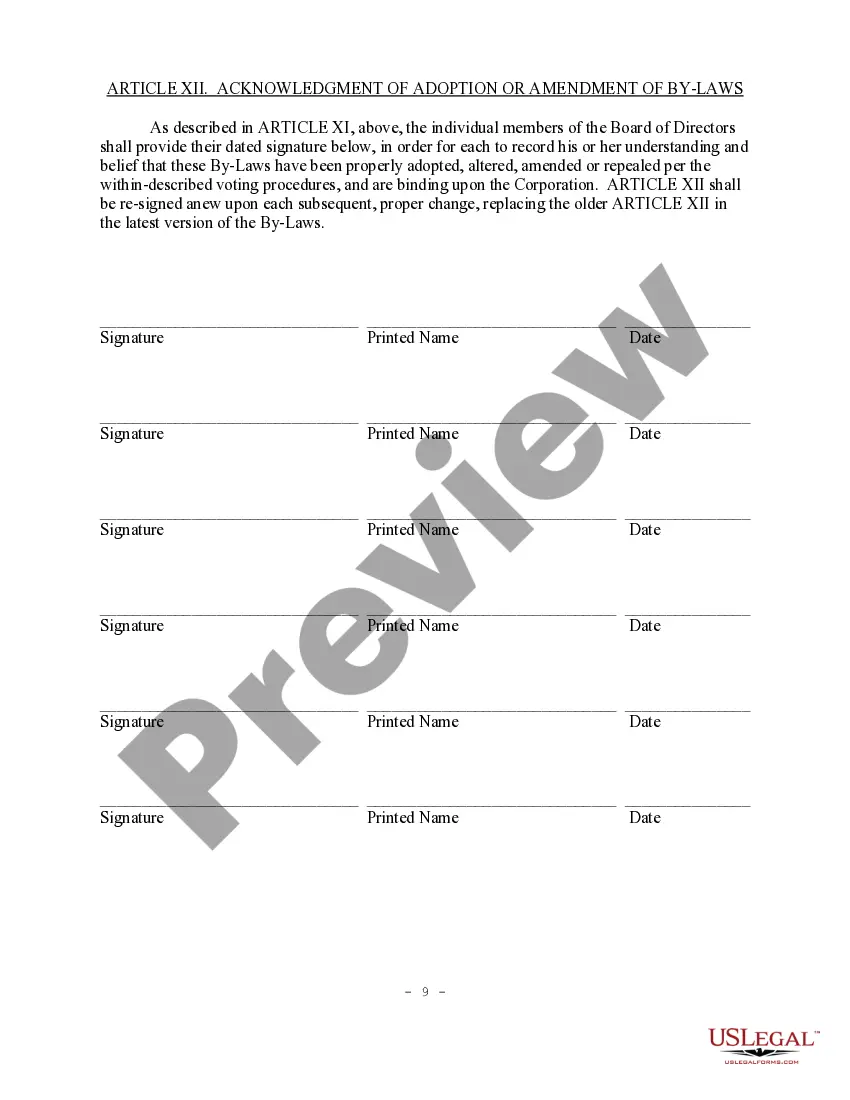
Get your form ready online
Our built-in tools help you complete, sign, share, and store your documents in one place.
Make edits, fill in missing information, and update formatting in US Legal Forms—just like you would in MS Word.
Download a copy, print it, send it by email, or mail it via USPS—whatever works best for your next step.
Sign and collect signatures with our SignNow integration. Send to multiple recipients, set reminders, and more. Go Premium to unlock E-Sign.
If this form requires notarization, complete it online through a secure video call—no need to meet a notary in person or wait for an appointment.
We protect your documents and personal data by following strict security and privacy standards.

Make edits, fill in missing information, and update formatting in US Legal Forms—just like you would in MS Word.

Download a copy, print it, send it by email, or mail it via USPS—whatever works best for your next step.

Sign and collect signatures with our SignNow integration. Send to multiple recipients, set reminders, and more. Go Premium to unlock E-Sign.

If this form requires notarization, complete it online through a secure video call—no need to meet a notary in person or wait for an appointment.

We protect your documents and personal data by following strict security and privacy standards.
Looking for another form?








Form popularity
FAQ
HOAs are private entities. If the board wants to enforce a “no pets” policy, they are legally able to do so.
On July 8, 2024, the Governor signed the Homeowners' Energy Policy Act, MCL 559.301, et seq. (“HEPA”), which becomes effective on April 1, 2025. The HEPA is intended to limit a homeowners association's ability to restrict or prohibit an owner from installing solar panels and other energy-saving devices.
An HOA's power comes from a legal document called the covenants, conditions, and restrictions (CC&Rs). These rules explain what homeowners can and cannot do with their property and how they must take care of it.
(c) Number of dogs allowed. It shall be unlawful for any person to own, possess, shelter, keep, harbor, or maintain more than three (3) dogs that are six (6) months of age or older at or within any one (1) residence, dwelling, or legal property boundary, at any given time.
In Michigan, HOAs have the power to: Collect payments for shared expenses. Upkeep and regulation of common areas. Levy reasonable fines.
While an association cannot exclude an emotional support animal, they can require some documentation in support of the owner's request. That documentation may include: A written request by the owner to the HOA to accommodate the owner's emotional support animal.
You cannot restrict service animals in HOAs, but you can ask homeowners for proof or documentation. Service animals do not require specific documentation to be considered service animals.
(c) Number of dogs allowed. It shall be unlawful for any person to own, possess, shelter, keep, harbor, or maintain more than three (3) dogs that are six (6) months of age or older at or within any one (1) residence, dwelling, or legal property boundary, at any given time. Exceptions.
