Hoa Bylaws Template For Nonprofit In Miami-Dade
Description

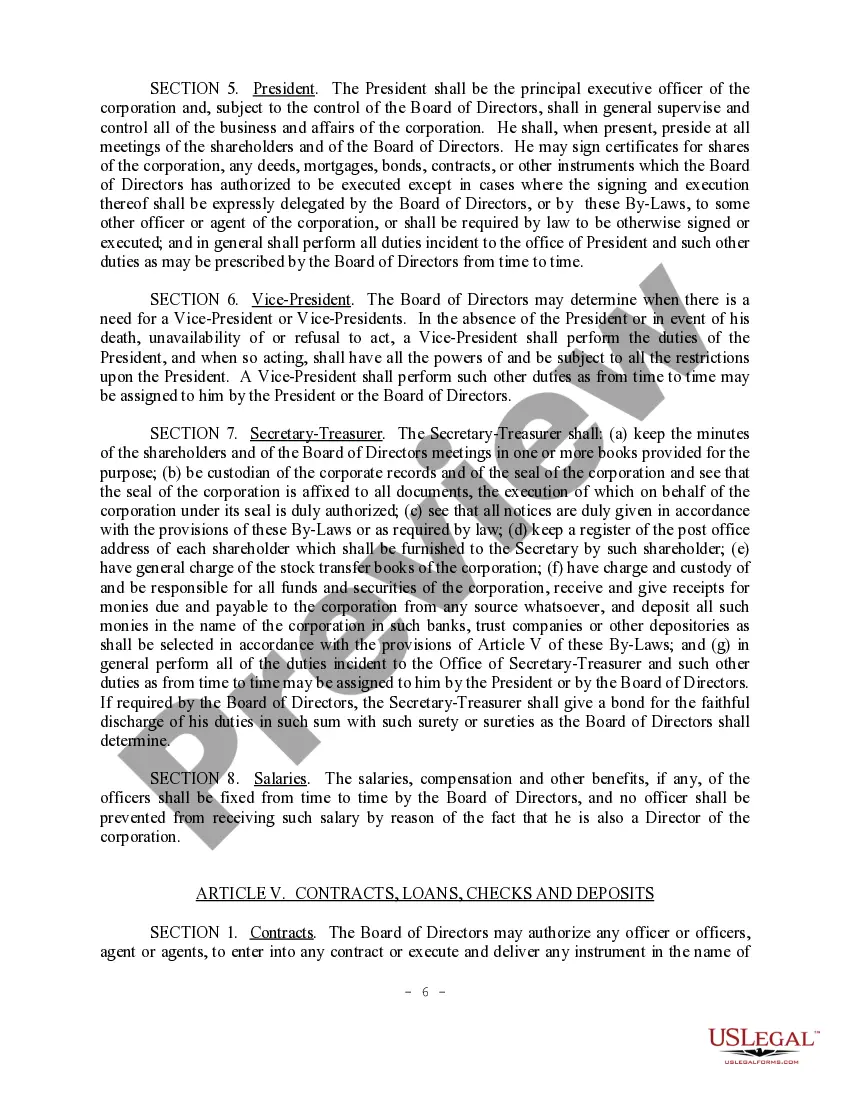
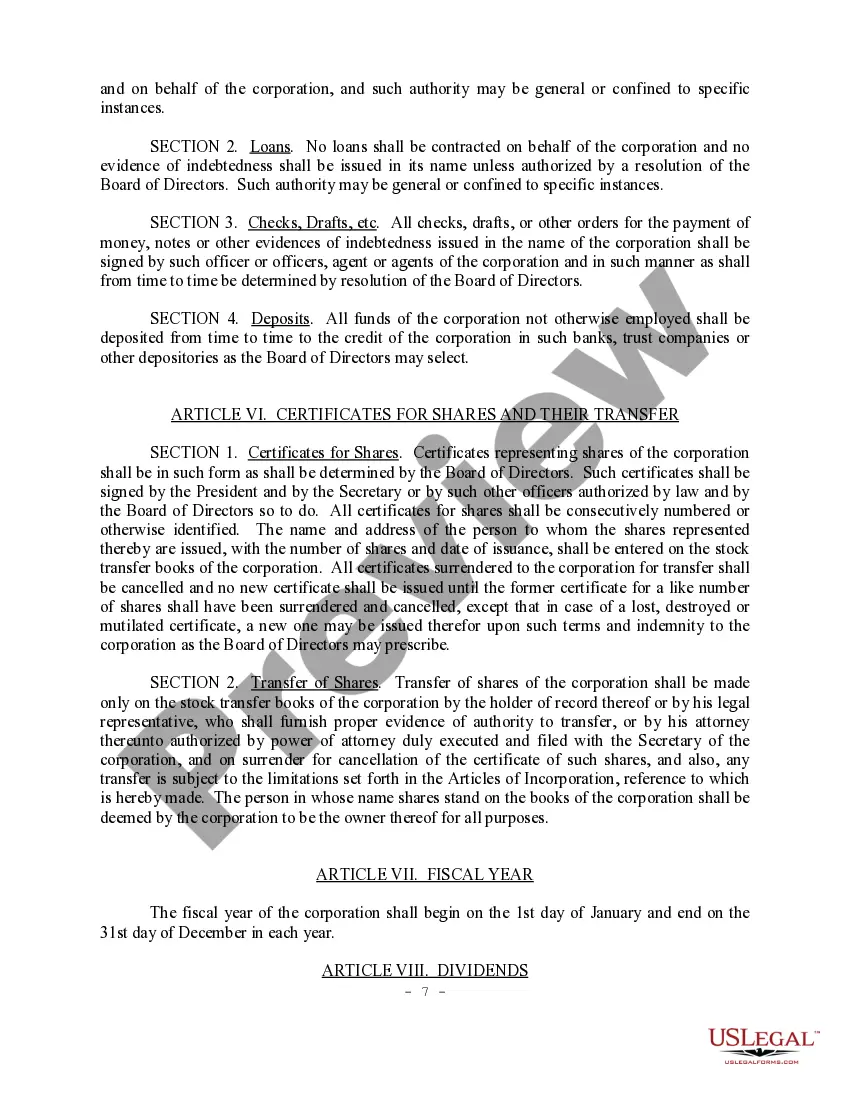
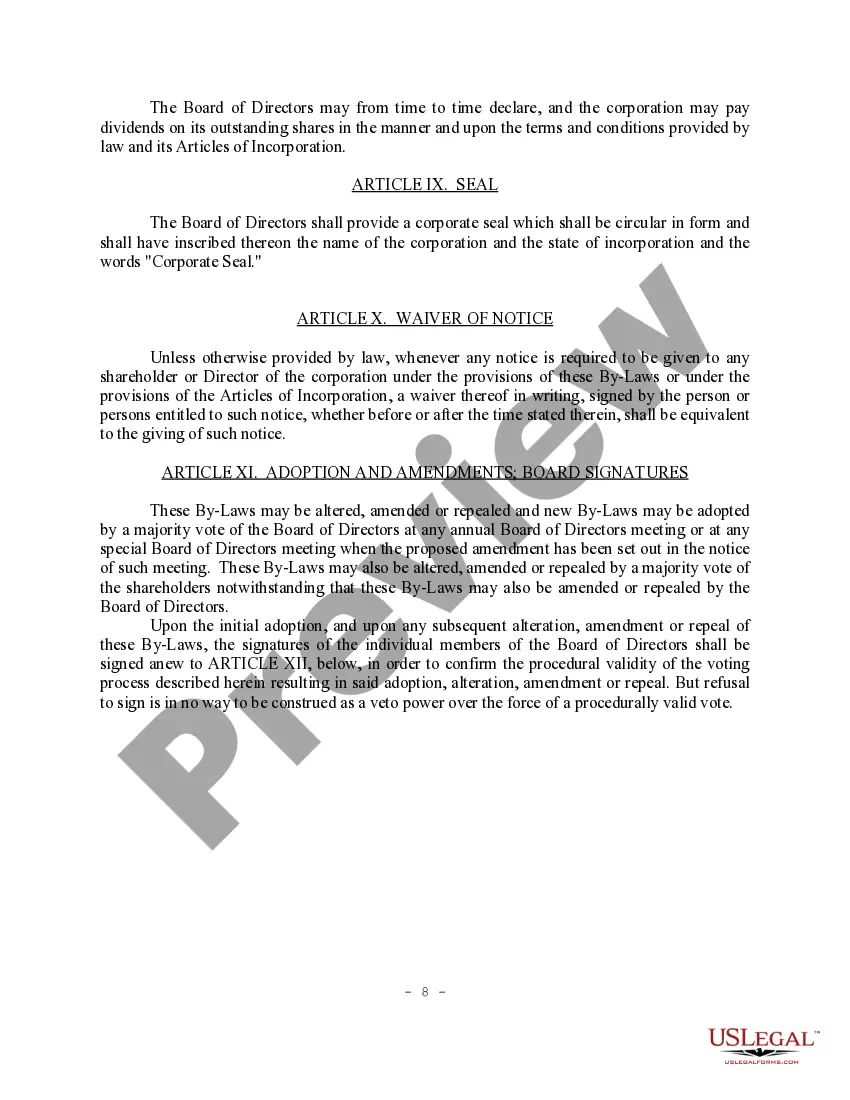
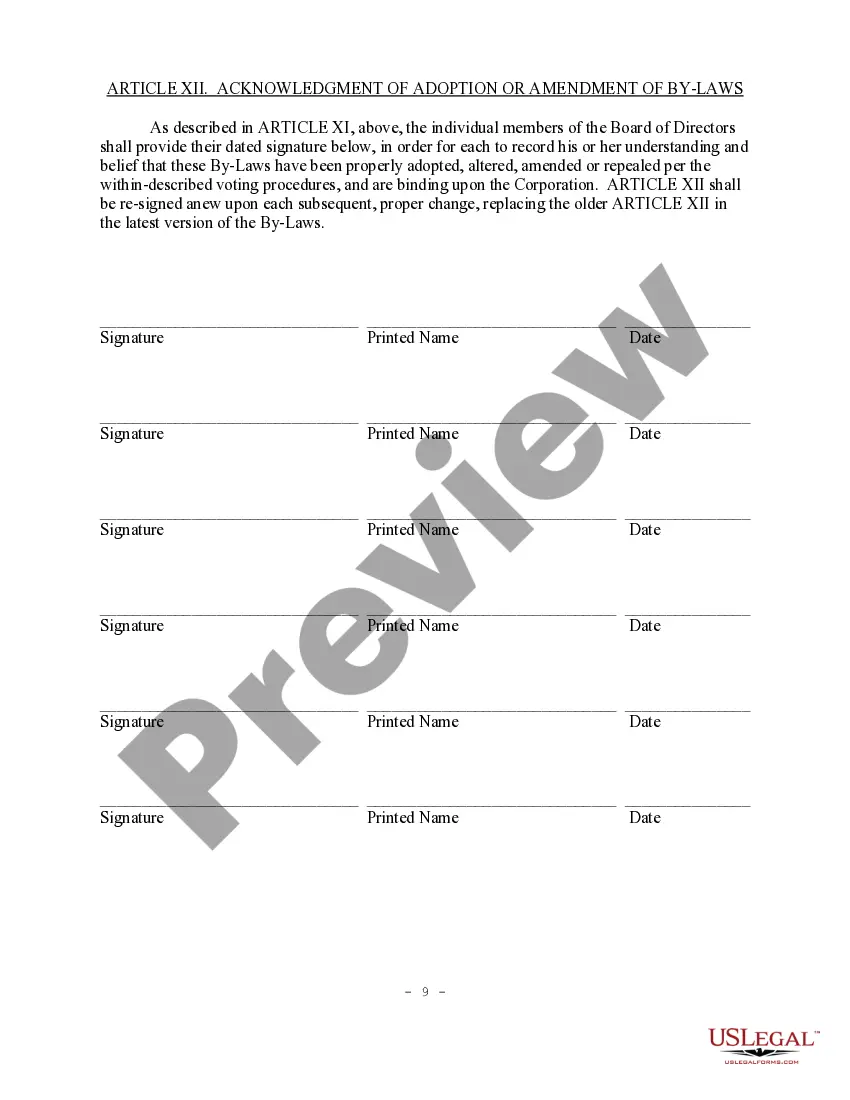
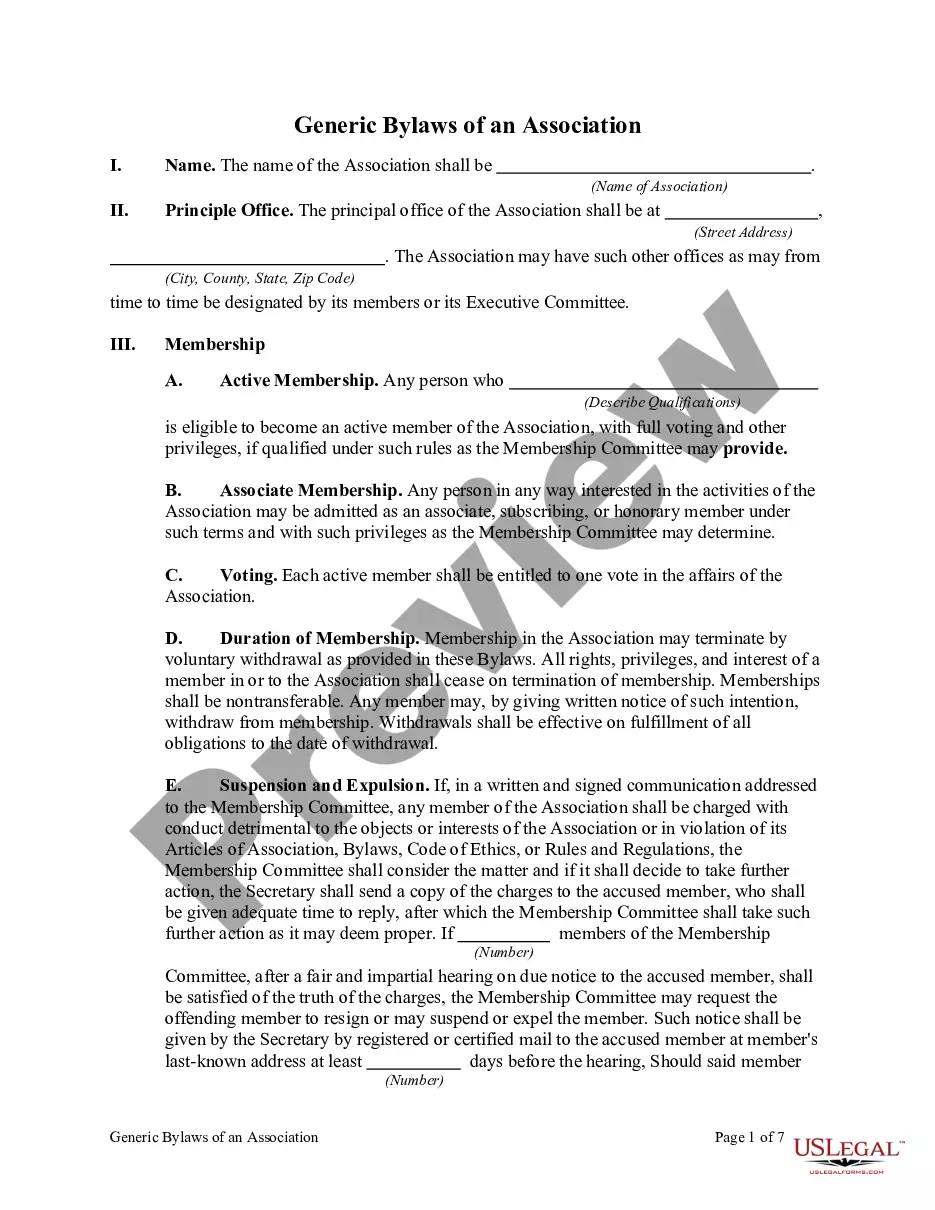

Get your form ready online
Our built-in tools help you complete, sign, share, and store your documents in one place.
Make edits, fill in missing information, and update formatting in US Legal Forms—just like you would in MS Word.
Download a copy, print it, send it by email, or mail it via USPS—whatever works best for your next step.
Sign and collect signatures with our SignNow integration. Send to multiple recipients, set reminders, and more. Go Premium to unlock E-Sign.
If this form requires notarization, complete it online through a secure video call—no need to meet a notary in person or wait for an appointment.
We protect your documents and personal data by following strict security and privacy standards.

Make edits, fill in missing information, and update formatting in US Legal Forms—just like you would in MS Word.

Download a copy, print it, send it by email, or mail it via USPS—whatever works best for your next step.

Sign and collect signatures with our SignNow integration. Send to multiple recipients, set reminders, and more. Go Premium to unlock E-Sign.

If this form requires notarization, complete it online through a secure video call—no need to meet a notary in person or wait for an appointment.

We protect your documents and personal data by following strict security and privacy standards.
Looking for another form?


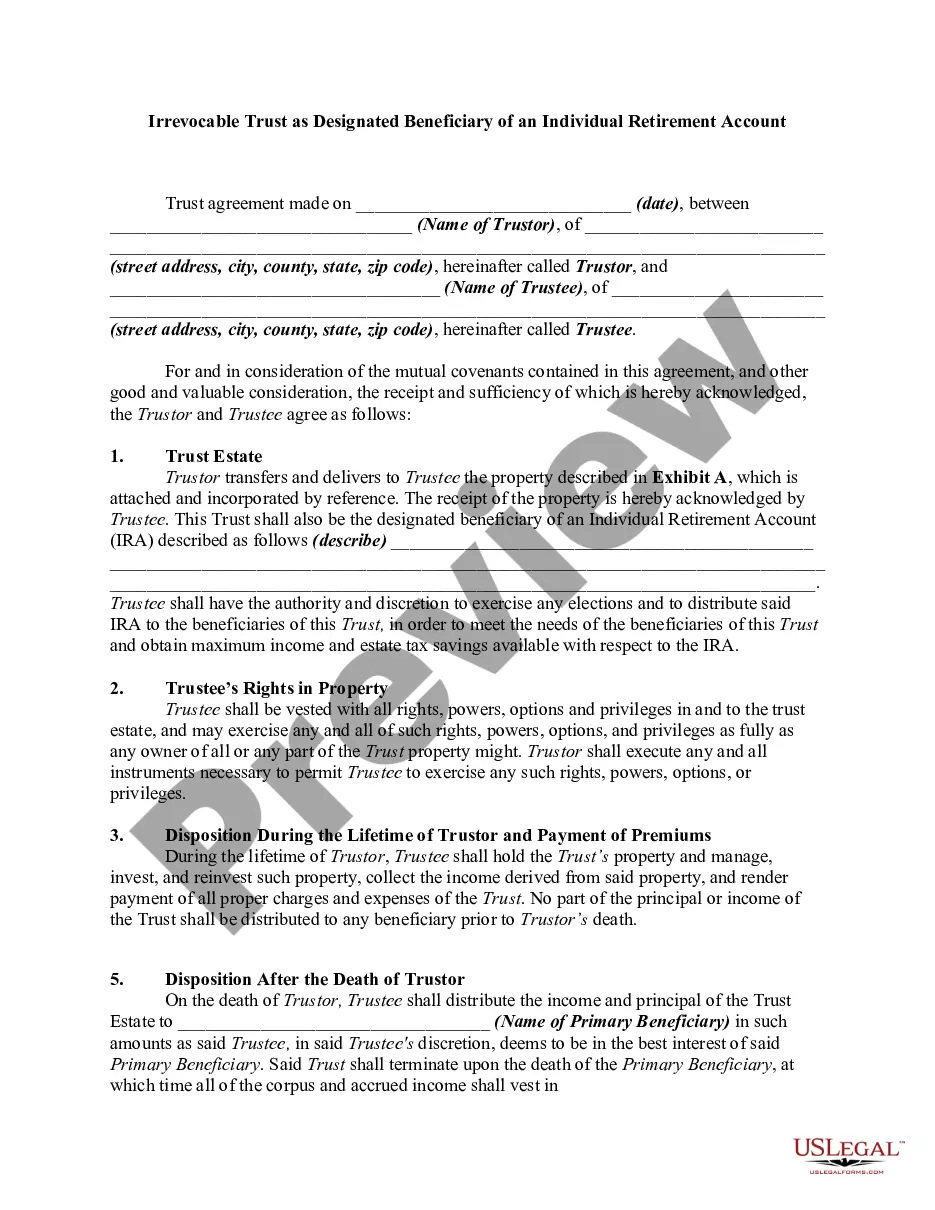







Form popularity
FAQ
In the State of Florida, three is the magic number. No matter the size of your association, your board must have at least three members, with the number stated in your articles of incorporation or bylaws. Your bylaws should also have provisions regarding the manner in which the board can expand.
In Florida, the statute of limitations for breach of contract (such as violating your HOA covenants) is five years. The time period within which the HOA could enforce the covenant has expired, at least as it pertains to those patios that were built more than five years ago.
The Purpose of HOA Laws These laws give HOAs the authority to enact rules and regulations governing different areas of community living, such as architectural guidelines, the care of communal areas, and the collection of fees.
How they're different. Interestingly, a nonprofit organization can operate like a traditional C corporation, where the organization is a separate legal entity from the owner. By contrast, not-for-profit organizations are similar to general partnerships in that they enjoy no legal separation from the members involved.
An HOA can be dissolved under certain conditions as stated in Florida's HOA regulations. The dissolution process requires a formal process outlined in the governing documents of the HOA or by state law if not specified.
Florida law specifically calls for HOAs to be established as non-profit entities (although condo associations may be either non-profits or for-profit LLCs or corporations).
The Florida Homeowners' Association Act, Chapter 720 of the Florida Statutes, states that amendments to “governing documents” for homeowners' associations are not effective until they are recorded in the public records of the county in which the community is located.
Florida Department of Business & Professional Regulation Division of Florida iniums, Timeshares, and Mobile Homes Laws.
