Bylaws Of Homeowners Without Insurance In Maricopa
Description

Form popularity
FAQ
Many aspects of HOAs are directly governed by Arizona statutes, such as the Planned Communities statutes, the Arizona inium Act and the Nonprofit Corporations Act. scope and detail than the Planned Community statutes.
The Supreme Court held that an HOA may not rely on a general amendment power provision in its covenants, conditions, and restrictions to place restrictions on landowners' use of their land only as to those restrictions for which the HOA's original declaration has provided sufficient notice.
Legal class Class 1Commercial Class 2 Vacant Land, Agricultural, Non-Profit Class 3 Primary Residence (3.1) or Primary Residence of a QFM (3.2) or Primary Residence Also Leased to Lodgers (3.3) Class 4 Residential Rental (4.2) or Non-Primary Residence (4.1) Class 6 Historic Residential or Foreign Trade Zone4 more rows
However, certain changes, such as new constructions or additions, parcel splits or consolidations, or changes to a property's use trigger a reassessment of the LPV.
Building permits are required for all structures with the exception of a structure that is less than 200 square feet with no electrical, plumbing or mechanical.
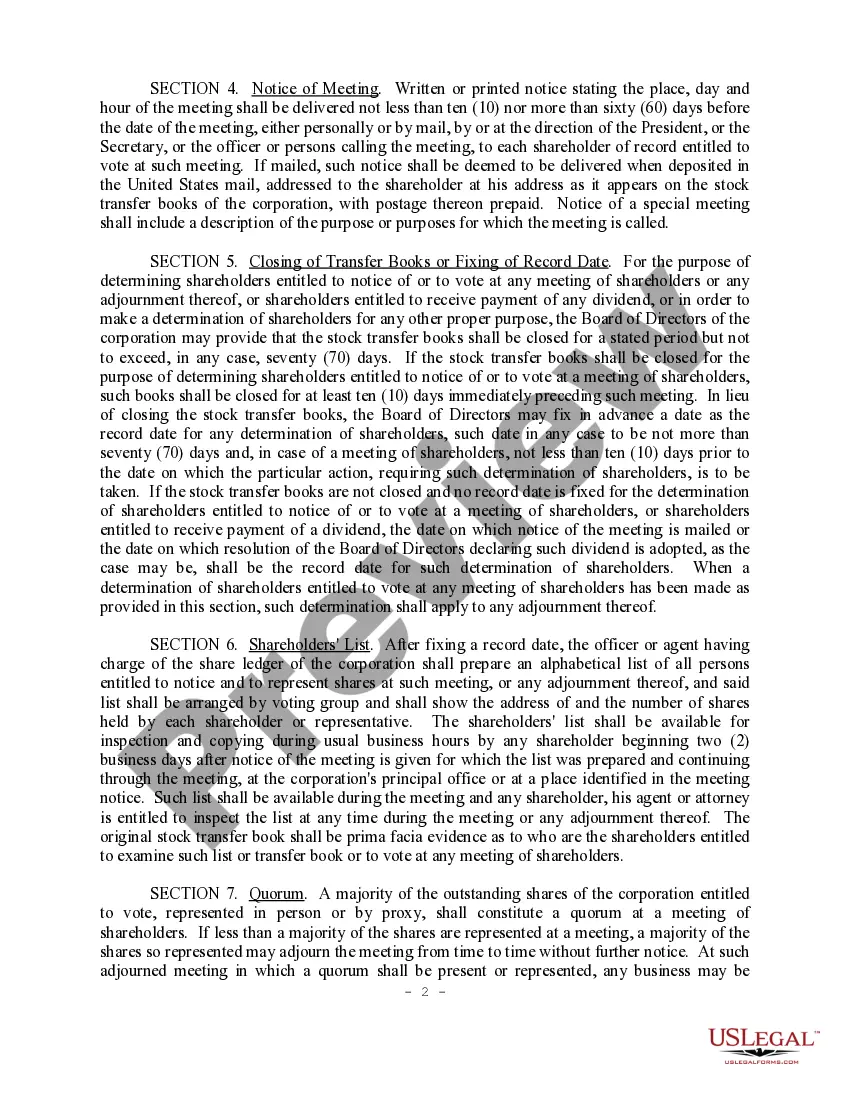
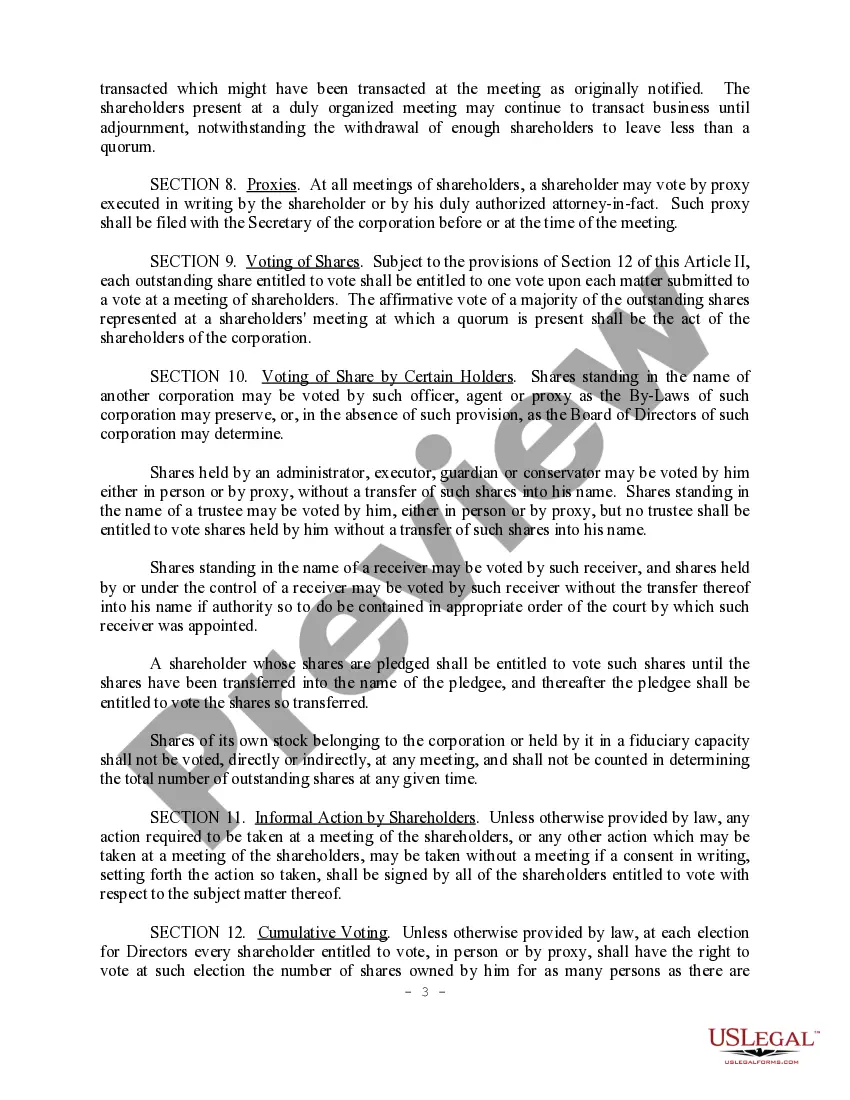
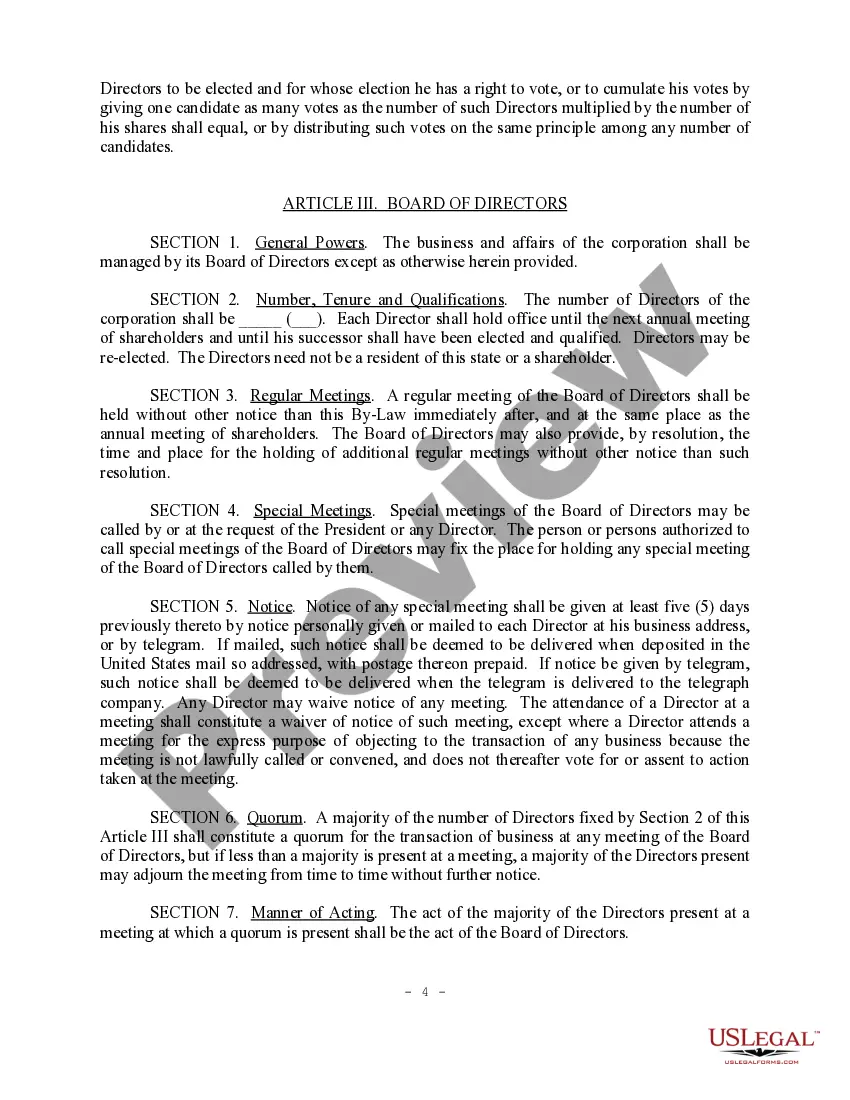
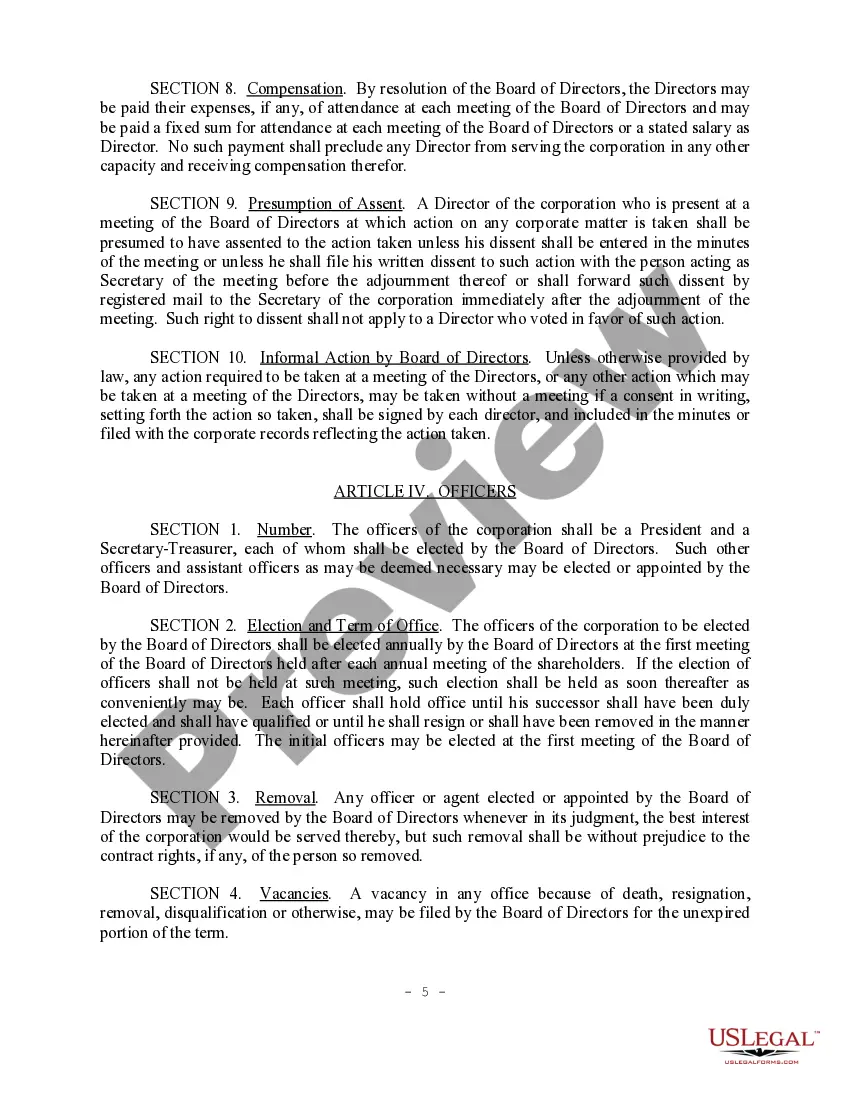
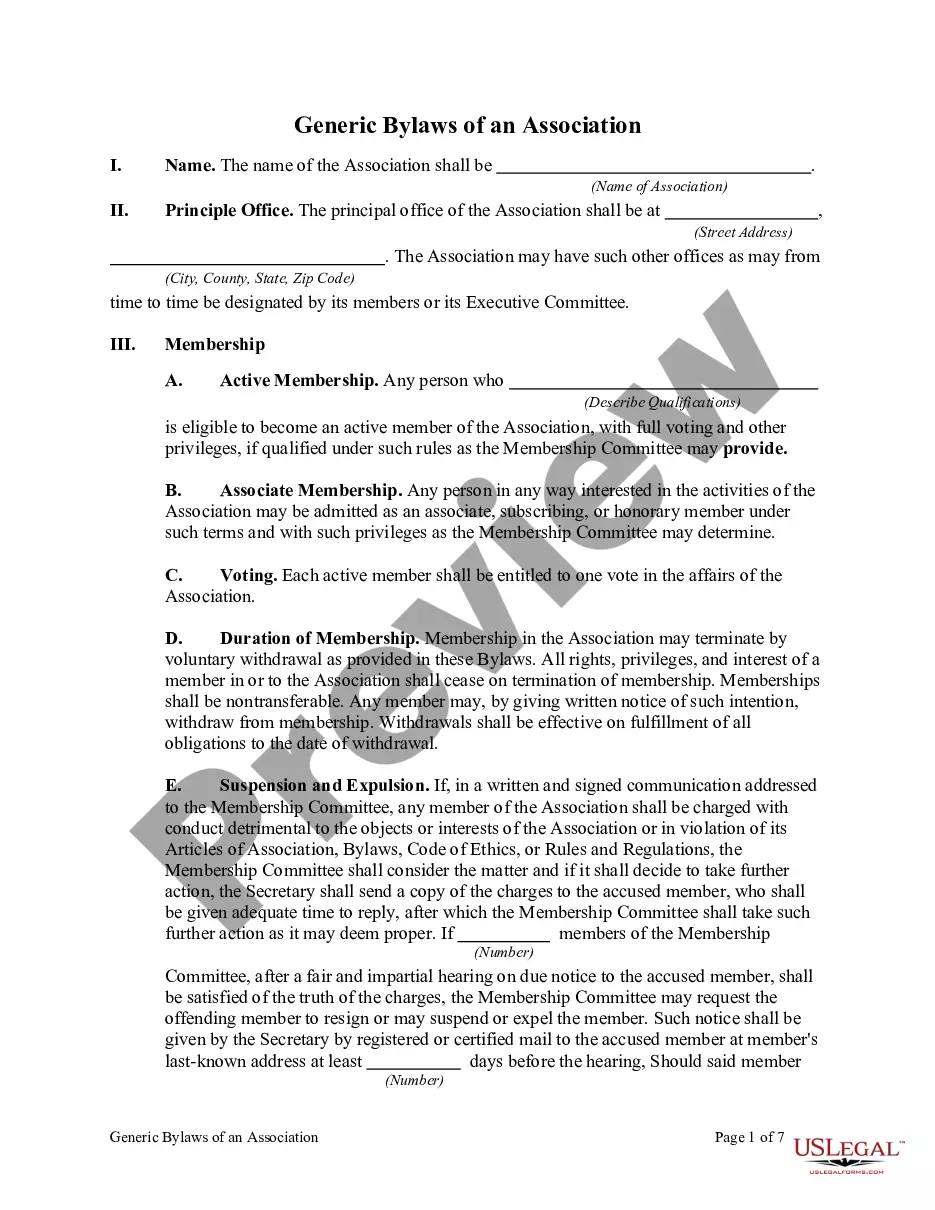
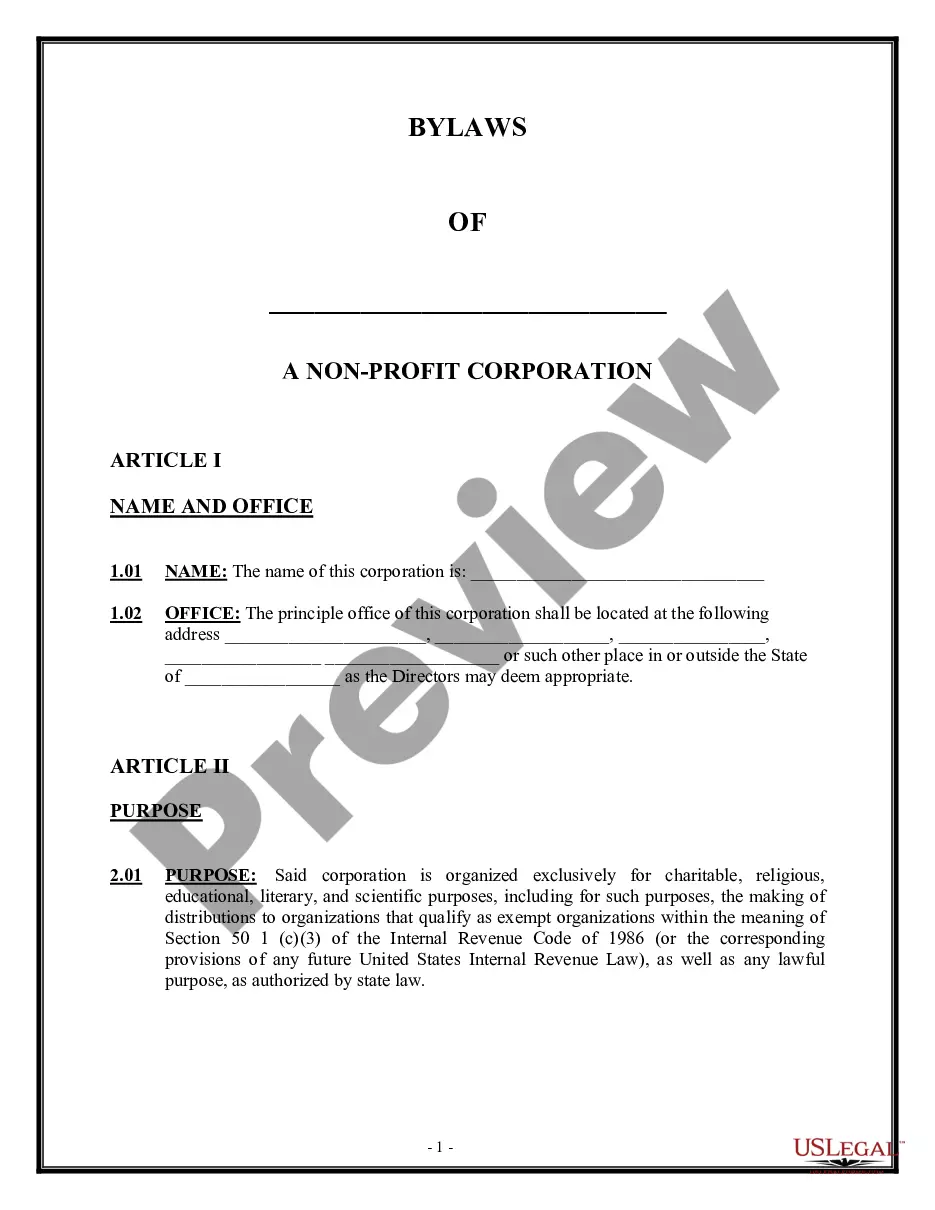
Here are some of the documents you can ask for as a homeowner: CC&Rs: The covenants, conditions and restrictions (CC&Rs) outline the rules and regulations of the community. Bylaws: The bylaws establish operational procedures for the HOA, like voting rights, elections, meetings, powers of the board, and more.
The Homeowners Association Dispute Process is administered by the Arizona Department of Real Estate, which has the statutory jurisdiction to hear issues between residents and homeowner or inium associations.
Covenants, conditions, and restrictions, or CC&Rs, are rules that homeowners within a subdivision must abide by. For instance, a typical CC&R document might say that any structures added to your home must conform to the existing structure in terms of height, material, and color.
Yes, homeowners can sue their HOA for discrimination if they believe they have been treated unfairly based on certain protected characteristics such as race, gender, age, disability, or religion.
