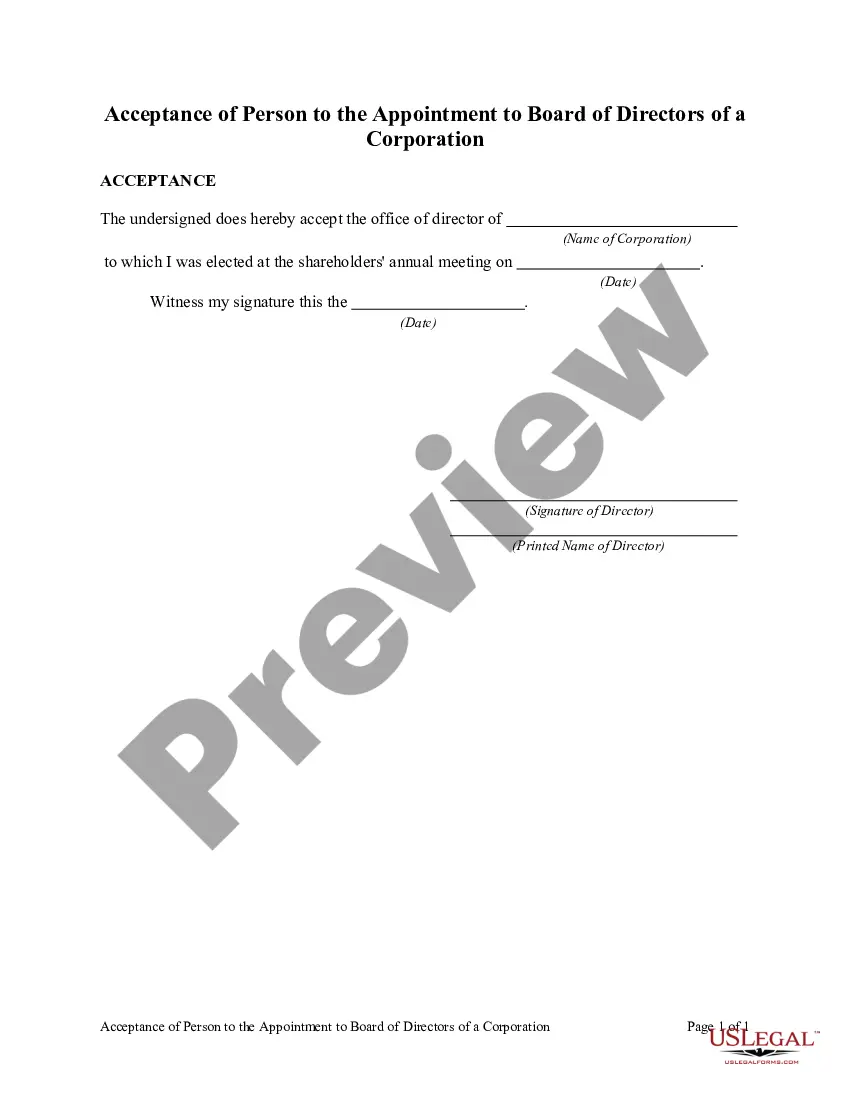
Hoa Bylaws Template For Nonprofit In Hennepin
Description











Get your form ready online
Our built-in tools help you complete, sign, share, and store your documents in one place.
Make edits, fill in missing information, and update formatting in US Legal Forms—just like you would in MS Word.
Download a copy, print it, send it by email, or mail it via USPS—whatever works best for your next step.
Sign and collect signatures with our SignNow integration. Send to multiple recipients, set reminders, and more. Go Premium to unlock E-Sign.
If this form requires notarization, complete it online through a secure video call—no need to meet a notary in person or wait for an appointment.
We protect your documents and personal data by following strict security and privacy standards.

Make edits, fill in missing information, and update formatting in US Legal Forms—just like you would in MS Word.

Download a copy, print it, send it by email, or mail it via USPS—whatever works best for your next step.

Sign and collect signatures with our SignNow integration. Send to multiple recipients, set reminders, and more. Go Premium to unlock E-Sign.

If this form requires notarization, complete it online through a secure video call—no need to meet a notary in person or wait for an appointment.

We protect your documents and personal data by following strict security and privacy standards.
Looking for another form?


Form popularity
FAQ
How to Write Nonprofit Bylaws in 7 Simple Steps Decide Whose Responsibility it is. Research Bylaw Requirements for Your Type of Nonprofit. Create a First Draft. Review Your Draft Internally. Manage the Scope of What's Included. Get a Professional Opinion. Review Review Review! ... Are nonprofit bylaws public record?
In some states, such as California, HOA bylaws are considered public record and must be made available upon request.
How to Write Nonprofit Bylaws in 7 Simple Steps Decide Whose Responsibility it is. Research Bylaw Requirements for Your Type of Nonprofit. Create a First Draft. Review Your Draft Internally. Manage the Scope of What's Included. Get a Professional Opinion. Review Review Review! ... Are nonprofit bylaws public record?
HOAs exempt under IRC Section 501(c)(3), (4), (8), (10) or (19) are also eligible for a sales tax exemption. A qualifying HOA must apply for exemption.
While HOAs and condo associations establish themselves as nonprofits, they are not tax-exempt organizations under 501(c)(3). The requirements for 501(c)(3) are very strict. To qualify, an organization must serve a broad public interest.
10 steps for writing bylaws for an association Research. Form a committee. Create the structure. Outline your organization's key roles and responsibilities. Establish your meeting rules. Define your membership. Address finances. Outline the amendment process.
No. Technically, your nonprofit's board of directors could adopt bylaws without signing them. But any lawyer worth her salt would recommend that you get signatures. Doing so shows that your nonprofit is in agreement.
The chartering process varies ing to different states and it's mostly written by the nonprofit's attorney. On the other hand, bylaws comprise the rules on which the nonprofit functions. Your board of directors can write your bylaws.
Here are some examples of provisions that nonprofit organizations should avoid including in their bylaws. Organizational Policies and Procedures. Specifically Targeted Policies that Adversely Affect Future Boards. Provisions that Violate State Laws. Inconsistencies with the Articles of Incorporation.
10 things to include in your HOA bylaws Name and purpose. The very first bylaws are the ones in which the association states its. Membership requirements. Board duties. Officer duties. Board member meetings. Member meetings. Committees. Non-compliance to bylaws.