Corporate Bylaws For Shareholders In Hennepin
Description

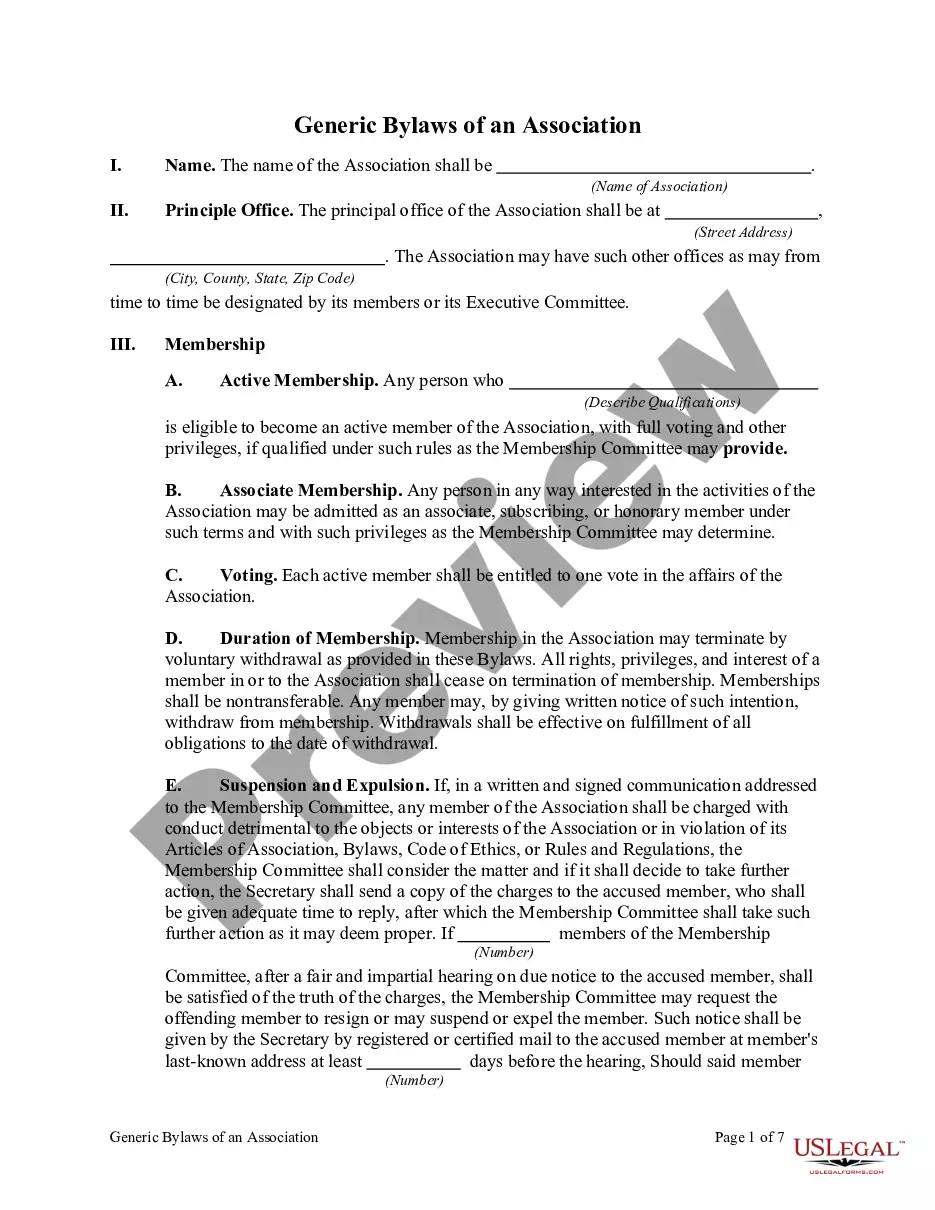
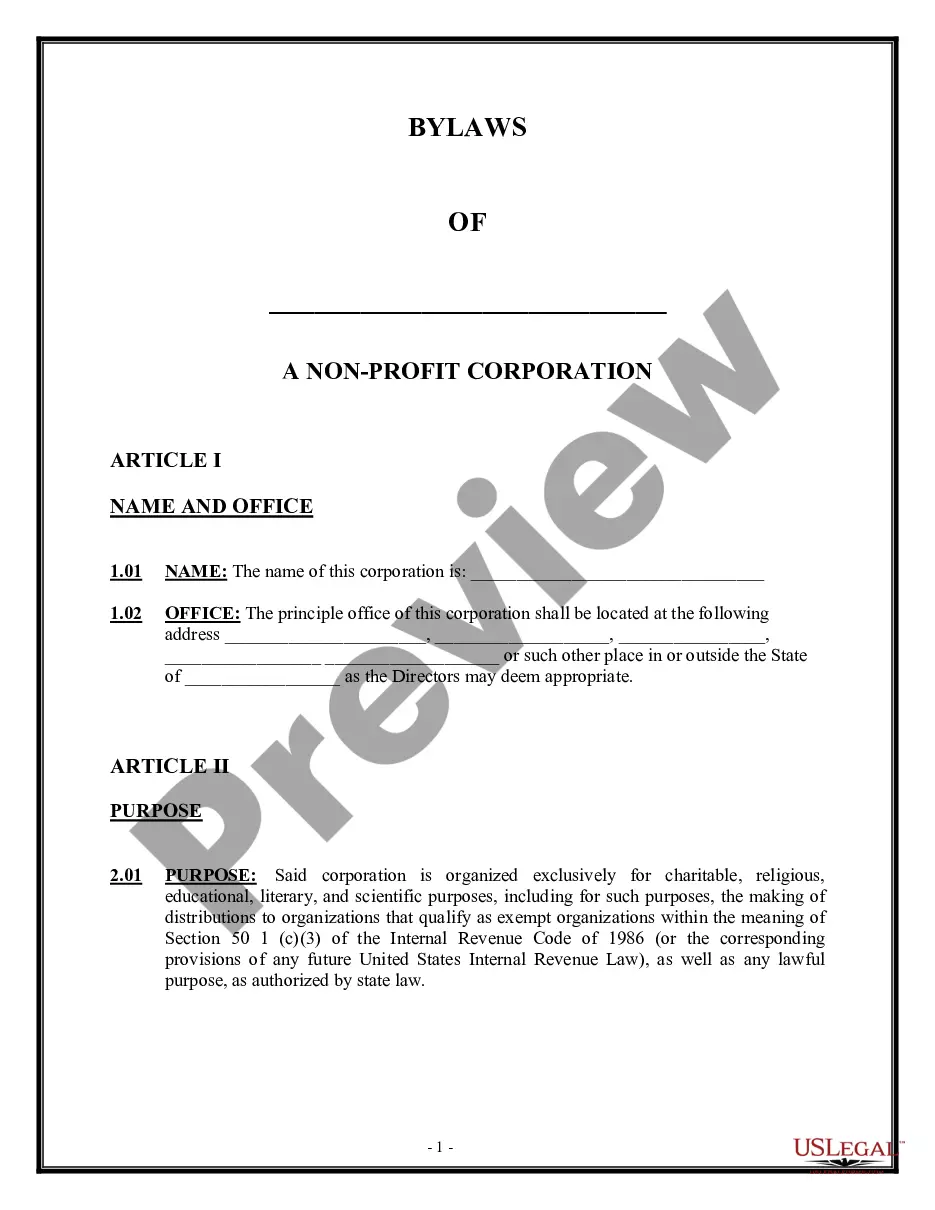
Get your form ready online
Our built-in tools help you complete, sign, share, and store your documents in one place.
Make edits, fill in missing information, and update formatting in US Legal Forms—just like you would in MS Word.
Download a copy, print it, send it by email, or mail it via USPS—whatever works best for your next step.
Sign and collect signatures with our SignNow integration. Send to multiple recipients, set reminders, and more. Go Premium to unlock E-Sign.
If this form requires notarization, complete it online through a secure video call—no need to meet a notary in person or wait for an appointment.
We protect your documents and personal data by following strict security and privacy standards.

Make edits, fill in missing information, and update formatting in US Legal Forms—just like you would in MS Word.

Download a copy, print it, send it by email, or mail it via USPS—whatever works best for your next step.

Sign and collect signatures with our SignNow integration. Send to multiple recipients, set reminders, and more. Go Premium to unlock E-Sign.

If this form requires notarization, complete it online through a secure video call—no need to meet a notary in person or wait for an appointment.

We protect your documents and personal data by following strict security and privacy standards.
Looking for another form?







Form popularity
FAQ
The formation process itself is straightforward and streamlined: Choose a company name and entity type. Select and contact a registered agent. Finally, file a Certificate of Incorporation. The Division of Corporations offers professional customer service and expedited services.
Delaware laws essentially require that a corporation have at a minimum a President and a Secretary. Other officer posts are optional (examples: one or more Vice Presidents, a Treasure or an Assistant Secretary or Treasurer).
The Delaware corporate code covers most of the topics normally addressed in the Bylaws. Therefore, if the Certificate of Incorporation sets forth the authorized number of directors there is no legal requirement that a corporation have bylaws.
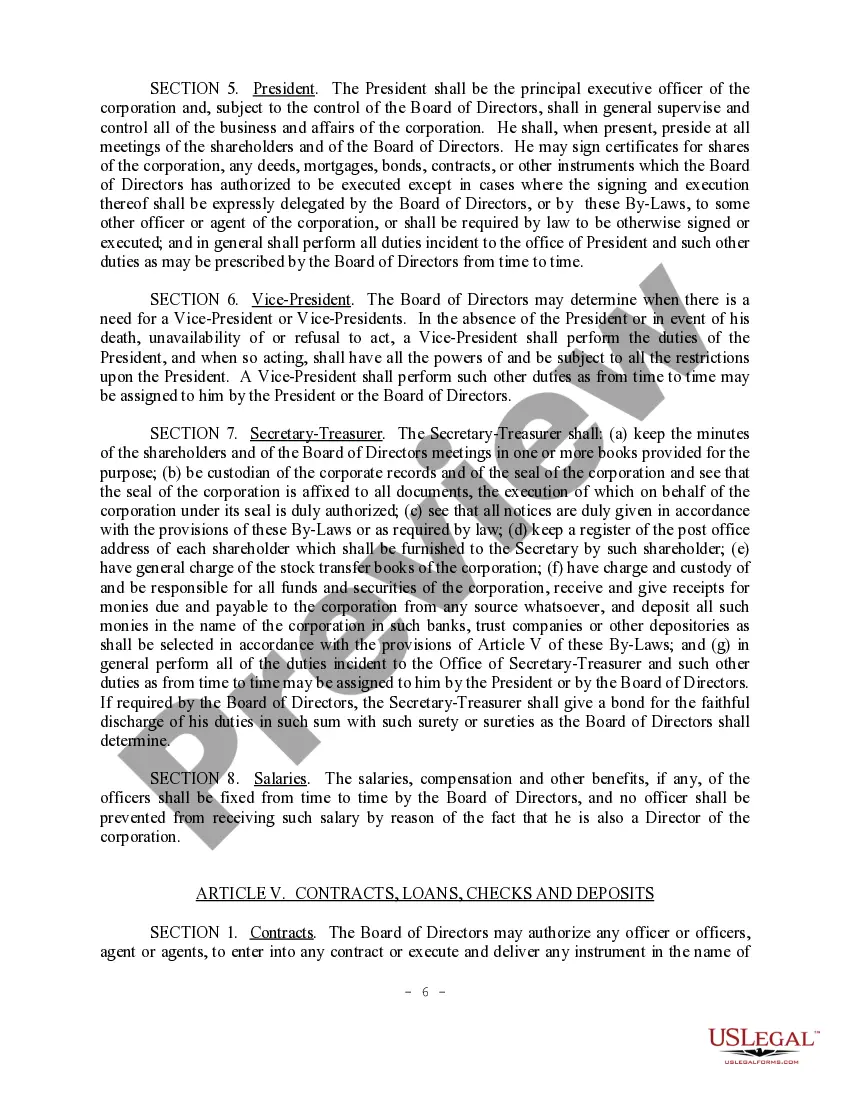
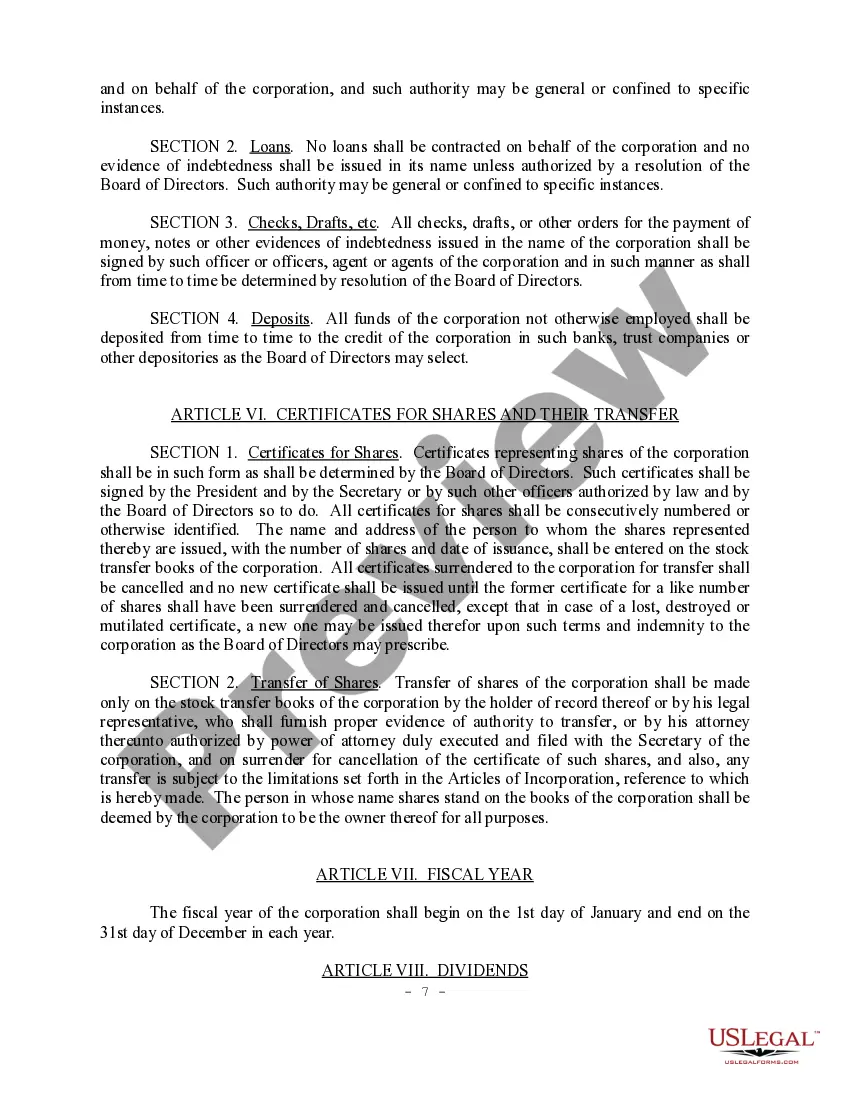
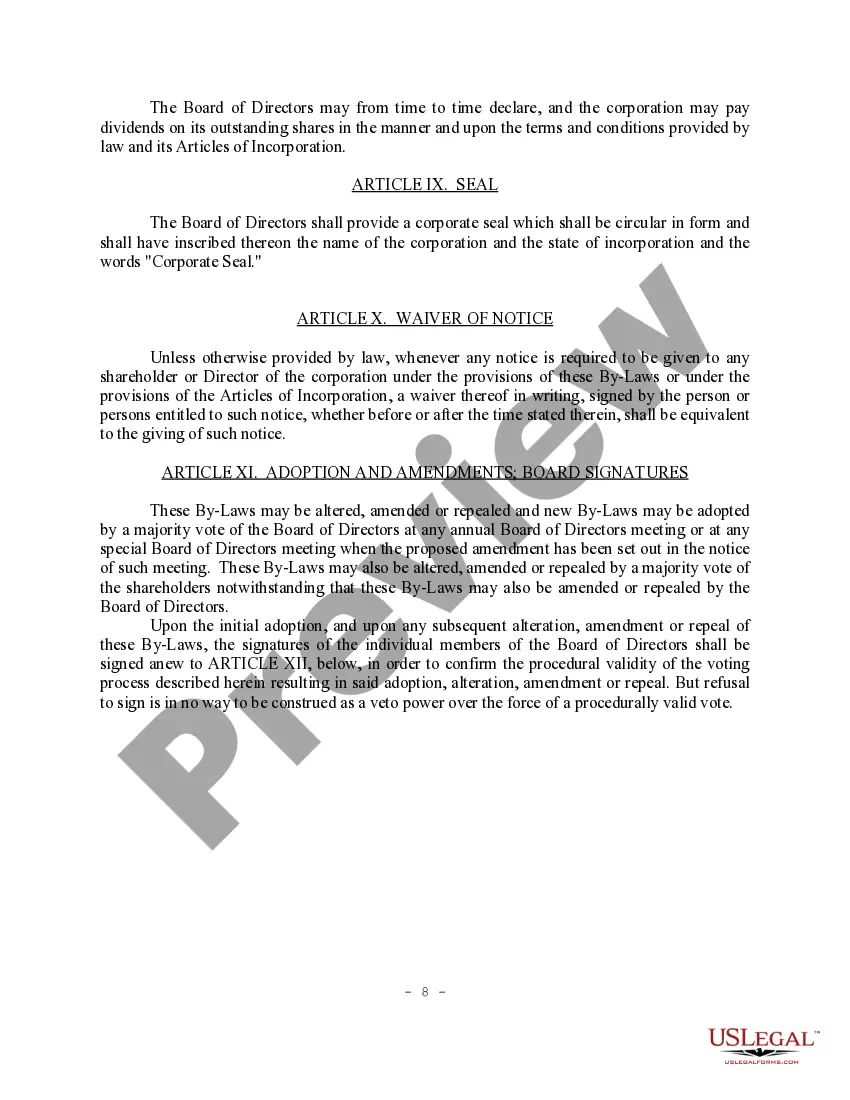
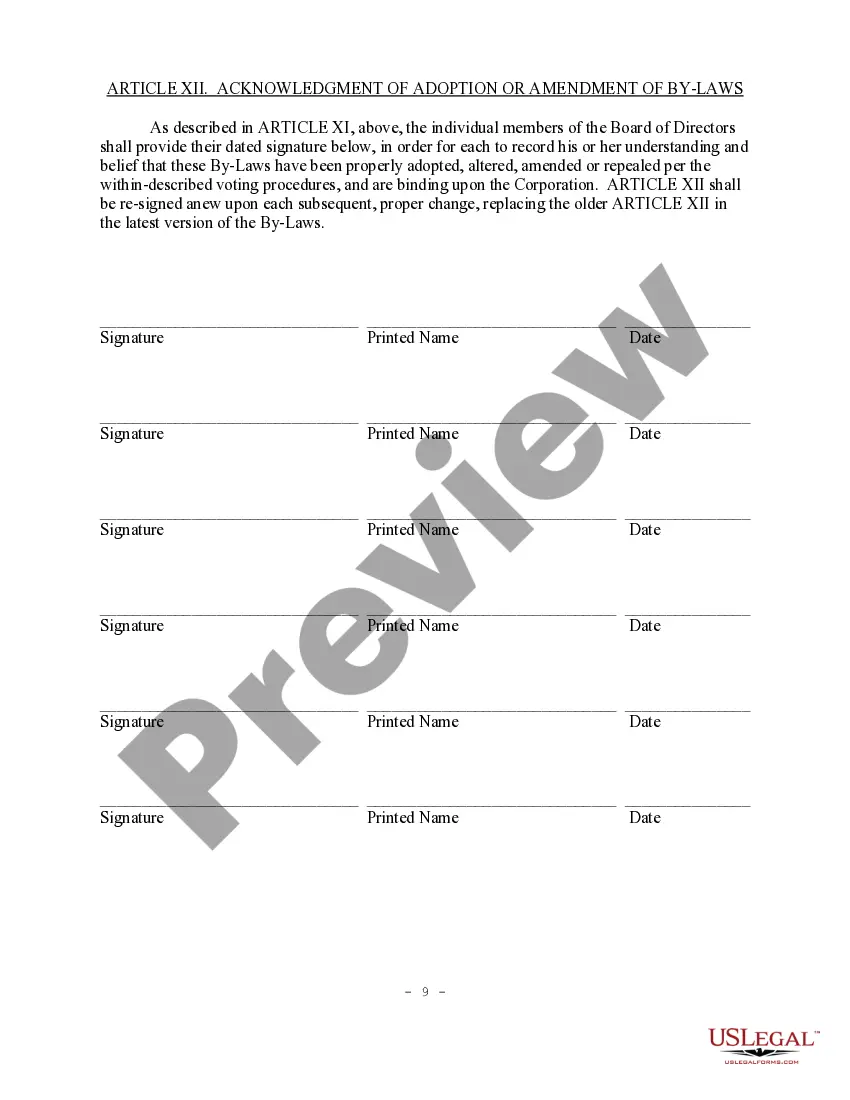
Corporate bylaws are a company's foundational governing document. They lay out how things should run day-to-day and the processes for making important decisions. They serve as a legal contract between the corporation and its shareholders, directors, and officers and set the protocol for how the organization operates.
Bylaws are not required, but they can help define the organization and its governance structure.
The Delaware corporate code covers most of the topics normally addressed in the Bylaws. Therefore, if the Certificate of Incorporation sets forth the authorized number of directors there is no legal requirement that a corporation have bylaws.
Illinois bylaws are documents that state the rules and organizational structure your corporation will follow. They establish your policies for appointing directors and officers, holding board and shareholder meetings, making amendments, handling emergency situations, and other important issues.
Any person executing a consent may provide, whether through instruction to an agent or otherwise, that such consent will be effective at a future time, including a time determined upon the happening of an event, occurring not later than 60 days after such instruction is given or such provision is made, if evidence of ...
Creating by-laws When incorporating under the Canada Not-for-profit Corporations Act (NFP Act), you have to create by-laws. They set out the rules for governing and operating the corporation. They can be modified at a later date as the needs of the corporation change.
