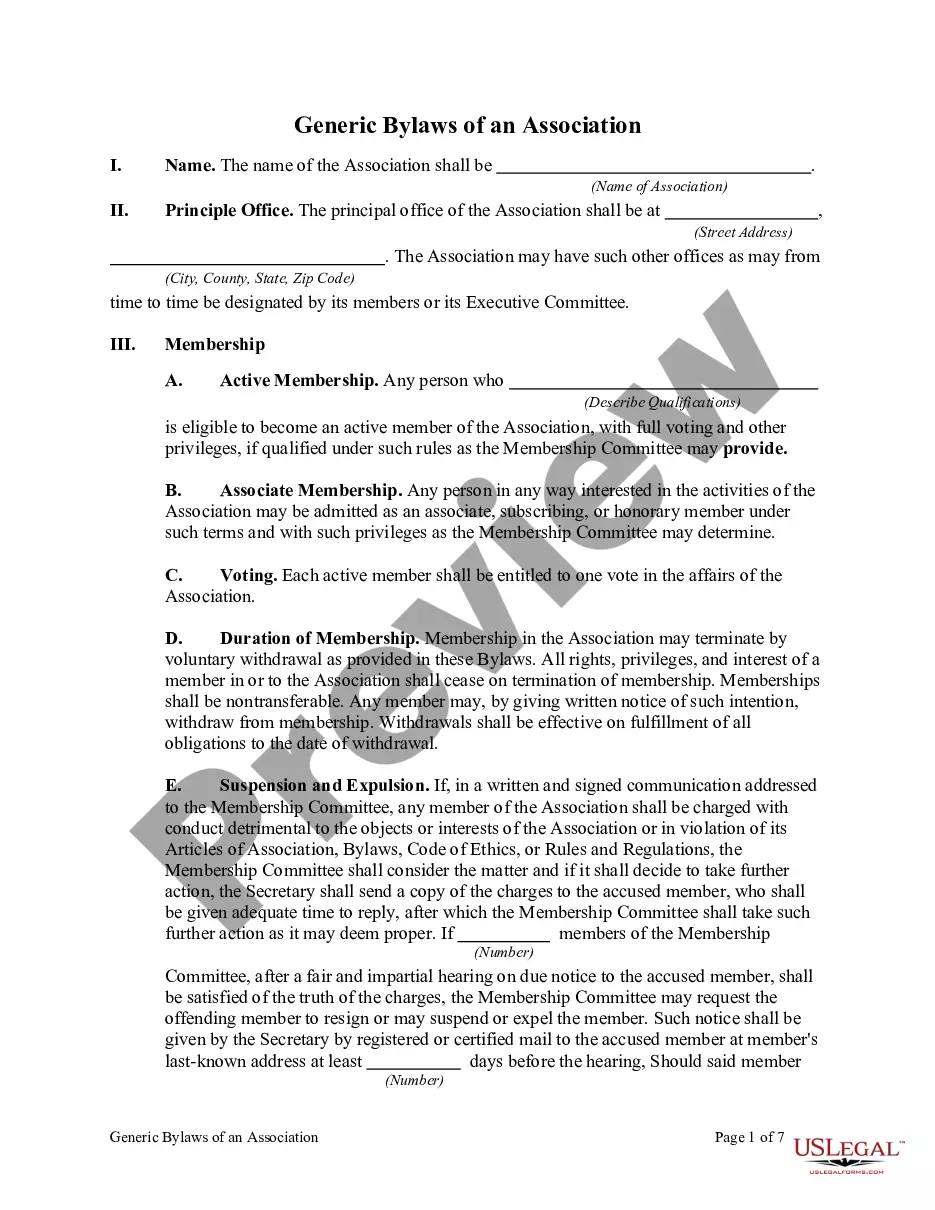
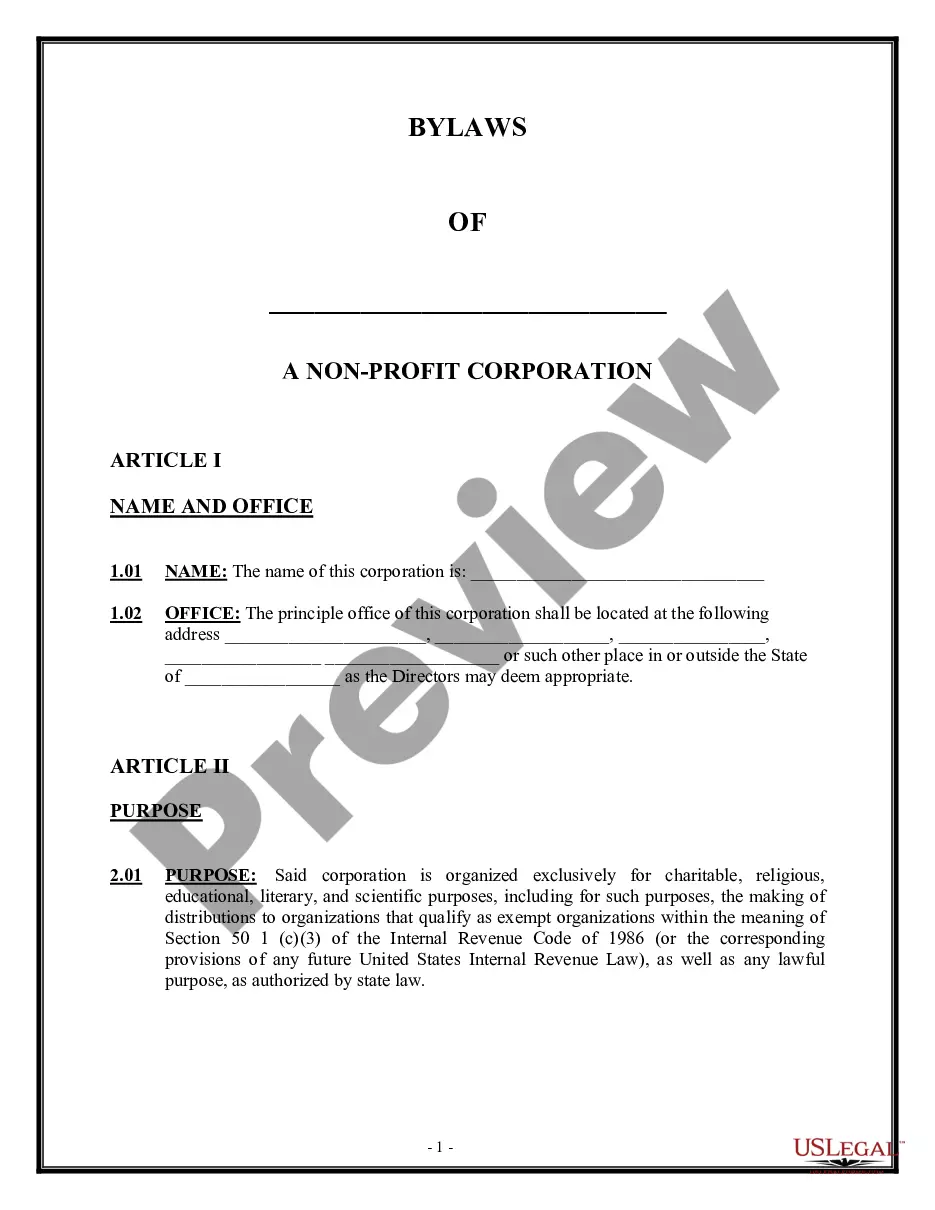
Nonprofit Bylaws Examples In Florida
Description

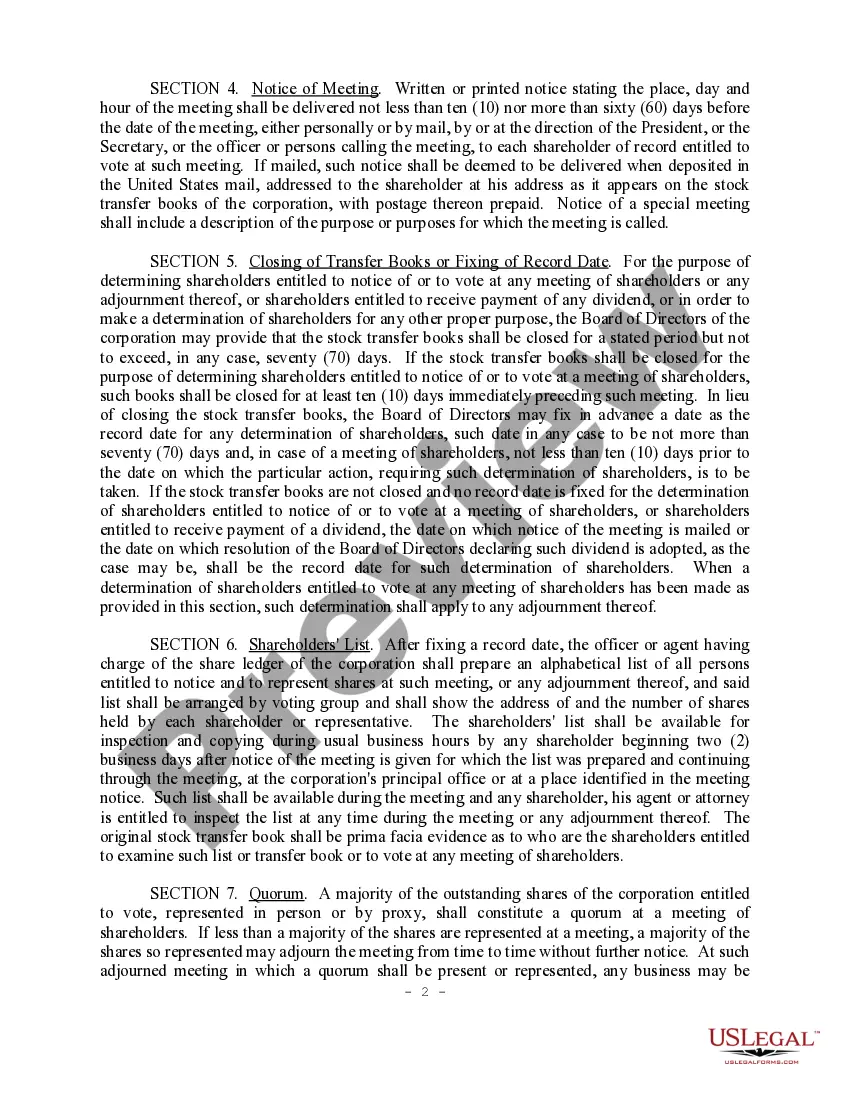
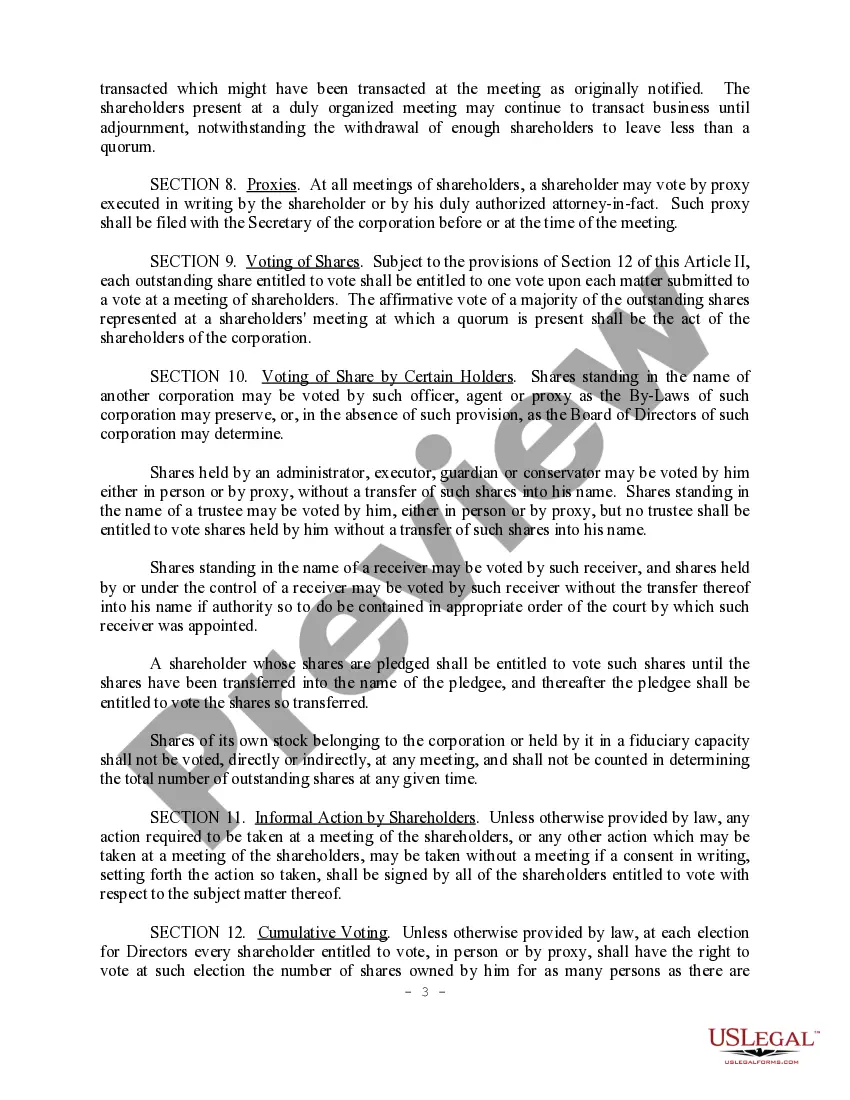
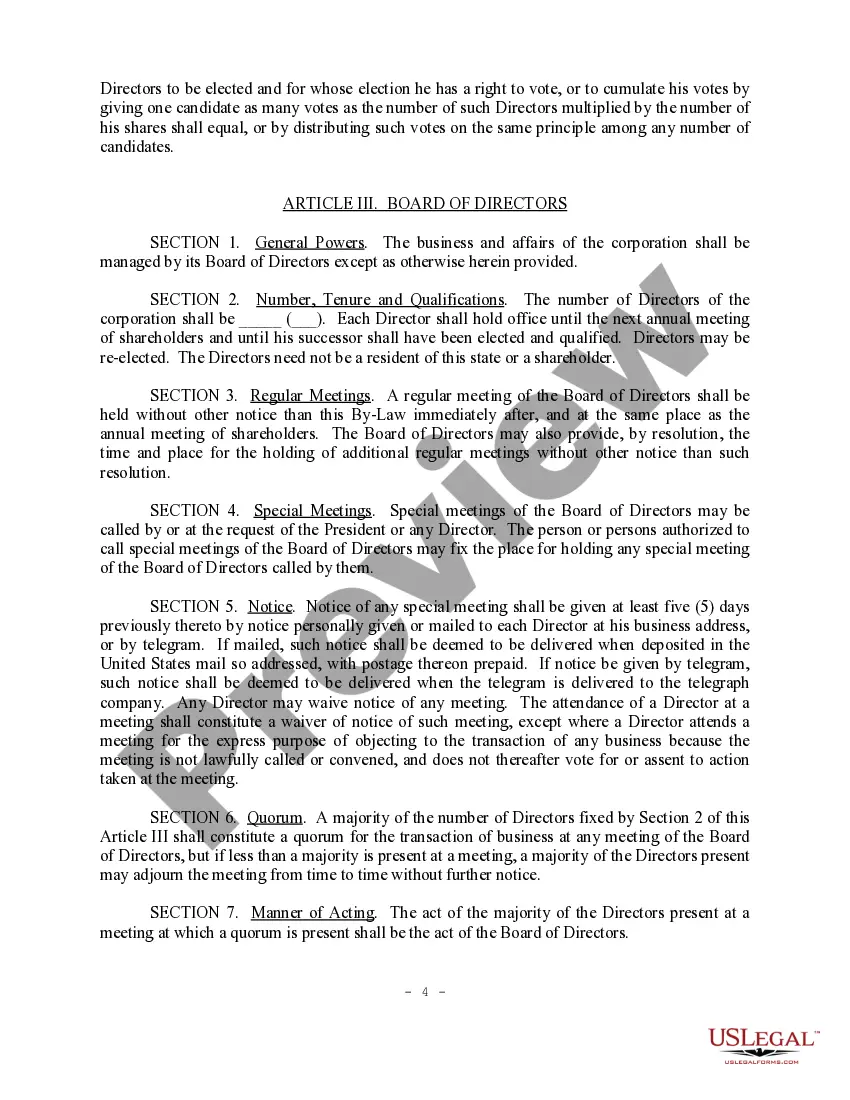
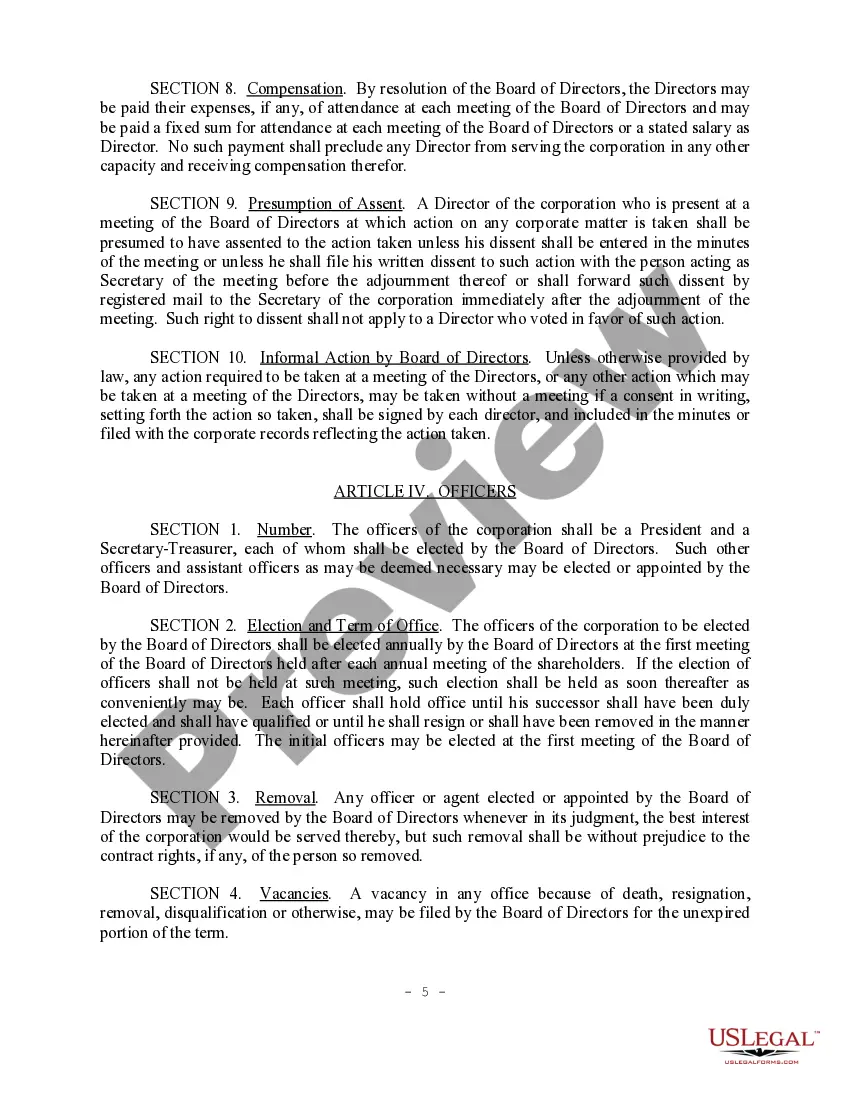
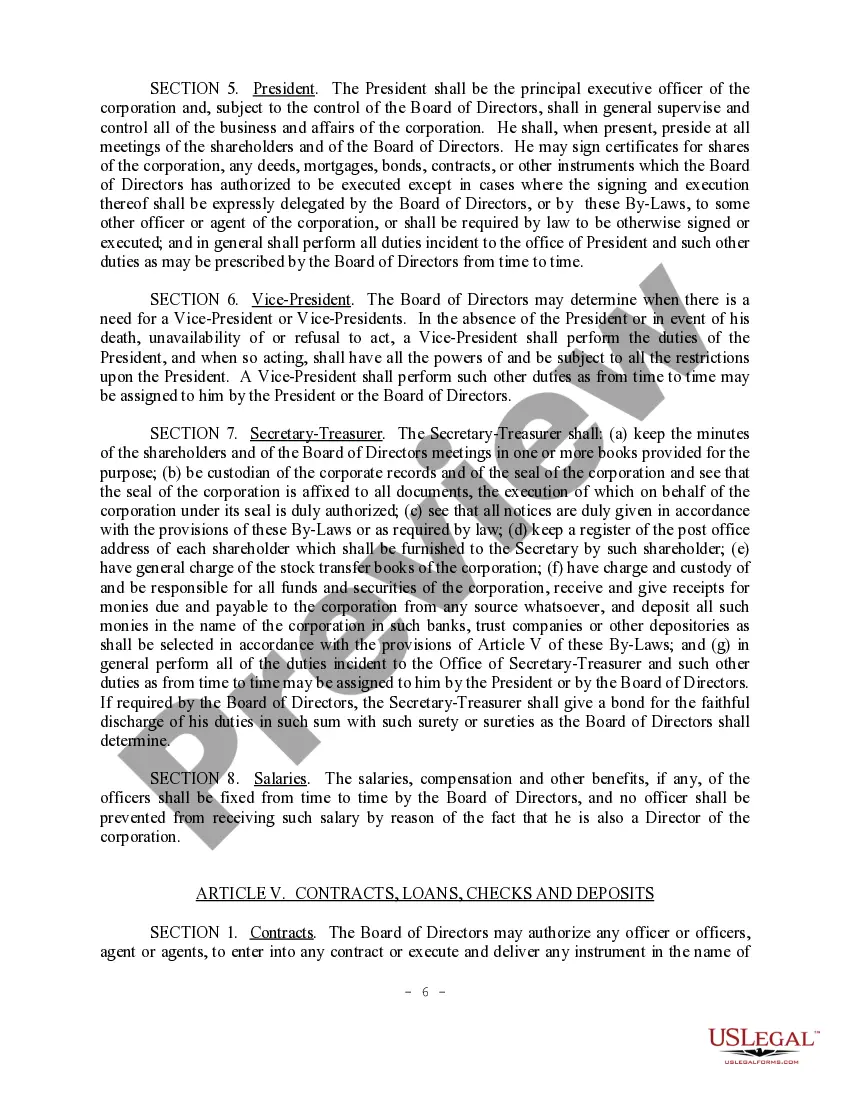
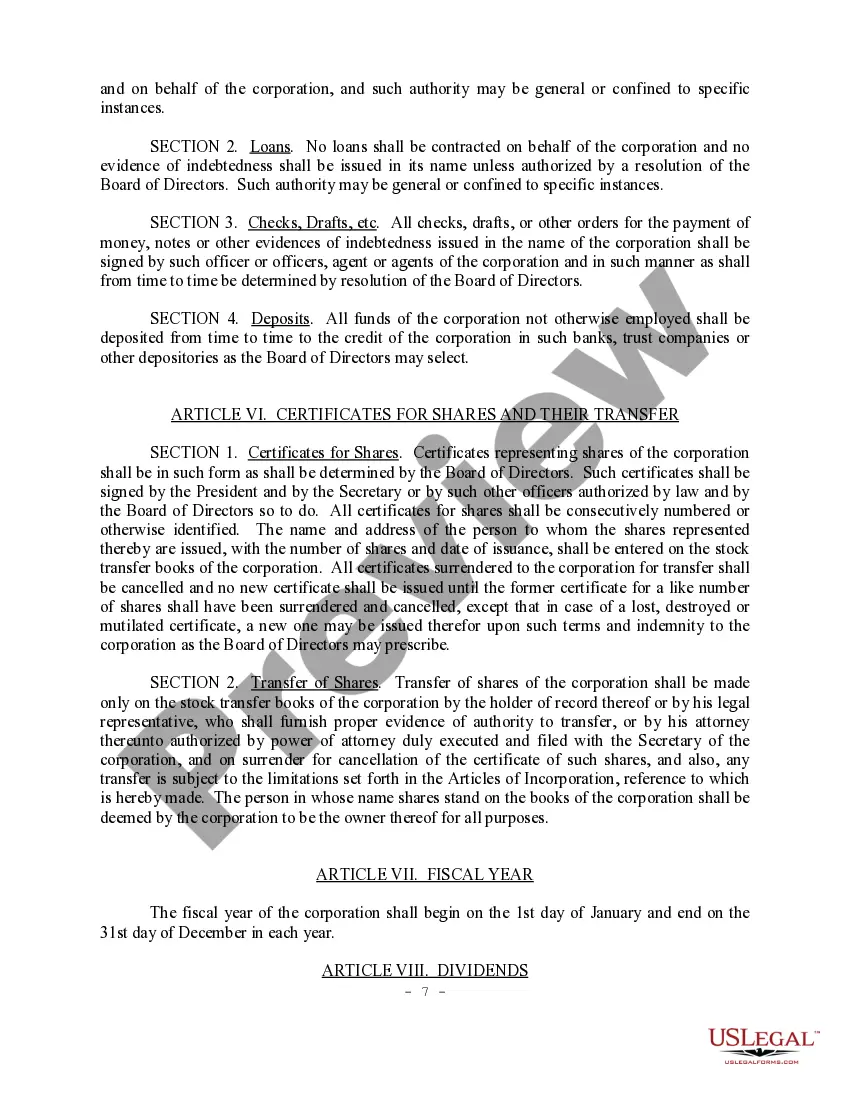
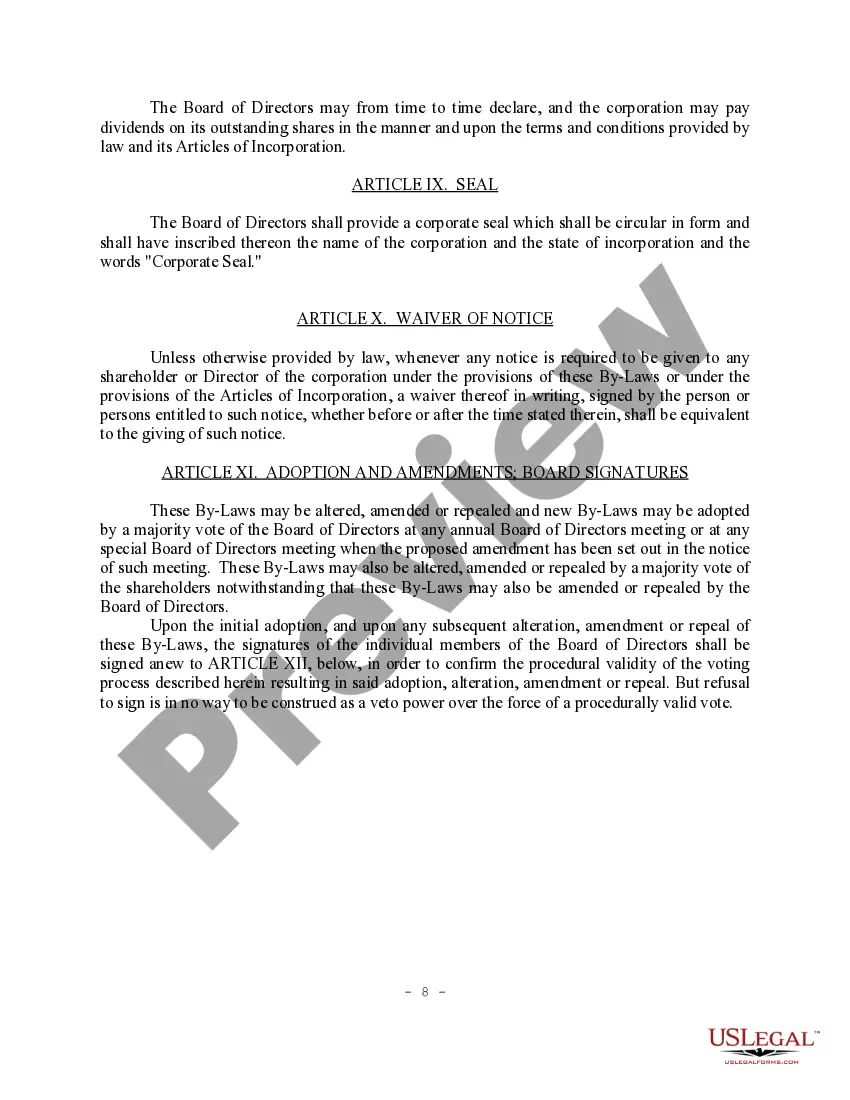
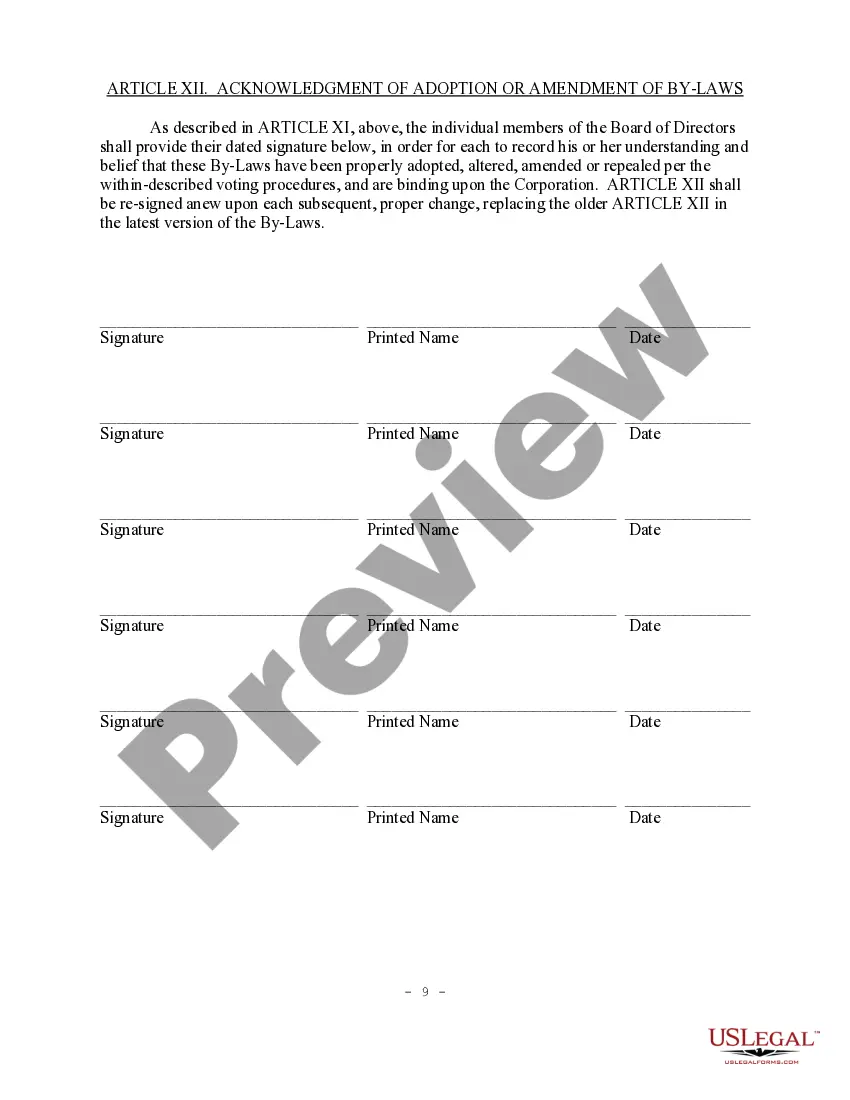
Get your form ready online
Our built-in tools help you complete, sign, share, and store your documents in one place.
Make edits, fill in missing information, and update formatting in US Legal Forms—just like you would in MS Word.
Download a copy, print it, send it by email, or mail it via USPS—whatever works best for your next step.
Sign and collect signatures with our SignNow integration. Send to multiple recipients, set reminders, and more. Go Premium to unlock E-Sign.
If this form requires notarization, complete it online through a secure video call—no need to meet a notary in person or wait for an appointment.
We protect your documents and personal data by following strict security and privacy standards.

Make edits, fill in missing information, and update formatting in US Legal Forms—just like you would in MS Word.

Download a copy, print it, send it by email, or mail it via USPS—whatever works best for your next step.

Sign and collect signatures with our SignNow integration. Send to multiple recipients, set reminders, and more. Go Premium to unlock E-Sign.

If this form requires notarization, complete it online through a secure video call—no need to meet a notary in person or wait for an appointment.

We protect your documents and personal data by following strict security and privacy standards.
Looking for another form?







Form popularity
FAQ
Traditionally, when starting a nonprofit, the best choice for legal structure is to form a nonprofit corporation at the state level and to apply for 501(c)(3) tax exemption at the federal level.
Although state laws differ, here are some general steps to dissolving your nonprofit organization. Board approval and plan of dissolution. Approval from the state Attorney General. Dissolving the business entity. Notify the IRS. Asset distribution. Additional steps and considerations.
A Florida nonprofit needs a board of directors to oversee operations. The State of Florida requires nonprofits to have at least three directors on the board.
New Florida/Foreign Corporation Fees ServicePrice Filing Fees $35.00 Registered Agent Designation $35.00 Certified Copy (optional) $8.75 Certificate of Status (optional) $8.751 more row
Yes, Florida Sunshine laws apply to certain aspects of nonprofit organizations, particularly when it comes to transparency in meetings and record-keeping. Nonprofits must adhere to open meeting requirements, and certain records must be made available to the public.
The first 'modern' nonprofit is considered to be The Peabody Education Fund, founded in 1867 with the purpose of integrating poor white and formerly enslaved people in the south.
The Revenue Code of 1954 established the 501c structure that we still use today to define the different types of charities. The 501c3 is perhaps the most common, but there are also many other types depending on the organization's purpose.
How to Write a Nonprofit Annual Report Gather Information. First, gather the salient details of your nonprofit. Define the Report's Structure and Content. Once all your data is available, draft the report's structure. Craft a Compelling Narrative. Turn your data into a story. Incorporate Visuals and Data. Review and Edit.
The use of “nonprofit” or “non-profit” depends on both the style guide being followed and regional preferences. Both forms are correct, but their usage can vary.
Common Sections to Include in Your Nonprofit Bylaws Name of Organization. Start with your nonprofit's name and purpose. Membership. Outline the details around membership in your nonprofit. Meeting Guidelines. Officers. Indemnification of Board Members. Books and Records. Amendments. Dissolution.
