Hoa Bylaws Template With Calculator In Florida
Description

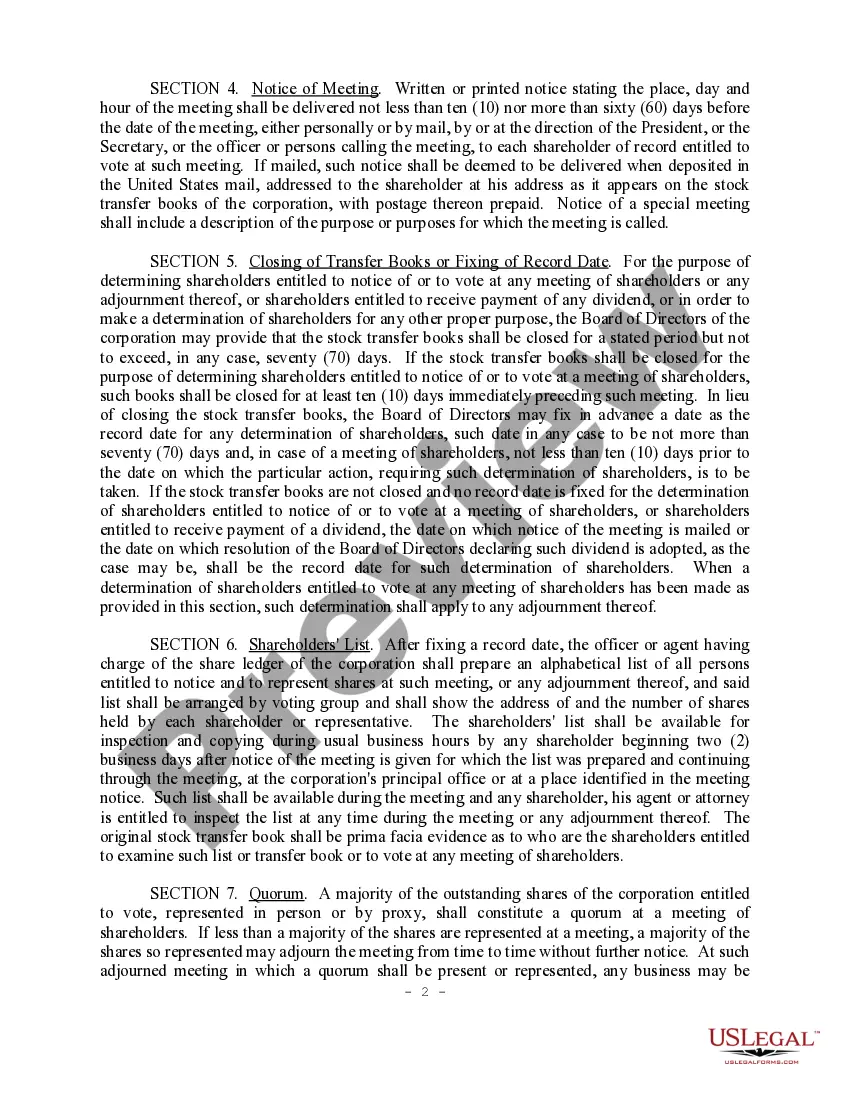
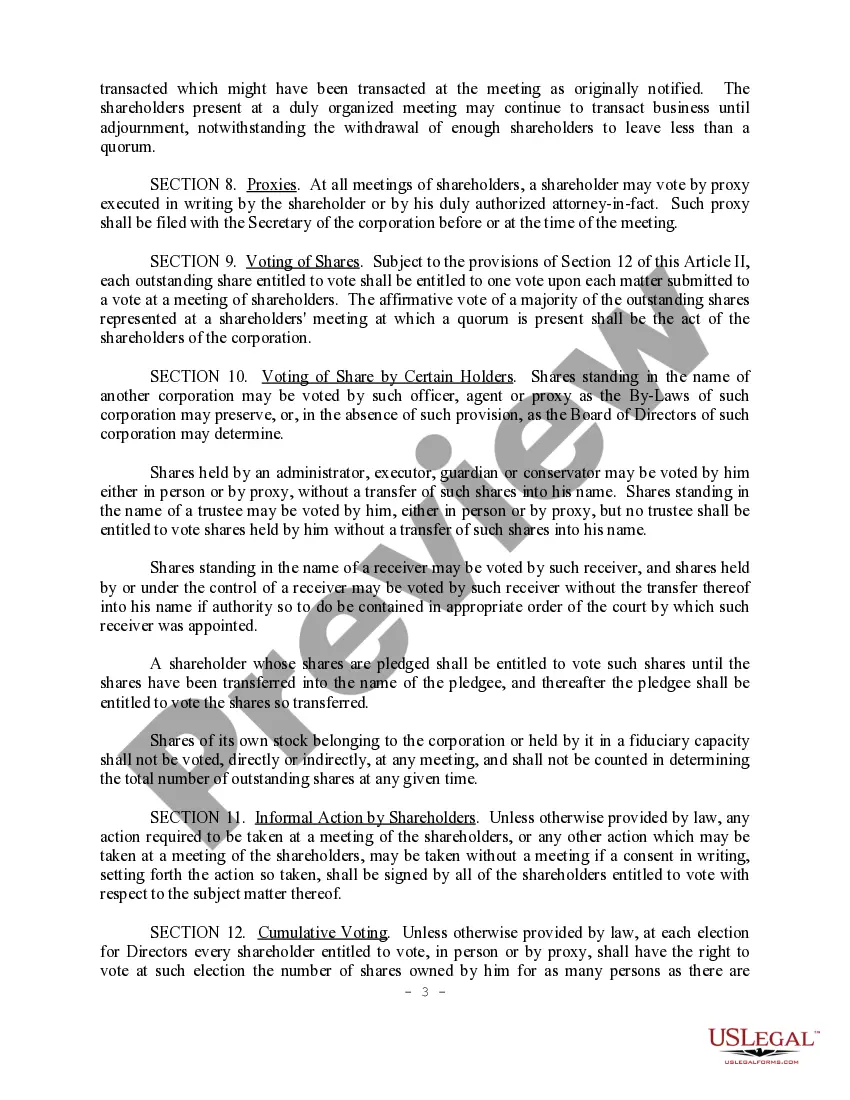
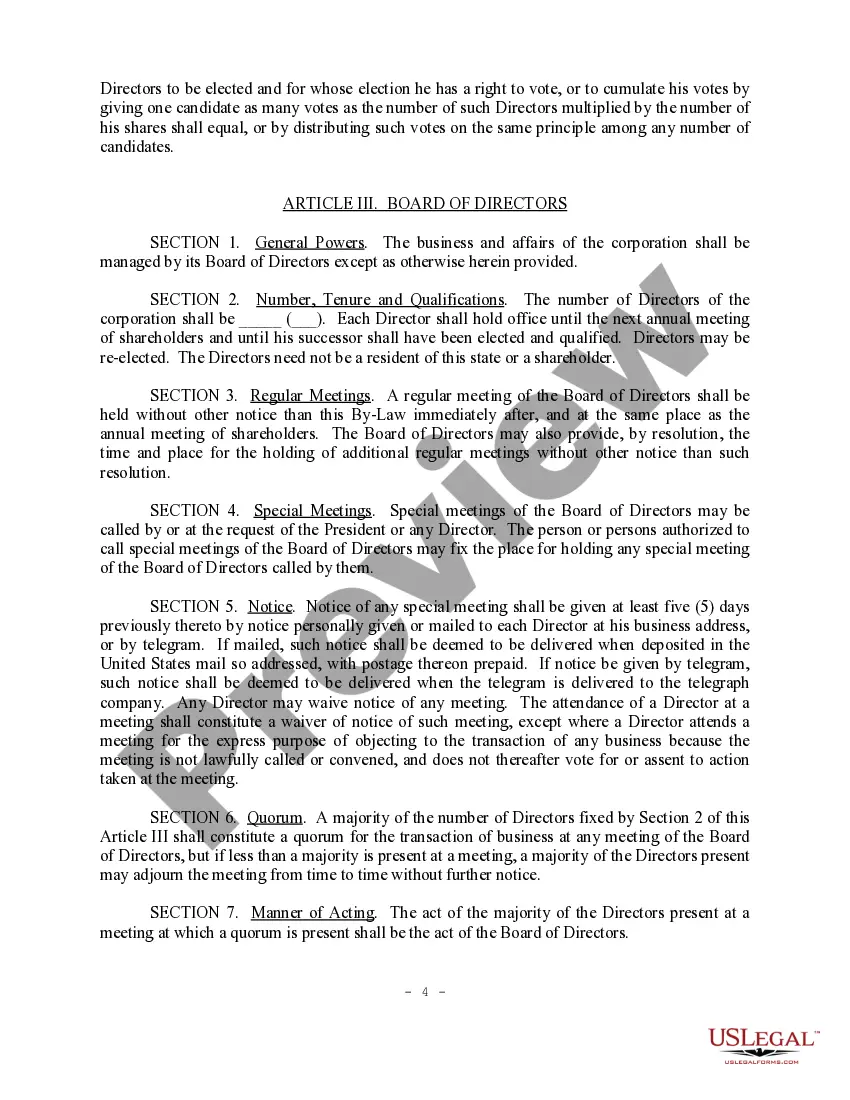
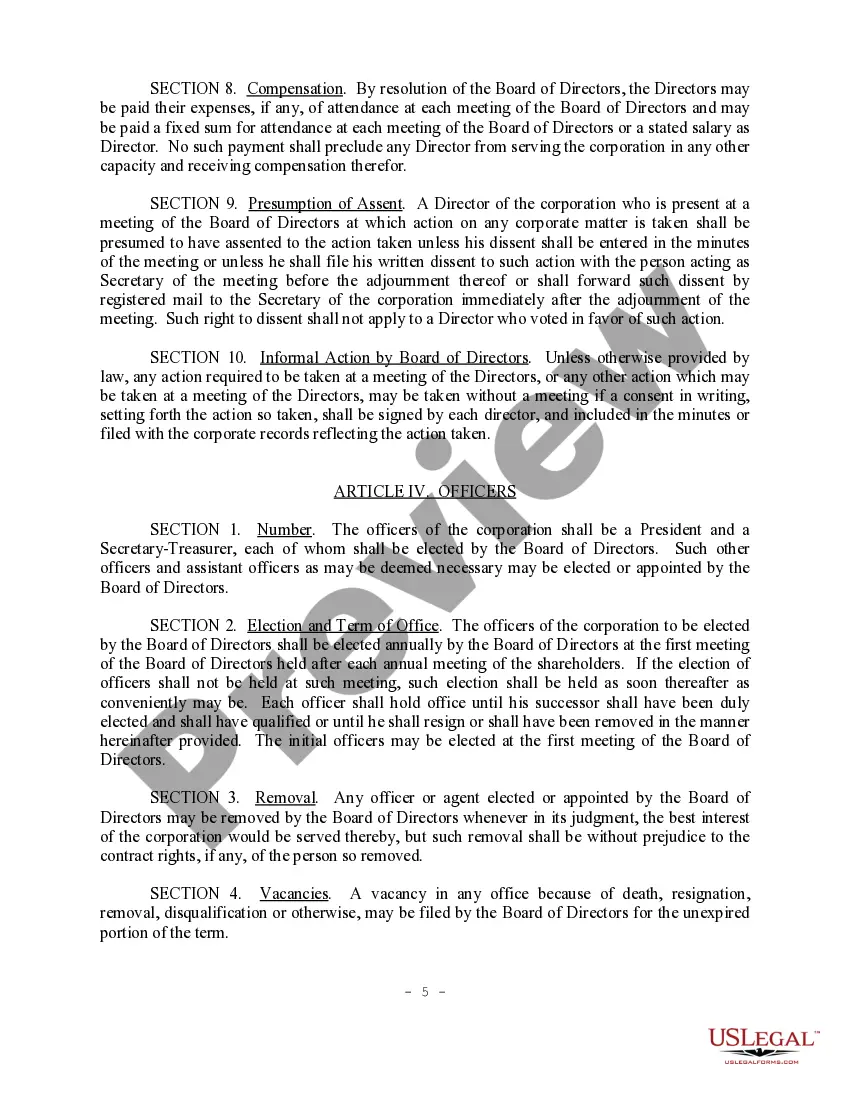


Get your form ready online
Our built-in tools help you complete, sign, share, and store your documents in one place.
Make edits, fill in missing information, and update formatting in US Legal Forms—just like you would in MS Word.
Download a copy, print it, send it by email, or mail it via USPS—whatever works best for your next step.
Sign and collect signatures with our SignNow integration. Send to multiple recipients, set reminders, and more. Go Premium to unlock E-Sign.
If this form requires notarization, complete it online through a secure video call—no need to meet a notary in person or wait for an appointment.
We protect your documents and personal data by following strict security and privacy standards.

Make edits, fill in missing information, and update formatting in US Legal Forms—just like you would in MS Word.

Download a copy, print it, send it by email, or mail it via USPS—whatever works best for your next step.

Sign and collect signatures with our SignNow integration. Send to multiple recipients, set reminders, and more. Go Premium to unlock E-Sign.

If this form requires notarization, complete it online through a secure video call—no need to meet a notary in person or wait for an appointment.

We protect your documents and personal data by following strict security and privacy standards.
Looking for another form?









Form popularity
FAQ
Section 4900 of the Act says that all HOA board meetings must be open to all association members, with a few exceptions for private sessions. In California, executive sessions are closed-door talks that only board members, and certain other people can attend.
You can contact your local government office for assistance. For example, you can visit the California Attorney General's HOA Consumer Information page for more details. Online Databases: There are online databases and resources that compile HOA documents. These can be helpful if your HOA participates in such programs.
In some states, such as California, HOA bylaws are considered public record and must be made available upon request.
Chapter 720 of the Florida Statutes governs homeowners' associations (HOAs) in Florida. Unlike iniums or cooperatives, homeowners' associations typically govern single-family homes in a specific development or community.
Generally speaking, most HOAs can control anything that is visible from outside the house. So that includes anything that goes on outside, up to the siding, roofing, etc on the house itself. It wouldn't be too far of a stretch to assume they would have requirements for backyard items.
Most HOA documents are public record, including governing documents. Some states only require the HOA to make certain documents public, while others can be kept confidential. These confidential records can include things like board meeting minutes, financial records, and insurance claims.
Copies of the Articles of Incorporation and bylaws of the homeowners association can be obtained from the Florida Department of State, Division of Corporations. Copies of the governing documents may also be obtained directly from the homeowners association.
—If scientific, technical, or other specialized knowledge will assist the trier of fact in understanding the evidence or in determining a fact in issue, a witness qualified as an expert by knowledge, skill, experience, training, or education may testify about it in the form of an opinion; however, the opinion is ...
What does it mean to HOA's? The simplified explanation is that the recorded covenants governing a community must be preserved before the end of a 30 year period beginning on the date they were recorded.
