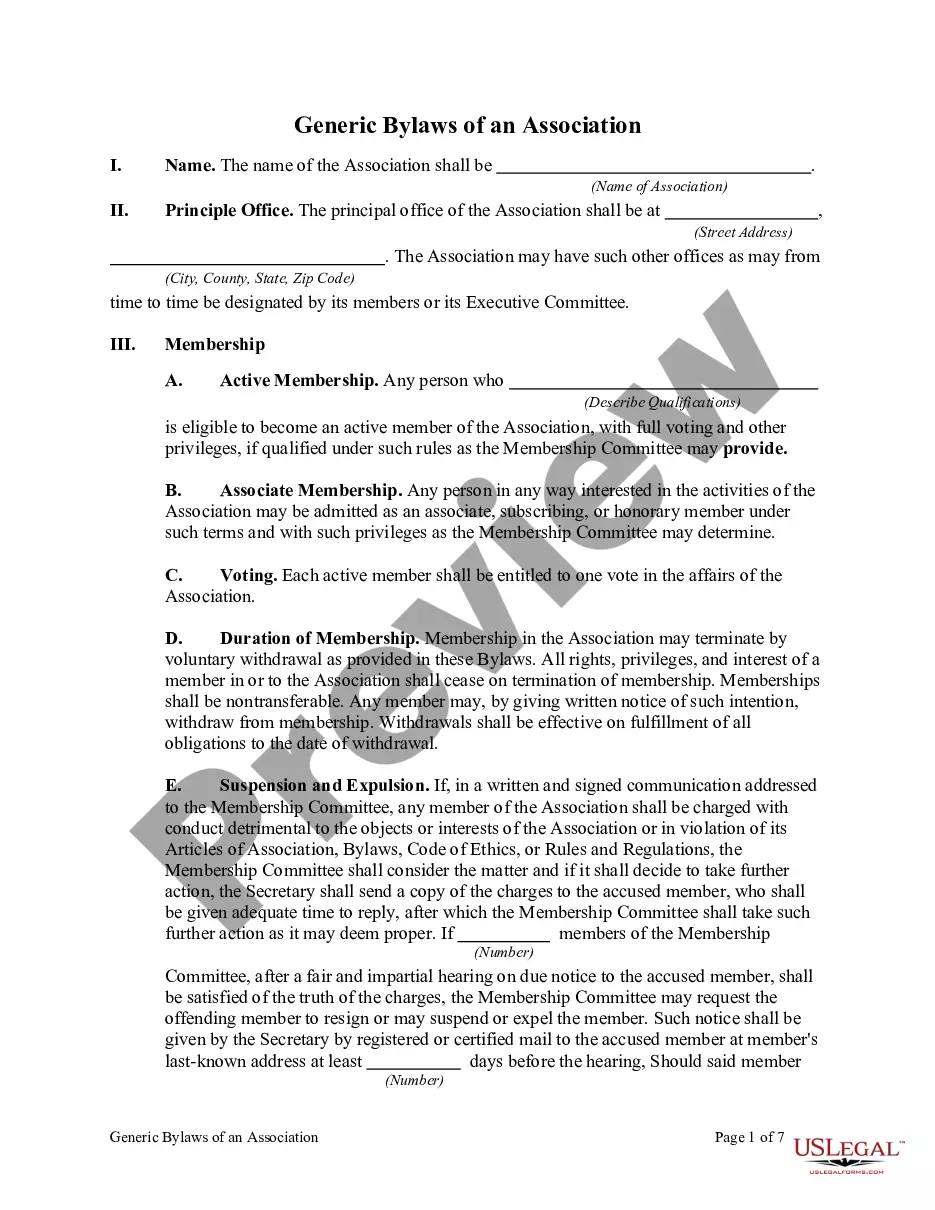
Hoa Bylaws Template With Board Members In Florida
Description


Get your form ready online
Our built-in tools help you complete, sign, share, and store your documents in one place.
Make edits, fill in missing information, and update formatting in US Legal Forms—just like you would in MS Word.
Download a copy, print it, send it by email, or mail it via USPS—whatever works best for your next step.
Sign and collect signatures with our SignNow integration. Send to multiple recipients, set reminders, and more. Go Premium to unlock E-Sign.
If this form requires notarization, complete it online through a secure video call—no need to meet a notary in person or wait for an appointment.
We protect your documents and personal data by following strict security and privacy standards.

Make edits, fill in missing information, and update formatting in US Legal Forms—just like you would in MS Word.

Download a copy, print it, send it by email, or mail it via USPS—whatever works best for your next step.

Sign and collect signatures with our SignNow integration. Send to multiple recipients, set reminders, and more. Go Premium to unlock E-Sign.

If this form requires notarization, complete it online through a secure video call—no need to meet a notary in person or wait for an appointment.

We protect your documents and personal data by following strict security and privacy standards.
Looking for another form?





Form popularity
FAQ
Florida House Bill 1203 introduces substantial reforms aimed at increasing transparency and accountability within HOAs. This bill mandates the online posting of governing documents, including covenants, restrictions, and financial records, ensuring that you, as a homeowner, have easy access to critical information.
HOA Information and Documents Florida Recorded Document Search - Visit the county recorder's office where the property is located to find an association's Declaration of Covenants, Conditions, and Restrictions (CC&Rs), Amendments to CC&Rs, Bylaws, Lien Notices, HOA Notices, Plats, Maps, and other community documents.
In Florida, the statute of limitations for breach of contract (such as violating your HOA covenants) is five years. The time period within which the HOA could enforce the covenant has expired, at least as it pertains to those patios that were built more than five years ago.
You might be shocked to learn that, yes, just like a bank, a homeowners association (HOA) can foreclose on a home. This type of action affects thousands of Florida homeowners, sometimes over minor amounts of overdue memberships dues and late fees every year.
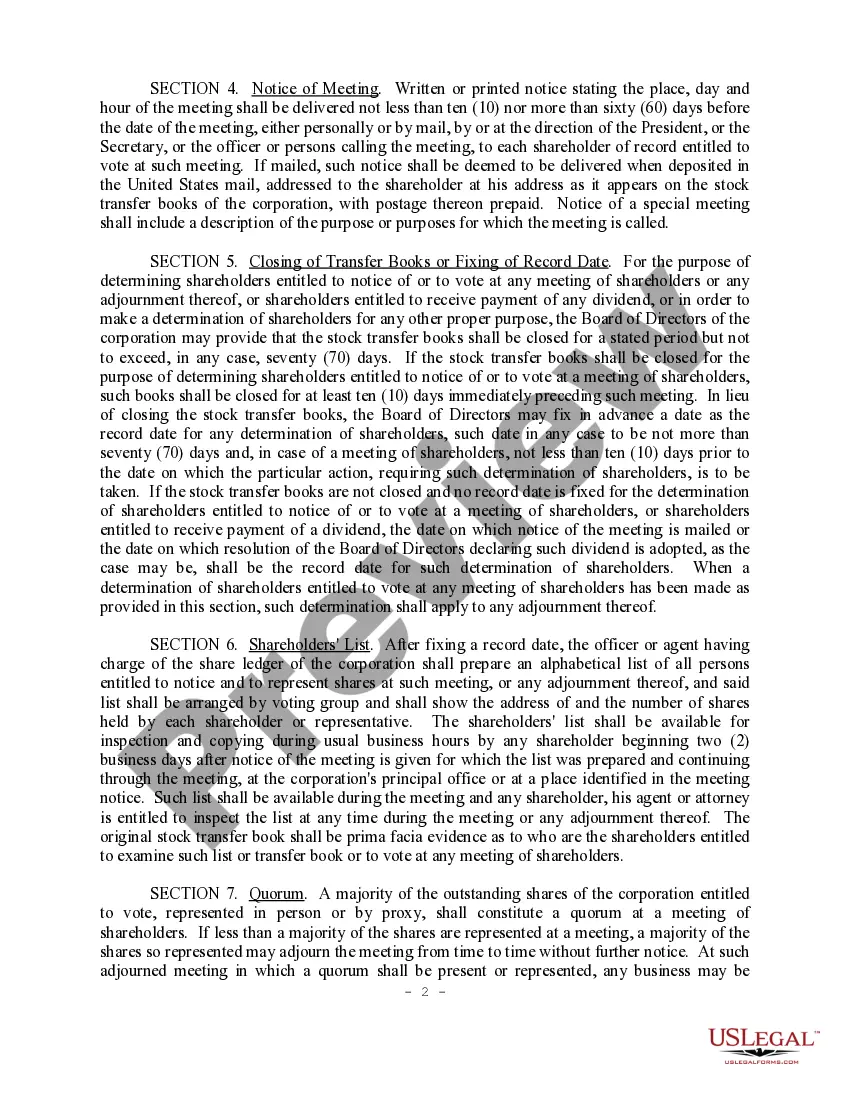
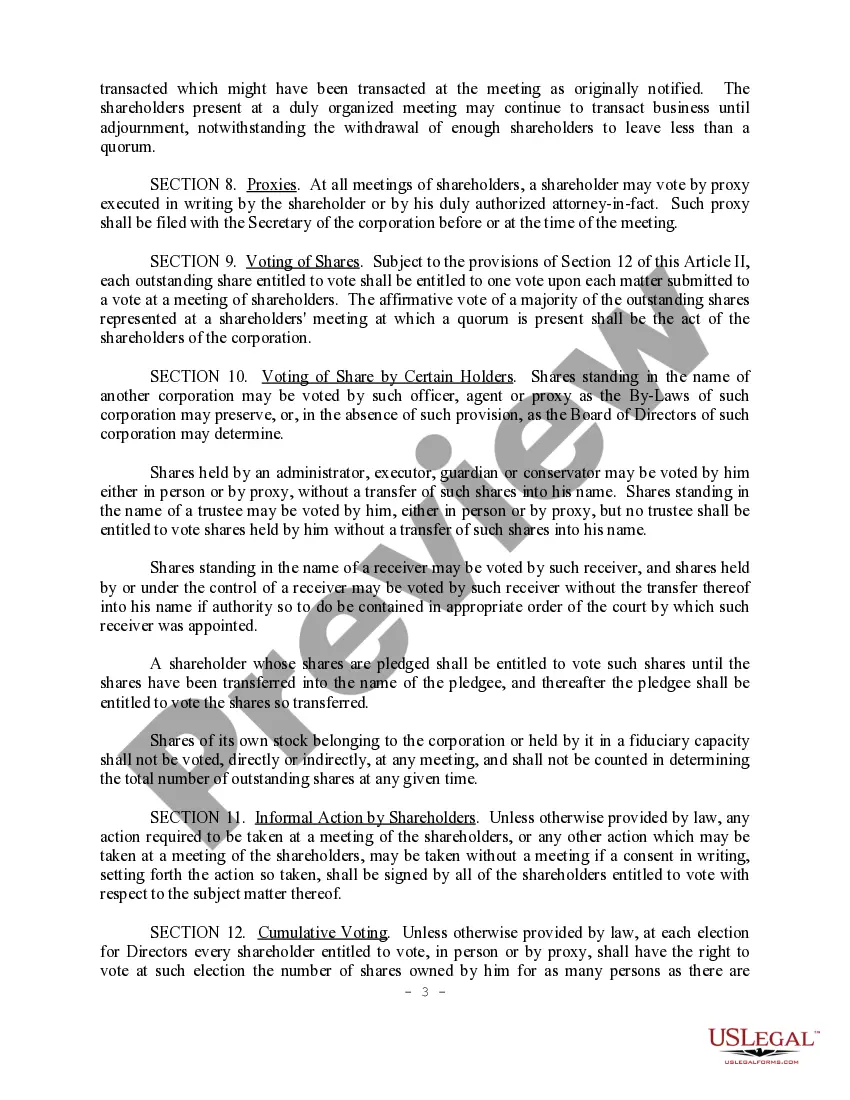
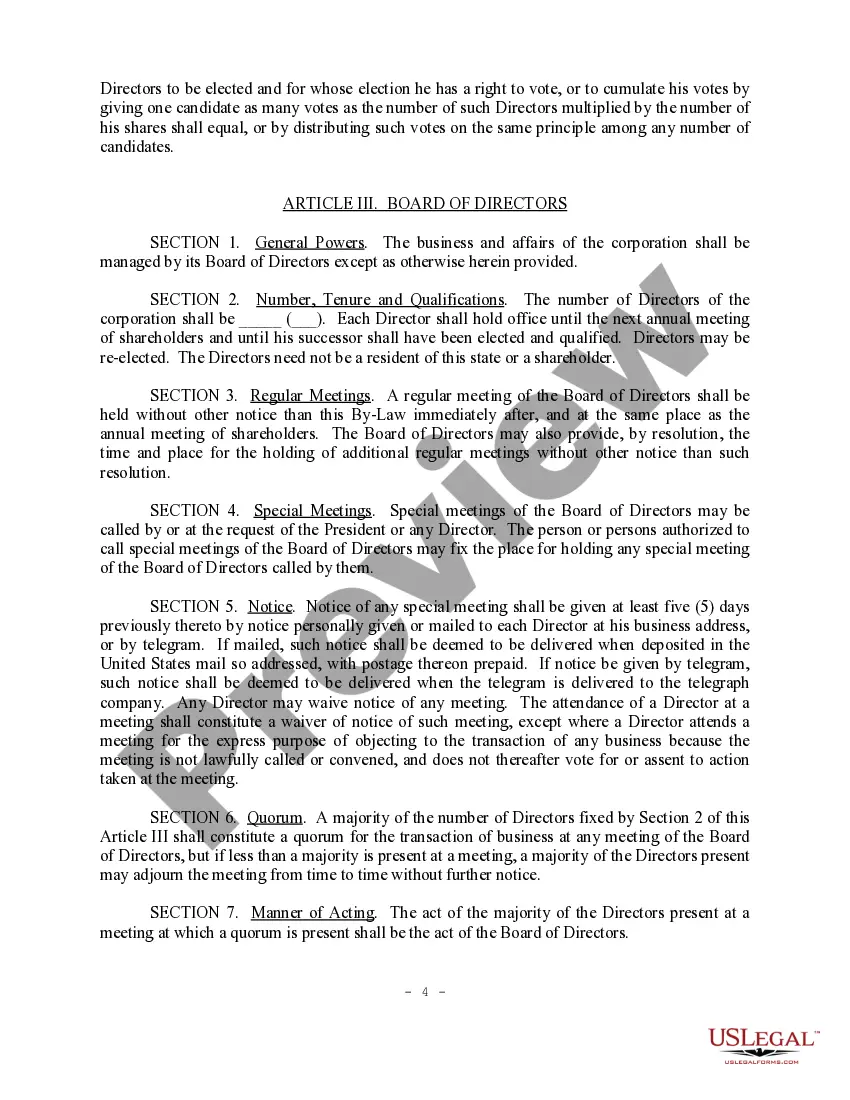
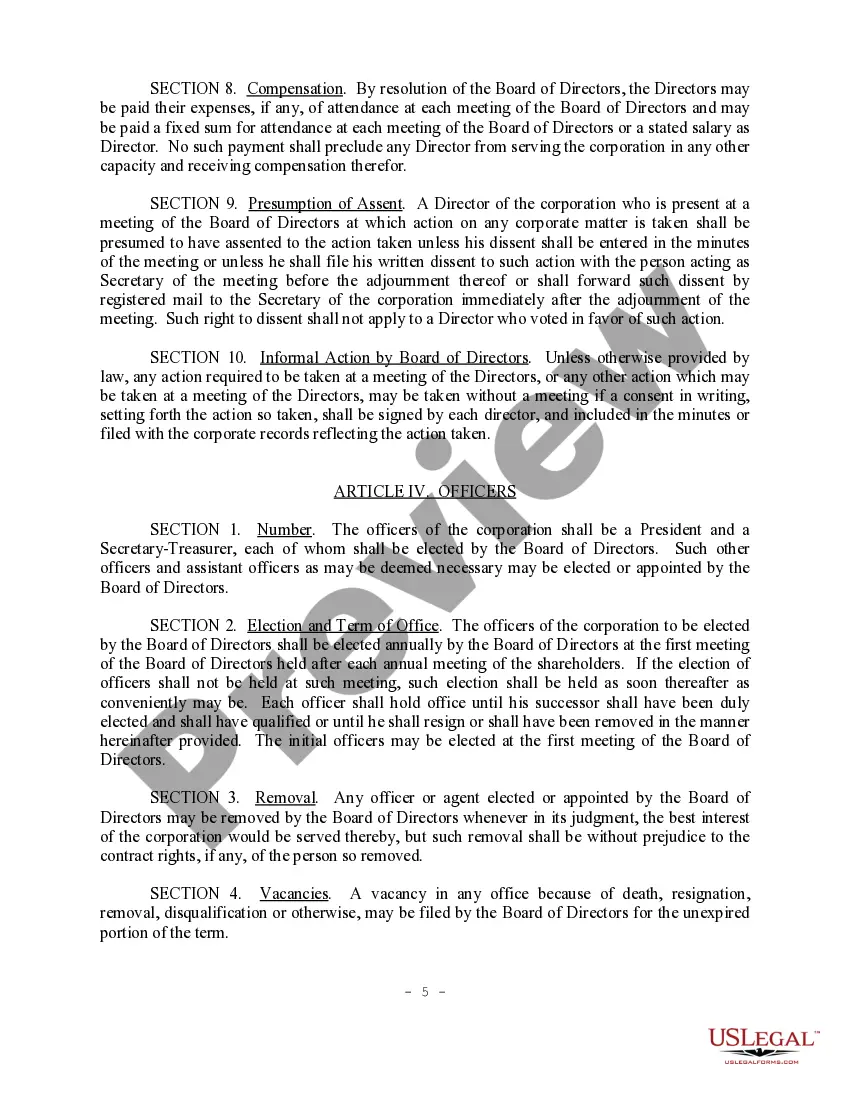
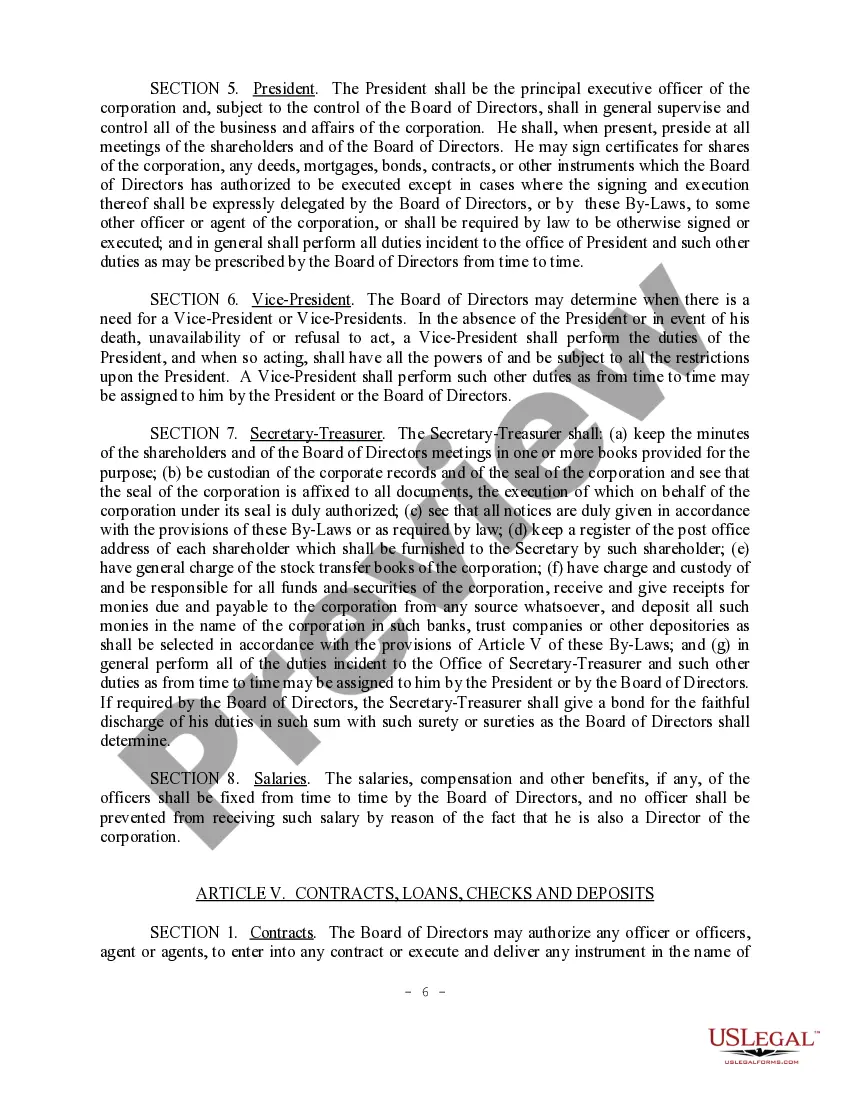
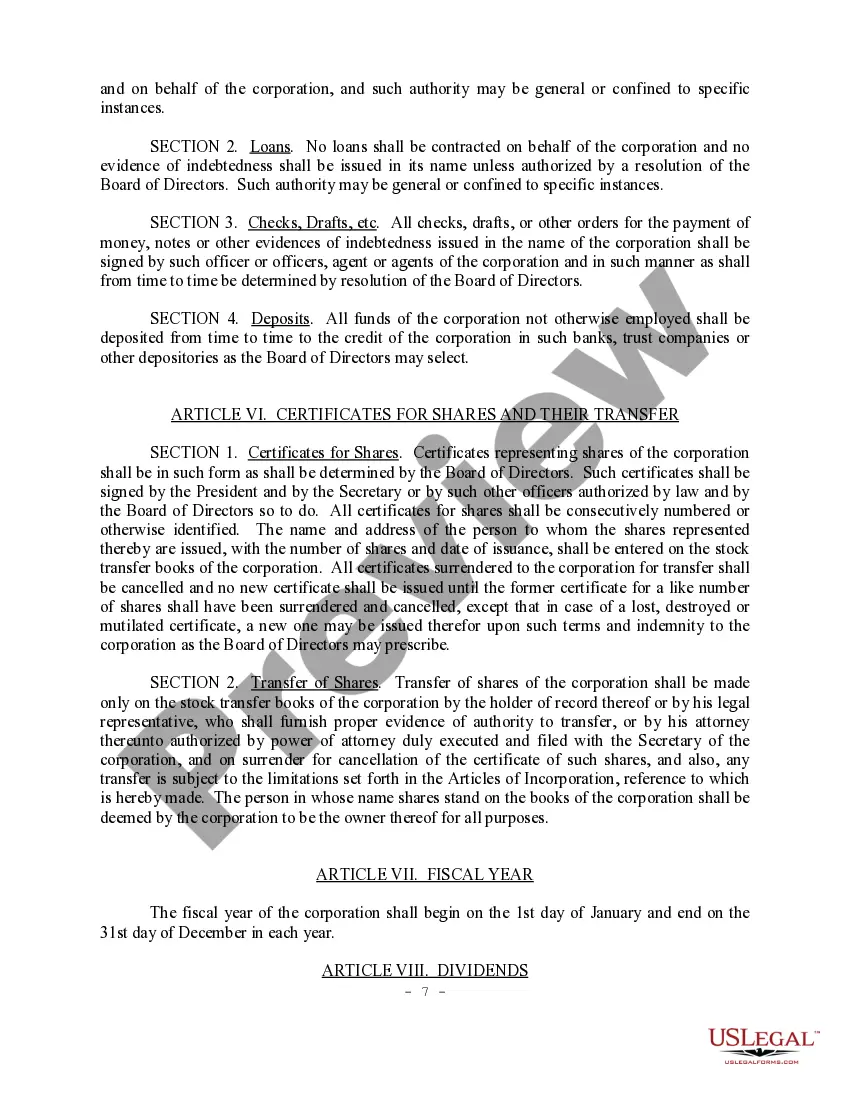
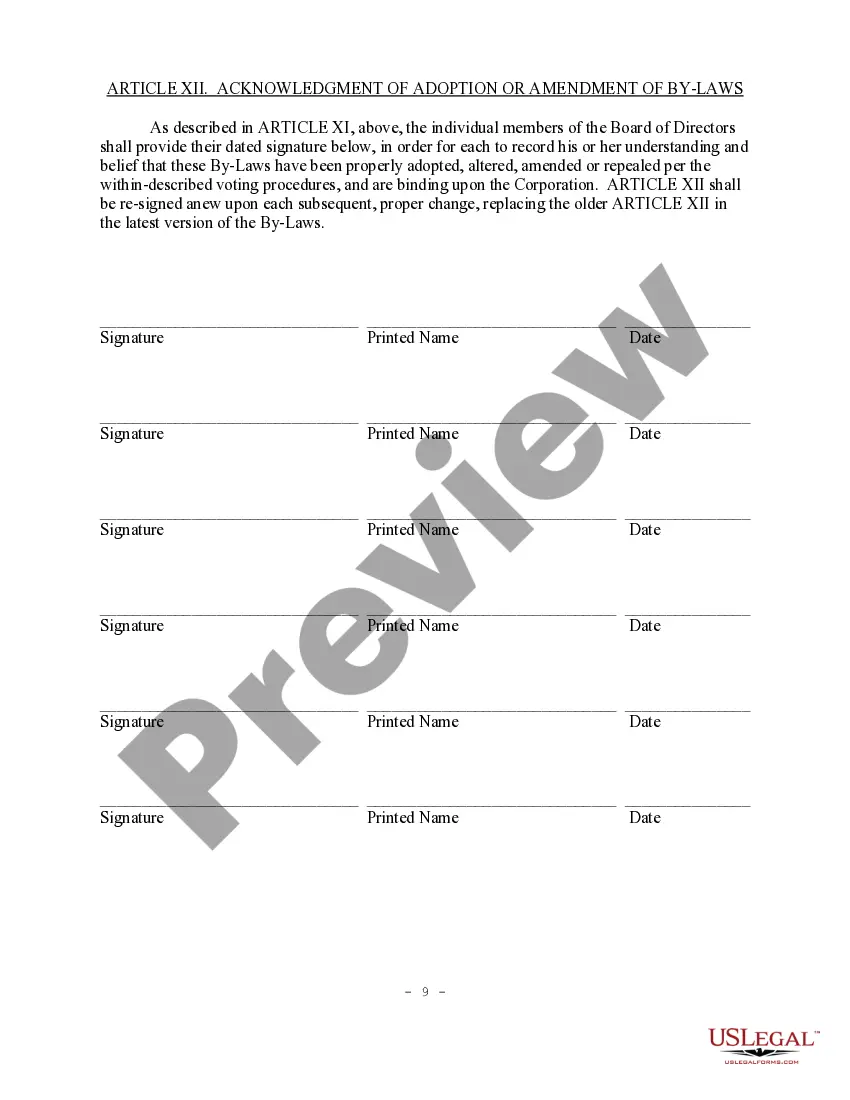
In the State of Florida, three is the magic number. No matter the size of your association, your board must have at least three members, with the number stated in your articles of incorporation or bylaws. Your bylaws should also have provisions regarding the manner in which the board can expand.
The state law, passed in 2022, requires associations to have sufficient reserves to cover major repairs.
Florida House Bill 1203 introduces substantial reforms aimed at increasing transparency and accountability within HOAs. This bill mandates the online posting of governing documents, including covenants, restrictions, and financial records, ensuring that you, as a homeowner, have easy access to critical information.
The Florida Legislature amended the Florida inium Act in 2018 to impose an eight-year term limit for board members. Section 718.112(2)(d)2.
Although a board may propose a rule that changes or modifies the declaration the board will still need to have the owners vote to approve the change and follow the procedures for amending the declaration. The board may not act alone in this regard.
HOA Board Membership Numbers Typically, a board needs at least three members, but the maximum size will depend on state laws and the governing policies. HOA boards can expand where the demands and scope of the association increase due to new homes in the neighborhood or a larger number of residents.
