Hoa Rules For Potted Plants In Cook
Description

Get your form ready online
Our built-in tools help you complete, sign, share, and store your documents in one place.
Make edits, fill in missing information, and update formatting in US Legal Forms—just like you would in MS Word.
Download a copy, print it, send it by email, or mail it via USPS—whatever works best for your next step.
Sign and collect signatures with our SignNow integration. Send to multiple recipients, set reminders, and more. Go Premium to unlock E-Sign.
If this form requires notarization, complete it online through a secure video call—no need to meet a notary in person or wait for an appointment.
We protect your documents and personal data by following strict security and privacy standards.

Make edits, fill in missing information, and update formatting in US Legal Forms—just like you would in MS Word.

Download a copy, print it, send it by email, or mail it via USPS—whatever works best for your next step.

Sign and collect signatures with our SignNow integration. Send to multiple recipients, set reminders, and more. Go Premium to unlock E-Sign.

If this form requires notarization, complete it online through a secure video call—no need to meet a notary in person or wait for an appointment.

We protect your documents and personal data by following strict security and privacy standards.
Looking for another form?









Form popularity
FAQ
While you might want to know how to get around HOA fence rules, there is no way to circumvent these rules. Breaking the rules and regulations of your HOA can result in fines, lawsuits, and other penalties. The best way to navigate a fence dispute is to work with local authorities and be willing to compromise.
Be concise and make your purpose/request clear. You can add a friendly greeting at the beginning, but there is no need to provide paragraphs of background information or personal opinions. Offer a solution, if possible. Complete the letter or email with a suggestion on how the board can take action.
Any unapproved construction could ultimately prompt a lawsuit. In addition to monetary damages, the HOA's attorney could request that the judge order you to remove the offending structure.
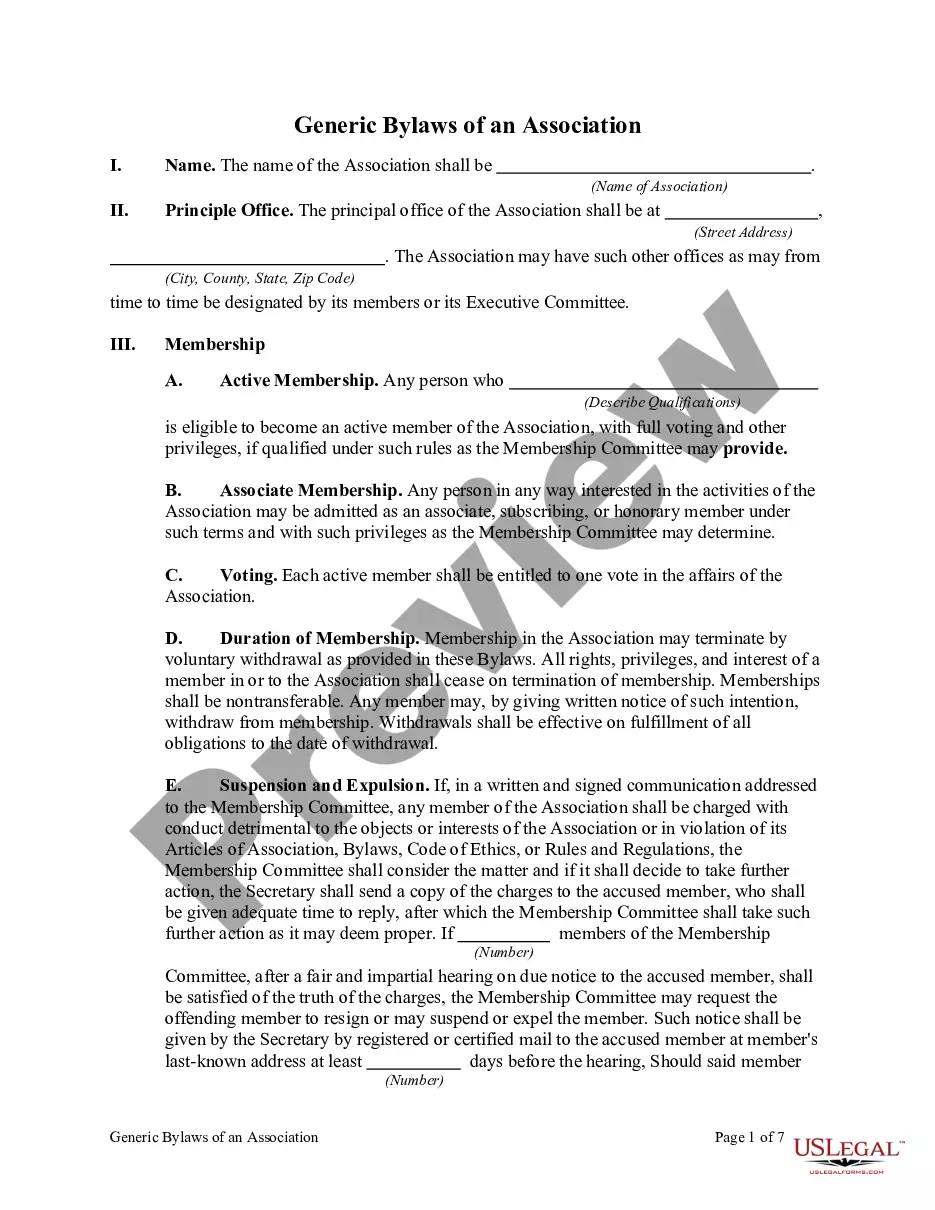
10 things to include in your HOA bylaws Name and purpose. The very first bylaws are the ones in which the association states its. Membership requirements. Board duties. Officer duties. Board member meetings. Member meetings. Committees. Non-compliance to bylaws.
Some HOAs may allow homeowners to dedicate only a small section of the front yard to flower or vegetable plants. Others, though, will want these plants neatly tucked away so that they can't be viewed from the street. As such, an HOA backyard garden is a more common sight in these communities.
Unfortunately, yes, an HOA can fine you for backyard rule violations if the rules are spelled out in the community's governing documents. HOAs often have rules about things like backyard maintenance, fencing, or even how you landscape. If you're breaking those rules, the HOA is within its rights to fine you.
Often, an HOA has a pre-approved plant palette, a list of plants that homeowners can include in their landscaping. If an owner wishes to get a plant not included in the list, they must secure permission from the HOA. There is no guarantee, of course, that the HOA will approve the request.
Yes, plants can grow in pots without drainage holes, but there are important considerations to keep in mind: Water Management: Without drainage holes, excess water cannot escape, which increases the risk of overwatering and root rot. It's crucial to monitor soil moisture closely and water only when necessary.
For a plant, life in a container is much different than being in the ground. Containers can provide excellent drainage, but the plants depend on you for water and nutrients. Shrubs and larger perennials often stay smaller in a pot, though this depends on the plant, climate, and container.
Fill 1-2'' inches at the bottom of your pot evenly with rocks. You can use gravel, landscape stones or smaller stones. This is where the excess water will go in your container, to keep it away from the roots. Plants hate having their roots sitting in soggy soil. (Imagine going to bed with wet socks on, ugh!)