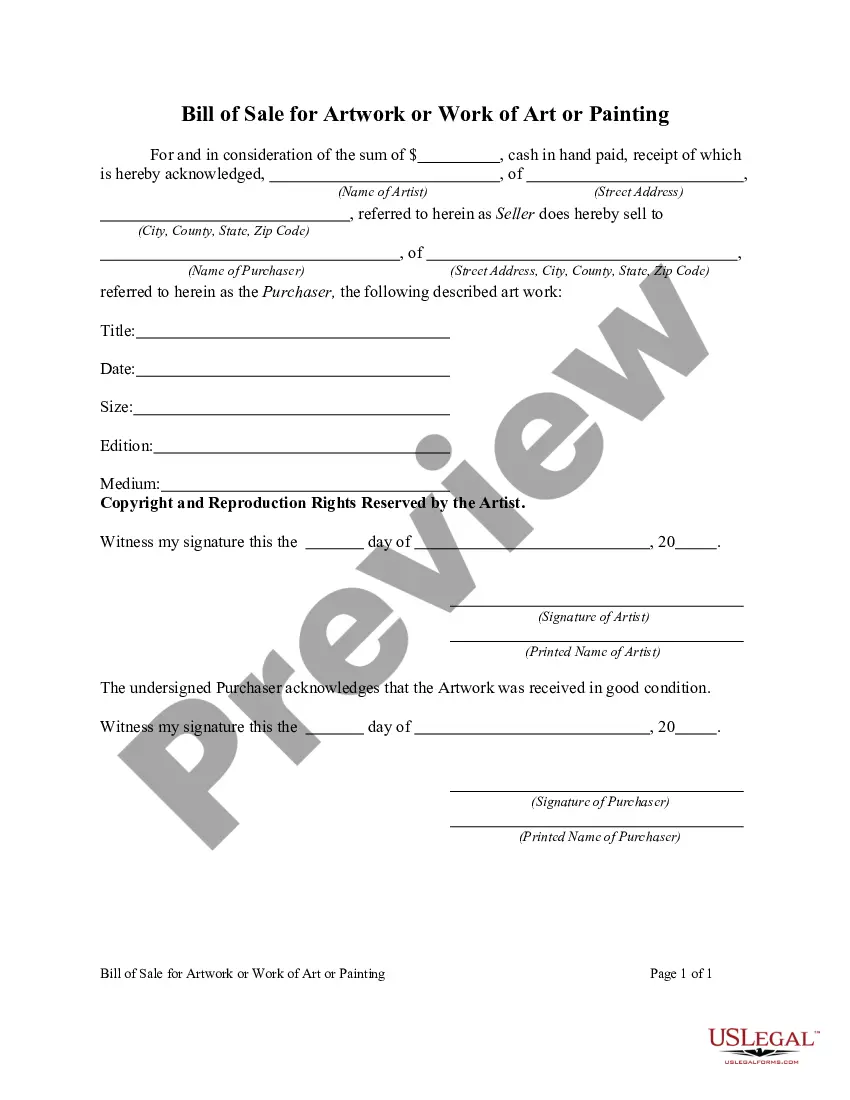
Bill Sale Art Sample Without Payment In Wayne
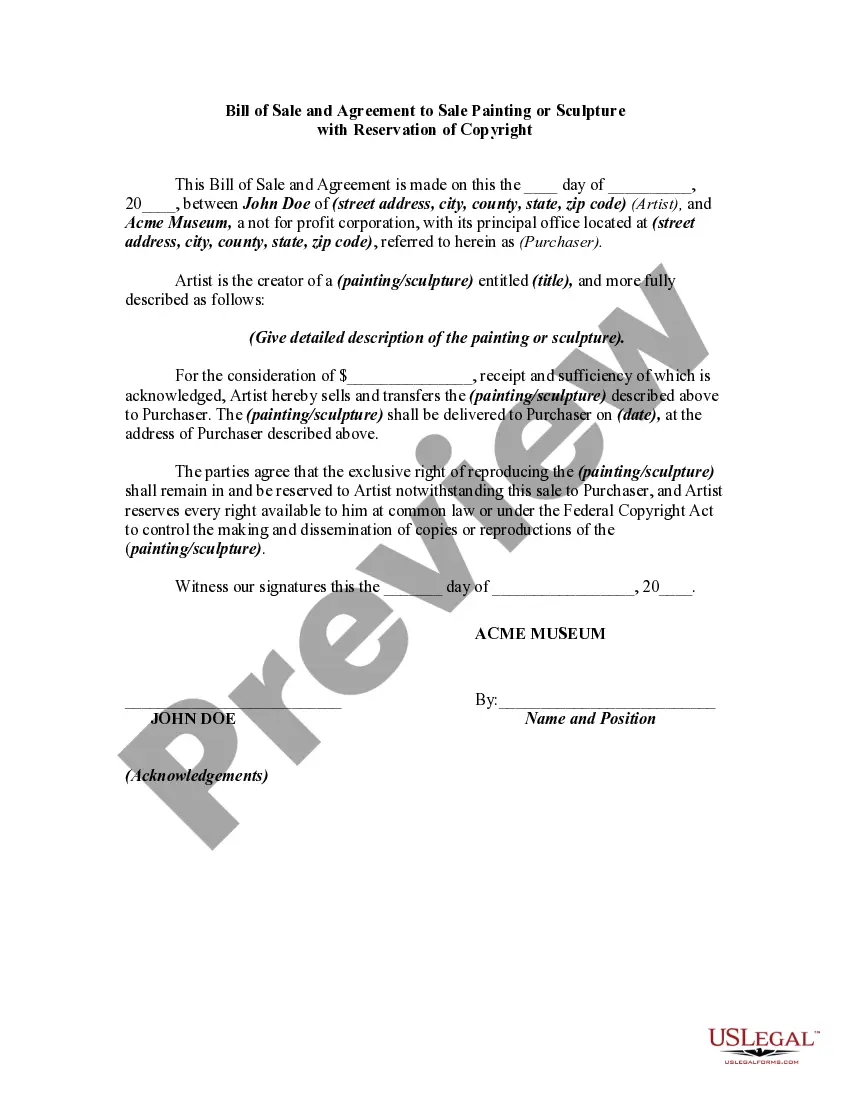
Description
Get your form ready online
Our built-in tools help you complete, sign, share, and store your documents in one place.
Make edits, fill in missing information, and update formatting in US Legal Forms—just like you would in MS Word.
Download a copy, print it, send it by email, or mail it via USPS—whatever works best for your next step.
Sign and collect signatures with our SignNow integration. Send to multiple recipients, set reminders, and more. Go Premium to unlock E-Sign.
If this form requires notarization, complete it online through a secure video call—no need to meet a notary in person or wait for an appointment.
We protect your documents and personal data by following strict security and privacy standards.

Make edits, fill in missing information, and update formatting in US Legal Forms—just like you would in MS Word.

Download a copy, print it, send it by email, or mail it via USPS—whatever works best for your next step.

Sign and collect signatures with our SignNow integration. Send to multiple recipients, set reminders, and more. Go Premium to unlock E-Sign.

If this form requires notarization, complete it online through a secure video call—no need to meet a notary in person or wait for an appointment.

We protect your documents and personal data by following strict security and privacy standards.
Looking for another form?









Form popularity
FAQ
Yes, artists can sell their paintings in auctions. Auctions are a common way for artists to sell their works, as they provide a platform for buyers and sellers to come together and bid on pieces.
Oil paintings are the most saleable, followed by acrylic, watercolor, and digital art.
On your invoice, you should include: Your details. Your business name and address. Your buyer's details. Your buyer's name and address. Information about the artwork. Separate line items for each product or service delivered. Information about the payment terms. Your hourly rate, if relevant.
Technically yes it's illegal but in all honesty if your selling some fanart in some shows I don't think you would be in any sort of trouble.
Ready to Exhibit Your Art? Here Are Steps You Can Take Try a home show and invite your friends. Connect with a local business and see if they might be interested in hanging your work in their establishment. Get together with a few other artists and rent a space for your exhibition. Enter juried exhibitions.
Invoices should contain information about: you the artist. your billing address. your client or customer. their taxable address. your tax reference code (UTR - unique tax reference code if in the UK) the tax date for the product or service rendered. description of the artwork provided or artistic service rendered.
The rule of thirds is a guideline commonly used in painting, photography, and design. The rule of thirds means that the subject isn't centered; rather, the main focal point can be to one side or at the top or bottom of the image.
You may just speak to the person directly and it gets resolved. It may end up with some legal aid to help solve the issue and anything in between. But have the peace of mind that it will get sorted and you will always own that copyright of your art.
The first words out of your mouth should be “thank you… thank you for appreciating and purchasing the art that I create”…or something in a similar vein.
If you're concerned someone may infringe upon your original work, the best way to protect your rights is to register with the copyright office. You do not need a lawyer to register: You can go to the U.S. copyright office's website and follow the instructions.