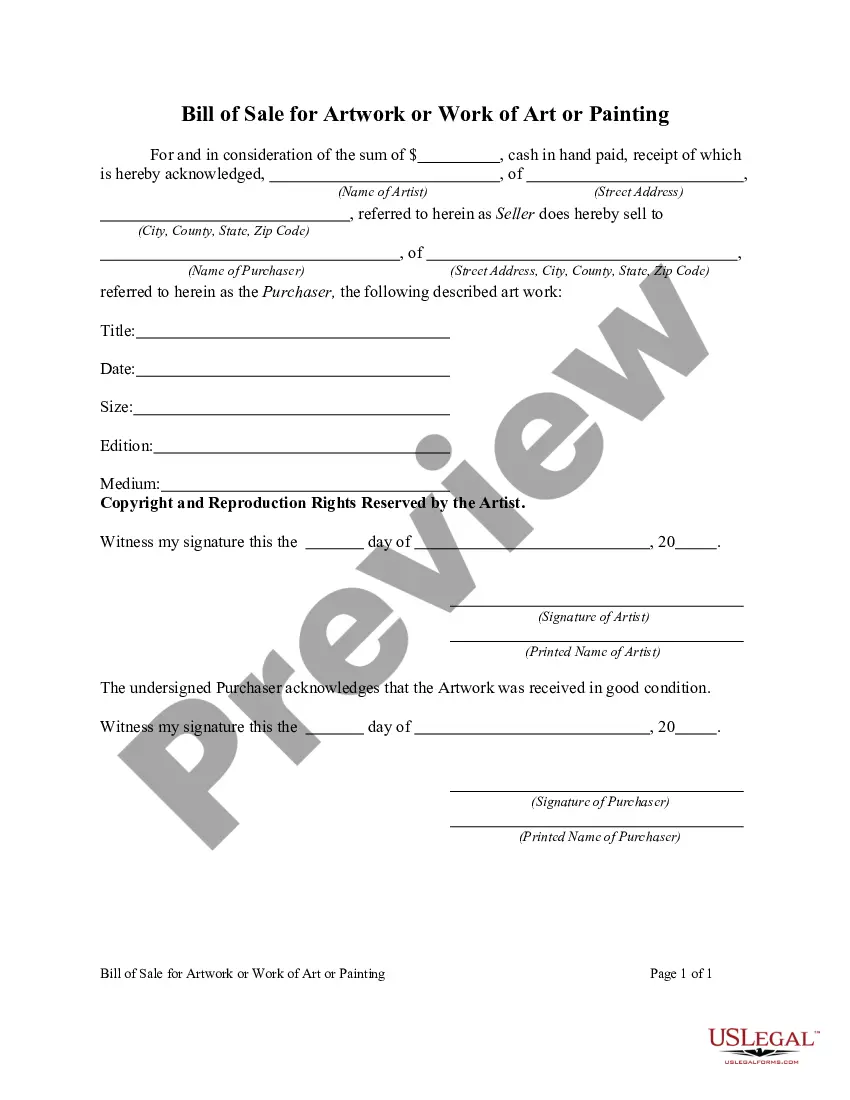
Bill Sale Art Sample For Job In Queens
Description
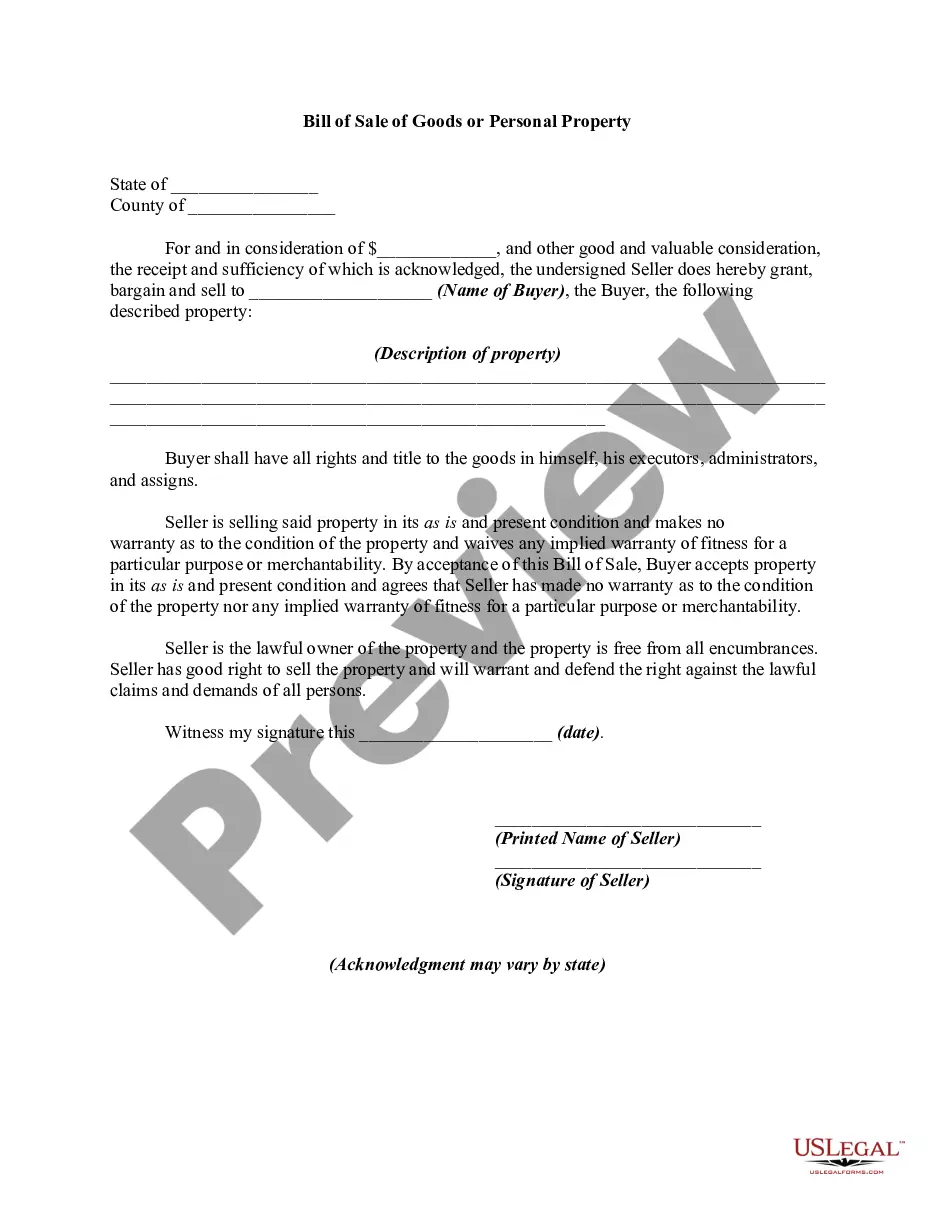
Get your form ready online
Our built-in tools help you complete, sign, share, and store your documents in one place.
Make edits, fill in missing information, and update formatting in US Legal Forms—just like you would in MS Word.
Download a copy, print it, send it by email, or mail it via USPS—whatever works best for your next step.
Sign and collect signatures with our SignNow integration. Send to multiple recipients, set reminders, and more. Go Premium to unlock E-Sign.
If this form requires notarization, complete it online through a secure video call—no need to meet a notary in person or wait for an appointment.
We protect your documents and personal data by following strict security and privacy standards.

Make edits, fill in missing information, and update formatting in US Legal Forms—just like you would in MS Word.

Download a copy, print it, send it by email, or mail it via USPS—whatever works best for your next step.

Sign and collect signatures with our SignNow integration. Send to multiple recipients, set reminders, and more. Go Premium to unlock E-Sign.

If this form requires notarization, complete it online through a secure video call—no need to meet a notary in person or wait for an appointment.

We protect your documents and personal data by following strict security and privacy standards.
Looking for another form?

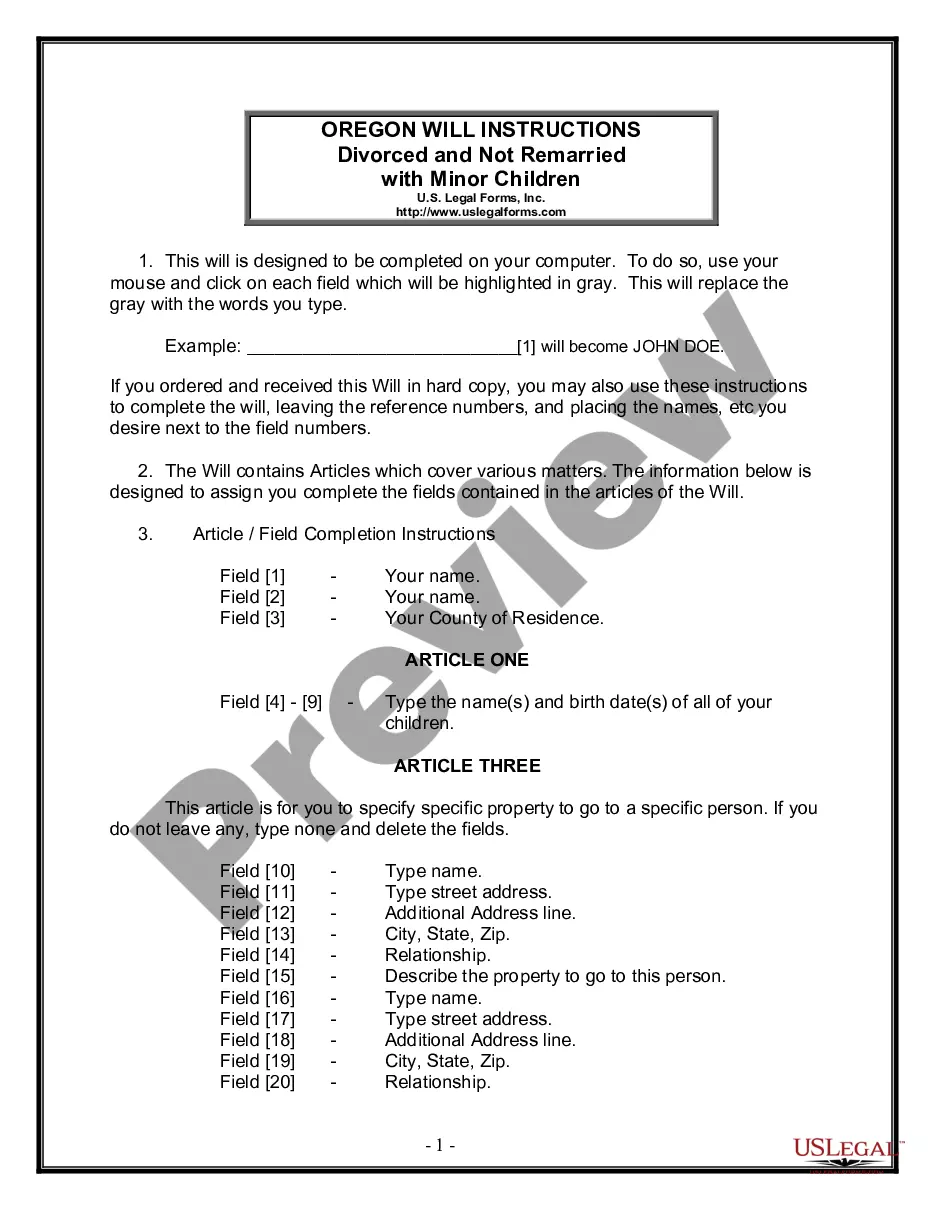
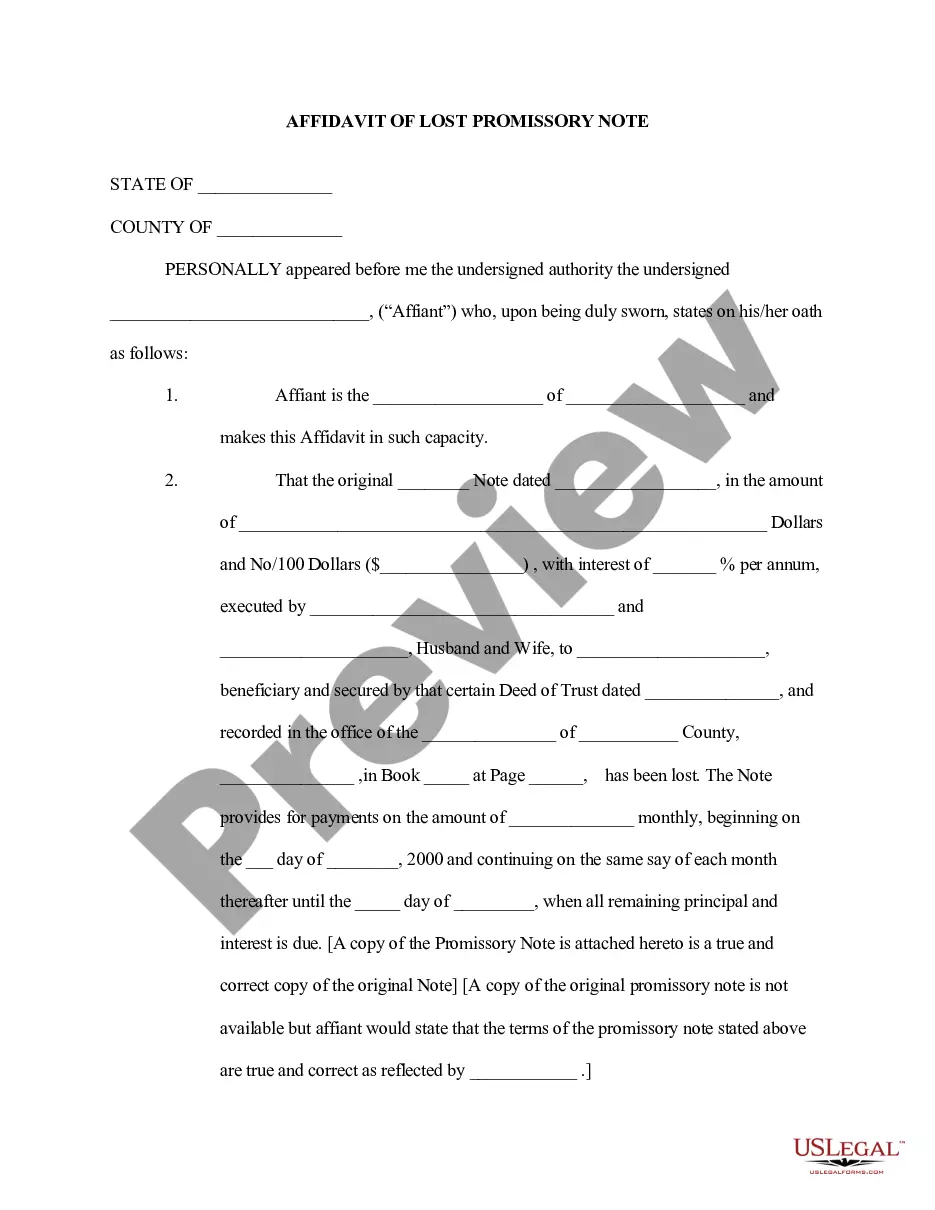
Form popularity
FAQ
Offer Special Promotions and Incentives: To attract potential buyers and generate interest in your artwork, consider offering special promotions, discounts, or incentives. Host online sales events, limited-time offers, or exclusive previews for your loyal followers and subscribers.
You don't need a General Vendor License to sell: Newspapers, periodicals, books, pamphlets, or other written matter. Artwork, including paintings, photographs, prints, and sculptures.
I would recommend introducing yourself as an artist and have a portfolio ready. Be respectful and let them know you are seeking representation, ask about possible opportunities, and if they would like to see a portfolio, show them. Most galleries in my experience have waitlists, but this is normal.
There are no qualifications whatsoever needed to become an art dealer. Anyone off the street can rent or lease a space, hang any kind of paintings on the wall, put a sign up (or not), open the door (or not and operate by appointment or just online). The first trick is staying in business as an art dealer.
Create some assignments for yourself, put the results in your portfolio, then promote: go to customers, send emails, snail mail, social media or art markets. The more customized to the individual customer the better.
Use social media platforms like Instagram, Facebook, and Twitter to share your work and connect with other artists and potential buyers. Participate in art shows and exhibitions: Participate in local art shows, exhibitions, and fairs to showcase your work and connect with potential buyers and collectors.
3 Tips for Your Art Marketing Take some time to understand what makes you uniquely you and what makes your art unique as well. Start asking questions from people who buy your work - your ideal clients. Tell the story of your special factor and authentic connection throughout all of your marketing materials.
The window mount should be face down and the under mount face up. Hold the two mounts in place with paper weights and 'hinge' them together by running tape along the two butted edges with half the tape on the window mount and half on the under mount. I use a conservation standard linen tape with a water based adhesive.
The size of your pieces will also influence how it should be packaged. Smaller pieces and medium-sized artworks should be shipped in padded mailers or corrugated cardboard boxes, while crating is the best approach for large artwork larger than 48 inches to ensure maximum protection.
Use Frames Choose the Right Frame: Select frames that complement your art without overshadowing it. Use Mats: Adding a mat around your print can give it a polished look and draw attention to the artwork. Display in a Grid: Arrange framed prints in a grid pattern on the wall to create a cohesive and organized display.