Contingency Agreement Sample For Construction In Wake
Description







Get your form ready online
Our built-in tools help you complete, sign, share, and store your documents in one place.
Make edits, fill in missing information, and update formatting in US Legal Forms—just like you would in MS Word.
Download a copy, print it, send it by email, or mail it via USPS—whatever works best for your next step.
Sign and collect signatures with our SignNow integration. Send to multiple recipients, set reminders, and more. Go Premium to unlock E-Sign.
If this form requires notarization, complete it online through a secure video call—no need to meet a notary in person or wait for an appointment.
We protect your documents and personal data by following strict security and privacy standards.

Make edits, fill in missing information, and update formatting in US Legal Forms—just like you would in MS Word.

Download a copy, print it, send it by email, or mail it via USPS—whatever works best for your next step.

Sign and collect signatures with our SignNow integration. Send to multiple recipients, set reminders, and more. Go Premium to unlock E-Sign.

If this form requires notarization, complete it online through a secure video call—no need to meet a notary in person or wait for an appointment.

We protect your documents and personal data by following strict security and privacy standards.
Looking for another form?



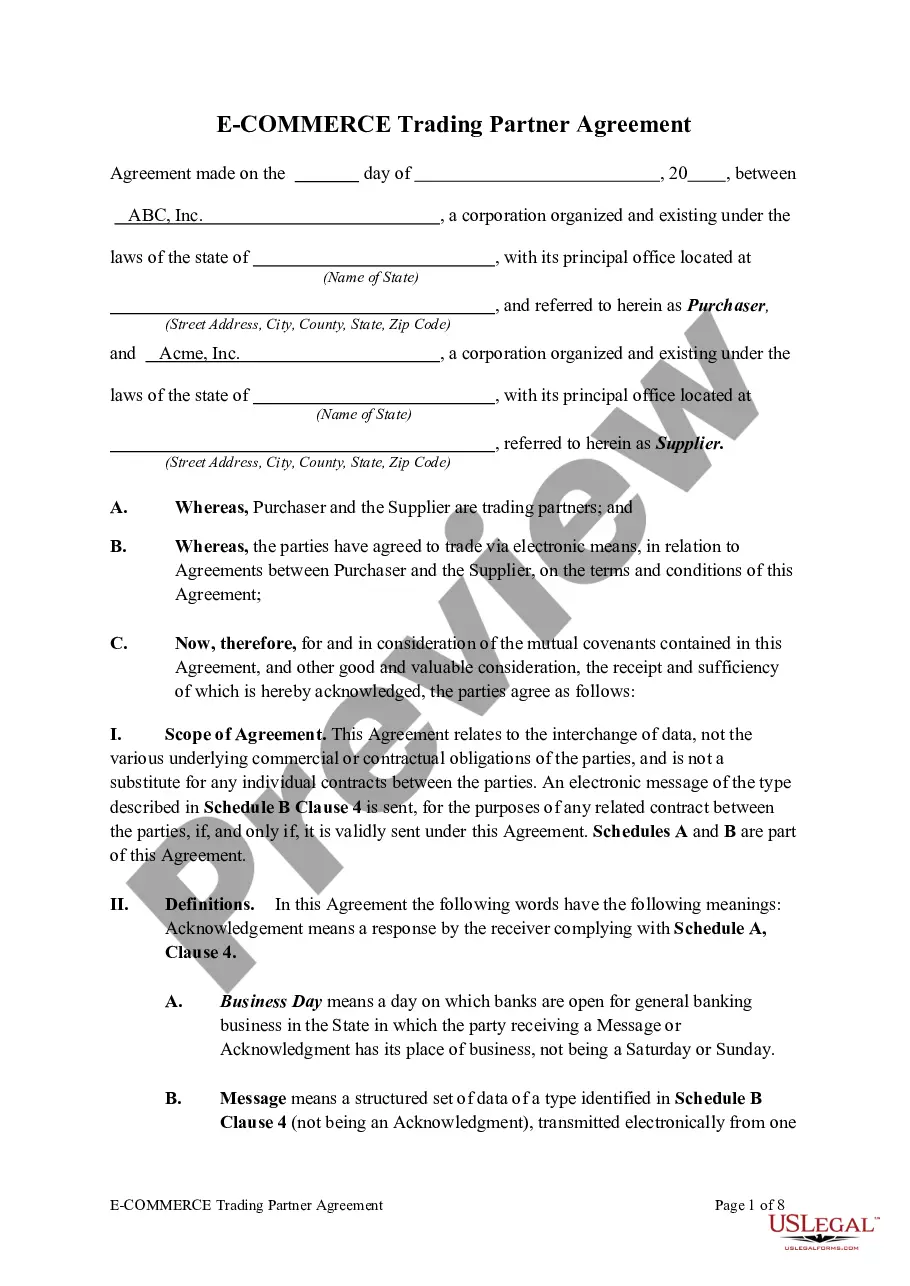





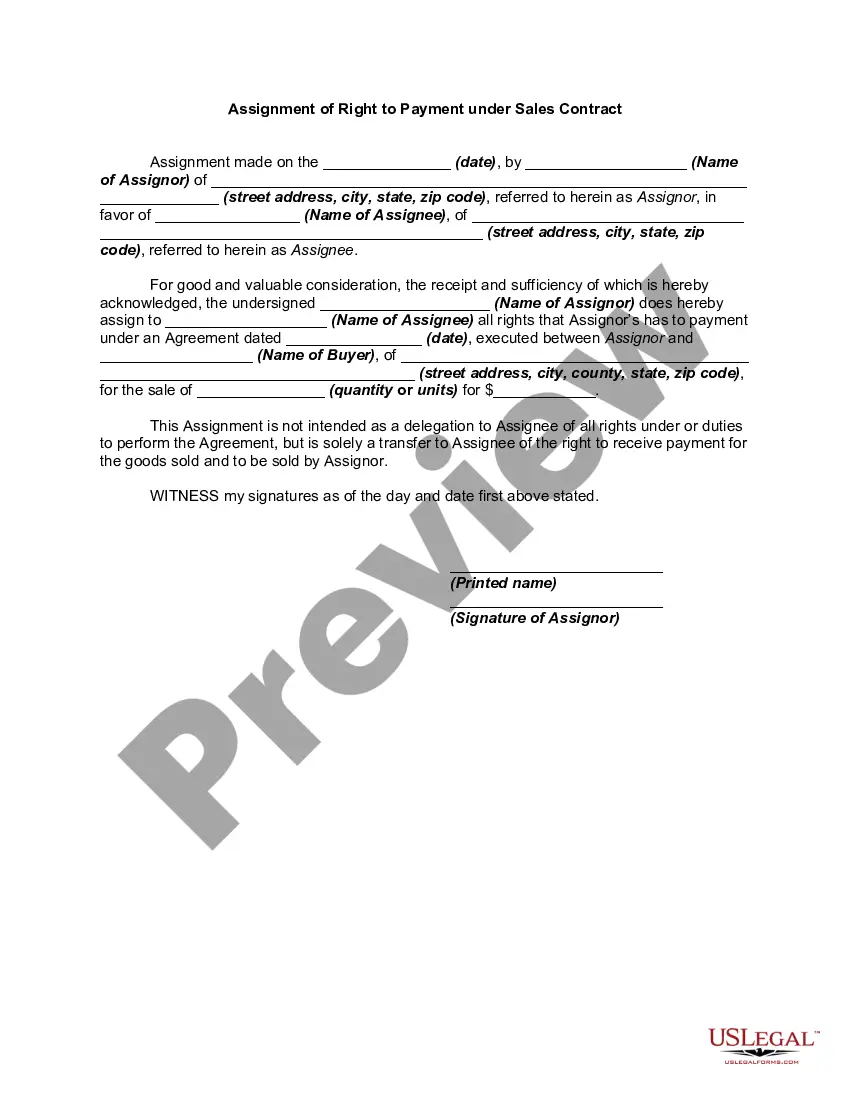
Form popularity
FAQ
The most common contingency is the home inspection contingency. This condition on an offer states the home sale will only be finalized if the property passes a professional home inspection. In other words, buyers can walk away from a home sale if the home inspection turns up serious problems.
Example of a Contingency Contract One straightforward example might be a child who agrees with their parent that if they get an A in a particular class, they will get a new bicycle. Of course, the contract may be verbal, and it may be between family members.
A contingency can cover a range of unexpected costs during a construction project. Some examples are unforeseen site conditions, changes in project scope, unplanned repairs, delays in timeline and regulation changes such as building codes or zoning requirements.
A contingent contract is a legal agreement in which the terms and conditions only apply or take effect if a specific event occurs. Essentially, the parties involved agree to perform actions or obligations based on the occurrence or non-occurrence of a particular event in the future.
In a contingency contract, the task defines exactly what behavior a person must engage in to access the reward. It should include what needs to be done, who must do it, when it must be done and details with how it must be done. It should be very clear and specific for all parties.
Typically, most construction projects use a contingency rate of 5% to 10% from the total project budget. This is typically enough to cover any unexpected costs that may arise throughout the project.
You can calculate a contingency budget by identifying project risks, estimating their potential impacts, and assigning probabilities and dollar amounts to each. Multiply impact by probability to find the priority level, then sum their estimated costs based on your level of risk tolerance.
The most basic way to calculate a contingency reserve is to add a fixed percentage to the total project budget, known as the Flat Rate method. Alternatively, if different percentages are applied to unique budget line items, this would be called a Mixed Rate method to establish the reserve.
Calculation of the contingency coefficient C C∗=√χ2n+χ2, where χ2 corresponds to the χ2 statistic and n corresponds to the number of observations. When there is no relationship between two variables, C∗ is close to 0 .
