Law Firm Form For Debt Collection In Suffolk
Description







Get your form ready online
Our built-in tools help you complete, sign, share, and store your documents in one place.
Make edits, fill in missing information, and update formatting in US Legal Forms—just like you would in MS Word.
Download a copy, print it, send it by email, or mail it via USPS—whatever works best for your next step.
Sign and collect signatures with our SignNow integration. Send to multiple recipients, set reminders, and more. Go Premium to unlock E-Sign.
If this form requires notarization, complete it online through a secure video call—no need to meet a notary in person or wait for an appointment.
We protect your documents and personal data by following strict security and privacy standards.

Make edits, fill in missing information, and update formatting in US Legal Forms—just like you would in MS Word.

Download a copy, print it, send it by email, or mail it via USPS—whatever works best for your next step.

Sign and collect signatures with our SignNow integration. Send to multiple recipients, set reminders, and more. Go Premium to unlock E-Sign.

If this form requires notarization, complete it online through a secure video call—no need to meet a notary in person or wait for an appointment.

We protect your documents and personal data by following strict security and privacy standards.
Looking for another form?
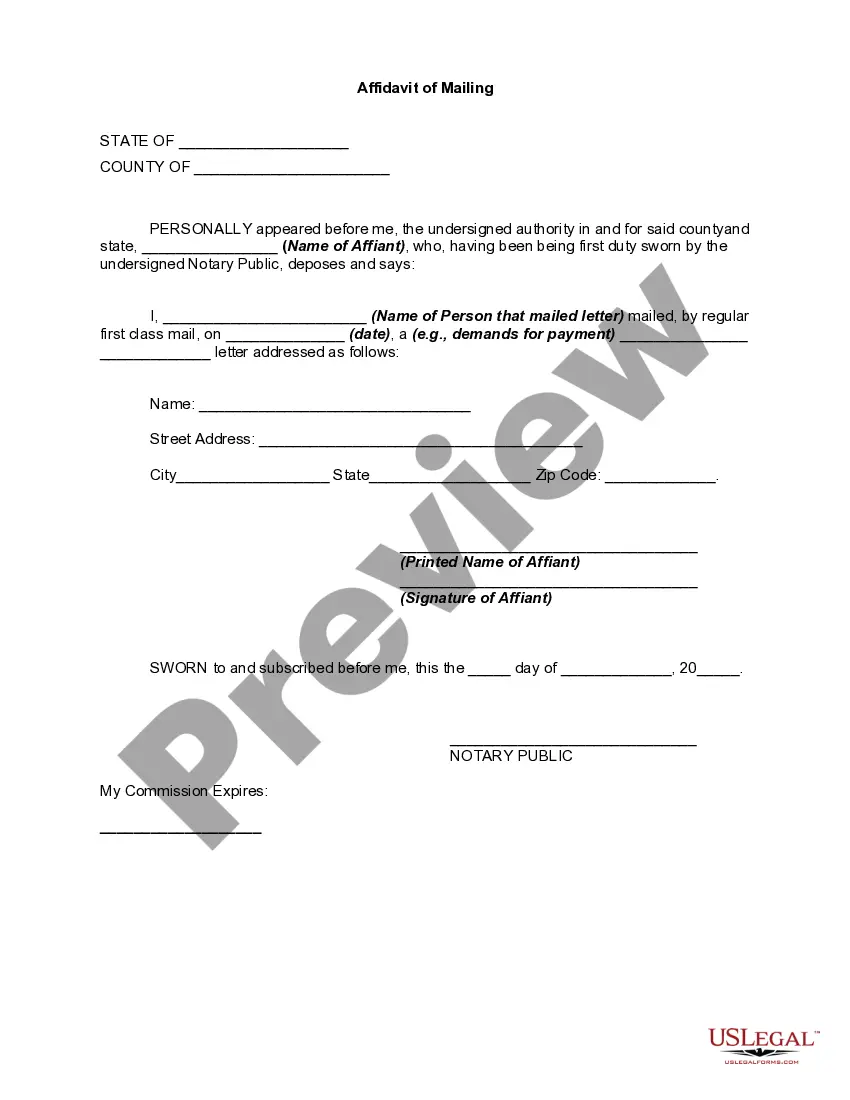



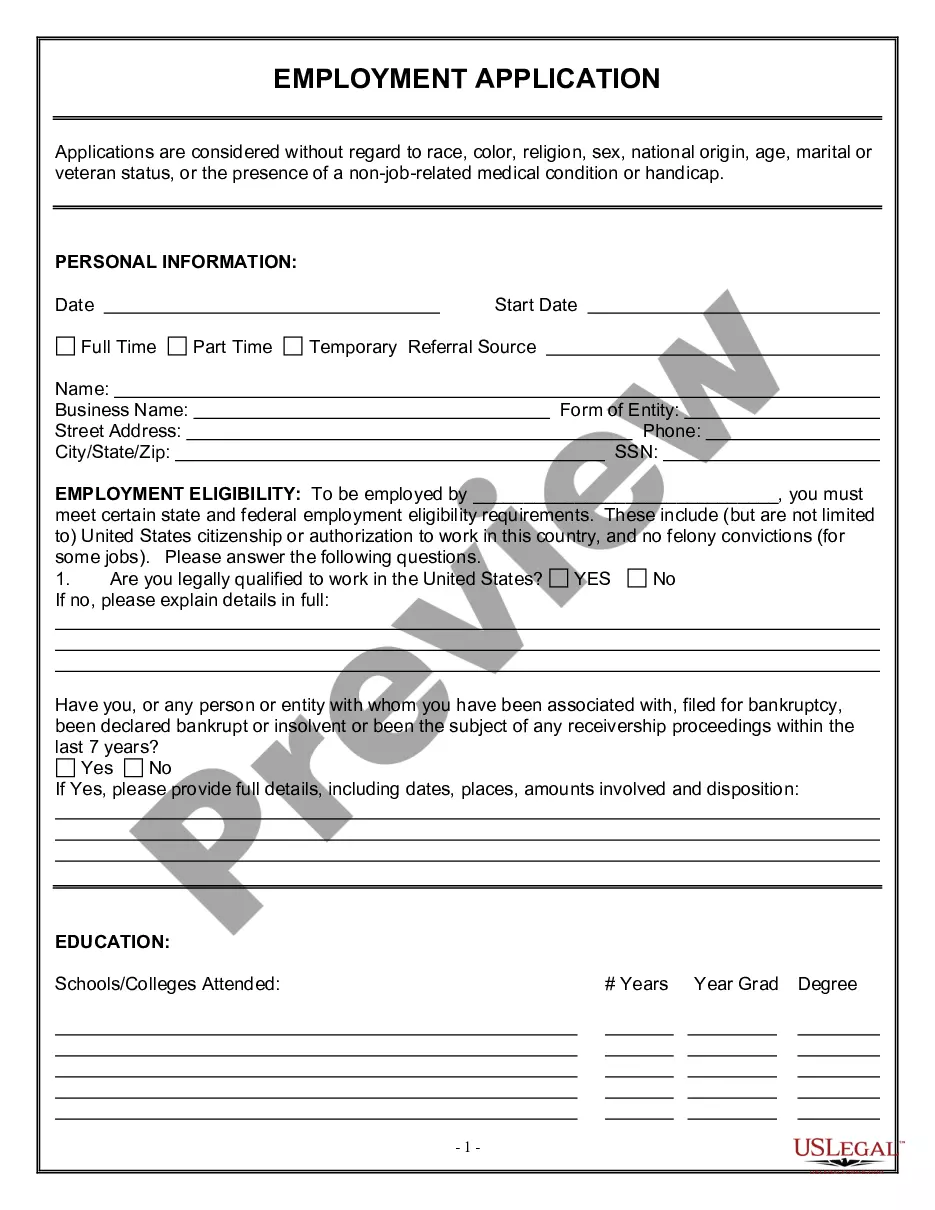



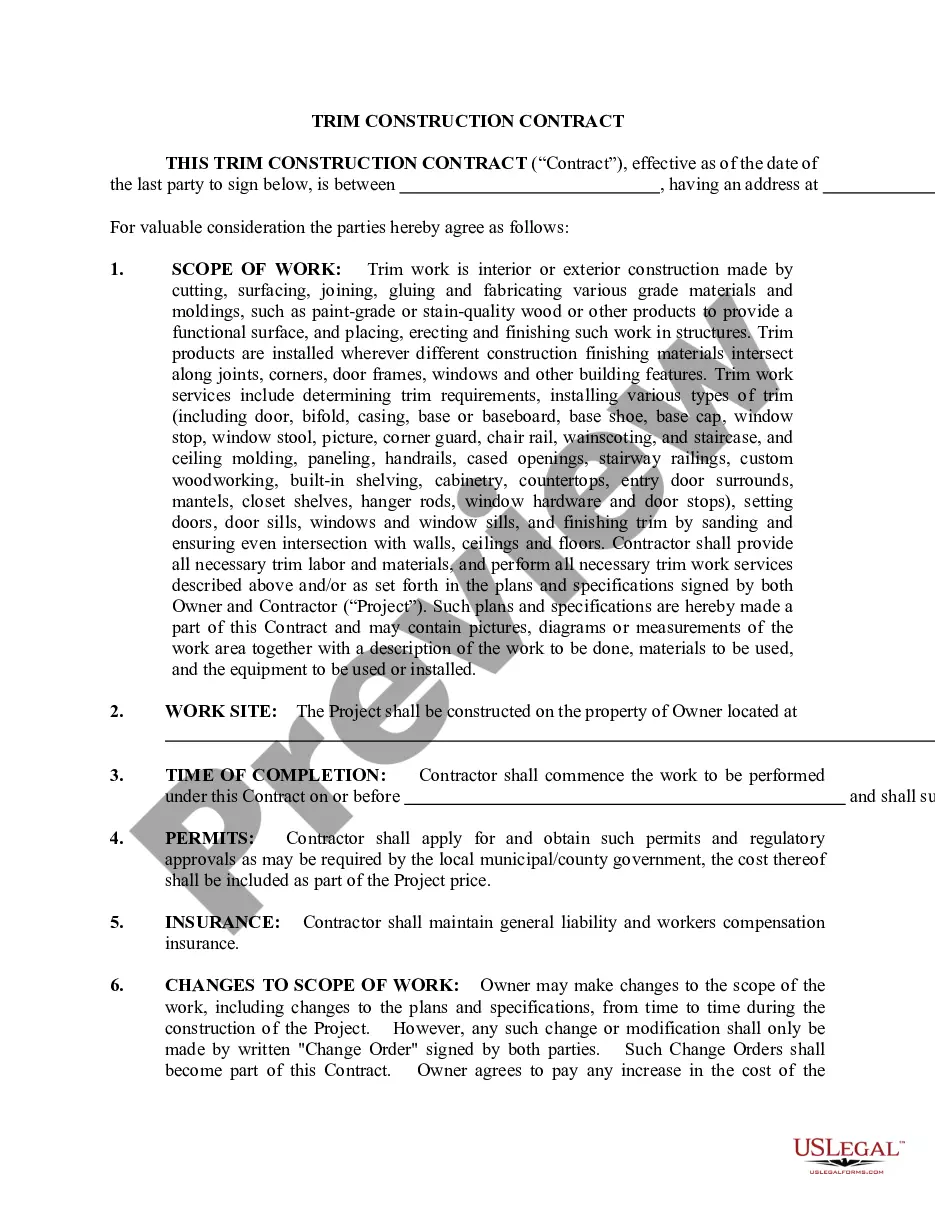
Form popularity
FAQ
The 7-in-7 rule, established by the Consumer Financial Protection Bureau (CFPB) in 2021, limits how often debt collectors can contact you by phone. Specifically, the rule states that a debt collector cannot: Make more than seven calls within a seven-day period to a consumer regarding a specific debt.
Overdue payments on credit cards, phone bills, auto loans, utility bills, and back taxes are examples of debts for which collectors may be responsible.
Its called a verification of debt letter. write to them and ask for verification of debt (preferably itemized). send it by certified mail with return receipt (where they attach a little postcard to the back and stamp it when it gets delivered). they have 30 days to reply with proof.
How to write a debt collection letter: Step by step guide Step 1: Use a professional format. Step 2: Write a clear subject line (if sending via email) ... Step 3: Address the recipient. Step 4: State the purpose of the letter. Step 5: Provide detailed information on the debt. Step 6: Include payment instructions.
Here's a step-by-step guide that outlines the actions a business should take before moving forward with a collection agency. Contact the Debtor. Send a Demand Letter. Consider Negotiation. Hire a Collection Agency. Provide Documentation. Monitor Progress. Consider Legal Action.
Here's a step-by-step guide that outlines the actions a business should take before moving forward with a collection agency. Contact the Debtor. Send a Demand Letter. Consider Negotiation. Hire a Collection Agency. Provide Documentation. Monitor Progress. Consider Legal Action.
Credit Impact: Unpaid debts in collections can significantly harm your credit score. Paying the debt can help mitigate further damage and may even improve your score over time.
To request debt validation, you must send a written request to the debt collector within 30 days of being contacted by the collection agency. Send such request via Certified Mail. You may also send a separate certified mail requesting that no further contact be made by telephone.
5 Steps to Negotiate Credit Card Debt Settlement Confirm the Amount You Owe. First, double-check the amount of the debt you want to negotiate a settlement for. Calculate How Much You Can Repay. Get Help From a Professional. Contact Your Creditor. Agree to a Debt Settlement Plan.
