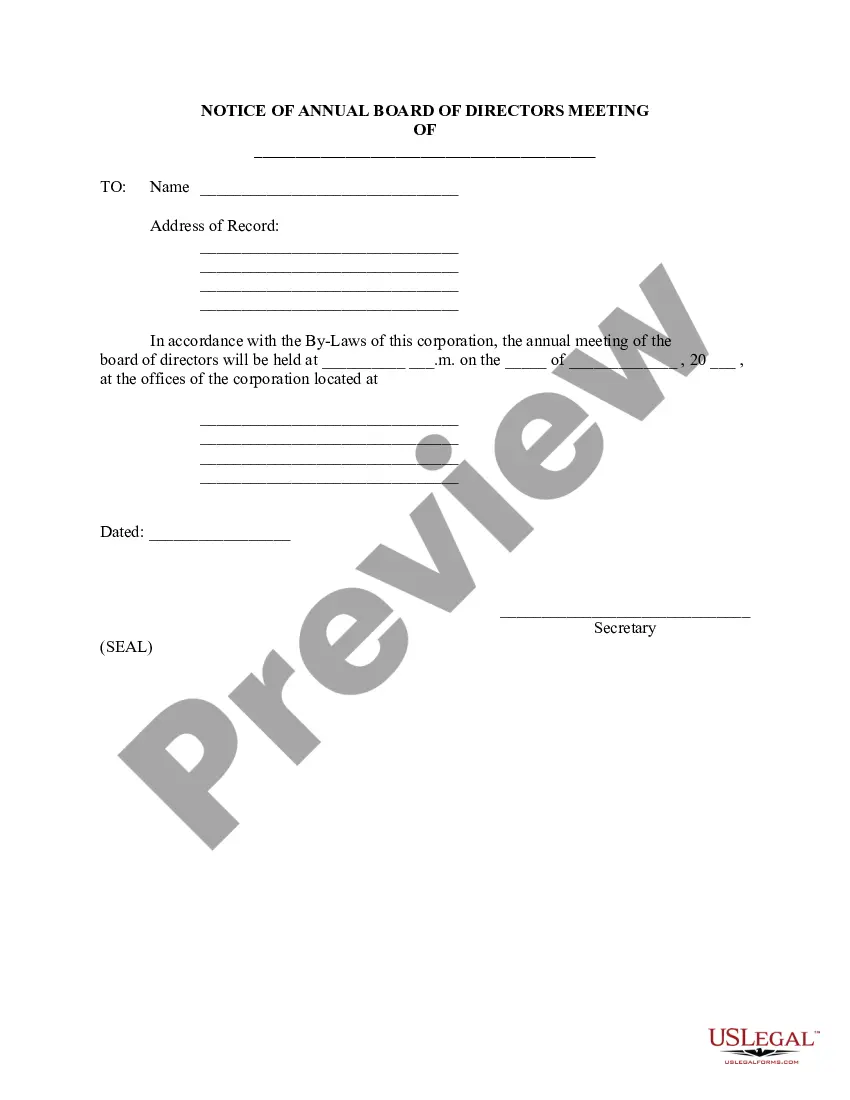
Contingency Agreement Sample For Roof Replacement In Oakland
Description







Get your form ready online
Our built-in tools help you complete, sign, share, and store your documents in one place.
Make edits, fill in missing information, and update formatting in US Legal Forms—just like you would in MS Word.
Download a copy, print it, send it by email, or mail it via USPS—whatever works best for your next step.
Sign and collect signatures with our SignNow integration. Send to multiple recipients, set reminders, and more. Go Premium to unlock E-Sign.
If this form requires notarization, complete it online through a secure video call—no need to meet a notary in person or wait for an appointment.
We protect your documents and personal data by following strict security and privacy standards.

Make edits, fill in missing information, and update formatting in US Legal Forms—just like you would in MS Word.

Download a copy, print it, send it by email, or mail it via USPS—whatever works best for your next step.

Sign and collect signatures with our SignNow integration. Send to multiple recipients, set reminders, and more. Go Premium to unlock E-Sign.

If this form requires notarization, complete it online through a secure video call—no need to meet a notary in person or wait for an appointment.

We protect your documents and personal data by following strict security and privacy standards.
Looking for another form?








Form popularity
FAQ
4 Things You Need to Do Before Signing a Roofing Contract Get a second opinion. Read the fine print on the roofing contract. Look for potential red flags in the roofing contract. Go over the roofing contract with the roofing contractor. Learn everything that needs to be included in your roofing contract.
To write a simple contract, title it clearly, identify all parties and specify terms (services or payments). Include an offer, acceptance, consideration, and intent. Add a signature and date for enforceability. Written contracts reduce disputes and offer better legal security than verbal ones.
A standard roofing contract should contain, at a minimum, the following info: License number and insurance details. Project's scope. Terms of payment. Option for terminating the contract. Project's timeline. Materials. Date and signature. Contractor and customer details.
If there is a problem meeting the conditions of the sale, such as the buyer's finance arrangements falling through or they are unhappy with the results of a building inspection and decide to withdraw from the sale, the buyer must let their lawyer or conveyancer know as soon as possible.
One such contract is the contingency contract, which adds an element of flexibility and risk mitigation. Contingency contract is a legally binding document that specifies a condition that needs to be met before the contract can be executed.
Technically, yes — a seller can back out of a contingent offer. Before agreeing, they can choose to reject or counter the original offer with their own terms. Once the offer is accepted, if the contingencies aren't met, the seller can back out but there may be legal or financial implications involved.
A contingent contract can also be viewed as protection against a future change of plans. Contingent contracts can also lead to effective agreement when each party has different time preferences. For example, one party may desire immediate payoffs, while the other party may be interested in more long-term payoffs.