Contingency Lawyers For Wrongful Termination In Minnesota
Description







Get your form ready online
Our built-in tools help you complete, sign, share, and store your documents in one place.
Make edits, fill in missing information, and update formatting in US Legal Forms—just like you would in MS Word.
Download a copy, print it, send it by email, or mail it via USPS—whatever works best for your next step.
Sign and collect signatures with our SignNow integration. Send to multiple recipients, set reminders, and more. Go Premium to unlock E-Sign.
If this form requires notarization, complete it online through a secure video call—no need to meet a notary in person or wait for an appointment.
We protect your documents and personal data by following strict security and privacy standards.

Make edits, fill in missing information, and update formatting in US Legal Forms—just like you would in MS Word.

Download a copy, print it, send it by email, or mail it via USPS—whatever works best for your next step.

Sign and collect signatures with our SignNow integration. Send to multiple recipients, set reminders, and more. Go Premium to unlock E-Sign.

If this form requires notarization, complete it online through a secure video call—no need to meet a notary in person or wait for an appointment.

We protect your documents and personal data by following strict security and privacy standards.
Looking for another form?
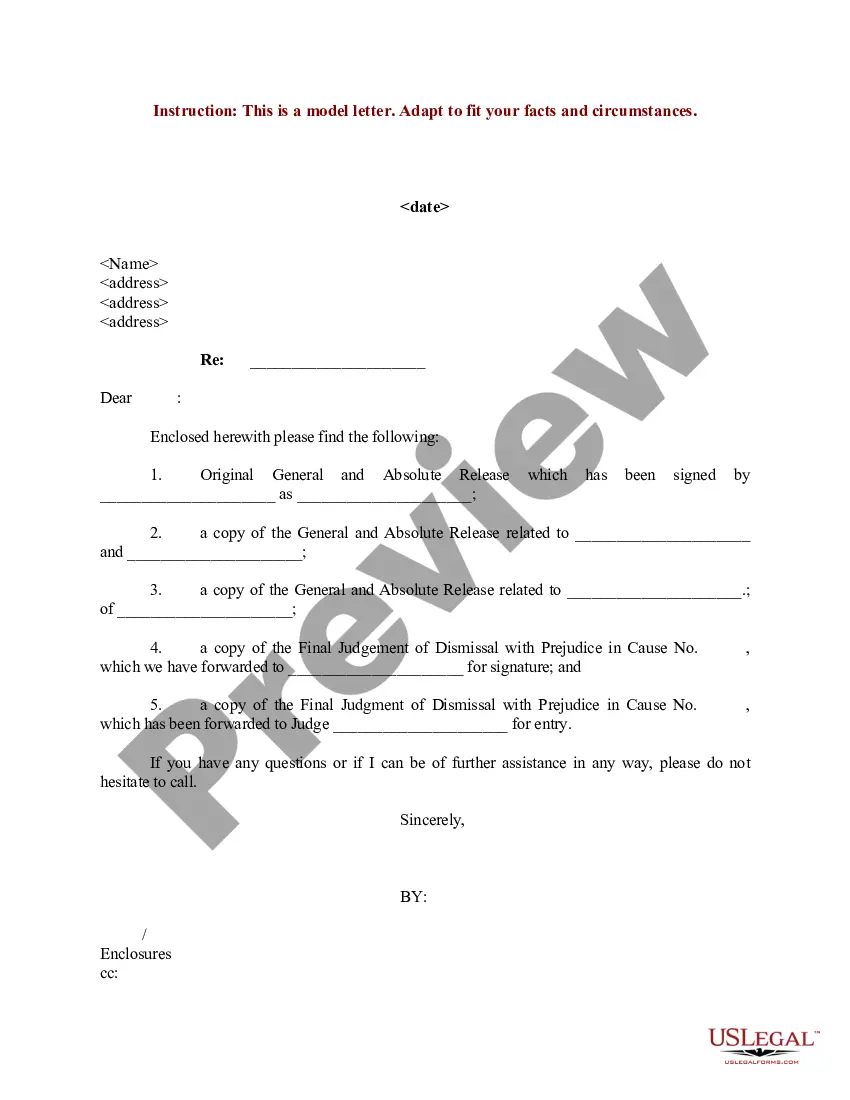


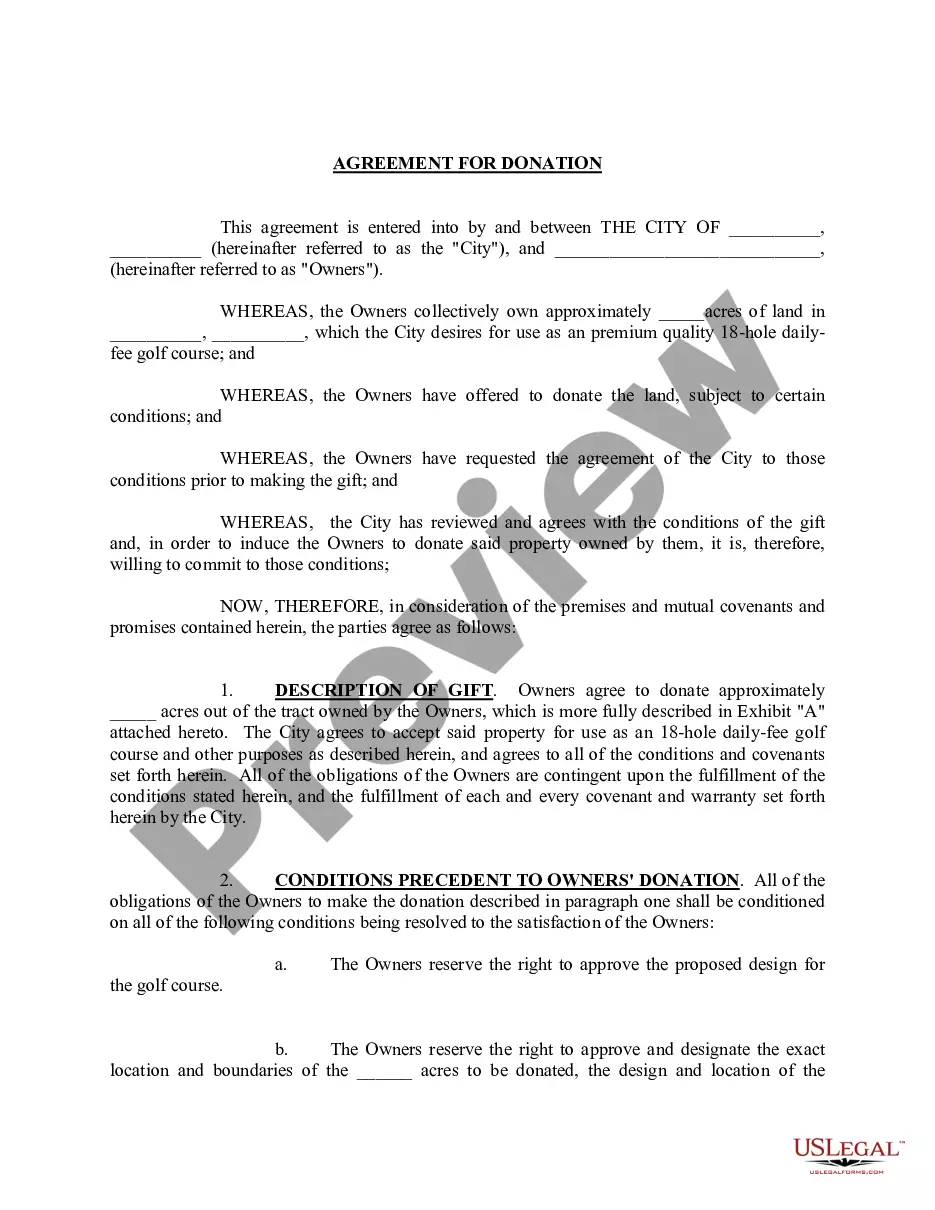




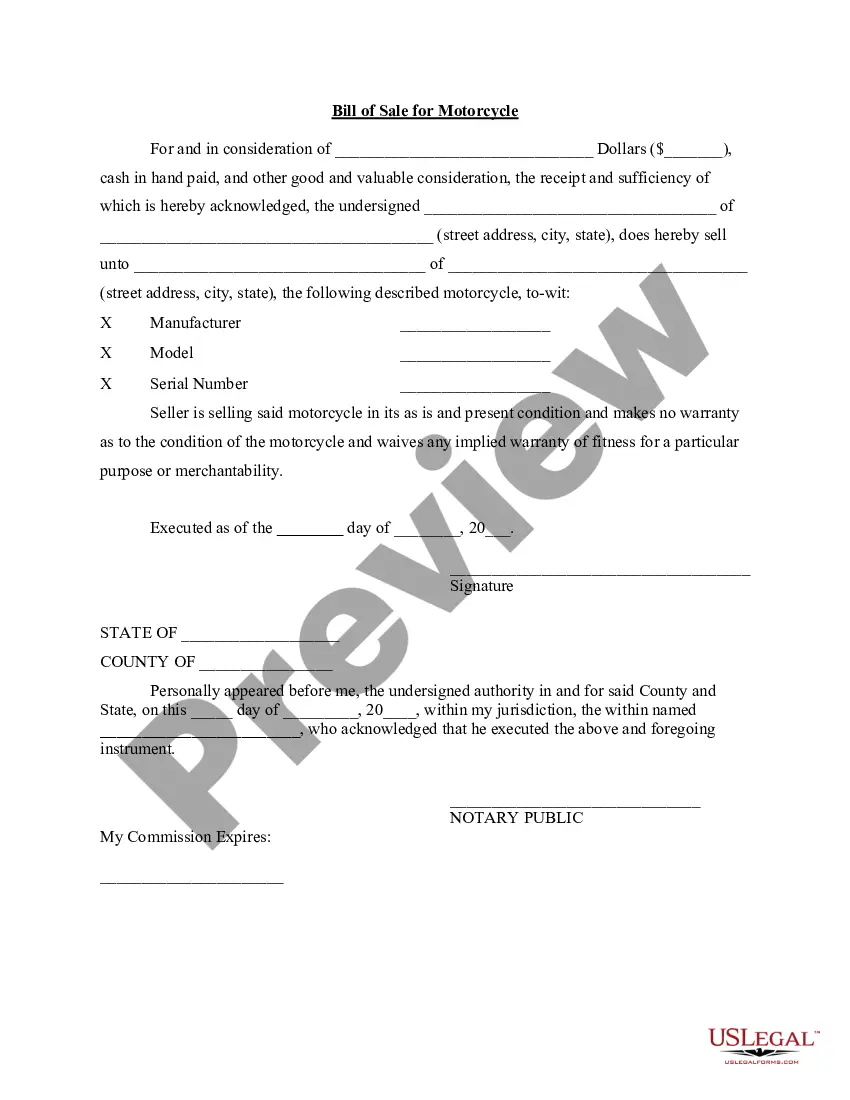

Form popularity
FAQ
If you have reason to believe a wrongful termination is also related to an unlawful reason, then you may have grounds to seek legal action against your employer. It is important to maintain professionalism and avoid speaking negatively about your former employer to preserve your reputation and future job prospects.
Although employers may legally let employees go from their jobs for no reason (when employment is “at will”), it is against federal and state laws to fire someone because of their race, ethnicity, country of origin, gender or sexual orientation, age and/or disability.
A hostile work environment is one where the behavior of co-workers and supervisors bothers the employee enough to interfere with the employee's ability to do their job.
While multimillion awards are possible, it is crucial to keep in mind that federal laws limit the amount of punitive and compensatory damages awarded in cases involving wrongful termination. They cannot exceed $50,000 – $300,000, depending on the number of employees working for the employer's business.
No notice of separation is required by law, by either party, upon separation of an employee for any reason. Courtesy and time to collect accrued benefits are reasons why notice is given.
Most often, workers' compensation is an exclusive remedy. However, there are situations in which an employer can be held civilly liable. For example, if you are the victim of assault and battery at work, that harm can give rise to a civil suit. In addition, gross negligence can also give rise to a civil claim.
Do I have to give my employer two-weeks notice? No notice of separation by either party is required by law upon separation of an employee for any reason.
If you have reason to believe a wrongful termination is also related to an unlawful reason, then you may have grounds to seek legal action against your employer. It is important to maintain professionalism and avoid speaking negatively about your former employer to preserve your reputation and future job prospects.
