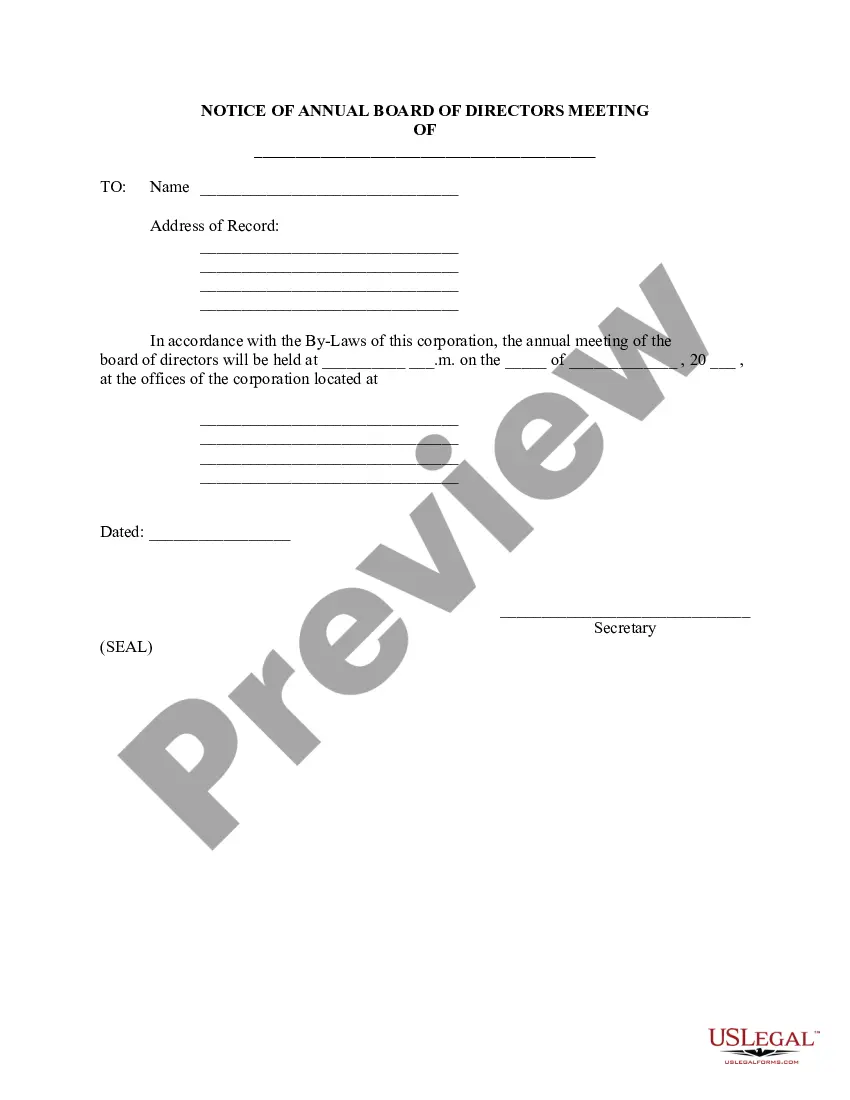
Contingency Agreement Sample For Roof Replacement In Miami-Dade
Description






Get your form ready online
Our built-in tools help you complete, sign, share, and store your documents in one place.
Make edits, fill in missing information, and update formatting in US Legal Forms—just like you would in MS Word.
Download a copy, print it, send it by email, or mail it via USPS—whatever works best for your next step.
Sign and collect signatures with our SignNow integration. Send to multiple recipients, set reminders, and more. Go Premium to unlock E-Sign.
If this form requires notarization, complete it online through a secure video call—no need to meet a notary in person or wait for an appointment.
We protect your documents and personal data by following strict security and privacy standards.

Make edits, fill in missing information, and update formatting in US Legal Forms—just like you would in MS Word.

Download a copy, print it, send it by email, or mail it via USPS—whatever works best for your next step.

Sign and collect signatures with our SignNow integration. Send to multiple recipients, set reminders, and more. Go Premium to unlock E-Sign.

If this form requires notarization, complete it online through a secure video call—no need to meet a notary in person or wait for an appointment.

We protect your documents and personal data by following strict security and privacy standards.
Looking for another form?






Form popularity
FAQ
In May 2022, Florida's 25% Roof Replacement Rule was eliminated and replaced with Senate Bill 4-D. The law originally stated that if more than 25% of the roof was damaged, the entire roof would need to be replaced to meet code requirements.
Cancel the contingency agreement and move on. Do not let contractors scare you. As long as no work has been done and no materials have been delivered, you owe nothing! Even if temporary tarp coverings were performed the maximum amount owed to the contractor ranges between 150 and 500.
Homeowners can cancel within ten (10) days after the execution of the contract or by the official start date of the work, whichever comes first. The official start date is defined by statute as: The commencement of work involving materials that will be part of the final roof. The issuance of a final permit.
It's a way to lock in the deal, make that handshake more official, and get it all in writing. The contingency essentially says that we're going to do this work for the homeowner and we're going to be the contractor of choice to do the roof. And, again, it's all contingent upon approval by the insurance company.
How to draft a contract in 13 simple steps Start with a contract template. Understand the purpose and requirements. Identify all parties involved. Outline key terms and conditions. Define deliverables and milestones. Establish payment terms. Add termination conditions. Incorporate dispute resolution.
What should be included in a roofing invoice? A unique invoice number. The date the work was completed. Materials and labor used for the job. The date of the invoice. The pre-work estimate amount. The final amount payable. Payment terms and payment instructions. Contact information (for client invoice questions)
How To Write A Construction Contract With 7 Steps Step 1: Define the Parties Involved. Step 2: Outline the Scope of Work. Step 3: Establish the Timeline. Step 4: Determine the Payment Terms. Step 5: Include Necessary Legal Clauses. Step 6: Address Change Orders and Modifications. Step 7: Sign and Execute the Contract.
Roofing contract basics. Contact information. Include the names, phone numbers, addresses, insurance companies, and any other relevant information of both the roofers and the clients. Scope of work. Payment. Warranties. Termination clause. Insurance or contingency. Lien release. Compliance.
Although a document must be signed by each party to be considered legally binding, the mere presence of signatures does not guarantee that an agreement is enforceable in court. To be considered a legally binding contract or document, three critical elements must also be present: Subject, Consideration, and Capacity.