Contingency Agreement Sample For Drrm In Massachusetts
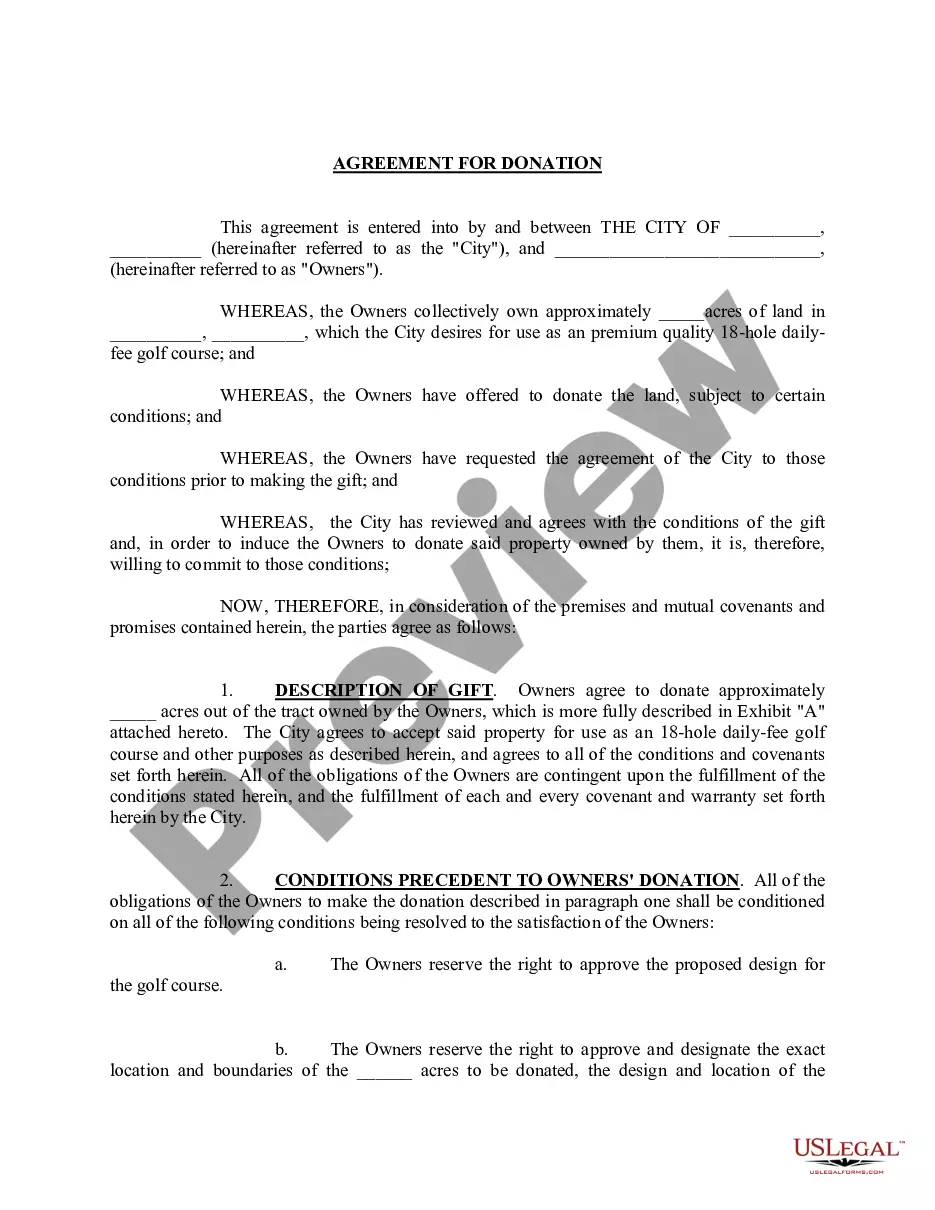
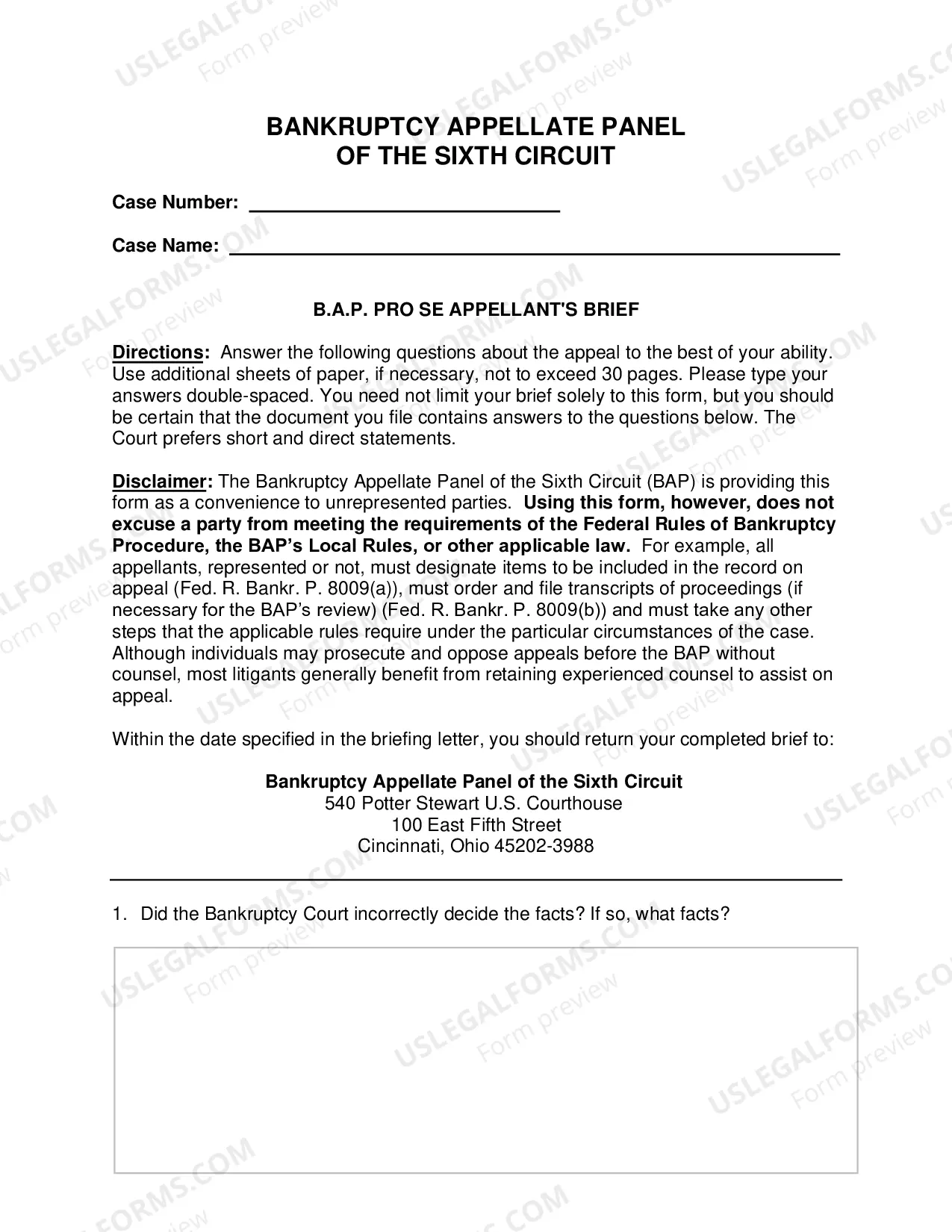
Description







Get your form ready online
Our built-in tools help you complete, sign, share, and store your documents in one place.
Make edits, fill in missing information, and update formatting in US Legal Forms—just like you would in MS Word.
Download a copy, print it, send it by email, or mail it via USPS—whatever works best for your next step.
Sign and collect signatures with our SignNow integration. Send to multiple recipients, set reminders, and more. Go Premium to unlock E-Sign.
If this form requires notarization, complete it online through a secure video call—no need to meet a notary in person or wait for an appointment.
We protect your documents and personal data by following strict security and privacy standards.

Make edits, fill in missing information, and update formatting in US Legal Forms—just like you would in MS Word.

Download a copy, print it, send it by email, or mail it via USPS—whatever works best for your next step.

Sign and collect signatures with our SignNow integration. Send to multiple recipients, set reminders, and more. Go Premium to unlock E-Sign.

If this form requires notarization, complete it online through a secure video call—no need to meet a notary in person or wait for an appointment.

We protect your documents and personal data by following strict security and privacy standards.
Looking for another form?







Form popularity
FAQ
Emergency Contingency Plan Template Define clear examples of your focus areas. Think about the objectives that could fall under that focus area. Set measurable targets (KPIs) to tackle the objective. Implement related projects to achieve the KPIs.
In essence, a disaster recovery plan is a specialized subset of a contingency plan focused on the recovery of IT and data systems, while a contingency plan is more comprehensive, addressing a variety of potential disruptions and outlining broader response strategies.
The Massachusetts Contingency Plan (MCP) Numerical Standards is a set of standards that establishes liability for operators and owners of zones that are contaminated with hazardous material or oil.
A contingency plan is a backup plan designed to address unexpected events or risks that could impact the project's timeline, budget, or quality. A contingency plan is typically implemented when a specific risk event occurs, and it outlines a series of actions to be taken to mitigate the impact of the event.
For instance, a business might develop a contingency plan to maintain operations during an IT system failure by having data backups and alternative communication methods in place. Another example is creating an emergency response plan for unexpected events like power outages or staffing shortages.
A management process that analyses disaster risks and establishes arrangements in advance to enable timely, effective and appropriate responses.
The National Oil and Hazardous Substances Pollution Contingency Plan, more commonly called the National Contingency Plan or NCP, is the federal government's blueprint for responding to both oil spills and hazardous substance releases.
A contingency plan is a course of action designed to help an organization respond effectively to a significant future incident, event or situation that may or may not happen.
How to write a contingency plan Make a list of risks. Weigh risks based on severity and likelihood. Identify important risks. Conduct a business impact analysis. Create contingency plans for the biggest risks. Get approval for contingency plans. Share your contingency plans. Monitor contingency plans.
