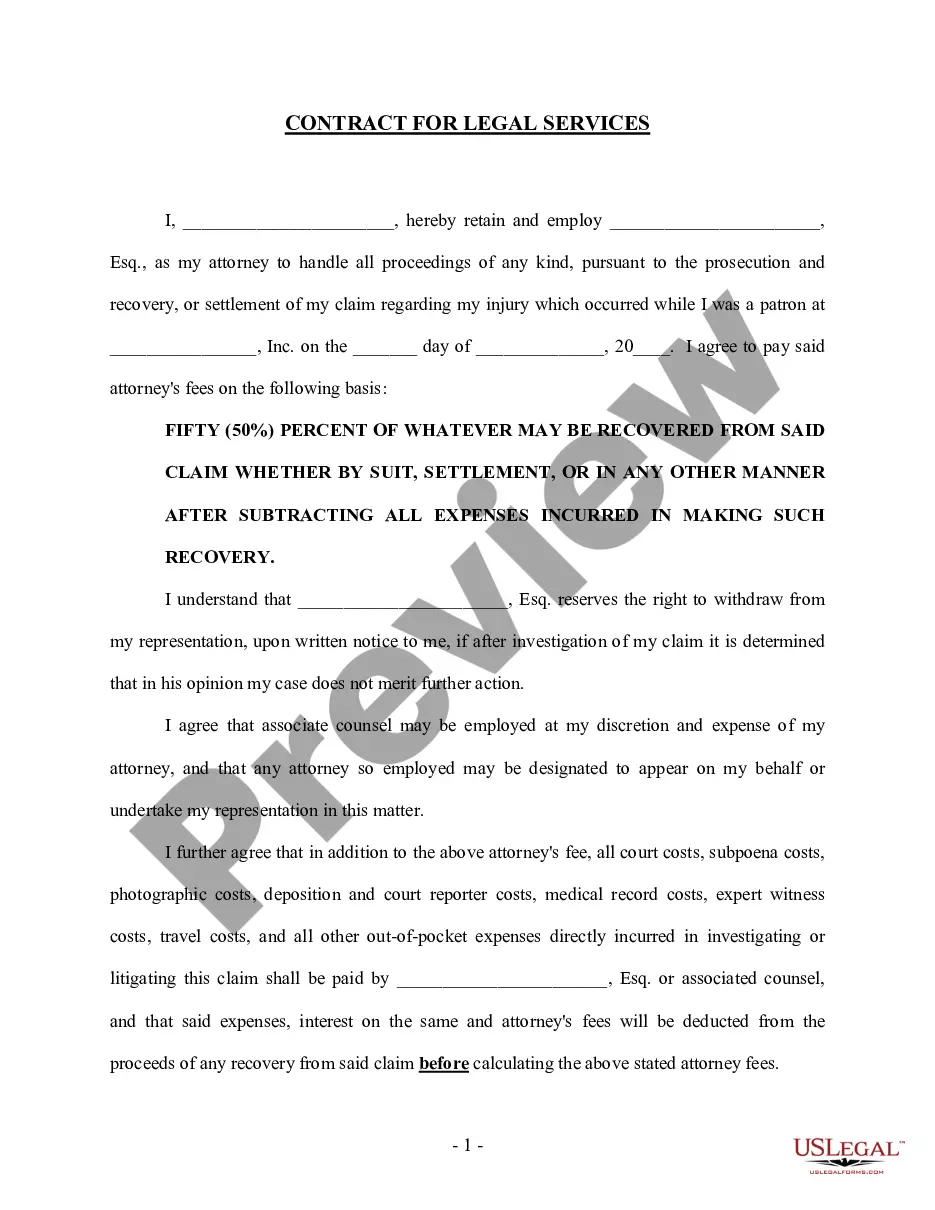
Contingency Lawyer For Medical Malpractice In Georgia
Description
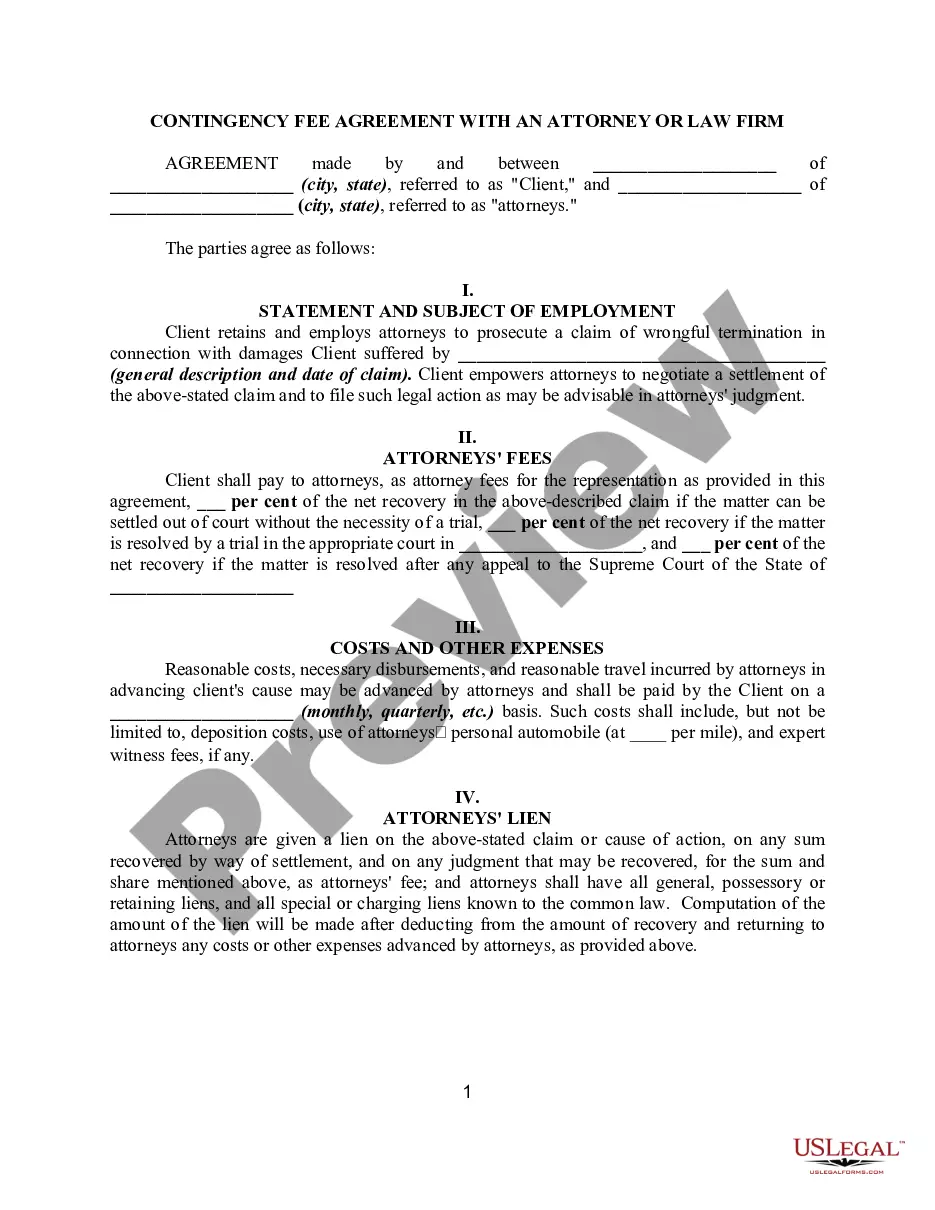
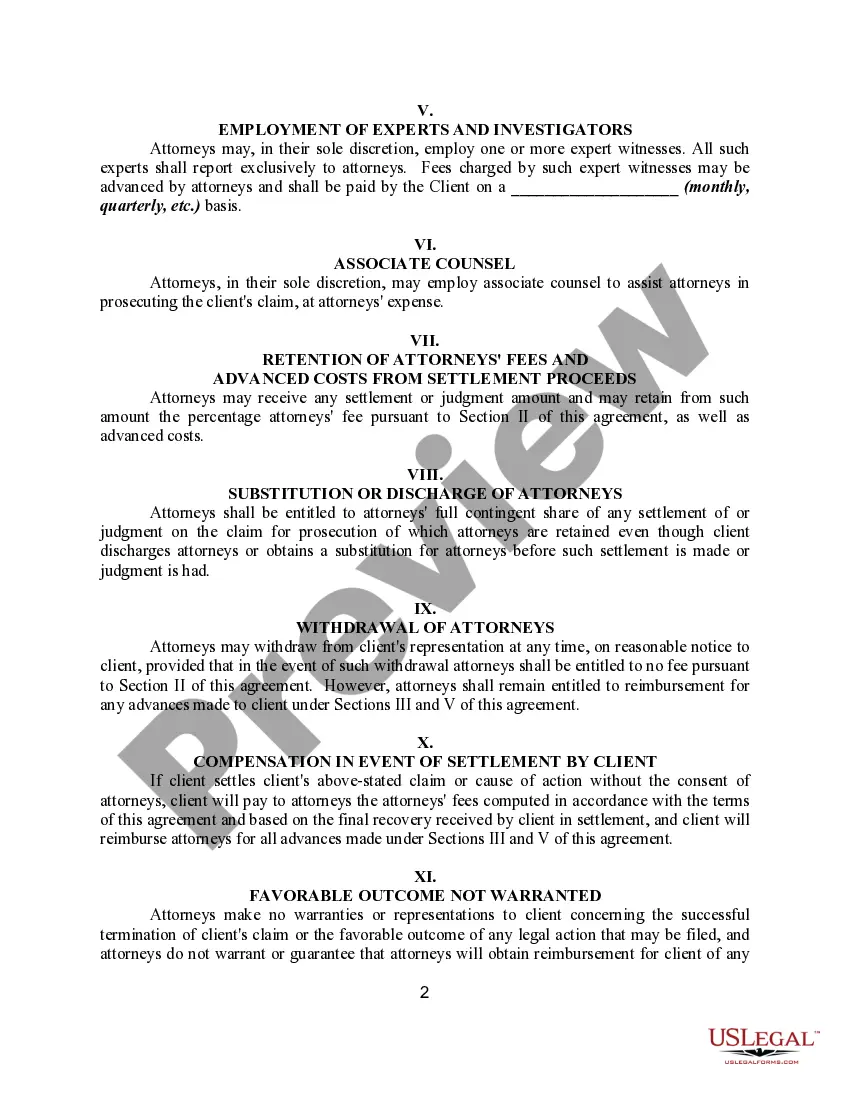
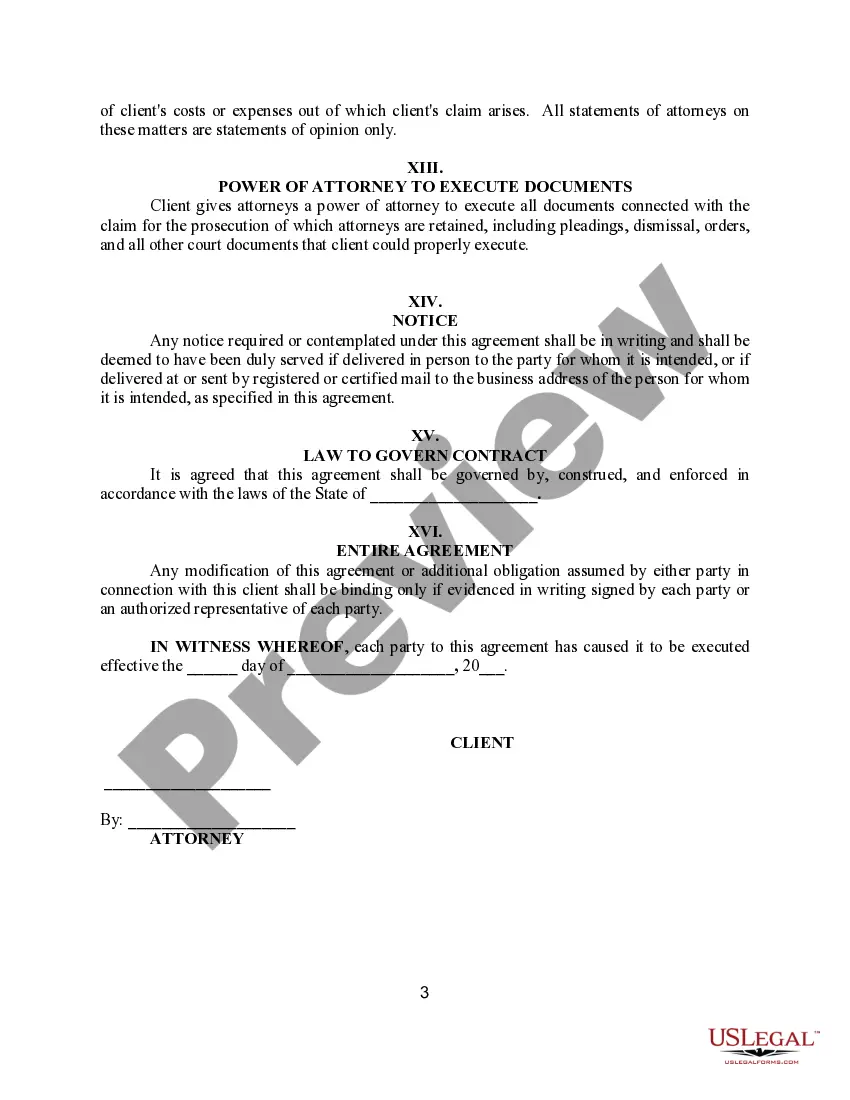
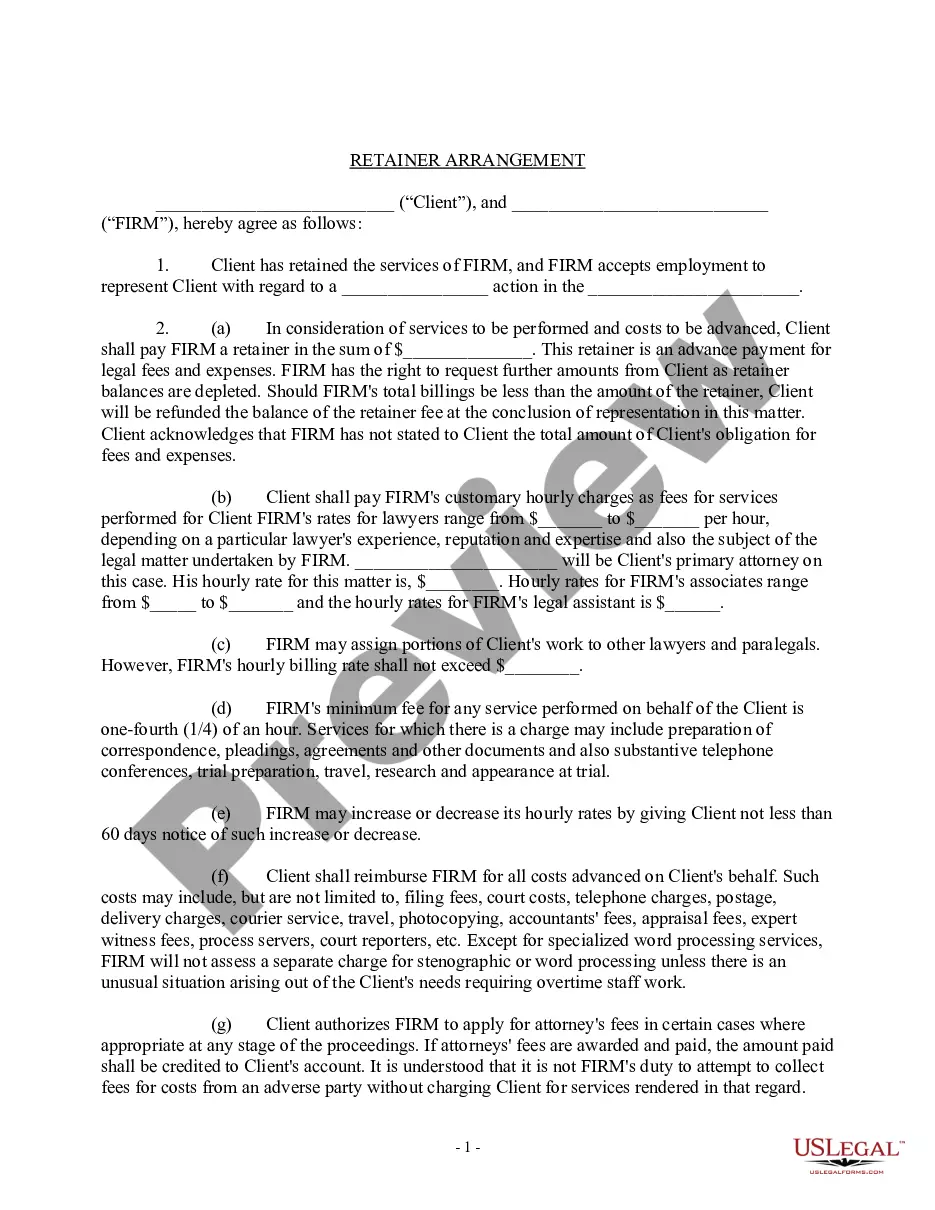
Get your form ready online
Our built-in tools help you complete, sign, share, and store your documents in one place.
Make edits, fill in missing information, and update formatting in US Legal Forms—just like you would in MS Word.
Download a copy, print it, send it by email, or mail it via USPS—whatever works best for your next step.
Sign and collect signatures with our SignNow integration. Send to multiple recipients, set reminders, and more. Go Premium to unlock E-Sign.
If this form requires notarization, complete it online through a secure video call—no need to meet a notary in person or wait for an appointment.
We protect your documents and personal data by following strict security and privacy standards.

Make edits, fill in missing information, and update formatting in US Legal Forms—just like you would in MS Word.

Download a copy, print it, send it by email, or mail it via USPS—whatever works best for your next step.

Sign and collect signatures with our SignNow integration. Send to multiple recipients, set reminders, and more. Go Premium to unlock E-Sign.

If this form requires notarization, complete it online through a secure video call—no need to meet a notary in person or wait for an appointment.

We protect your documents and personal data by following strict security and privacy standards.
Looking for another form?

Form popularity
FAQ
Georgia's cap on these types of losses is $350,000 per claim. As a result of this cap, medical malpractice cases in Georgia may not settle for as much as similar cases in other parts of the country.
The average contingency rate falls between 20-40%, with most lawyers charging around 33% to 35% of the total amount recovered in a case. The exact percentage can vary depending on the complexity of the case, the lawyer's experience, and the stage at which the case is resolved.
The average settlement for medical malpractice varies significantly but often falls between $250,000 and $500,000. However, cases involving more severe or permanent injuries can result in higher amounts.
Of these four criteria, causation, or proving that a doctor's or medical professional's actions caused the harm or injury the patient has experienced, is often the hardest to demonstrate in court.
In Georgia, as in many states, you cannot just go to the courthouse and file a medical malpractice lawsuit. You must first get a written, sworn document from an expert who says that the healthcare provider committed malpractice.
Medical Records Medical records are the most important evidence in a medical malpractice case. They contain detailed information about your treatment, including any diagnoses, procedures, medications prescribed, and notes from your healthcare providers.
Conclusion. Proving causation is often the most difficult element of a medical malpractice case.
Evidence in a medical malpractice case can include: Testimony and opinions from medical experts. Medical records and statements. Witness statements from people who were present at the time of the malpractice. Your testimony. Videos and photographs of injuries.