Right To Sell Agreement In Virginia
Description

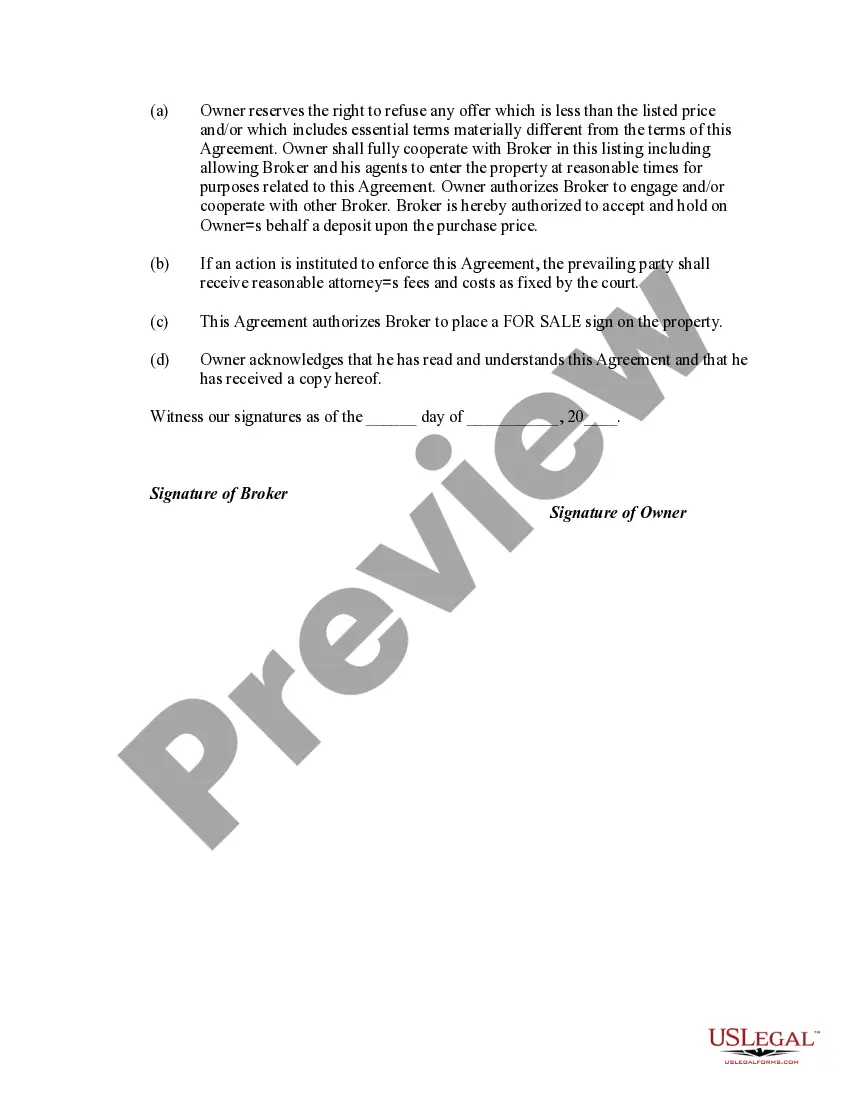

Get your form ready online
Our built-in tools help you complete, sign, share, and store your documents in one place.
Make edits, fill in missing information, and update formatting in US Legal Forms—just like you would in MS Word.
Download a copy, print it, send it by email, or mail it via USPS—whatever works best for your next step.
Sign and collect signatures with our SignNow integration. Send to multiple recipients, set reminders, and more. Go Premium to unlock E-Sign.
If this form requires notarization, complete it online through a secure video call—no need to meet a notary in person or wait for an appointment.
We protect your documents and personal data by following strict security and privacy standards.

Make edits, fill in missing information, and update formatting in US Legal Forms—just like you would in MS Word.

Download a copy, print it, send it by email, or mail it via USPS—whatever works best for your next step.

Sign and collect signatures with our SignNow integration. Send to multiple recipients, set reminders, and more. Go Premium to unlock E-Sign.

If this form requires notarization, complete it online through a secure video call—no need to meet a notary in person or wait for an appointment.

We protect your documents and personal data by following strict security and privacy standards.
Looking for another form?

Form popularity
FAQ
Which states require attorneys for real estate closings? Here's a list of Attorney Only States: Alabama, Delaware, Georgia, Massachusetts, New York, North Carolina, South Carolina, Virginia, West Virginia. Can you close on a house without a lawyer?
Virginia law does not require home sellers to hire an attorney, whether a Realtor is part of the process or not. However, legal counsel is useful for all sellers and especially important for FSBO sellers. Real estate transactions are complex, and this is likely to be one of the biggest financial deals of your life.
Section 7(f) of the Virginia REALTORS® Exclusive Authorization to Sell allows the property owner to authorize or prohibit the display of the property on the Internet. If authorized, it also permits the property owner to limit the display of property reviews and automated estimates of market value on the Internet.
The Code of Virginia requires a written brokerage agreement when a brokerage relationship, as defined in § 54.1-2130, is created. When a customer becomes a client is based upon the party's intent.
Sellers who want the option to find a buyer themselves may be more inclined to sign an exclusive agency listing over an exclusive right-to-sell agreement. By offering this option, agents can increase their chances of securing a listing, especially with clients who are undecided about hiring an agent.
Writing your own contracts is perfectly possible, and legal. But it's also an incredibly bad idea. There's two reasons for this: Property law is complicated. Because it's such a fundamental part of legislation, it's often lots and lots of different laws layered on top of each other.
Gives seller more control over who views the property for sale: Exclusive listings are more suitable for sellers who want to control who and how many people are going in and out of their homes during the sale of the property.
An exclusive right to sell grants a single real estate agency exclusive authority to market and sell a property, ensuring the listing agent earns a commission regardless of who finds the buyer. While this agreement is active, the property owner cannot use another agent.
An exclusive right to sell listing is the most widely-used listing agreement. Under this agreement, the broker has the exclusive right to market the property for a specified period of time.